inquiry
Leave Your Message

2026 Top Dongfeng Automobile Models for Global Buyers

Global buyers looking at 2026 vehicles need more than a striking grille or a long equipment list. They need a model that suits local roads, daily distances, weather, and available service. Dongfeng Automobile offers vehicles across different categories and markets, but exact models and specifications can vary by country. The right fit matters. A compact car may make sense in crowded city streets, while an SUV or commercial vehicle may better suit longer routes, family needs, or demanding work.

This guide introduces notable Dongfeng models for international buyers and explains what to compare before making a shortlist. It considers vehicle size, powertrain options, fuel use or electric range, cabin practicality, safety features, and ownership support. Buyers should also check local warranty terms, parts availability, charging access, and the final on-road price. Those details can matter more than a headline feature. A specification sheet may look tidy; real ownership rarely is. Published figures are useful, but road conditions, temperature, loads, and driving habits can affect everyday results. Model names, equipment, and technical data should therefore be confirmed with an authorized local dealer. No single model suits everyone. Use this overview as a starting point, then compare the vehicle against your actual routes, budget, and service options. One detail is easy to miss: a good purchase is not only about the vehicle, but also about the support behind it.
2026 Top Dongfeng Automobile Models for Global Buyers

Dongfeng Automobile: 2026 Model Range and Global Reach

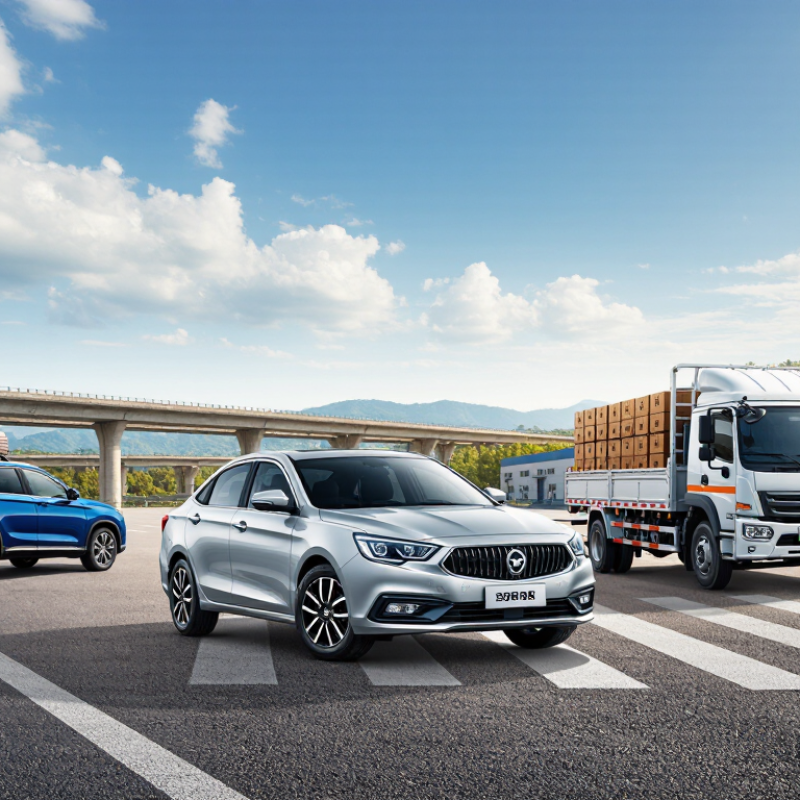
A 2026 vehicle range should be judged by more than its headline model count. Global buyers need clear choices across body styles and powertrains, plus practical details: cabin space, ground clearance, charging access, and parts availability. A compact SUV may suit crowded streets, while a larger vehicle can make long family trips easier. Still, a wide catalogue can look better on paper than it feels in a local showroom. Check the details.

Global reach also depends on how well vehicles match changing markets. The International Energy Agency’s Global EV Outlook 2024 reports nearly 14 million electric-car sales worldwide in 2023, around 18% of all car sales. It projected sales above 17 million in 2024. These figures show why buyers increasingly compare electric and conventional options, but they do not prove that every market has suitable charging or service support. Availability varies by country, and that gap deserves more attention.

Tips: Before choosing a 2026 model, confirm local warranty coverage, service locations, delivery timing, and charging compatibility. Ask for written specifications. A short test drive can reveal what a brochure cannot.

Passenger Cars and SUVs for International Buyers

International buyers comparing 2026 passenger cars and SUVs should start with routes, climate, and charging access—not appearance alone. The IEA’s Global EV Outlook 2025 reports electric-car sales topped 17 million in 2024, exceeding one-fifth of new-car sales worldwide. It projects more than 20 million sales in 2025. That shift makes driving range, charging speed, and local servicing important questions.

For passenger cars, check rear-seat room, boot access, and visibility during a real test drive. A compact cabin may suit crowded streets but feel cramped on longer family trips. For SUVs, compare cargo space with the rear seats upright, not just the largest published figure. Also check ground clearance and energy or fuel use. Bigger can be useful, but it can also mean higher running costs.

Data is not the whole drive. I would treat advertised range as a reference, not a promise; cold weather, fast roads, and a full load can reduce it. Compare range figures using the same test cycle where possible. Before choosing a trim, confirm that charging connectors, navigation languages, warranty coverage, and service support fit your destination market. Details matter. A vehicle that looks capable on paper may be inconvenient if routine maintenance is far away.

Commercial Vehicles and Specialty Models

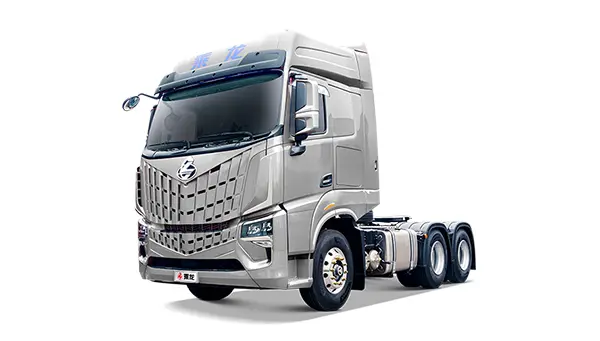
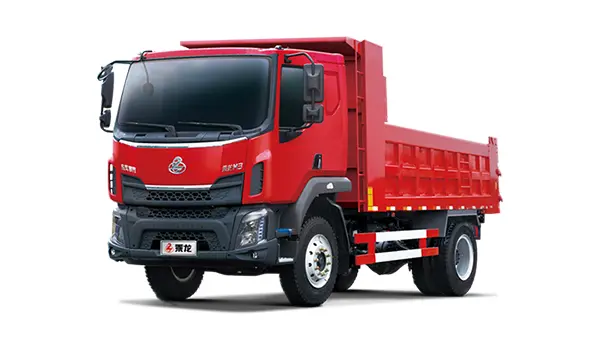
For global buyers in 2026, commercial vehicles are working tools, not just line items. A medium-duty truck may suit urban deliveries, while a heavier chassis can handle sustained regional loads. Match the vehicle to actual routes, payload, stop frequency, and road conditions. Payload alone is not enough. Cab access, turning space, and visibility matter on crowded streets. Small details matter.

Specialty models add another layer of choice. A refrigerated body needs dependable temperature control and practical insulation. A utility vehicle may need secure storage, stable power access, and room for equipment. Refuse, construction, and municipal fleets each place different demands on the chassis. Check local parts availability, technician training, and service intervals before committing.

Ask for a demonstration with the intended body and load, not an empty vehicle on a smooth road. Paper specifications can look reassuring. Real routes expose the gaps. Even a well-equipped model may be a poor fit if repair support is distant or the body conversion reduces useful payload. That trade-off deserves an honest review.

Powertrains, Features, and Market-Specific Variations

For 2026, global buyers should compare vehicle types by powertrain, equipment, and intended use—not by trim names alone. A petrol model may suit long intercity routes where charging is sparse. Hybrid versions can reduce fuel stops in dense, stop-and-go traffic. Battery-electric options offer quiet driving and smooth acceleration, but range depends on temperature, speed, and load. Check the exact battery capacity and charging rate listed for your destination market.

Tips: Ask for the local specification sheet. Confirm connector type, warranty terms, and available service support before paying a deposit. A showroom feature may not appear on every export version.

Market-specific variations can be easy to miss. One region may receive different safety equipment, infotainment languages, seat materials, or driver-assistance functions. Even wheel size can change, affecting ride comfort and replacement costs. Compare the vehicle identification details and written equipment list, not just online photos. Ask whether the quoted range uses a local test cycle; figures from different cycles are not directly comparable. A small caveat: published specifications may not describe every production batch, so confirm details with the seller in writing. A few minutes checking can prevent an expensive mismatch.

2026 Top Dongfeng Automobile Models for Global Buyers — Powertrains, Features, and Market-Specific Variations

Electric car sales reached approximately 11 million in China, 3.2 million in Europe, and 1.6 million in the United States in 2024. These market differences provide context for why powertrain choices and vehicle features may vary by destination. Figures are rounded; source: International Energy Agency, Global EV Outlook 2025.

How Global Buyers Can Compare Dongfeng Models

Global buyers should compare vehicles against daily use, not headline specifications. The IEA’s Global EV Outlook 2025 estimates that electric-car sales will exceed 20 million in 2025, around one-quarter of worldwide car sales. That shift makes charging access, battery warranty, and local repair capacity essential comparison points. Details matter. A long driving-range figure means little if your route includes cold mornings, steep roads, or few charging stops.

Compare equivalent trims and local-market specifications. Check rear-seat knee room, boot space, ground clearance, payload, and fuel or energy consumption. A family crossing rough roads may value suspension clearance more than a large screen. For commercial use, compare service intervals and parts availability; a cheap purchase can become costly when a vehicle waits for a component. Deloitte’s 2025 Global Automotive Consumer Study also highlights the importance of price and reliability in vehicle decisions. Compare warranty coverage carefully, since exclusions and service conditions can differ by country.

Safety ratings need context. Look for testing from a recognized assessment program that covers the vehicle’s exact model year and configuration. Confirm which driver-assistance features are standard, optional, or unavailable locally. I would not trust a brochure alone. Real-world efficiency varies, and published figures may not match a buyer’s climate or driving pattern. Ask for a written specification sheet and a clear breakdown of taxes, delivery, servicing, and warranty terms before comparing final prices.

2026 Global Vehicle Comparison Guide — How Buyers Can Compare Models

A practical comparison framework for evaluating vehicle options across markets. Confirm every specification against the current local-market brochure and the exact trim level.

Comparison Area What to Compare Useful Data or Evidence Why It Matters Buyer Check
Vehicle configuration Body style, seating capacity, number of doors, and cargo layout Official specification sheet; seating and luggage-capacity figures Shows whether the vehicle suits passengers, luggage, and daily use Check the exact configuration offered in your country
Powertrain Fuel type, engine or motor configuration, and transmission or drive system Engine displacement where applicable; motor output in kW; transmission type; driven wheels Helps compare performance, operating needs, and suitability for local driving conditions Distinguish standard equipment from optional or trim-specific equipment
Fuel or energy use Fuel consumption or electricity consumption Published value and test cycle, such as WLTP or the applicable local test procedure Test methods and results can differ between markets, so figures need a like-for-like comparison Compare vehicles using the same test cycle and note whether figures are combined or city/highway
Electric driving For battery-electric versions: usable battery capacity, driving range, and charging capability Battery capacity in kWh; range and test cycle; AC and DC charging specifications Charging time and usable range depend on the vehicle, charger, conditions, and local electricity supply Verify connector type, maximum charging rate, and local charging-network compatibility
Dimensions and practicality Overall length, width, height, wheelbase, ground clearance, and cargo space Dimensions in millimetres; cargo volume in litres; measurement method where stated Dimensions affect parking, cabin space, loading, and suitability for local roads Check whether cargo figures are measured with seats up or folded
Safety equipment Airbags, braking systems, driver-assistance features, and crash-test results Equipment list by trim; rating body, test year, and assessment protocol Feature availability and crash-test ratings may vary by market and specification Confirm that the specific vehicle includes the features and rating you expect
Ownership support Warranty coverage, service intervals, parts availability, and roadside assistance Written warranty terms; service schedule; local service and parts information Support arrangements can differ significantly between countries Get local terms in writing, including exclusions and coverage duration
Price and compliance On-road price, taxes, required equipment, and local vehicle approval Itemised dealer quotation; applicable homologation or registration documentation Import costs, taxes, and compliance requirements can change the total purchase cost Compare final on-road prices and confirm the vehicle is approved for registration locally

Note: Specifications, equipment, test results, warranty terms, and availability are market- and trim-dependent. No model-specific figures are assumed in this guide; use official documentation for the exact vehicle being considered.