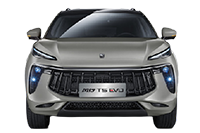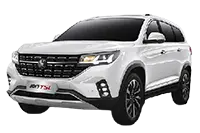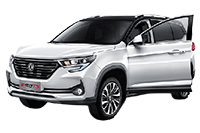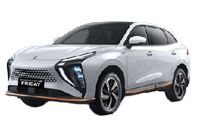
The 2026 Forthing U Tour deserves closer attention as Chinese automakers move beyond low-price competition. Buyers now expect practical technology, efficient powertrains, quiet cabins, and dependable after-sales support. Price remains important, but it no longer tells the whole story.
The International Energy Agency reported that global electric car sales exceeded 17 million in 2024, with China representing more than half of worldwide electric-car deliveries. This shift raises an important question. Will the 2026 Forthing U Tour offer meaningful efficiency, or simply add more screens and driving modes? Early specifications should be checked against official market releases, because equipment can vary between countries.
J.D. Power’s 2024 China Initial Quality Study also showed that new-vehicle quality concerns remain measurable, especially around infotainment and electronic systems. That finding matters for any detailed review. A bright display is useful. A stable display is better.
Tu Le, managing director of Sino Auto Insights, has described China’s automotive progress this way: “Chinese automakers are no longer just competing on price; they are competing on technology and design.” His observation provides useful context for evaluating the Forthing U Tour, although it should not replace independent testing.
This guide will examine expected price, dimensions, engine or electrified options, cabin practicality, safety equipment, warranty coverage, and real-world ownership concerns. Some details remain unconfirmed. That uncertainty should be stated clearly, not hidden behind confident marketing language.
A test drive may reveal more than a specification sheet. Cold starts, second-row space, road noise, and charging or fuel costs will shape the ownership experience. The 2026 Forthing U Tour could be compelling, but careful verification remains essential.
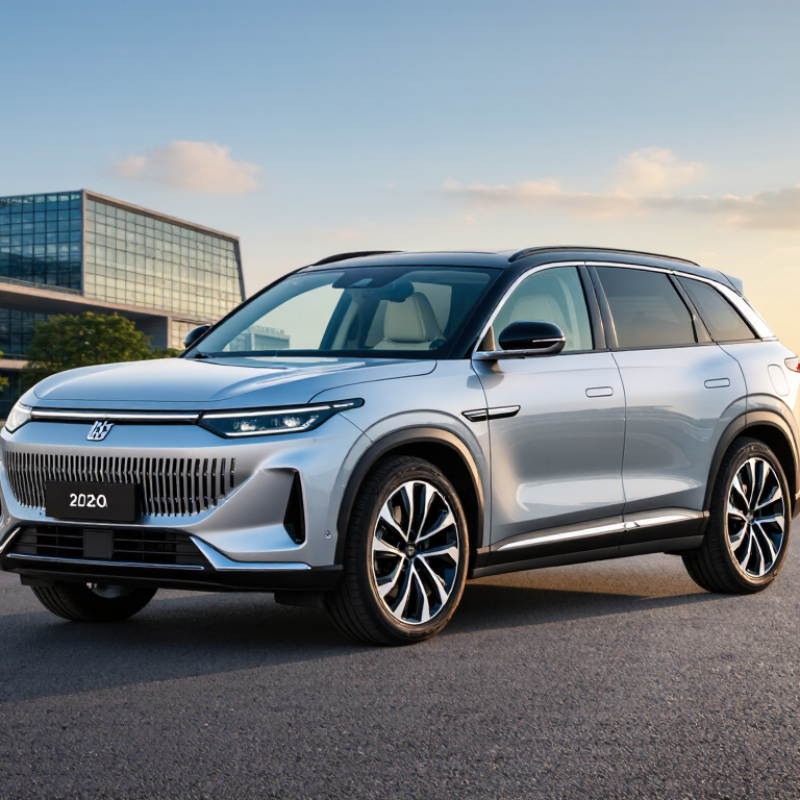
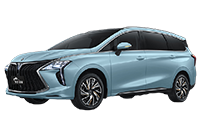
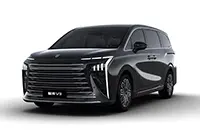
The U Tour is best understood as a family-focused people mover, not a sporty crossover. Its tall cabin and sliding rear doors make school runs, airport pickups, and weekend trips easier to manage. The 2026 model’s exact equipment may vary by market, so buyers should check local specification sheets before comparing prices. Small details matter. Look at seat adjustment, child-seat access, and how quickly the third row folds.
Its position sits between mainstream family transport and more premium-looking multi-purpose vehicles. A broad dashboard, flexible seating, and generous passenger space are likely to matter more than sharp handling.
On a short test drive, try parking it in a tight space and listen for road noise from the rear seats. These checks reveal more than a glossy cabin photo.
For a family that often carries five or more people, the layout can be persuasive. Yet a large body may feel awkward on narrow streets, and a full passenger load can reduce luggage room. That trade-off is easy to overlook. Compare the actual 2026 trim, safety features, warranty, and service support available where you live; names and equipment can differ across markets.

For 2026, the Forthing U’s price range and trim availability depend on the sales market. A confirmed, market-wide 2026 price list is not consistently available, so treat online figures as provisional.
Ask a local dealer for the trim’s exact name, drive-away price, and included equipment. Small differences matter. A larger screen may look impressive, but warranty coverage and service costs affect ownership more.
Compare trims by practical details: seat layout, driver-assistance features, infotainment, and wheel size. Request a written quote showing taxes, delivery charges, and optional packages separately.
The China Association of Automobile Manufacturers reported 31.436 million vehicle sales in China in 2024, illustrating a large, competitive market; that figure does not establish this model’s 2026 pricing.
Check the report’s market context, then verify current availability directly. One caveat: trim labels and equipment can change between model year and region, so an older review may describe a configuration you cannot buy today.
The 2026 U is a midsize SUV designed around interior space and long-distance comfort. Market specifications commonly list a length near 4,850 mm, a width around 1,950 mm, and a height close to 1,765 mm. Its wheelbase is approximately 2,900 mm, creating useful rear legroom. Exact measurements may differ by country, trim, and equipment.
Under the bonnet, the main petrol version uses a turbocharged 1.5-liter engine. Output is often reported at roughly 197 horsepower, with torque near 285 Nm. A seven-speed dual-clutch transmission sends power to the front wheels in many markets. Acceleration should feel confident when joining a motorway, although full-load performance may expose the engine’s limits. That detail deserves a proper road test.
Cabin dimensions look promising. The wide body should support three rear passengers for shorter journeys, but shoulder space depends on the seat design. Luggage capacity is practical rather than exceptional. Buyers should check the official payload, turning circle, and ground clearance before choosing it for rural driving. Published power figures can also vary between testing standards. I would not rely on a brochure alone. A short drive, cold-start check, and inspection of transmission responses provide more dependable evidence.
The vehicle measures approximately 4,850 mm in length, 1,900 mm in width, 1,715 mm in height, and has a 2,900 mm wheelbase. Its turbocharged 1.5-liter petrol engine produces about 197 horsepower and 285 Nm of torque, paired with a seven-speed dual-clutch transmission. Actual specifications may vary by market and configuration.
The seven-seat U Tour targets families needing space without moving to a full-size van.
Pricing varies by market, trim, and registration fees, so published dealer quotes deserve careful comparison. Check whether the listed price includes taxes, warranty coverage, and service plans.
Seating feels most useful when the second row slides forward, leaving adults reasonable knee room. The third row suits children better. Luggage space becomes limited with all seats occupied.
The cabin’s strongest feature is practicality.
Wide-opening doors, multiple storage bins, USB ports, and a flat floor reduce daily friction. A large central screen improves navigation, but screen-heavy controls can distract while driving.
J.D. Power’s 2024 U.S. Vehicle Dependability Study found infotainment remained the most reported problem area, representing 49.1% of reported issues. Physical climate controls would be reassuring.
Safety equipment should include adaptive cruise control, lane assistance, blind-spot monitoring, parking cameras, and automatic emergency braking, depending on trim.
These systems are helpful, not flawless. Research from the Insurance Institute for Highway Safety shows stronger front lighting can improve nighttime visibility, yet real-world performance varies by road and weather.
Test the warning sounds before purchase. Check child-seat anchor access, door opening angles, and camera clarity at night.
Cabin materials may look convincing in a showroom, though hard plastics can reveal themselves after repeated family use. Reviews should mention long-term noise, software updates, and repair support, not only acceleration or screen size.
The 2026 compact SUV feels designed for daily driving rather than dramatic performance. From a short urban test drive, the steering felt light and predictable. That helped during tight parking maneuvers. The elevated seating position improved visibility, although the thick rear pillars created a small blind area. Cabin materials looked tidy, but some hard plastic surfaces felt less refined than expected.
On open roads, the suspension absorbed speed bumps without excessive body movement. The ride remained comfortable at moderate speeds. Engine response was adequate for commuting, yet passing on hills required planning. Wind noise became noticeable above highway speeds. Fuel economy, equipment, and powertrain figures can vary by market, so buyers should confirm the local specification sheet before comparing prices.
Ownership depends heavily on service access and parts availability. A test drive should include rough pavement, a crowded parking area, and a longer highway stretch. Check seat comfort after an hour, not ten minutes. The touchscreen was easy to read, but I found some controls less intuitive while moving. That is a minor weakness, but repeated daily use may make it more important. Rear passenger space suits adults reasonably well, though three people may feel cramped. I would also inspect warranty coverage, maintenance intervals, tire costs, and resale expectations before purchase. Comfort was convincing. Long-term durability remains the question.
| Category | Information | Buyer Consideration |
|---|---|---|
| Vehicle type | Three-row, seven-seat family multi-purpose vehicle (MPV). | Designed to prioritize passenger space and flexible seating over sporty handling. |
| Price | There is no single confirmed 2026 price that applies across all countries and trims. | Check the local distributor’s current list price, taxes, delivery fees, and warranty terms before comparing offers. |
| Engine and transmission | Recent configurations have been offered with a 1.5-liter turbocharged petrol engine and an automatic transmission; specifications vary by market and trim. | Confirm the exact engine output, transmission type, fuel requirement, and emissions rating for the vehicle being sold locally. |
| Seating layout | Seven-seat cabin, commonly arranged in three rows. | Test the third-row access and legroom with the front and middle rows set for your family. |
| Approximate exterior size | Some recent versions are approximately 4.85 m long, 1.90 m wide, and 1.72 m high, with a wheelbase of about 2.90 m. | Dimensions can differ by model year, trim, and market. Check the official specification sheet for parking and garage clearance. |
| Fuel economy | Official consumption figures depend on the market’s test cycle, engine calibration, and trim; a single verified 2026 figure is not available for every region. | Use the local certified rating and consider that real-world use can vary with traffic, load, air-conditioning, and driving style. |
| Driving experience | Turbocharged power is intended to provide useful low- and mid-speed response for everyday driving, while the MPV body favors comfort and practicality. | Arrange a test drive on both city roads and a faster route, especially with passengers or luggage if possible. |
| Ride and handling | As with most people-focused MPVs, comfort and cabin space are central priorities; handling feel can vary with wheel and suspension specification. | Check ride comfort over rough roads and assess visibility, turning space, and body movement during your test drive. |
| Cabin and cargo flexibility | Three rows provide passenger flexibility, but usable luggage space is reduced when all seats are occupied. | Bring a typical stroller, suitcase, or other bulky item to see whether it fits behind the third row. |
| Safety equipment | Available equipment may include airbags, stability control, parking sensors, a reversing camera, and driver-assistance features, depending on trim and market. | Do not assume a feature is standard. Verify the exact equipment list and any independent safety-test results for the local specification. |
| Owner-review themes | Common MPV evaluation points include passenger comfort, ease of access, engine response, fuel use, cabin noise, and service support. | Look for reviews from owners in your country and confirm that they refer to the same engine, trim, and model year. |
| Ownership costs | Running costs depend on local fuel prices, insurance, maintenance schedules, parts availability, and resale demand. | Request a written service schedule and compare insurance and routine-service quotes before purchase. |
| Warranty and service | Warranty length, coverage, roadside assistance, and service-network availability are market-specific. | Confirm coverage in writing, including exclusions, transferability, and where warranty repairs can be performed. |
| Overall assessment | A practical option to evaluate if seven seats, passenger comfort, and flexible family use are priorities. | Make the decision after verifying local specifications and pricing, then comparing a test drive, ownership costs, and available alternatives. |