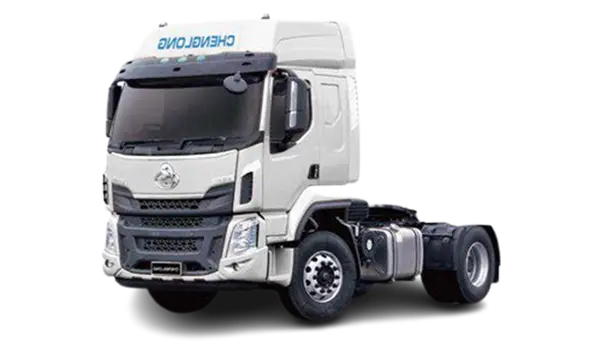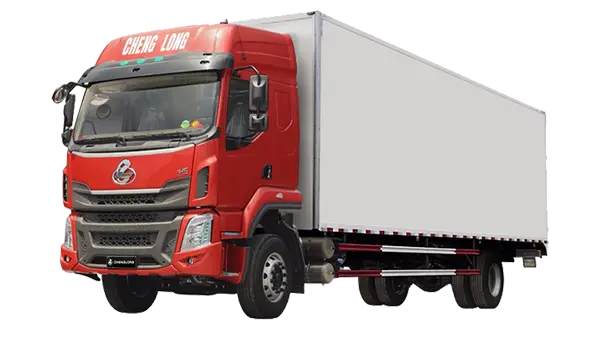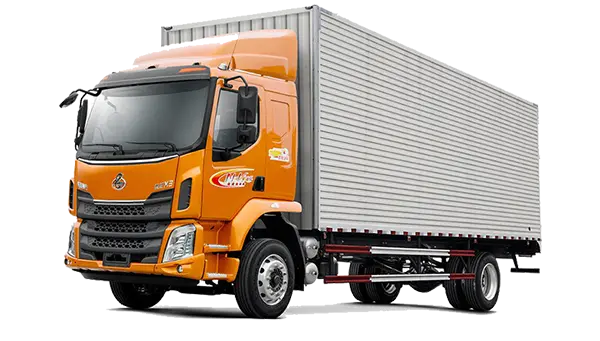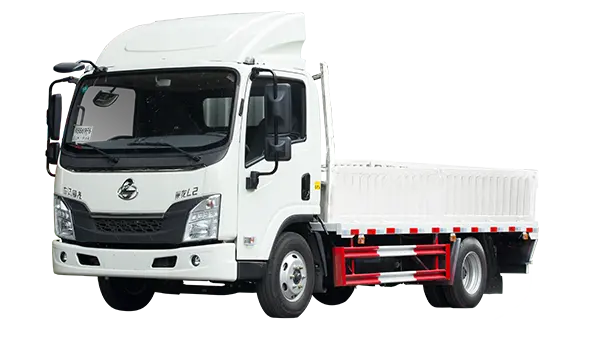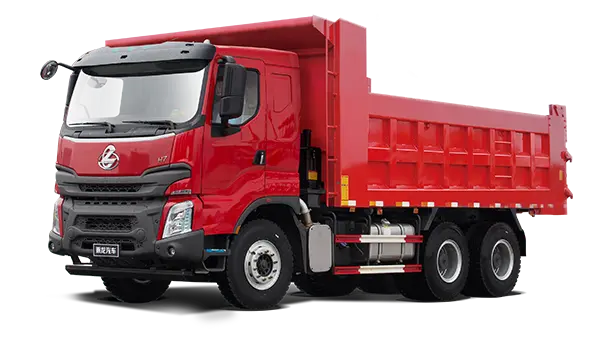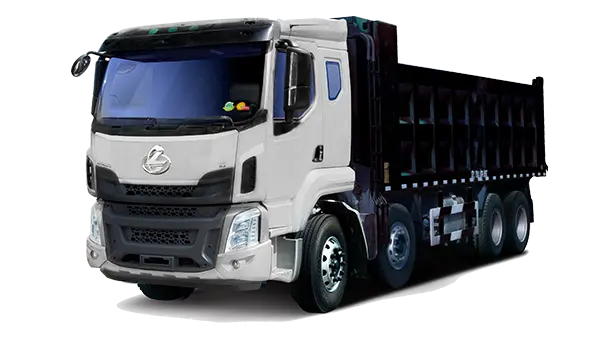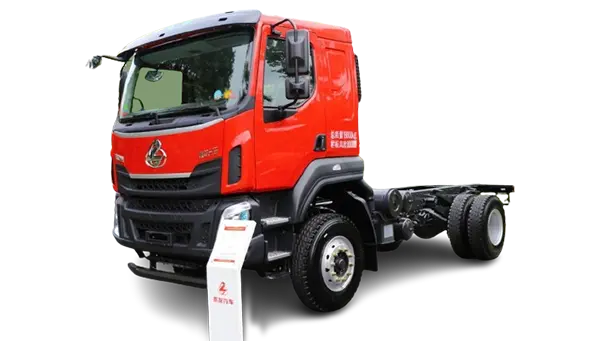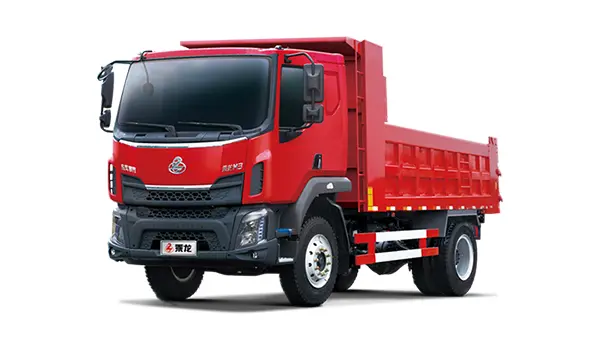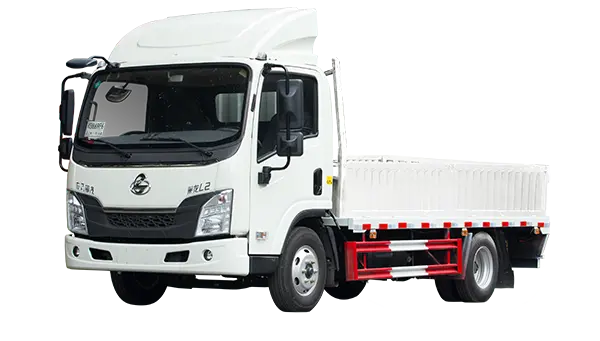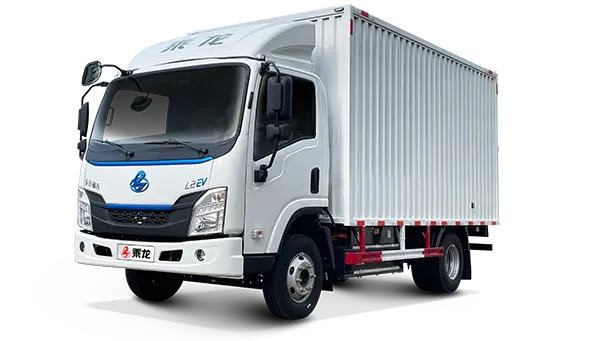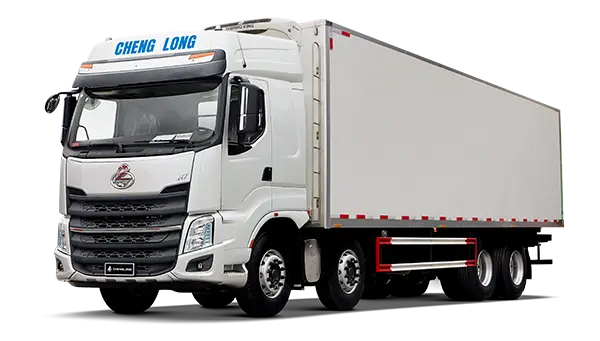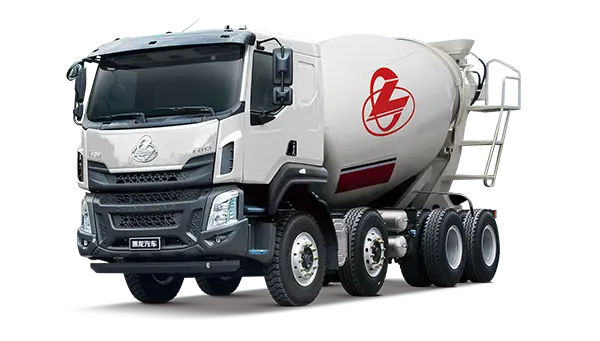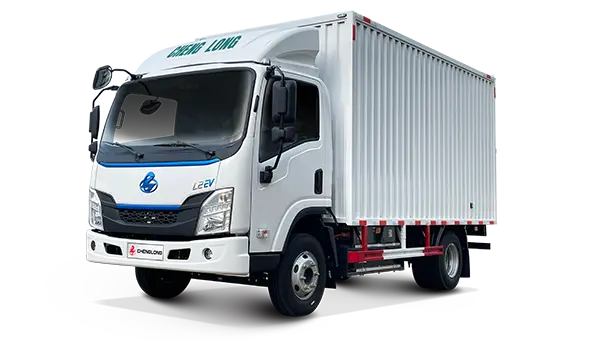
Buying a heavy truck is rarely a simple price decision. For many fleet owners, it affects fuel bills, delivery reliability, driver comfort, and resale value for years. Dongfeng Liuzhou trucks deserve careful evaluation because specifications can vary by engine, axle, cab, transmission, and operating region. The right choice on a flat highway may struggle on steep construction routes. Small details matter.
Industry data supports a cautious approach. The China Association of Automobile Manufacturers reported that China sold about 4.03 million commercial vehicles in 2023, up 22.1% year on year. This growth shows strong demand, but it also creates more choices and more marketing claims. The International Energy Agency’s Global EV Outlook 2024 noted that electric truck adoption is expanding, especially where predictable routes and charging access exist. Buyers should therefore examine total operating conditions, not only brochure numbers.
Lin Chang, a senior Dongfeng Liuzhou executive, has emphasized this practical principle: “A truck must match the route, the load, and the service network—not merely the purchase price.” That advice sounds obvious. It is still often ignored. Our seven tips examine payload accuracy, fuel or energy consumption, after-sales coverage, safety equipment, cabin ergonomics, financing, and expected resale value. The checklist is useful, but not perfect. Local traffic, climate, maintenance quality, and driver habits can change the result. A careful buyer should record real route distances, weigh typical cargo, inspect service facilities, and request operating-cost evidence before signing. In trucking, the cheapest truck can become the most expensive mistake.

Buying a heavy truck starts with the cargo, not the badge on the grille. List the usual load, its weight, dimensions, moisture, and loading method. A palletized shipment needs different deck space than loose aggregate or refrigerated goods. Measure the largest item twice. That small habit prevents expensive surprises at the loading bay. Do not choose capacity from an occasional maximum alone. Use the normal daily payload, then allow a safe margin within the rated limits.
Operating conditions matter just as much. Map your routes carefully. Steep hills, narrow streets, long highway runs, construction yards, and seasonal rain all change the specification. For urban deliveries, turning radius, visibility, braking response, and cab access can save time. On rough roads, inspect ground clearance, suspension design, axle configuration, and tire suitability. Cold mornings may expose weak starting systems, while heat can challenge cooling performance. Ask a qualified truck specialist for test data that matches your region.
Run a realistic route trial before signing. Load representative cargo. Record fuel use, hill speed, turning effort, cabin noise, and unloading time. Speak with drivers; their daily observations often reveal faults that brochures miss. I once trusted a paper payload figure and overlooked loading equipment weight. It looked minor. Later, the margin felt uncomfortably thin. Check service access, parts availability, warranty terms, and inspection records in writing. Numbers help, but real roads are less forgiving.

When comparing truck models, begin with payload, not horsepower. Match the rated payload to your real cargo, road grade, and daily mileage. Check engine power, torque, transmission ratios, axle capacity, wheelbase, and cargo-body dimensions. A shorter wheelbase turns better in crowded yards, while a longer frame may carry more volume. The International Energy Agency reported over 50,000 electric trucks sold globally in 2023, mostly in China. This makes drivetrain choice increasingly important.
For diesel models, compare fuel-tank capacity, engine displacement, emission standard, and service intervals. For electric models, examine battery capacity, usable range, charging time, and battery warranty. Do not trust range figures alone. Payload, weather, hills, and air-conditioning can reduce practical range. The International Council on Clean Transportation has repeatedly identified heavy-duty vehicles as major fuel and pollution sources, so efficiency deserves serious attention. Small differences in fuel use become large fleet costs.
Cab width, seat comfort, visibility, braking performance, and spare-parts access also affect ownership. Ask for certified axle ratings and independent test documents. A lower purchase price may hide higher tire or maintenance costs. I once overvalued horsepower. That was a poor comparison. The better choice usually balances torque, payload, operating weight, warranty coverage, and local repair support. Compare at least three configurations under the same operating conditions before signing.
A reliable truck begins with verified numbers, not showroom impressions.
Tip 1: Match payload capacity with your daily cargo, route, and loading equipment. Check both legal and practical limits.
Tip 2: Read the technical sheet carefully. Gross vehicle weight, axle ratings, and body weight can change usable capacity.
Tip 3: Ask for maintenance records and confirm the engine’s service history. A clean exterior proves very little.
Tip 4: Test engine performance under realistic conditions. Drive uphill, observe acceleration, and listen for unusual smoke or vibration. Short test drives can mislead you.
Tip 5: Check fuel consumption expectations with an experienced mechanic. Published figures may not reflect heavy loads, traffic, or rough roads. I once underestimated route conditions, and the operating cost changed quickly.
Tip 6: Inspect safety features in person. Look for effective braking systems, stable steering, seat belts, lighting, mirrors, and visibility from the cab. Ask whether safety systems work with a full load.
Tip 7: Verify inspection documents, warranty terms, and parts availability before signing anything. Request written answers, not casual promises. A professional inspection may reveal frame stress, uneven tire wear, or hidden leaks. That expense is usually smaller than an early repair bill.
Buying a heavy truck requires more than comparing the advertised price. Request a written quotation showing the chassis, engine, body equipment, taxes, delivery fees, and optional features. A low initial price can hide expensive items, such as reinforced tires or fleet-management equipment. Ask for the expected fuel use under your actual load and road conditions. Test the cab, braking response, turning radius, and loading height before signing.
Warranty coverage deserves careful reading. Confirm the warranty period, mileage limit, covered components, and exclusions for commercial use. Ask whether roadside assistance includes towing, labor, and replacement parts. A practical check is simple: request a sample warranty claim form. If the dealer cannot explain the process clearly, pause. Record every promise in the purchase contract, not only in messages or conversations. I once focused too heavily on the purchase price and overlooked downtime coverage. That mistake was costly.
After-sales support often decides whether a truck earns money consistently. Map authorized service points near your regular routes, not just near the sales office. Ask about average parts lead times for filters, brake components, sensors, and clutch parts. Speak with two existing operators if possible. Their maintenance records may reveal more than polished presentations. Confirm technician training, service hours, emergency contact methods, and scheduled maintenance pricing. Some answers may remain uncertain. That is a warning worth investigating. A clear maintenance schedule, realistic repair estimates, and accessible technical support can protect both cash flow and working time.
| Tip | Evaluation Dimension | Practical Data to Compare | Required Evidence | Decision Rule |
|---|---|---|---|---|
| 1 | Compare the complete purchase price |
Record the vehicle price, freight, taxes, registration, inspection, body equipment, optional features, and delivery charges separately.
Landed cost = vehicle price + transport + taxes + registration + required equipment. |
Obtain an itemized quotation with the quotation date, currency, payment terms, delivery location, included equipment, and exclusions. | Compare at least three itemized quotations on the same vehicle specification. Reject any offer where major mandatory costs are shown only as “extra.” |
| 2 | Calculate five-year total cost of ownership |
Include purchase cost, financing interest, fuel, scheduled maintenance, tires, insurance, registration, road charges, and expected resale value.
TCO per operating kilometre = (five-year costs − resale value) ÷ expected kilometres. |
Use the manufacturer’s fuel-consumption test conditions, local fuel prices, maintenance schedules, tire prices, and actual annual mileage. | Select the truck with the lower verified cost per kilometre, not simply the lower purchase price. |
| 3 | Match capacity to the real operation |
Check gross vehicle weight rating, payload, curb weight, axle ratings, wheelbase, turning radius, cargo-body dimensions, gradeability, and towing capacity.
Legal payload = permitted gross weight − ready-to-operate vehicle weight. |
Review the official specification sheet, axle-load limits, body-builder approval, local road regulations, and a written confirmation of the intended load. | Do not treat the advertised maximum payload as usable payload until body weight, fuel, driver, tools, and other equipment are deducted. |
| 4 | Examine warranty coverage carefully |
Compare the warranty duration, distance limit, start date, covered assemblies, exclusions, claim process, labor coverage, parts coverage, and transferability.
Commercial-vehicle warranties commonly use both a time limit and a mileage limit; the first limit reached usually controls, but the written warranty governs. |
Request the complete warranty booklet, maintenance conditions, approved-fluid requirements, exclusions, and contact details for warranty claims. | Prefer clear written coverage with no ambiguous exclusions. Confirm whether the warranty remains valid when maintenance is performed by an authorized independent workshop. |
| 5 | Measure parts availability and repair speed |
Ask for normal order lead time, emergency order lead time, stocked parts categories, parts return policy, and availability of high-wear items such as filters, brake components, belts, lamps, and suspension parts.
Downtime cost = inactive days × average daily contribution margin. |
Request a current parts-price list, stock policy, service-level commitment, and examples of delivery times for routine and major components. | Give priority to the support network that can document local stock and predictable delivery times, because downtime can exceed the price difference between vehicles. |
| 6 | Audit after-sales service capability |
Compare the number and location of service points, technician training, diagnostic equipment, roadside assistance hours, mobile-repair coverage, preventive-maintenance reminders, and complaint escalation procedures.
Availability rate = operating hours ÷ planned hours × 100. |
Verify service locations independently, inspect the nearest workshop if possible, and request a written response-time target for roadside breakdowns. | Choose support that covers the actual routes and operating hours. A distant workshop is not an effective support option for a truck working far from major cities. |
| 7 | Complete a pre-delivery and road test | Inspect cold starting, warning lamps, braking, steering, clutch or transmission operation, suspension, lighting, air-system pressure, leaks, tire condition, body alignment, cabin equipment, and safety equipment. | Use a signed pre-delivery inspection checklist and record the chassis number, odometer reading, fuel level, defects, corrective actions, and delivery date. | Link final payment or acceptance to the correction of safety-related defects and confirmation that the delivered specification matches the sales contract. |
Arrange a professional inspection before discussing the final price. Ask an independent heavy-vehicle technician to examine the engine, transmission, frame, brakes, tires, suspension, hydraulics, and electronic fault records. Request a cold start, road test, load check, and fluid analysis. Photographs should show leaks, tire wear, chassis cracks, and dashboard warnings. A clean exterior proves little.
Tip: Compare the inspection report with service invoices and registration records. The American Trucking Research Institute’s 2024 Operational Costs of Trucking report places average marginal operating costs at 2.26 dollars per mile in 2023. Fuel represented 28.6 percent of those costs. These figures are U.S.-based, not universal. That limitation matters. Still, they show why hidden mechanical defects can damage your operating budget quickly. I would not accept a seller-selected inspection alone.
Tip: Put every purchase term in writing. Include the vehicle identity, mileage, included equipment, warranty period, delivery date, payment schedule, inspection findings, and responsibility for repairs. Define what happens if the truck fails the agreed acceptance test. Clarify taxes, transport, spare parts, training, and after-sales support. Leave no verbal promise floating. A small omission can become an expensive argument. Before signing, match the contract with the invoice and technical records. If one detail remains unclear, pause the transaction and obtain written clarification.