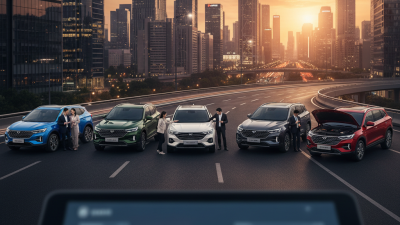
What Are the Advantages of Forthing Electric Cars in 2026?
As we look toward 2026, the automotive industry is undergoing significant transformations. Forthing Electric Cars are at the forefront of this revolution. These vehicles promise a cleaner, more sustainable future. With increasing environmental concerns, electric cars are not just an option; they are becoming essential.
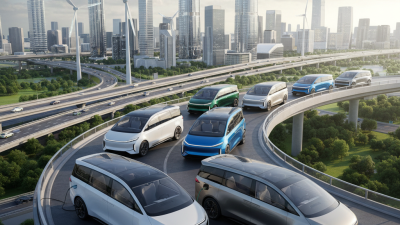
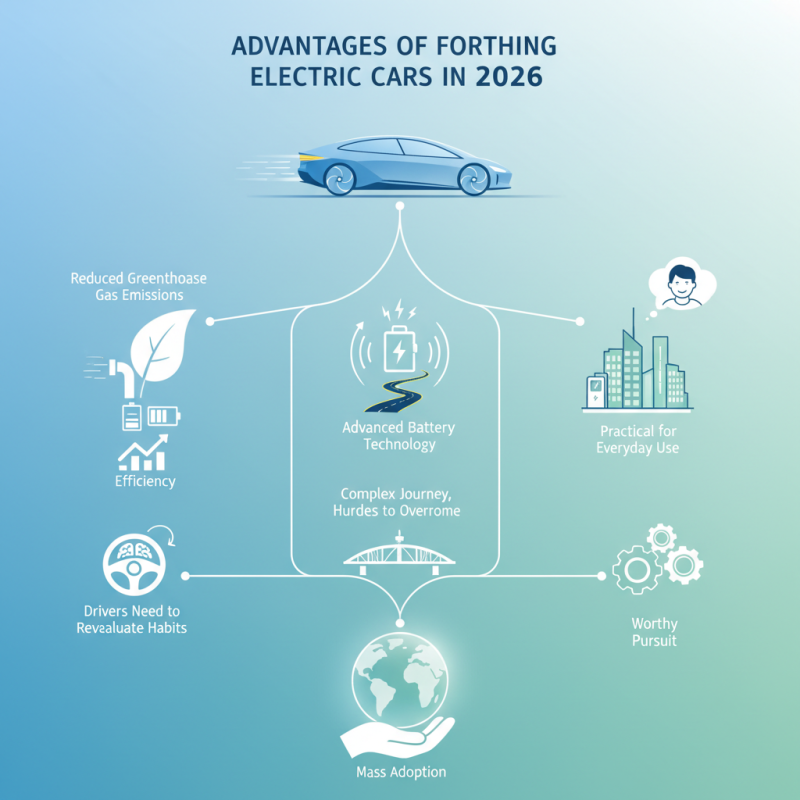
Forthing Electric Cars offer numerous advantages. One key benefit is their efficiency. They operate using electricity, which significantly reduces greenhouse gas emissions. This transition to electric vehicles can lead to better air quality in urban environments. Moreover, advancements in battery technology are extending driving ranges, making electric cars more practical for everyday use.
However, challenges remain, such as charging infrastructure and potential range anxiety. While Forthing Electric Cars can alleviate some of these issues, society must adapt. Drivers need to reevaluate their habits. The journey toward mass adoption is complex, filled with hurdles to overcome. Yet, the potential benefits make it a worthy pursuit.
Advantages of Forthing Electric Cars: Cost Savings and Reduced Maintenance
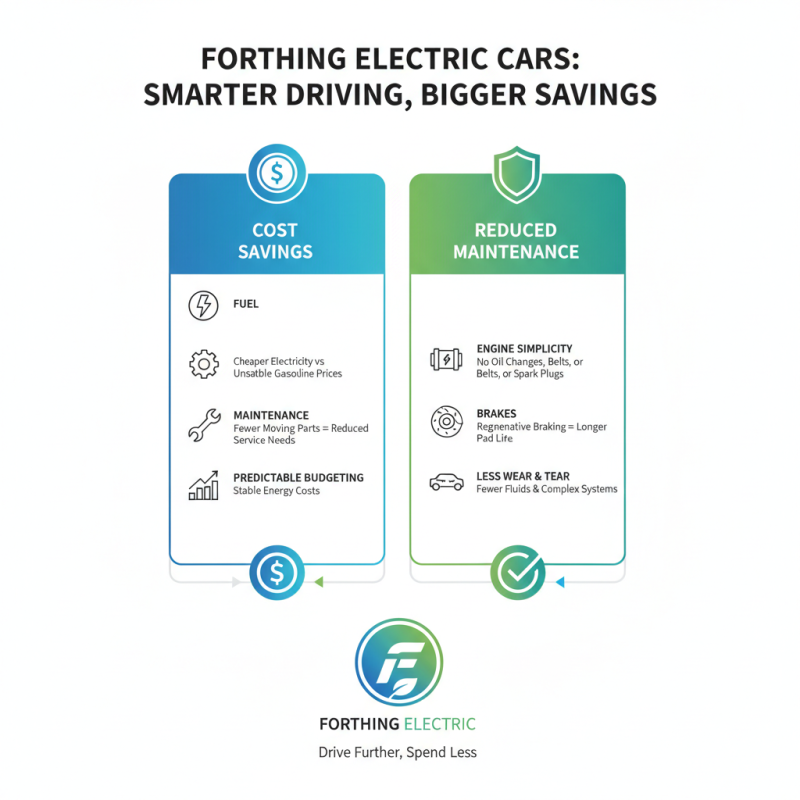
As electric vehicles gain popularity, Forthing electric cars emerge with distinctive advantages. One of the most appealing aspects is cost savings. Electric cars generally offer lower operation costs compared to traditional vehicles. The price of electricity often remains stable, while gasoline prices can fluctuate significantly. This stability provides predictability in budgeting for users.
Maintenance is another crucial benefit. Electric engines have fewer moving parts. This leads to less wear and tear, requiring fewer repairs. Components like brakes and tires may last longer due to regenerative braking features. However, while savings are evident, some question the initial investment. The higher upfront cost of electric vehicles can be daunting for potential buyers.
Despite concerns, studies show that the long-term savings often negate the initial costs. Reliability is increasingly recognized in electric vehicle performance. Once people experience the benefits firsthand, perceptions may shift towards embracing these cars. Electric vehicles, particularly Forthing models, could represent a step toward a sustainable future while ensuring economic advantages for owners.
Environmental Benefits of Forthing Electric Cars: Lower Emissions and Sustainability
Electric cars are making strides toward sustainability. In 2026, their environmental benefits are increasingly clear. These vehicles produce lower emissions than traditional cars. They help reduce the carbon footprint significantly. Some estimates suggest that switching to electric cars can cut emissions by up to 50%. This change contributes to cleaner air and better public health.
The lifecycle of electric cars also supports sustainability. They utilize renewable energy sources for charging when solar or wind power is used. This transition creates a positive feedback loop for the environment. However, the production of batteries still has environmental concerns. Mining for minerals can disrupt ecosystems. It's essential to address these issues and improve battery recycling methods.
Long-term benefits can outweigh these challenges. Shifting to electric vehicles encourages innovation. New technologies can emerge to further enhance sustainability. Communities can benefit from reduced reliance on fossil fuels. It's crucial to consider both the advantages and the complexities of this transition. Dialogues are necessary to improve every aspect of electric car production and life cycle.
Technological Innovations in 2026 Electric Vehicles Enhancing Consumer Experience
In 2026, electric vehicles (EVs) are set to revolutionize the consumer experience, thanks to remarkable technological advancements. One significant innovation is the introduction of advanced battery technologies. The average range of EVs is expected to reach over 400 miles, reducing range anxiety for drivers. Data from industry analysts predict a 30% increase in battery efficiency, leading to faster charging times. Many EVs will boast 80% charge in under 30 minutes, making long trips much more feasible.
Another key feature is the integration of AI-assisted driving systems. These systems are designed to enhance safety and convenience. Real-time traffic data will allow vehicles to optimize routes, potentially reducing travel time by 20%. Additionally, companies report that 75% of new models will include advanced driver-assistance systems, providing a smoother ride. However, consumers need to remain vigilant about over-reliance on technology, as the technology is not foolproof.
Sustainability plays a crucial role in 2026's electric vehicle landscape. Reports show that nearly 90% of manufacturers plan to use recycled materials in vehicle production. Yet, the challenges of recycling outdated EV batteries remain largely unaddressed. This creates a pressing need for effective recycling initiatives. As technology advances, it will be essential to balance eco-friendly practices with practical considerations. Consumers must stay informed to navigate these advancements responsibly.
Government Incentives and Regulations Promoting Electric Vehicle Adoption
Government incentives and regulations are crucial for promoting the adoption of electric vehicles (EVs) in 2026. Data from the International Energy Agency (IEA) indicates that global EV sales surged by 60% in 2022, largely driven by incentives. These include tax credits, rebates, and grants for buyers, which significantly lower the initial cost of EVs. Many governments aim to phase out fossil fuel vehicles by 2035, with over 30 countries committing to this goal.
In addition to financial incentives, regulations play a vital role. Stricter emissions standards encourage manufacturers to invest in greener technologies. The Environmental Protection Agency (EPA) in the U.S. set ambitious targets for automakers, pushing them to produce more zero-emission vehicles. Thus, compliance with these regulations not only benefits the environment but also drives technological innovation, fostering a sustainable automotive market.
Tips: Research local incentives before buying an electric vehicle. Every region has different offerings that could save you money. Consider charging infrastructure as well; not all areas are EV-ready. Understand that while incentives decrease costs, ongoing charging and maintenance also contribute to the total cost of ownership.
Advantages of Forthing Electric Cars in 2026
Market Trends: Growth Statistics and Consumer Preferences in the EV Sector
The electric vehicle (EV) market is poised for remarkable growth in the coming years. According to a recent report by the International Energy Agency, global electric car sales exceeded 6.6 million units in 2021, signaling a 108% increase compared to the previous year. This surge reflects growing consumer preferences for sustainable alternatives to traditional vehicles. Many consumers express a desire for better efficiency and lower long-term costs, which electric cars offer.
In 2026, projections indicate that the total number of electric vehicles on the road may reach 145 million, accounting for 7% of total cars globally. This change is crucial, as consumers become increasingly aware of the environmental impact of their choices. However, the adoption rate varies by region, showcasing significant challenges. Some markets face infrastructure limitations and charging accessibility issues. As highlighted in studies by the McKinsey Global Institute, technological advancements are essential to resolve these obstacles.
Despite the promising forecasts, consumer hesitation remains a factor. According to surveys, the initial purchase price of electric cars is still a barrier for many potential buyers. Additionally, concerns about battery life and resale value contribute to skepticism. Addressing these issues will require concerted efforts from policymakers and manufacturers alike. A reliable approach to these challenges can help cultivate a more informed consumer base.

 T5EVO
T5EVO T5L
T5L T5
T5 Friday
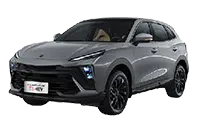 T5 HEV
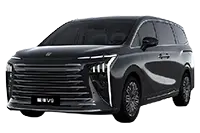 V9
V9 UTOUR (M4)
 M5 EV
M5 EV M5
M5 Lingzhi Plus
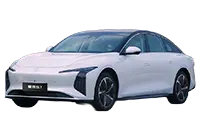 S7
S7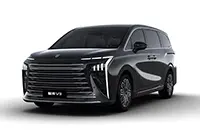 V9 HEV
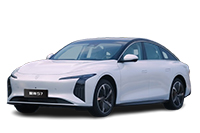 S7
S7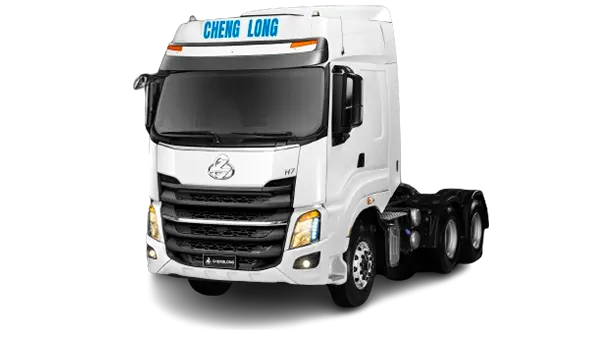 6X4 H7 Tractor
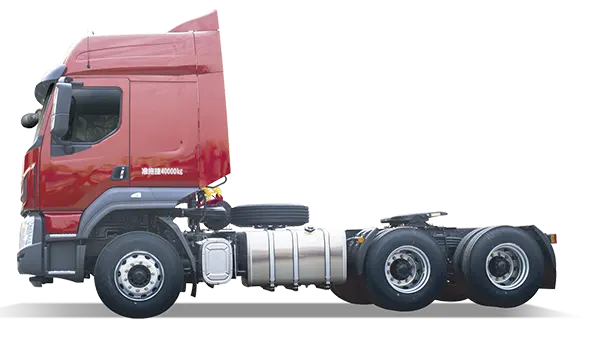 6X4 H5 Tractor
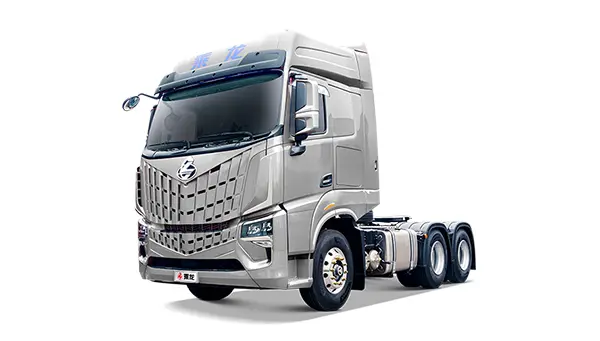 6X4 HK Tractor
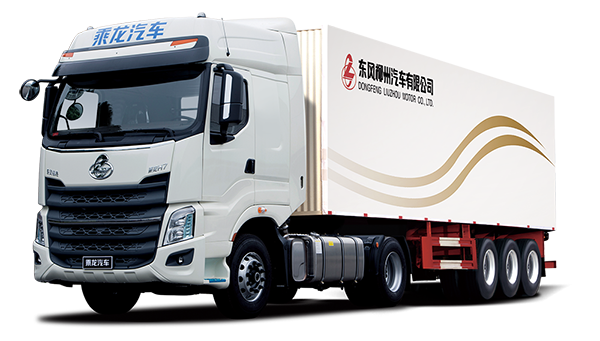 4X2 H7 Tractor
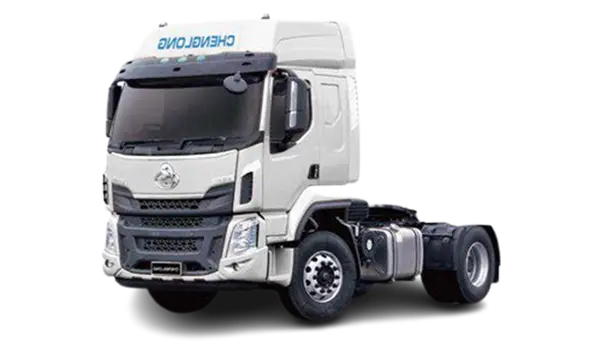 4X2 H5Tractor
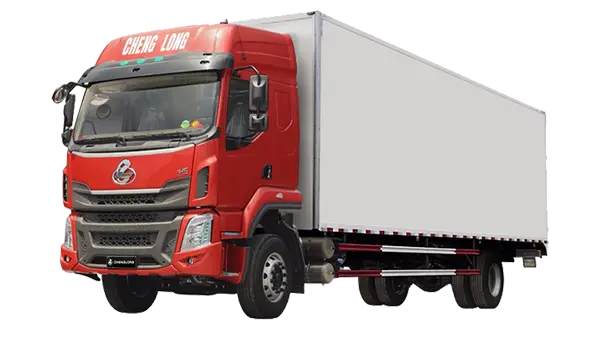 4X2 H5 Cargo Truck
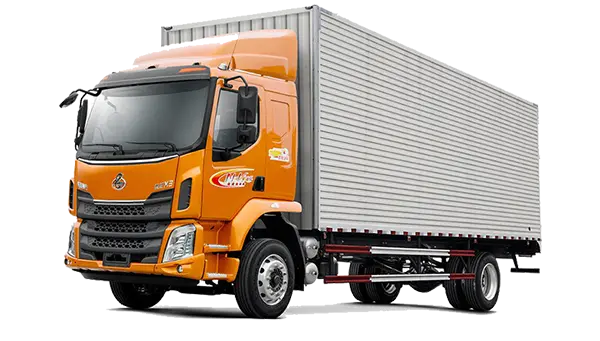 4X2 M3 Cargo Truck
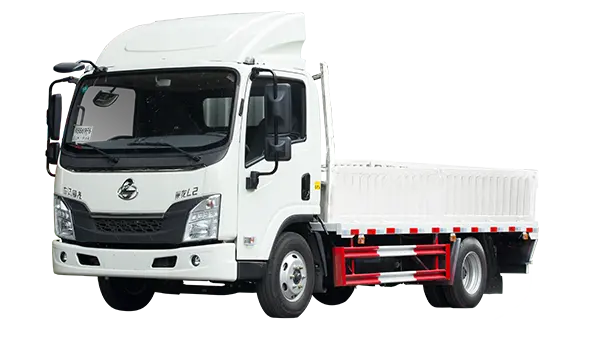 4X2 L2 Cargo Truck
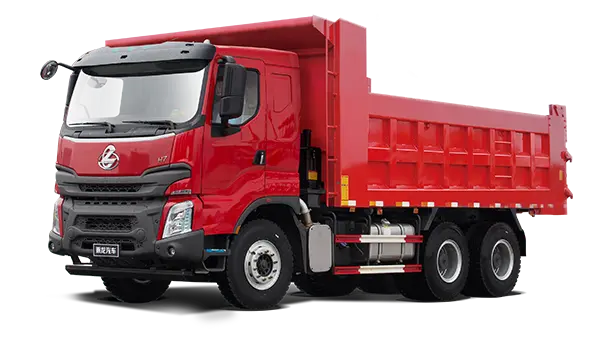 6X4 H7 Dump Truck
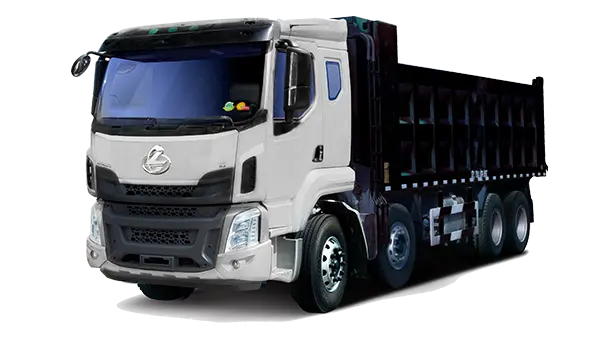 6X4 H5 Dump Truck
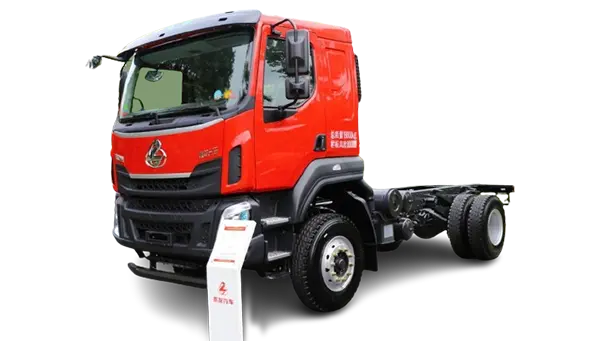 4X2 H5 Dump Truck
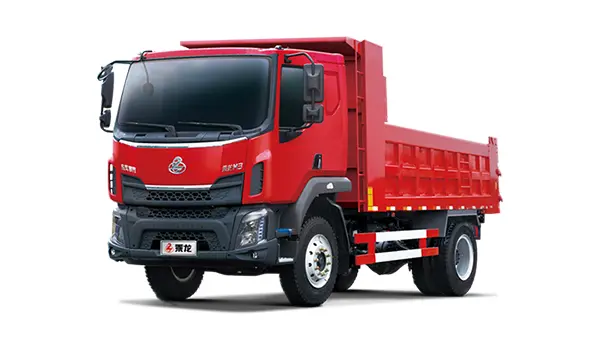 4X2 M3 Dump Truck
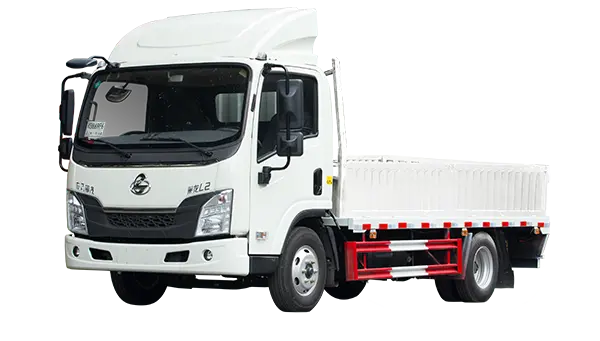 Light Truck L2
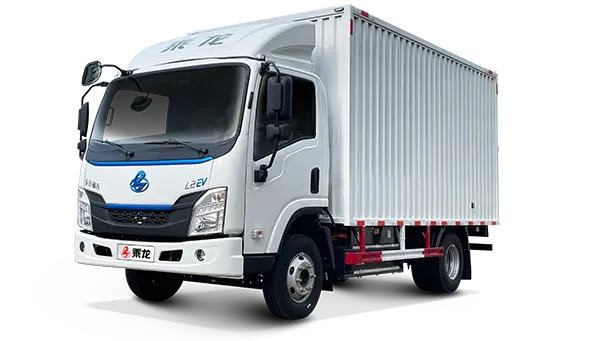 Light Truck L2 EV
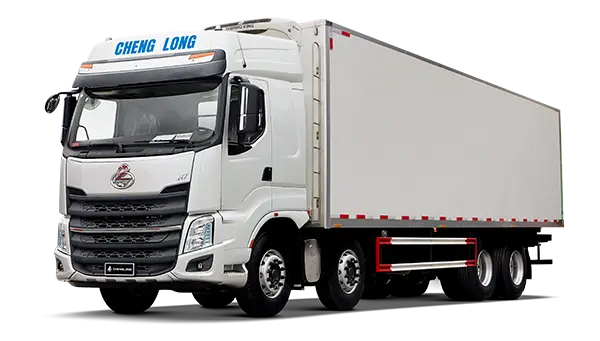 H7 Refrigeratior Truck
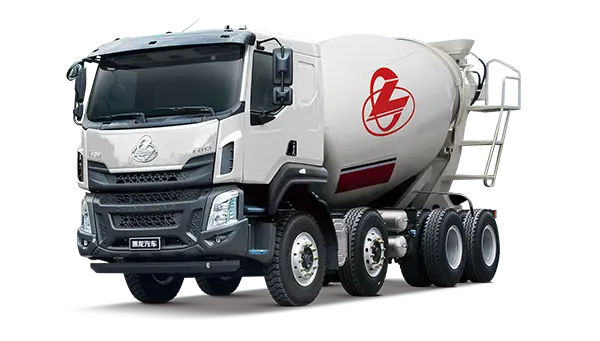 H5 Mixer Truck
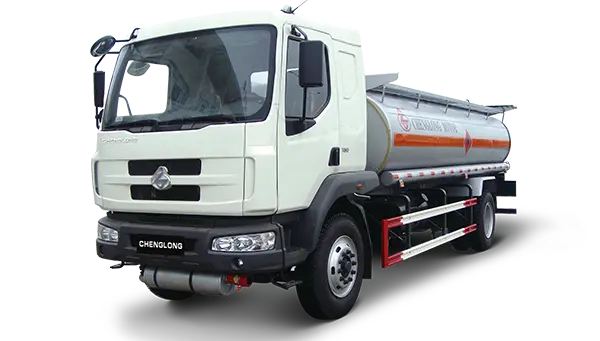 M3 Tank Truck
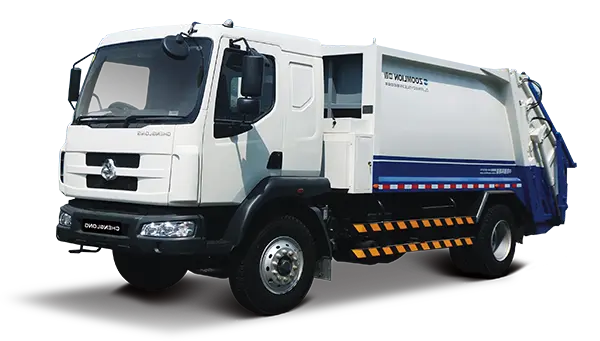 M3 Sanitation Truck
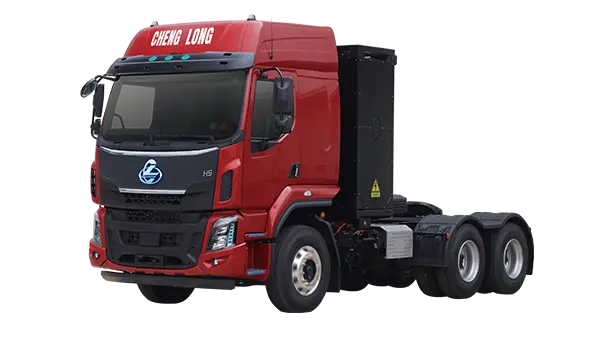 6X4 H7 Electric Truck
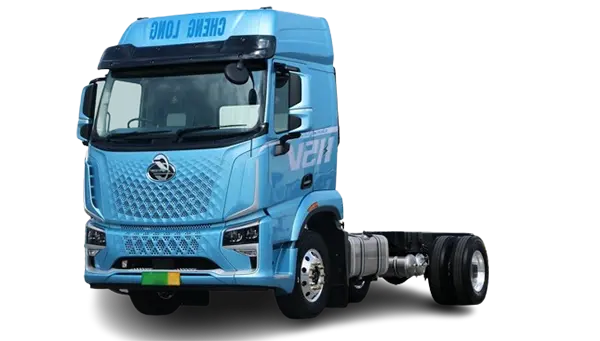 4X2 H5V Electric Truck
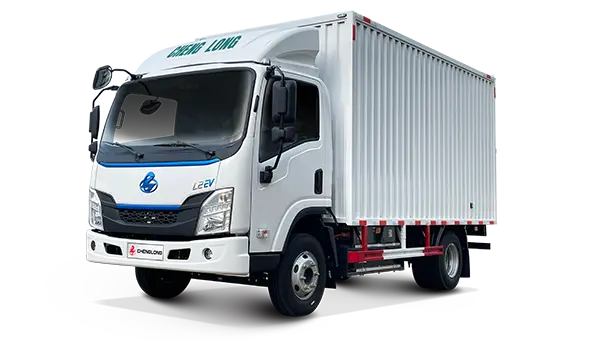 4X2 L2 Electric Truck