10 Best Box Trucks For Rent to Meet Your Moving Needs?
The demand for box trucks for rent has surged in recent years, particularly as more people move for work or lifestyle changes. According to an industry report by IBISWorld, the truck rental industry has seen a growth rate of 3.5% annually over the last five years. This growth emphasizes the increasing need for reliable transportation solutions. Experts like Mike Roberts, a veteran in logistics, note, "Choosing the right box truck can significantly impact a successful move."
Renting box trucks is a practical choice. They provide ample space for furniture and personal items while being easier to maneuver than larger vehicles. However, not all box trucks are created equal. It's essential to consider factors like loading capacity and fuel efficiency. The right vehicle can reduce stress during the moving process.
Nonetheless, many renters overlook crucial details like mileage fees and insurance options, which can add up quickly. Awareness of these potential pitfalls is vital. Renting a box truck can simplify your move—if done carefully and thoughtfully. Understanding available options is key to ensuring a smooth experience.
Top Factors to Consider When Renting a Box Truck
When renting a box truck, consider several key factors.
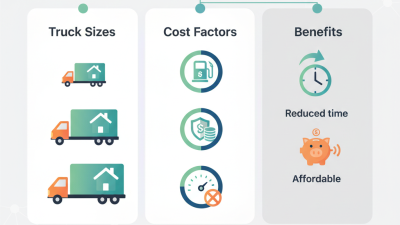
Among these, truck size is paramount.
The right dimensions minimize trips and ensure all belongings fit. According to industry reports, a 10-foot truck is ideal for small moves, while a 26-foot truck serves larger households effectively.
Budget plays a vital role too.
Rental costs can vary based on truck size, rental duration, and mileage. It's crucial to compare prices from various rental establishments.
Unexpected fees may arise, like fuel charges or insurance costs. Always read rental agreements closely to understand all potential expenses.
Tips: Ensure you check your local regulations. Some areas require permits for large vehicles. Always inspect a truck before agreeing to the rental.
Check for damage, mileage, and fuel levels. This can prevent disputes later. It's advisable to book early during peak moving seasons.
Availability may decrease as your moving date approaches.
Comparison of Sizes: Choosing the Right Box Truck for Your Move
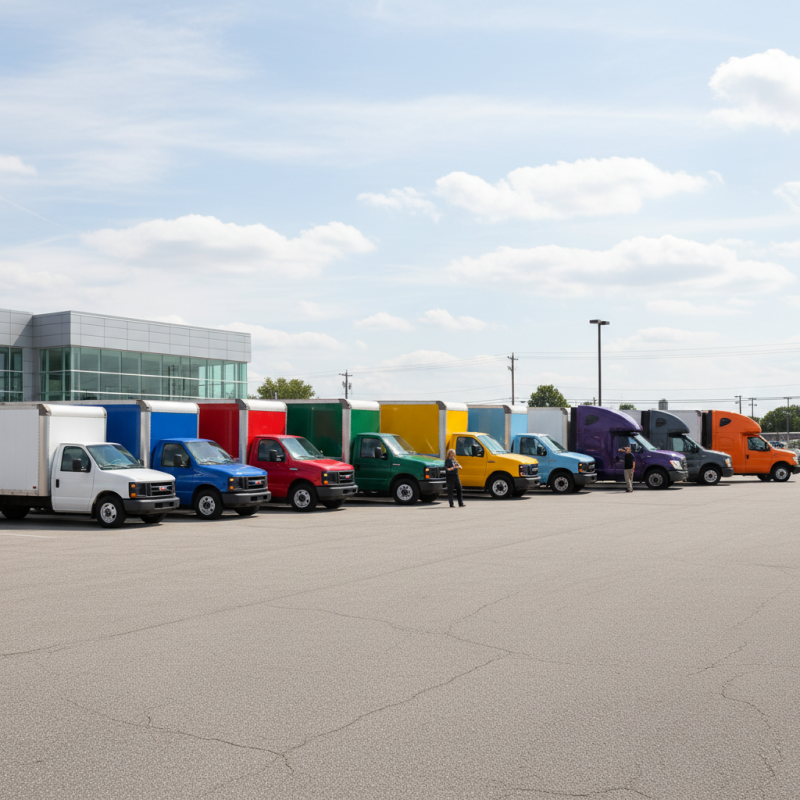
When choosing the right box truck for your move, size is crucial. Box trucks come in various dimensions, which can impact your entire moving experience. If you have a small apartment, a 10-12 foot truck may suffice. These trucks can comfortably fit a few rooms of furniture. However, if you're dealing with a larger home, consider a 16-26 foot truck. These can accommodate the needs of bigger spaces, including larger appliances.
Understanding your requirements helps avoid frustration. Imagine loading your belongings into a truck that’s too small. That can lead to multiple trips and additional stress. It’s also worth noting that a larger truck can be more challenging to maneuver. You might find yourself in tight spaces, trying to park. Always measure your largest items before deciding on a size. This strategy can save time and energy. Ultimately, assess your space and needs carefully to select the appropriate box truck size.
Overview of the 10 Best Box Truck Rental Companies
When looking to rent a box truck, the options can be overwhelming. Many companies offer various sizes and features, making it essential to understand your specific moving needs. Selecting the right rental company for a box truck can save you time and money.
Consider the distance of your move. Some companies charge based on mileage. If you're moving locally, this might be less of a concern. However, for long-distance moves, it’s wise to understand how the fees accumulate. Checking for hidden costs is crucial. Rental agreements can sometimes have fine print that adds unexpected fees.
One tip is to reserve your truck in advance. This ensures availability, especially during peak moving seasons. Last-minute rentals often result in fewer options and higher prices. When picking up the truck, inspect it thoroughly. Look for damage and ensure it’s clean. Document any issues before you drive away. This protects you from charges for pre-existing damage. Remember, your choice of truck plays a vital role in your moving experience.
10 Best Box Trucks For Rent to Meet Your Moving Needs
| Truck Size |
Max Load Capacity (lbs) |
Mileage (mpg) |
Rental Cost (per day) |
Insurance Options |
| 10 ft |
2,500 |
12 |
$100 |
Basic, Full Coverage |
| 12 ft |
3,000 |
10 |
$120 |
Basic, Liability |
| 14 ft |
4,000 |
9 |
$140 |
Full Coverage |
| 16 ft |
5,000 |
8 |
$160 |
Basic, Full Coverage |
| 20 ft |
6,000 |
7 |
$180 |
Liability, Full Coverage |
| 24 ft |
10,000 |
6 |
$200 |
Full Coverage |
Cost Analysis: Rental Prices for Box Trucks in Different Regions
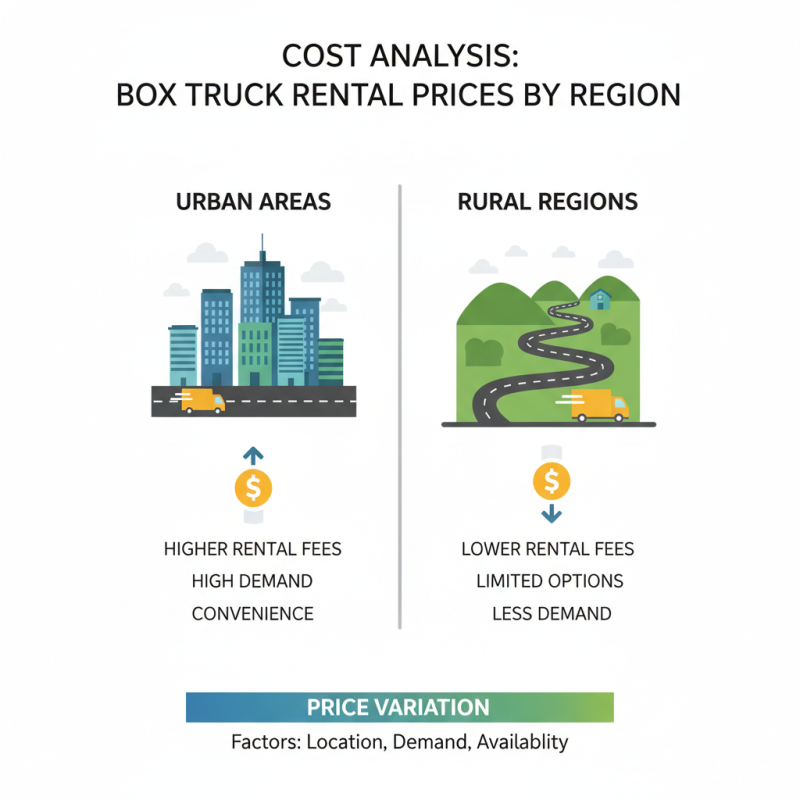
When considering box truck rentals, understanding the cost across different regions is crucial. Prices can vary significantly depending on location. For example, urban areas often have higher rental fees due to demand and convenience. In contrast, rural regions may offer lower prices but might have limited options.
Additionally, various factors impact rental costs. Distance traveled, truck size, and duration all play a role. Rental companies might charge extra for mileage beyond a set limit. Some regions may also include additional fees, such as insurance or fuel surcharges. These details can easily add to the overall cost, making it essential to budget accordingly.
Finally, be aware of seasonal trends. Demand tends to spike in summer months, which could increase rental prices. Planning ahead can lead to better deals. However, last-minute rentals might be necessary in certain situations, and costs may reflect that urgency. Keeping an eye on the regional market can help you make informed decisions.
Customer Reviews and Ratings: Evaluating Your Options
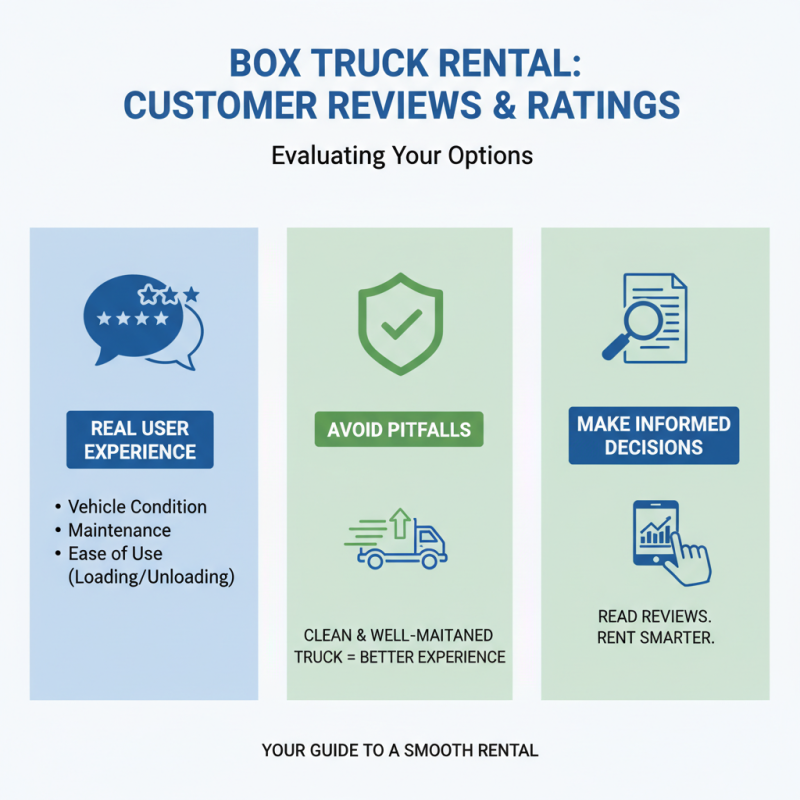
When selecting a box truck for rent, customer reviews play a vital role. These insights can reveal the real user experience. Look for details about vehicle condition, maintenance, and ease of loading and unloading. Many customers share their firsthand experiences, which can help you avoid potential pitfalls. A clean and well-maintained truck can make a big difference.
Ratings also help in comparing options. A truck with a high rating often meets customer expectations. Pay attention to the rental company's responsiveness and support, as this can impact your overall experience. Some reviews mention delays in the pickup process or issues with mileage charges. These reflections can guide you in making an informed choice.
Consider specific features that enhance usability. For example, the availability of loading ramps, internal space layout, and fuel efficiency can all affect your move. Customer feedback often highlights the importance of these features. Embrace the imperfections mentioned in reviews; they can provide vital lessons. Ultimately, gathering this information can facilitate a smoother move.

 T5EVO
T5EVO T5L
T5L T5
T5 Friday
 T5 HEV
 V9
V9 UTOUR (M4)
 M5 EV
M5 EV M5
M5 Lingzhi Plus
 S7
S7 V9 HEV
 S7
S7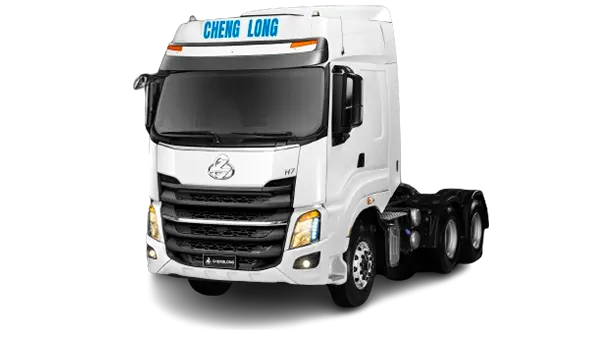 6X4 H7 Tractor
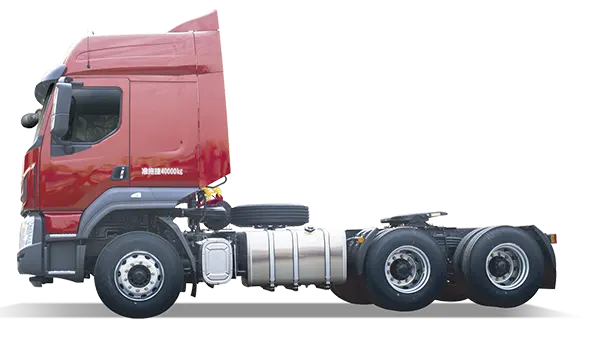 6X4 H5 Tractor
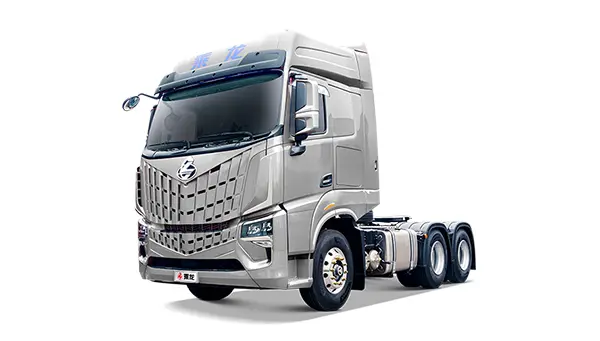 6X4 HK Tractor
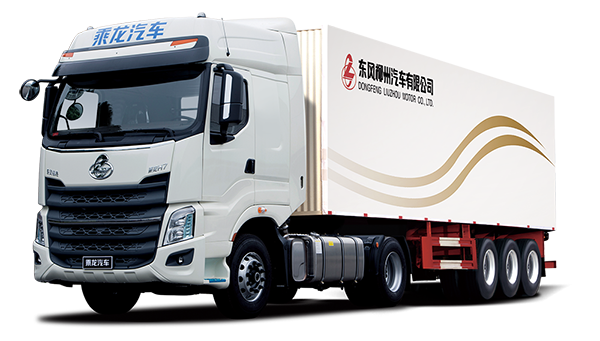 4X2 H7 Tractor
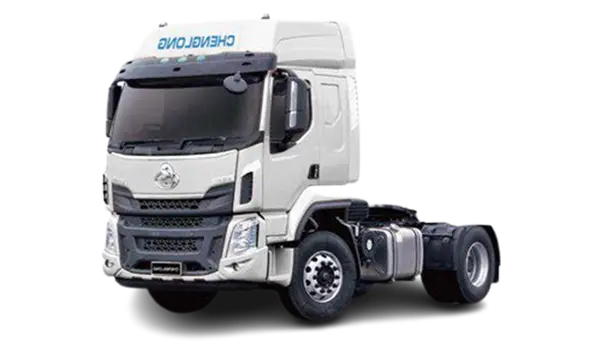 4X2 H5Tractor
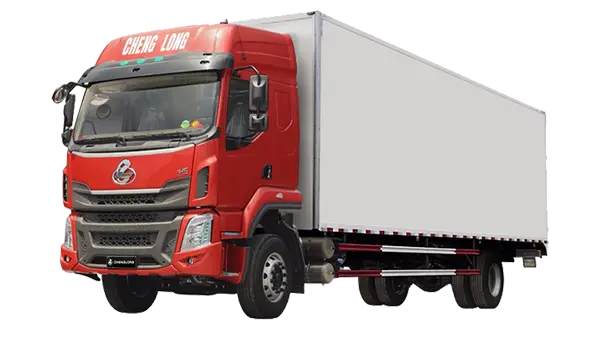 4X2 H5 Cargo Truck
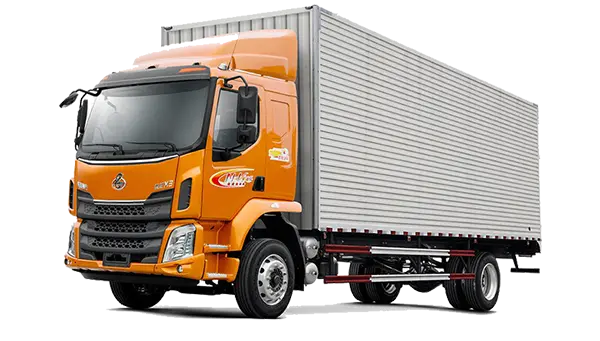 4X2 M3 Cargo Truck
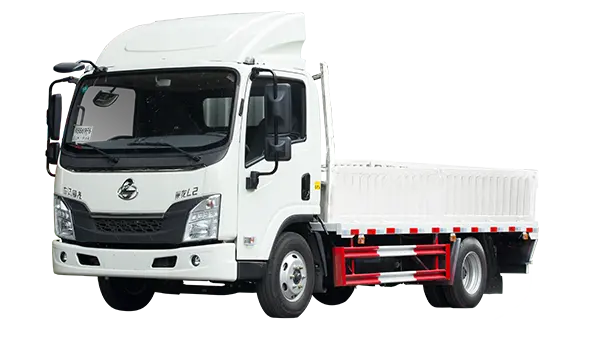 4X2 L2 Cargo Truck
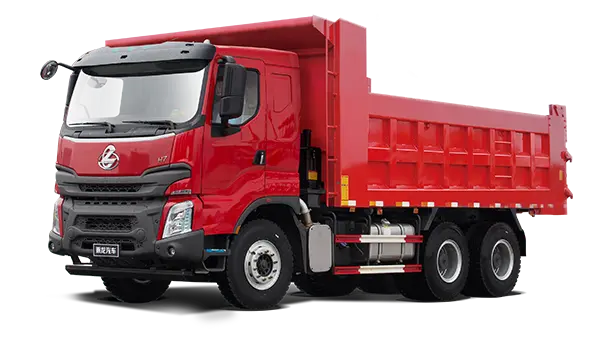 6X4 H7 Dump Truck
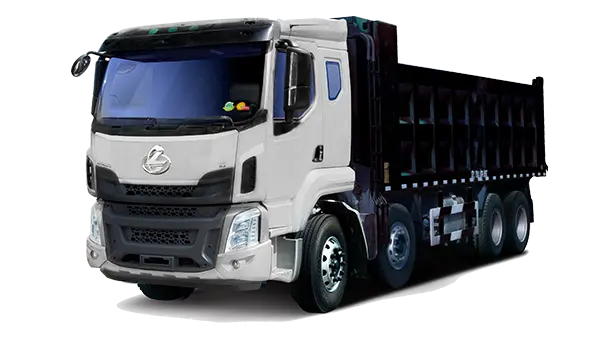 6X4 H5 Dump Truck
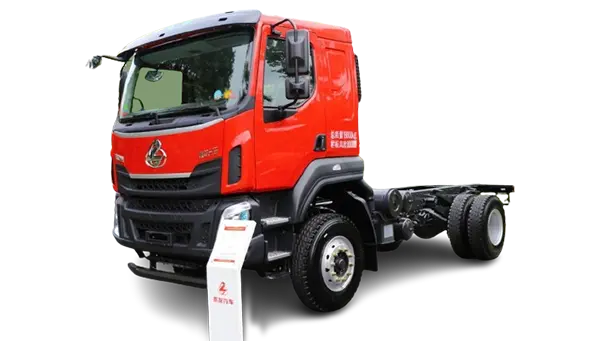 4X2 H5 Dump Truck
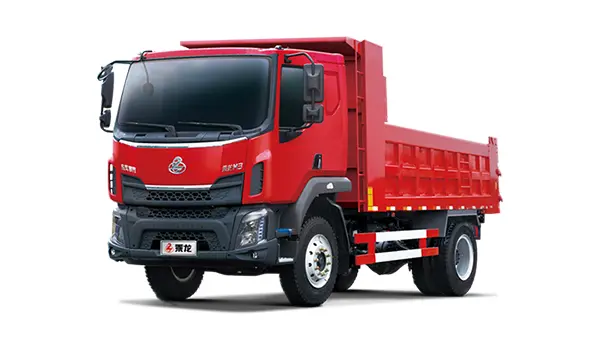 4X2 M3 Dump Truck
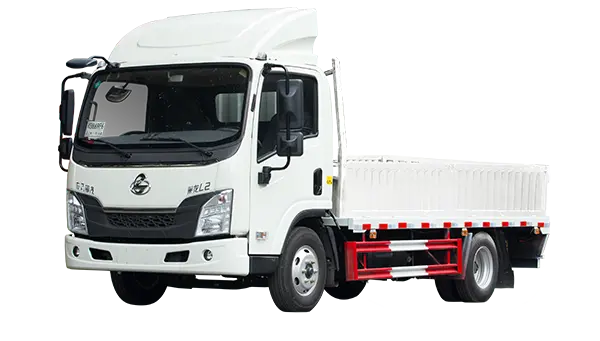 Light Truck L2
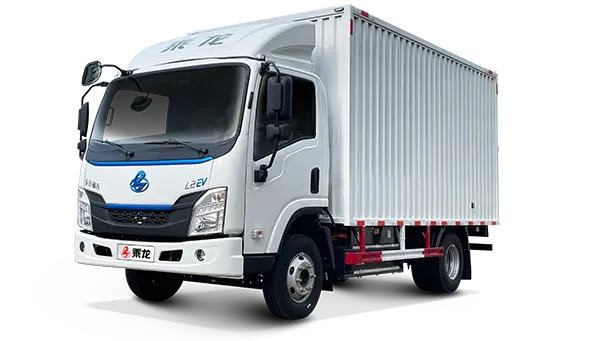 Light Truck L2 EV
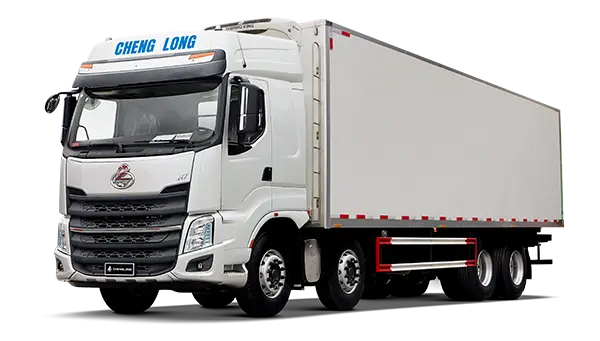 H7 Refrigeratior Truck
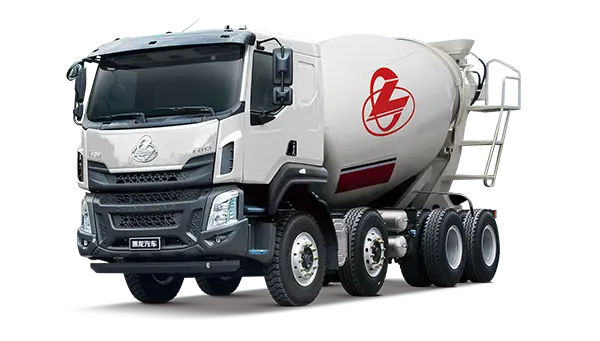 H5 Mixer Truck
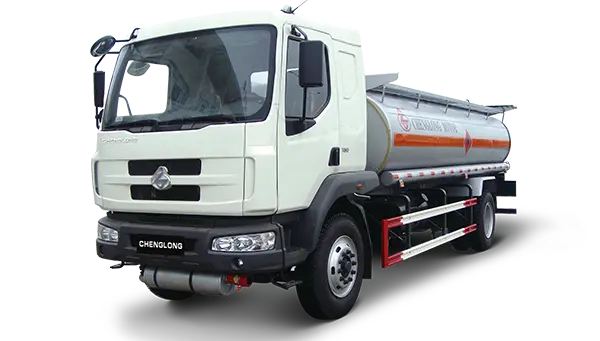 M3 Tank Truck
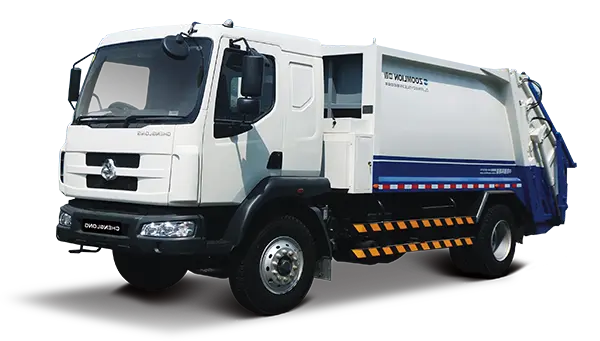 M3 Sanitation Truck
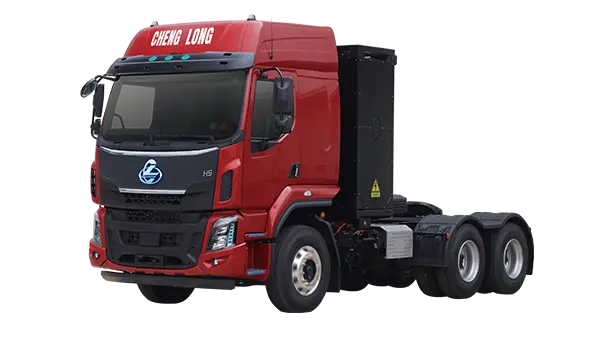 6X4 H7 Electric Truck
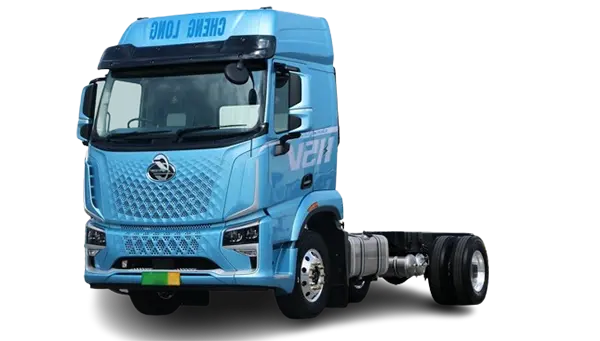 4X2 H5V Electric Truck
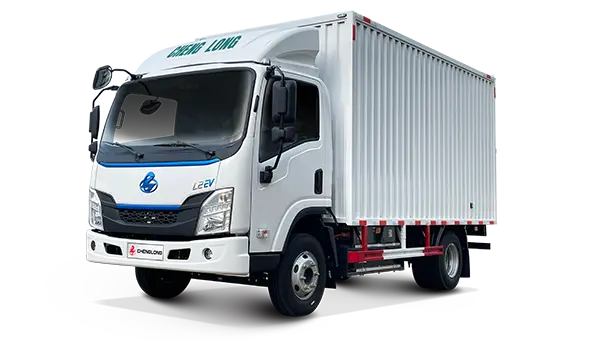 4X2 L2 Electric Truck