inquiry
Leave Your Message

7 Best Dongfeng Motor Group Vehicles for Global Buyers

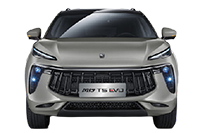
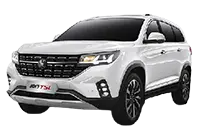
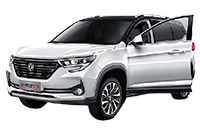
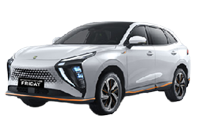
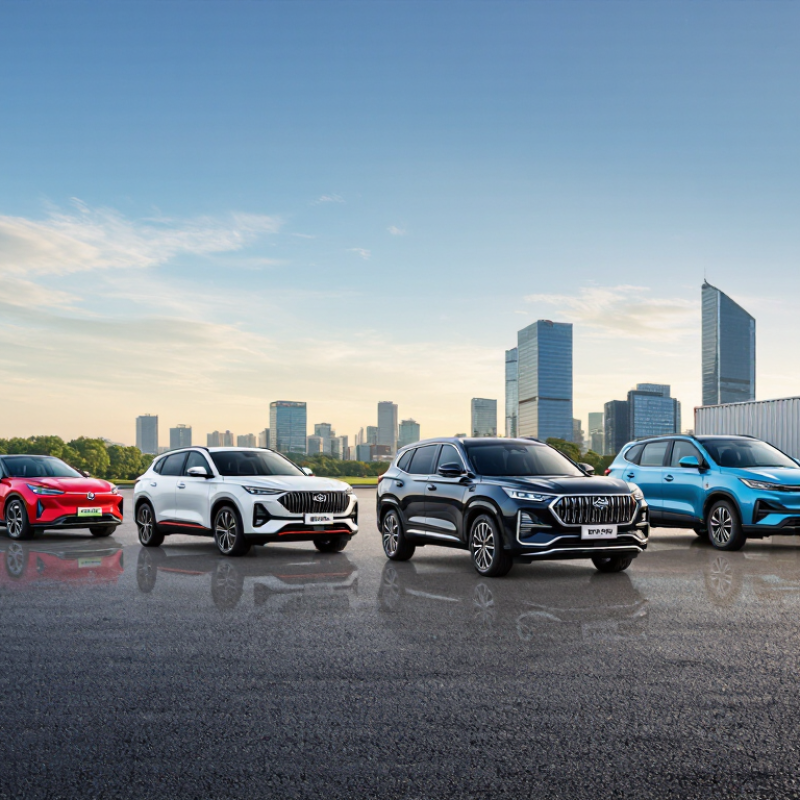
Choosing a vehicle for international use requires more than attractive styling or a competitive price. Dongfeng Motor Group offers a broad portfolio, including family cars, electric models, premium SUVs, and commercial vehicles. Its global presence is growing, but buyers should examine each vehicle’s actual market support.

This guide reviews seven notable Dongfeng vehicles for global buyers. The selection considers driving range, cabin practicality, safety equipment, powertrain choices, comfort, and expected ownership costs. It also considers dealership access, warranty coverage, software support, and replacement-parts availability. These details matter when a vehicle spends years far from its original market.

Some models appear especially convincing on paper. Real-world results can differ. Cold weather, heavy traffic, charging access, and road quality may change the ownership experience. A long claimed range does not guarantee effortless touring. Nor does premium cabin design prove long-term durability. That is worth remembering.

The discussion draws on manufacturer information, vehicle specifications, market observations, and practical buying considerations. However, regional equipment can vary significantly. A model sold in Europe may differ from one offered in Southeast Asia, the Middle East, or South America. Buyers should confirm local certification, service arrangements, charging compatibility, and resale conditions before making a decision.

These seven vehicles are not ranked by appearance alone. Each one serves a different purpose, from affordable daily transport to advanced electric mobility. Some may offer excellent value, while others remain difficult to evaluate because long-term ownership data is limited. That uncertainty deserves honest attention. A careful comparison can help global buyers identify the Dongfeng model that best matches their roads, budget, and expectations.
7 Best Dongfeng Motor Group Vehicles for Global Buyers

Dongfeng Motor Group: Brand Portfolio and Global Market Position

The group has built a broad vehicle portfolio for different driving conditions. It includes compact electric cars, family sedans, SUVs, pickup trucks, and commercial vehicles. This mix supports both private drivers and fleet operators. The electric range suits cities with expanding charging networks. Larger vehicles fit households needing more space and rougher roads. Some models also offer practical cabin layouts, generous ground clearance, and simple controls.

Its global position is growing, but it is not equally strong everywhere. In Southeast Asia, buyers often value affordable ownership and flexible financing. In the Middle East, cooling performance, road durability, and after-sales support can matter more. In Latin America, cargo capacity and repair access may influence fleet decisions. Local assembly and regional partnerships can improve availability. However, service quality may vary between markets. That deserves attention.

From a buyer’s perspective, portfolio strength is only one measure. Warranty terms, parts delivery, software support, and crash-test results need direct comparison. Independent testing remains important. The group’s international image is still developing, and product awareness differs widely. Some vehicles may offer strong equipment for the price, but resale values remain difficult to predict. Buyers should inspect charging access, dealer training, and real-world range before choosing. A promising portfolio still needs consistent local execution.
Key Criteria for Evaluating Dongfeng Vehicles Worldwide

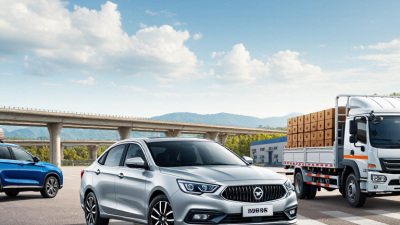
Evaluating seven vehicles for global buyers requires more than comparing price and engine size. Check safety ratings from recognized independent agencies, not only local brochures. Confirm the vehicle’s emissions compliance for your destination. Parts availability matters when a remote repair takes weeks. Warranty coverage should state labor, battery, and corrosion terms clearly.

Cabin space should match daily use. Measure rear legroom with the front seats adjusted normally. Test cargo access with a stroller, luggage, or work equipment. For electric models, examine charging speed, battery warranty, thermal management, and public charger compatibility. For fuel-powered vehicles, compare real-world consumption during traffic, hills, and cold weather. Drive on rough roads if possible. A quiet test route can hide suspension weaknesses. Resale value is harder to predict, especially in unfamiliar markets.

Tips: Request a full service schedule before paying. Verify right-hand or left-hand drive requirements. Ask two local workshops about parts delivery times. Review independent crash-test results. Avoid judging reliability from one owner review. A perfect vehicle does not exist. Some specifications may look impressive but feel inconvenient in daily use. Buyers should record operating costs for six months, including tires, insurance, charging, or fuel. That record may challenge the original purchase decision, but it creates a more reliable comparison.

7 Best Dongfeng Motor Group Vehicles for Global Buyers

Key Criteria for Evaluating Vehicles Worldwide

This screening framework assigns a total of 100 points across seven practical criteria. Safety and operating efficiency receive the highest weights, while ownership support, adaptability, and practicality help assess suitability for diverse international markets.

Seven Standout Dongfeng Vehicles for International Buyers

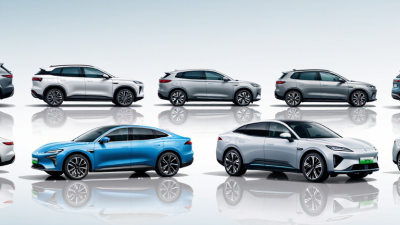
International buyers need more than attractive specifications. They need vehicles that fit local roads, weather, charging access, and service networks. This seven-vehicle range offers practical choices for different driving habits.

The compact electric hatchback suits dense city streets and short commutes. Its small footprint simplifies parking, while quick charging supports busy routines.

The electric sedan adds quieter highway travel and stronger cabin comfort.

A plug-in hybrid crossover offers useful flexibility when public chargers remain limited. It can handle school runs, shopping, and weekend travel without frequent charging stops.

The midsize family SUV brings flexible seating and a larger cargo area. Buyers should inspect third-row space carefully.

The rugged pickup targets construction work, outdoor equipment, and uneven rural roads. Its payload figures matter more than styling.

A premium electric fastback focuses on smooth acceleration, low cabin noise, and long-distance comfort.

The compact petrol SUV may appeal where charging infrastructure is still developing.

Finally, the large electric SUV provides generous passenger room and strong road presence, but its weight can affect efficiency.

I would test each vehicle on familiar routes. Numbers alone can mislead. Check charging standards, warranty coverage, software support, and replacement-part availability before ordering. Some interiors may feel less polished than established rivals. That weakness deserves honest attention. Local crash ratings and registration rules also require verification, because equipment can vary between markets.

Powertrains, Safety Features, Technology, and Practicality Compared

Seven Vehicles for Global Buyers: Powertrains, Safety, Technology, and Practicality Compared

This seven-vehicle range covers urban cars, sedans, SUVs, an MPV, and electric models. The smallest car feels easier in narrow streets. The larger SUV offers stronger highway comfort, but parking becomes less relaxed. Petrol, hybrid, and battery-electric powertrains create different ownership compromises. The electric versions deliver quiet acceleration and low local emissions. However, charging access still shapes daily convenience. The IEA reported nearly 14 million electric cars sold globally in 2023, showing strong momentum. Yet, regional charging gaps remain difficult for many buyers.

Safety deserves careful checking, not quick advertising claims. The World Health Organization recorded about 1.19 million annual road deaths worldwide. Therefore, automatic emergency braking, lane support, blind-spot monitoring, and clear warning displays matter greatly. Euro NCAP assesses adult occupants, children, vulnerable road users, and safety assistance separately. A high crash rating does not guarantee perfect real-world protection. Software menus can feel dense. Published driving range also depends on temperature, speed, and tire choice.

Tips: Compare the exact market specification. Safety equipment can vary by country. Ask about battery warranties and repair networks. Test the rear seats with real luggage. Check charging time, not only battery size. Ignore impressive screen graphics if controls distract the driver. A short road test may reveal suspension noise, awkward visibility, or slow interface responses that brochures rarely mention.

Availability, Ownership Costs, and Regional Buying Considerations

Choosing among seven vehicles for global use requires more than comparing engine power. Availability changes by country, dealer network, and import rules. A compact sedan may suit dense cities, while a pickup or SUV fits rural roads and heavier family use. Electric models need reliable charging access. Check local stock before paying a deposit.

Ownership costs deserve closer attention. Compare fuel or electricity prices, insurance groups, road taxes, scheduled servicing, and replacement parts. A lower purchase price can become expensive if parts travel long distances. Ask for written maintenance intervals and warranty conditions. Include tires, brake wear, and battery coverage. Small costs add up quickly.

Regional conditions also shape the better choice. Hot climates may demand strong cooling systems, while cold regions can reduce electric driving range. Uneven roads favor higher ground clearance and durable suspension. Test the driver’s seat, rear space, visibility, and cargo loading in person. Online specifications can miss practical problems. I would also check independent repair shops before choosing a less common model. That step is easy to overlook. Resale value remains uncertain in some markets, so buyers should avoid assuming rapid depreciation will be harmless. Dealer promises should be verified with local documents, customer reviews, and a pre-delivery inspection. Each vehicle may look suitable on paper, yet regional support often determines whether ownership feels affordable.

7 Best Dongfeng Motor Group Vehicles for Global Buyers - Availability, Ownership Costs, and Regional Buying Considerations
Vehicle Profile Powertrain and Practical Specification Primary Buyer Advantage Indicative Regional Availability Indicative Purchase Price Estimated Annual Energy or Fuel Cost Ownership and Service Considerations Regional Buying Notes
1. Compact Electric Hatchback Battery-electric front-wheel drive; approximately 30–43 kWh battery options; published driving range commonly around 300–430 km under local test cycles; seating for five. Low urban running cost, easy parking, quiet operation, and a relatively low entry price. China Selected Europe Southeast Asia Selected Latin America Approximately US$12,000–US$22,000 before local taxes, shipping, incentives, and registration. About US$350–US$750 when driven 12,000 km per year, depending on electricity prices and charging losses. Battery warranty commonly ranges from 8 years or 160,000 km, subject to market-specific terms. Confirm parts availability and high-voltage technician coverage before purchase. Best suited to cities with dependable public or home charging. Imported versions may require a charging-plug adapter and software-language confirmation.
2. Small Electric Sedan Battery-electric sedan; approximately 40–50 kWh battery capacity; typical published range around 350–500 km under regional test procedures; five-seat cabin with a separate luggage compartment. More efficient highway shape and greater luggage practicality than a small hatchback. China Middle East Southeast Asia Selected African markets Approximately US$16,000–US$27,000 before duties and market-specific equipment. About US$400–US$850 per year at 12,000 km, assuming home and public charging are mixed. Lower routine maintenance than a combustion vehicle, but tires, electronic components, and battery diagnostics can be more expensive if supplied through an independent importer. Check whether the advertised driving range uses CLTC, WLTP, or another test cycle; figures are not directly comparable.
3. Compact Electric SUV Battery-electric crossover with front- or all-wheel drive; roughly 50–70 kWh battery options; published range commonly around 400–550 km depending on battery and test cycle. Higher seating position, flexible cargo space, and a practical balance between city use and family travel. China Europe Middle East South America Approximately US$22,000–US$38,000 before local taxes, incentives, and distributor costs. About US$550–US$1,050 annually at 12,000 km, influenced by vehicle weight and driving speed. Expect periodic inspections, cabin-filter replacement, brake-fluid service, and software updates. All-wheel-drive versions may have higher tire and drivetrain costs. Verify local crash certification, advanced-driver-assistance settings, and whether over-the-air updates work outside the original sales region.
4. Mid-Size Electric SUV Battery-electric family SUV; approximately 70–86 kWh battery; typical published range around 450–600 km; fast-charging capability varies by market and trim. Long-distance comfort, larger cabin, strong acceleration, and useful towing or load capacity on appropriately equipped versions. China Europe Middle East Selected Oceania markets Approximately US$35,000–US$58,000 before destination charges, taxes, and optional equipment. About US$800–US$1,500 per year at 12,000 km, depending on energy rates and highway use. Comprehensive insurance may be higher because of vehicle value and sensor replacement costs. Confirm access to battery cooling-system and high-voltage repair facilities. A home wallbox is strongly recommended. In cold climates, real-world range can be materially below laboratory figures.
5. Plug-In Hybrid Family SUV Petrol-electric plug-in hybrid; battery commonly around 20–40 kWh; electric-only range often approximately 80–200 km under local test procedures; petrol engine supports longer trips. Reduces fuel use for daily commuting while avoiding dependence on a complete public charging network. China Middle East Southeast Asia Selected export markets Approximately US$28,000–US$48,000 before taxes, registration, and import-related costs. About US$700–US$1,700 per year when charged regularly; substantially higher if operated mostly without charging. Requires both combustion-engine servicing and high-voltage-system support. Long-term ownership costs depend heavily on battery warranty and local hybrid expertise. Confirm eligibility for tax incentives, emissions certification, and warranty coverage for the battery after cross-border registration.
6. Premium Electric Fastback Battery-electric performance-oriented liftback or fastback; approximately 80–110 kWh battery; published range commonly around 500–700 km; dual-motor versions may provide all-wheel drive. Strong performance, premium equipment, advanced cabin technology, and long-distance touring ability. China Europe Gulf markets Limited export territories Approximately US$45,000–US$75,000 before luxury taxes, shipping, and local options. About US$900–US$1,800 annually at 12,000 km; performance tires and high-speed driving can increase the total. Higher insurance, tire, and body-repair expenses than mainstream vehicles. Confirm local calibration of driver-assistance systems and availability of specialized repair tools. The most important checks are type approval, charging compatibility, navigation-map support, and the presence of an authorized premium-service network.
7. Large Electric Off-Road SUV Large battery-electric SUV or extended-range off-road vehicle; battery capacity commonly above 100 kWh on full-electric versions; six- or seven-seat layouts may be available; real-world range varies significantly with weight, tires, and terrain. Maximum passenger space, high ground clearance, substantial equipment levels, and strong all-weather capability. China Gulf markets Selected Africa Limited specialist imports Approximately US$55,000–US$100,000 or more before import duty, luxury taxes, and registration. About US$1,300–US$2,800 annually at 12,000 km; off-road use, towing, and large tires can raise consumption considerably. Higher tire, suspension, insurance, and collision-repair costs. Buyers should confirm battery isolation procedures, towing support, and parts logistics in remote areas. Check vehicle width, parking compatibility, charging access, local safety certification, and whether the warranty remains valid after private importation.
Cost and availability note: Prices, range figures, taxes, warranty terms, equipment, and market access vary by country, model year, trim level, exchange rate, homologation status, and distributor. The figures above are indicative planning values in U.S. dollars and should be verified with an authorized local seller before purchase.