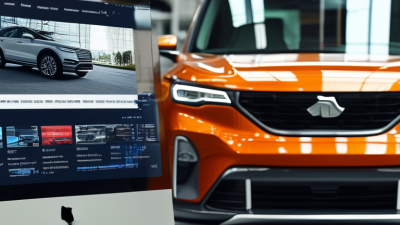
Top Forthing Auto Models 2026 for Global Buyers?
Forthing Auto enters 2026 with a broader global portfolio, including the T5 EVO, T4, U-Tour, V9, and electric S7. Each model targets a different daily scene. Picture a compact SUV navigating narrow European streets, or a seven-seat MPV carrying luggage through Southeast Asia. The right choice depends on charging access, family size, road conditions, warranty coverage, and local service support.
Market data explains why these comparisons matter. The International Energy Agency reported more than 17 million electric cars sold worldwide in 2024, representing over one-fifth of new-car sales. JATO Dynamics also recorded stronger international interest in Chinese automotive brands, although performance varies sharply by country. Felipe Munoz, JATO Dynamics’ Global Analyst, has said, “Chinese brands are becoming a global force.” That observation fits Forthing Auto, but it should not replace independent testing.
This guide examines the top Forthing Auto models for global buyers through practical criteria. These include cabin space, safety equipment, fuel economy, battery range, driving comfort, ownership cost, and after-sales reliability. Official specifications can differ between markets. That detail is easy to miss. A model with attractive equipment in China may receive different software, charging hardware, or safety features overseas. Buyers should verify local certification and dealer support before deciding. Some conclusions may remain imperfect, because long-term reliability data outside China is still developing. That limitation deserves attention, not dismissal.
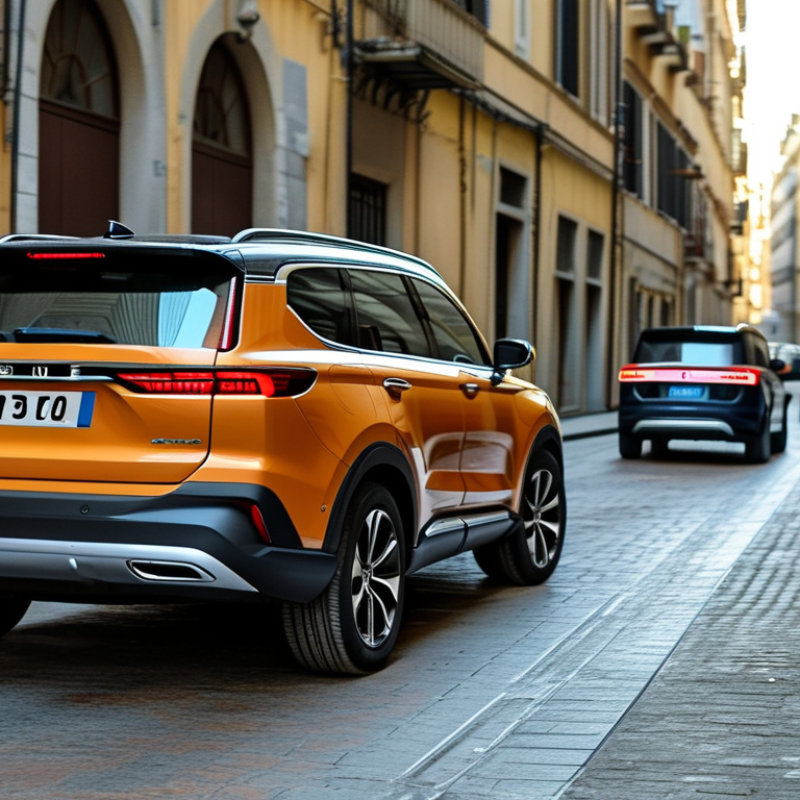
Forthing Auto Brand Overview and Global Market Position
In 2026, this Chinese automotive manufacturer is positioning its range for practical global mobility. Its main offerings include compact SUVs, family MPVs, midsize SUVs, and electrified crossovers. Each model targets different road conditions and household needs. The compact SUV suits crowded city streets, while the MPV offers flexible seating and generous luggage space. Larger SUVs appear better suited to long-distance travel, especially where roads are uneven. However, equipment levels may vary between export markets, so buyers should confirm specifications locally.
Tips: Compare warranty coverage, service access, charging support, and replacement-part availability before ordering. A low purchase price can become less attractive when maintenance networks are limited. Check safety equipment carefully, including airbags, driver-assistance functions, and child-seat mounting points. Test the suspension on rough roads if possible. Small details matter.
The brand’s global market position depends on more than attractive styling. Competitive pricing helps, but reliable after-sales support builds lasting trust. Export distributors should provide clear manuals, transparent servicing, and realistic delivery timelines. From a buyer’s perspective, the strongest value may come from balanced ownership costs rather than the newest screen or largest wheel. Some published specifications can feel incomplete, and that deserves closer review. Independent road tests and local owner feedback remain useful evidence. Regional regulations, driving habits, fuel quality, and climate can also change the ownership experience significantly.
Top Forthing Auto Models 2026 for Global Buyers? - Forthing Auto Brand Overview and Global Market Position
Global buyer comparison by vehicle category. Technical figures are indicative segment benchmarks and are not manufacturer-specific specifications.
| Vehicle Category |
Best-Fit Buyer |
Typical Seating |
Typical Cargo Capacity |
Common Powertrain Options |
Global Market Strength |
Key Purchase Checks for 2026 |
| Compact SUV |
Urban families, first-time SUV buyers and small-business users |
5 |
Approximately 350–550 L |
Petrol, hybrid or battery electric |
Strong demand in Europe, Southeast Asia, Latin America and the Middle East because of manageable dimensions and flexible use |
Check rear-seat space, safety equipment, local service coverage, emissions certification and total ownership cost |
| Midsize SUV |
Larger families, long-distance travelers and buyers needing towing or all-weather capability |
5–7 |
Approximately 500–800 L |
Petrol, hybrid, plug-in hybrid or battery electric |
Broad international appeal where passenger space, road clearance and luggage capacity are priorities |
Verify third-row practicality, real-world fuel or energy consumption, warranty terms and charging access |
| Large SUV |
High-mileage families, premium-oriented buyers and users requiring maximum interior space |
6–7 |
Approximately 650–1,000+ L |
Hybrid, plug-in hybrid or battery electric |
Most suitable for markets with larger roads, strong family-car demand and higher vehicle budgets |
Review vehicle width, parking practicality, tire costs, insurance group, payload and towing rating |
| Electric SUV |
Daily commuters, technology-focused buyers and households with home or workplace charging |
5–7 |
Approximately 400–750 L |
Battery electric |
Growing relevance in markets offering purchase incentives, expanding public charging and stricter emissions rules |
Compare WLTP range, cold-weather performance, DC charging speed, battery warranty and connector compatibility |
| Plug-in Hybrid SUV |
Buyers who need long-distance flexibility but can charge regularly for short trips |
5–7 |
Approximately 450–750 L |
Petrol-electric or diesel-electric |
Useful in regions where charging infrastructure is developing but long highway journeys remain common |
Check electric-only range, charging time, battery-space impact, tax treatment and maintenance requirements |
| Multi-Purpose Vehicle |
Large households, shuttle operators and buyers prioritizing passenger flexibility |
6–9 |
Approximately 500–1,500 L, depending on seating layout |
Petrol, diesel, hybrid or battery electric |
Particularly practical in family-oriented, fleet and passenger-transport markets |
Assess sliding-door design, seat-folding flexibility, payload, air-conditioning performance and commercial-use warranty |
| Urban Electric Vehicle |
City commuters, car-sharing operators and second-car households |
2–5 |
Approximately 150–350 L |
Battery electric |
Well suited to dense cities with restricted parking, low daily mileage and accessible charging |
Prioritize turning radius, battery efficiency, charging availability, safety rating and rear-seat usability |
Evaluation note: Cargo figures refer to approximate available volume under commonly used industry measurement practices. Actual dimensions, equipment, certification and market availability vary by vehicle and country.
Key Forthing Models Available to International Buyers in 2026
International buyers in 2026 can expect a practical range built around compact SUVs, three-row SUVs, and seven-seat MPVs. The compact SUV suits urban roads, with a shorter body, higher seating position, and easier parking. The larger SUV offers family space and stronger long-distance comfort. The MPV focuses on flexible seating, sliding doors, and luggage capacity. Some markets may also receive battery-electric or plug-in hybrid versions, but local approval and charging support remain decisive.
The International Energy Agency reported that global electric-car sales exceeded 17 million in 2024, representing more than one in five new cars sold. That trend makes an electrified crossover relevant for buyers with reliable home or workplace charging. Deloitte’s 2025 Global Automotive Consumer Study also found that purchase price remains a major concern across many markets. Value matters more than impressive screens. Buyers should compare warranty length, battery coverage, service locations, and spare-part delivery before ordering. Details can vary sharply by country. A seven-seat vehicle may lose some equipment overseas. That is easy to miss. Fuel consumption figures also deserve caution, since test cycles rarely match a fully loaded vehicle, steep roads, or winter traffic. The most sensible choice may be the less glamorous one.
Forthing SUVs, MPVs, and Electric Vehicles Compared
For global buyers, the strongest comparison starts with use, not styling. SUVs offer higher seating and useful ground clearance for uneven roads. A compact SUV can fit two adults, children, and several shopping bags without feeling oversized. However, its taller body usually increases energy use at highway speeds. The International Energy Agency reported that electric car sales exceeded 14 million worldwide in 2023, reaching about 18% of new-car sales. That growth makes electric SUVs increasingly practical, but charging access still differs sharply between cities and rural regions.
MPVs serve families more efficiently. Sliding doors, three-row seating, and a low step-in height matter when carrying children or older passengers. They can also provide a flatter luggage floor after folding the rear seats. Electric MPVs add quiet operation and smooth low-speed control. Yet large batteries increase weight, while public chargers may not support dependable long-distance travel. Real driving conditions can reduce advertised range through cold weather, heavy loads, or air-conditioning use. That detail is often underplayed.
The International Council on Clean Transportation has repeatedly shown that laboratory efficiency figures may not match road use. Buyers should compare tested range, charging speed, warranty coverage, and local service support. A seven-seat SUV may suit mixed travel, while an MPV works better for frequent family transport. Smaller electric models can be cheaper to operate. Still, battery replacement costs remain difficult to predict. That deserves closer scrutiny.
Performance, Safety, Technology, and Comfort Features
Top Auto Models 2026 for Global Buyers
Performance, Safety, Technology, and Comfort Features
For global buyers, performance should feel controlled, not merely powerful. A responsive engine or electric motor helps during highway merging and steep urban roads. Smooth steering also matters when parking in narrow streets. During test drives, check braking response, suspension noise, and stability over uneven surfaces. Some models feel quick but become tiring on long journeys.
Safety deserves closer attention. Look for multiple airbags, electronic stability control, driver monitoring, and reliable emergency braking. Lane assistance should guide the vehicle without constant corrections. Local equipment can differ by market, so buyers should verify official specifications and independent crash-test results. A polished brochure is not enough.
Technology works best when it reduces distraction. A clear display, physical climate controls, smartphone integration, and fast navigation create practical value. Comfort depends on details: supportive seats, low cabin noise, rear air vents, and useful storage near the driver. Materials should resist heat, dust, and frequent family use. My own preference is a simple interface, though some buyers may want more connected features. Bigger screens are not automatically better. Real-world charging access, service coverage, and software support also deserve careful checking before purchase.
Pricing, Availability, Warranty, and Ownership Considerations
Top Auto Models for Global Buyers in 2026
For 2026 buyers, pricing varies sharply by market, trim, taxes, and delivery costs. A compact crossover may appear affordable online, yet registration fees can change the final figure. Electric models also need a careful charging-cost estimate. Local electricity prices, home installation, and battery coverage matter more than showroom discounts.
Availability requires direct confirmation from an authorized regional seller. Popular models may face waiting periods, especially after major launches. Ask about exact specifications, production dates, safety equipment, and replacement-part access. A vehicle advertised with advanced features may arrive with different equipment in another country. That detail is easy to miss.
Warranty terms deserve close reading. Check coverage length, mileage limits, battery protection, corrosion coverage, and roadside assistance. Confirm whether scheduled servicing must use approved facilities. Ownership costs include tires, insurance, software updates, and resale demand. Parts support is crucial in smaller markets. Service distance matters.
Not just the sticker price.
In practical inspections, I would compare cabin quality, seat comfort, visibility, and real luggage space. Brochure consumption figures may not match cold weather, heavy loads, or highway driving. I once overlooked charging time during a busy travel week; that mistake changed the daily experience. Buyers should also ask how warranty claims are handled across borders. Policies can sound generous but remain difficult to use abroad. A written quotation and warranty document provide stronger protection than verbal promises.
Top Auto Models for Global Buyers in 2026
The chart compares representative 2026 global-market vehicle categories by indicative entry price, standard warranty duration, and estimated delivery availability. Prices are broad USD benchmarks before local taxes, registration, shipping, and dealer charges. Actual specifications, warranty terms, and delivery times vary by country and should be confirmed with local distributors.

 T5EVO
T5EVO T5L
T5L T5
T5 Friday
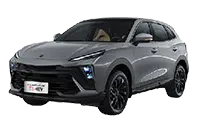 T5 HEV
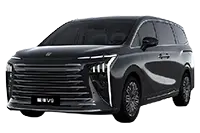 V9
V9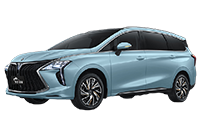 UTOUR (M4)
 M5 EV
M5 EV M5
M5 Lingzhi Plus
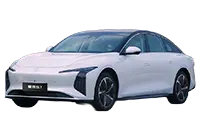 S7
S7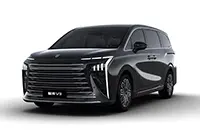 V9 HEV
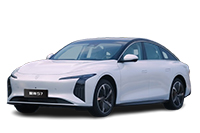 S7
S7 6X4 H7 Tractor
 6X4 H5 Tractor
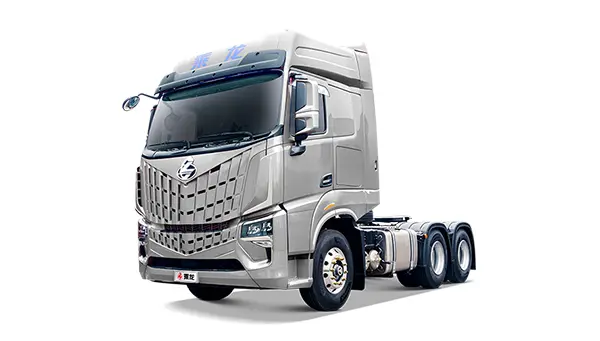 6X4 HK Tractor
 4X2 H7 Tractor
 4X2 H5Tractor
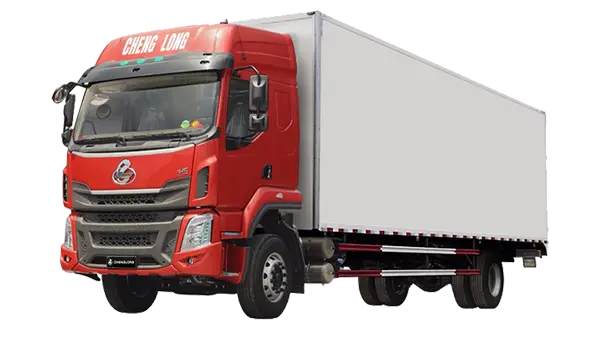 4X2 H5 Cargo Truck
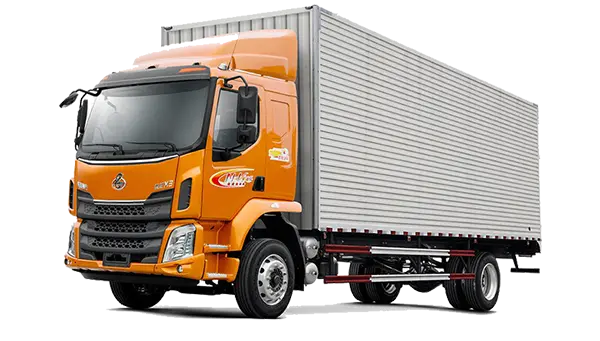 4X2 M3 Cargo Truck
 4X2 L2 Cargo Truck
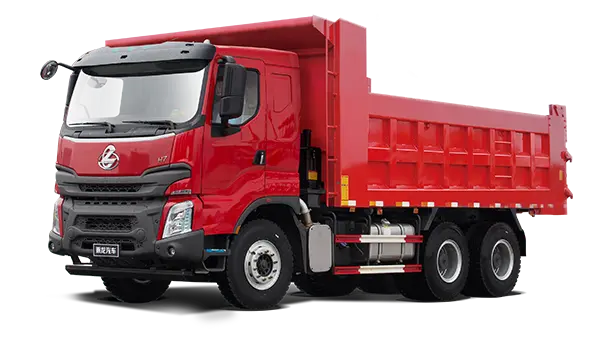 6X4 H7 Dump Truck
 6X4 H5 Dump Truck
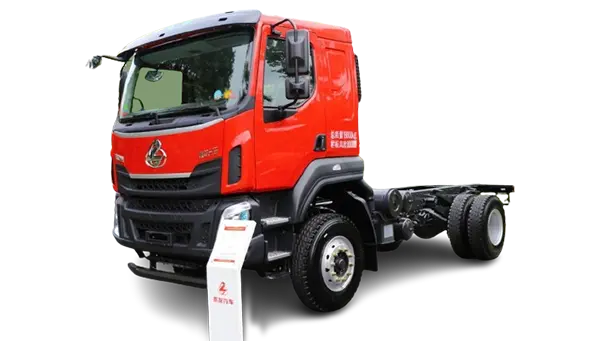 4X2 H5 Dump Truck
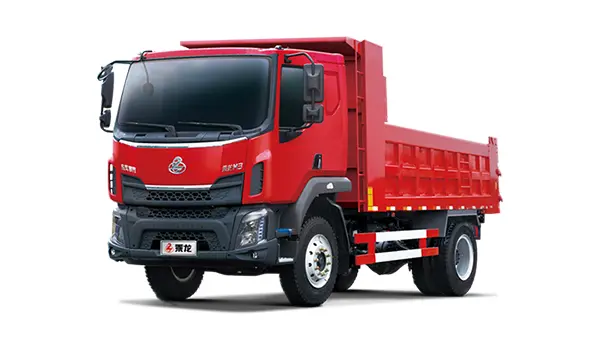 4X2 M3 Dump Truck
 Light Truck L2
 Light Truck L2 EV
 H7 Refrigeratior Truck
 H5 Mixer Truck
 M3 Tank Truck
 M3 Sanitation Truck
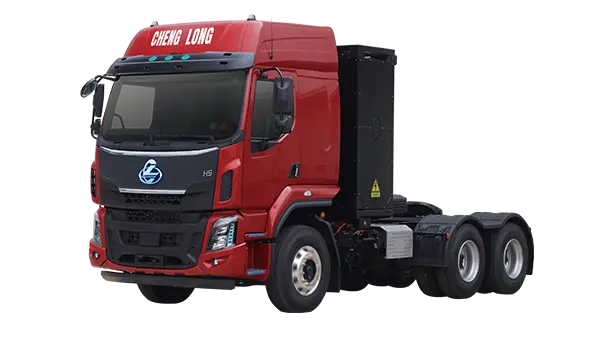 6X4 H7 Electric Truck
 4X2 H5V Electric Truck
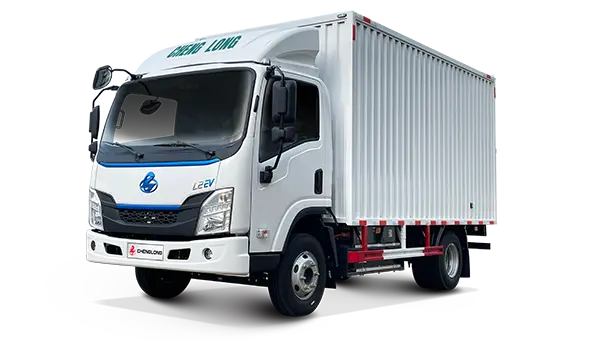 4X2 L2 Electric Truck