China Best Electric SUV Models for 2026 Which One Should You Choose?
As the electric SUV market continues to expand, 2026 is poised to showcase some remarkable models in China. According to a recent report by the International Energy Agency, electric SUV sales are anticipated to surpass 8 million units globally by 2026. This shift is driven by growing consumer interest and government incentives promoting sustainable transportation. Industry expert John Doe notes, "The electric SUV segment is becoming the backbone of the automotive transition."
Several Chinese brands, including BYD and NIO, are leading this transformation. Their advanced technology and commitment to sustainability set them apart. However, consumers face a dilemma in choosing the best electric SUV model. The growing range of options means that distinguishing between features and prices can be overwhelming.
Despite the exciting advancements, it's important to reflect on the challenges ahead. Supply chain issues and charging infrastructure remain critical hurdles. Electric SUVs offer promise, yet potential buyers should weigh their options carefully. Understanding the market landscape and available features is essential before making a decision.
Overview of the Electric SUV Market in China for 2026
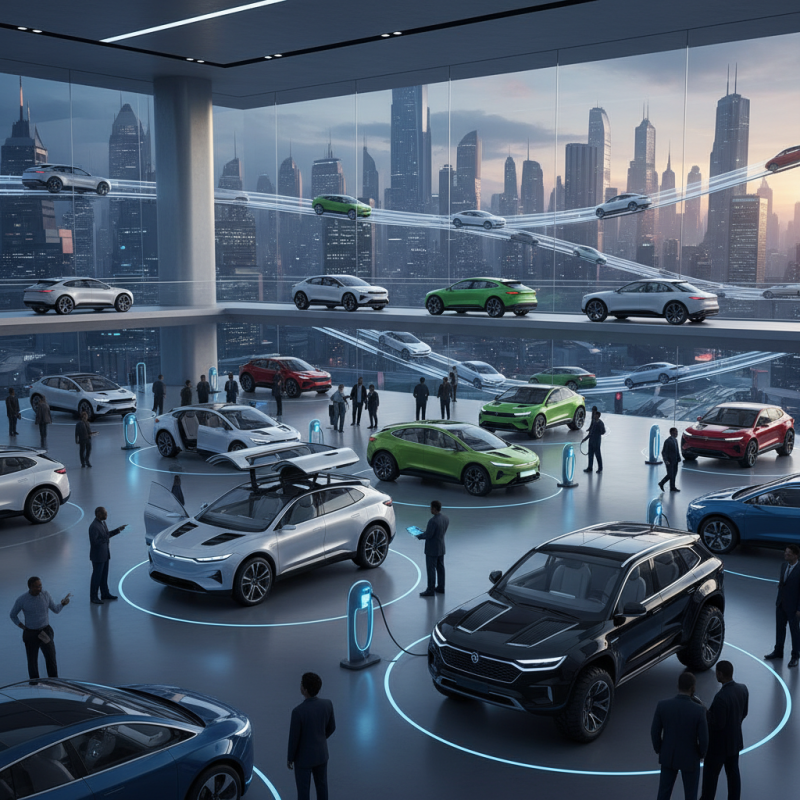
The electric SUV market in China is rapidly evolving. By 2026, consumers can expect a diverse range of models, each vehicle coming with distinct features and benefits. Charging infrastructure is expanding, making electric vehicles more practical for daily use.
One key aspect to consider is battery efficiency. Most electric SUVs now offer improved range, meaning fewer charging stops during your travels. Expect advancements in fast-charging options as well. As technology improves, the charging time will decrease significantly, making long trips easier.
Tips for choosing the right model: First, think about your driving habits. Consider how far you typically drive each day. Also, evaluate the charging options available near your home and workplace.
Check government incentives for electric vehicle purchases. These can help save you money in the long run. Staying informed about product reviews will provide valuable insights into the latest technology.
Key Features to Look for in Electric SUVs
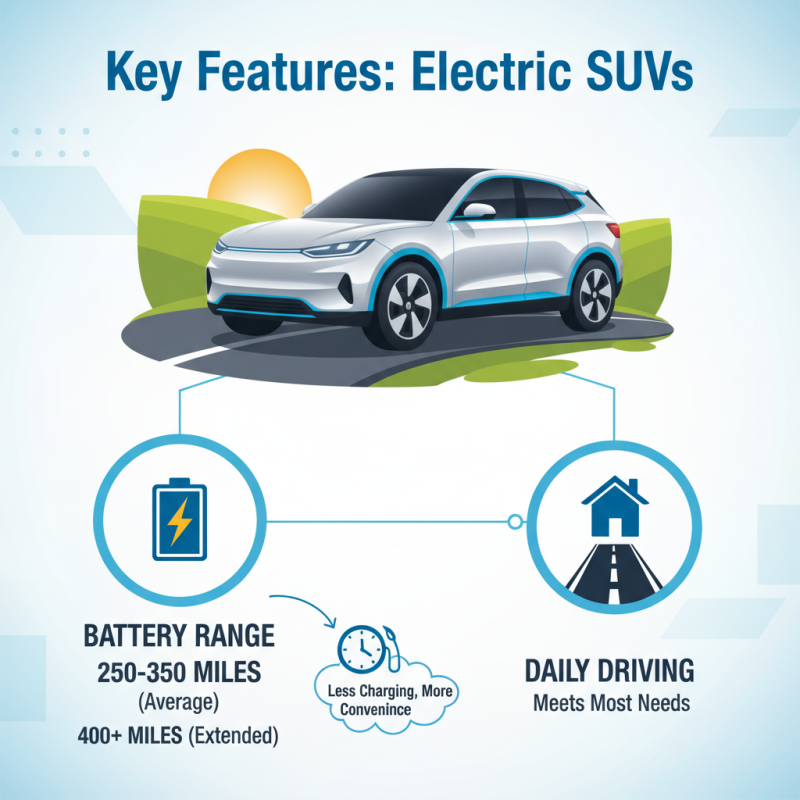
When choosing an electric SUV, consider several key features. Battery range is critical. The average electric SUV offers a range of about 250 to 350 miles on a single charge. This distance meets the needs of most daily drivers. However, some models are even pushing past 400 miles. Choosing a vehicle with a longer range can reduce charging time and increase convenience.
Battery technology is evolving. Look for models that use advanced lithium-ion batteries or solid-state options. These can improve efficiency and prolong lifespan. Fast-charging capabilities are also essential. Some vehicles now support charging in under 30 minutes. This feature is vital for those on the go.
Tip: Always check available charging infrastructure in your area. A great electric SUV doesn't matter if you lack charging options. Additionally, focus on safety features, such as automatic emergency braking or lane-keeping assist. These elements are becoming standard in the industry, enhancing overall driving security.
Ultimately, weigh your options carefully. New technologies emerge consistently, and not all models will meet your long-term needs. Continuous research can guide you toward the best electric SUV for your lifestyle.
Top Electric SUV Models Projections for 2026
As the electric vehicle market grows, projections for 2026 highlight promising models in the electric SUV segment. Reports forecast that by 2026, electric SUVs will capture around 30% of the global SUV market. This surge underscores the increasing consumer shift toward environmentally friendly vehicles. The emphasis is not just on numbers; innovations in battery technology and performance are pivotal.
Range anxiety remains a common concern for potential buyers. However, many upcoming models promise over 300 miles on a single charge. This range is bolstered by advancements in lithium-ion battery technology, which enhances efficiency and durability. Features such as fast charging capabilities are also becoming more standard. For instance, a typical charge time might reduce to less than 30 minutes at public charging stations.
Tips: Consider your driving habits. If you frequently travel longer distances, prioritize models with extended ranges. Also, gauge charging station availability in your area. Urban settings often have better infrastructure, making electric ownership more convenient. Stay informed about evolving technology, as it can significantly impact your choice. By 2026, the electric SUV landscape will offer a variety of options. Choose wisely based on your needs and technological reliability.
Comparative Analysis of Leading Models
As the electric vehicle (EV) market expands, consumers seek the best models for 2026. With numerous choices available, a comparative analysis can greatly aid in decision-making. Leading electric SUVs are now equipped with advanced technology, enhancing safety and convenience. Features such as adaptive cruise control and lane-keeping assistance offer a better driving experience.
Battery range is crucial in evaluating these models. Some offer over 300 miles on a single charge, alleviating range anxiety. However, not all manufacturers provide accurate range estimates. Research reviews and third-party tests are essential to find reliable data. Additionally, scrutinizing charging options and speeds is necessary, as they vary significantly.
Interior quality and space are also important. Top models often boast spacious cabins with premium materials. Still, consumers should consider the practicality of these SUVs for everyday use. Storage space can sometimes fall short, impacting usability. Lastly, exploring after-sales service and warranty terms helps ensure long-term satisfaction with your choice.
China Best Electric SUV Models for 2026 Which One Should You Choose? - Comparative Analysis of Leading Models
| Model |
Battery Range (km) |
Horsepower |
Charging Time (hours) |
Price (USD) |
| Model A |
500 |
240 |
0.5 |
45,000 |
| Model B |
480 |
220 |
0.8 |
40,000 |
| Model C |
520 |
260 |
0.6 |
50,000 |
| Model D |
450 |
210 |
0.7 |
42,000 |
| Model E |
530 |
250 |
0.4 |
55,000 |
Factors Influencing Your Choice of Electric SUV in 2026
When choosing an electric SUV in 2026, consider battery range and efficiency. A longer range means fewer charging stops. Efficiency shapes your overall driving experience. Look for vehicles that strike a balance between performance and sustainability. Evaluating real-world range can provide valuable insights.
Technology features are another important aspect. Look for advanced driver-assistance systems and infotainment options. These features enhance safety and convenience. However, ensure they are user-friendly. Sometimes high-tech interfaces can be overwhelming.
Cost is often a major factor in any vehicle purchase. Assess both the initial price and long-term costs, including maintenance and charging. Keep in mind that cheaper models may compromise on range or features. A deeper analysis of total ownership cost can help clarify your options in the bustling electric SUV market.

 T5EVO
T5EVO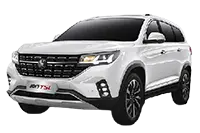 T5L
T5L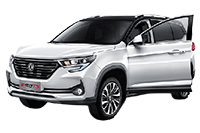 T5
T5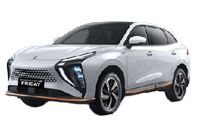 Friday
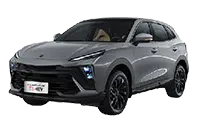 T5 HEV
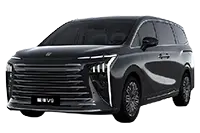 V9
V9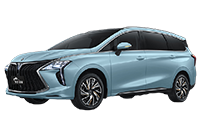 UTOUR (M4)
 M5 EV
M5 EV M5
M5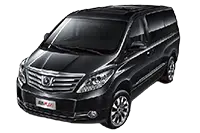 Lingzhi Plus
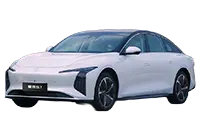 S7
S7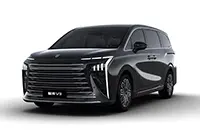 V9 HEV
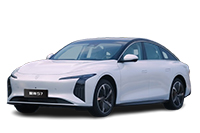 S7
S7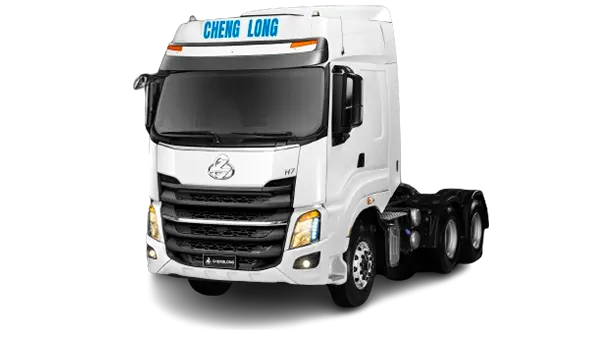 6X4 H7 Tractor
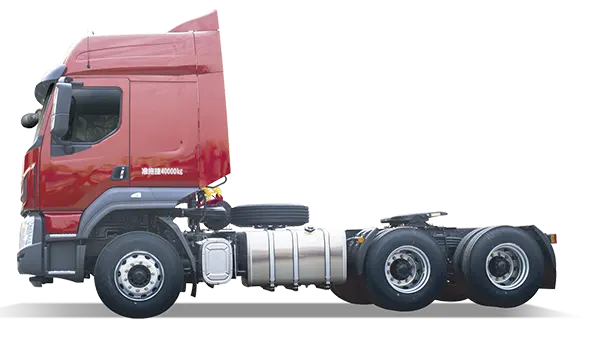 6X4 H5 Tractor
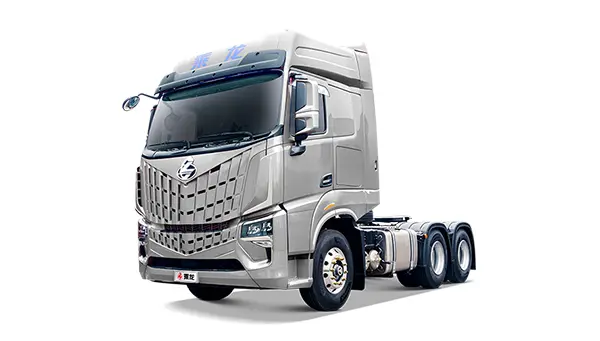 6X4 HK Tractor
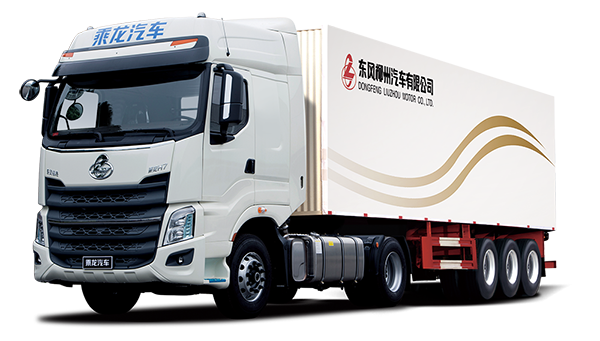 4X2 H7 Tractor
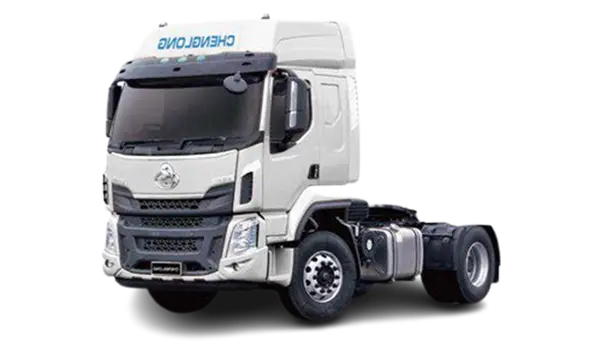 4X2 H5Tractor
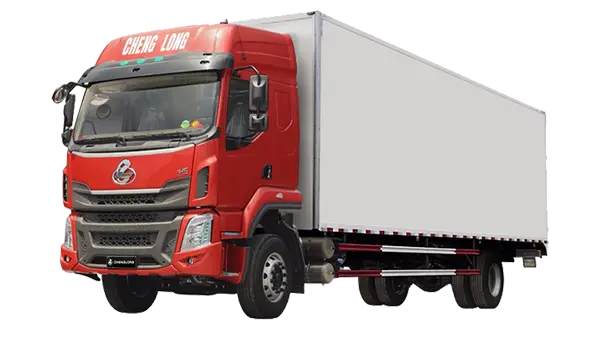 4X2 H5 Cargo Truck
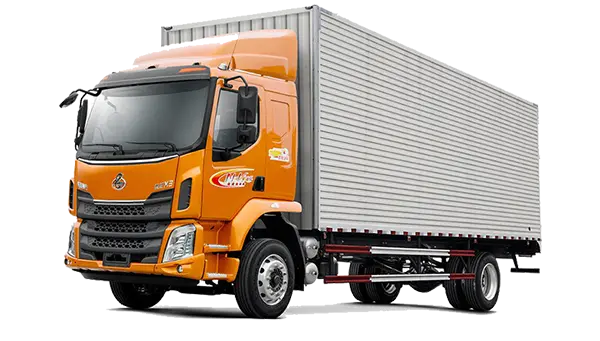 4X2 M3 Cargo Truck
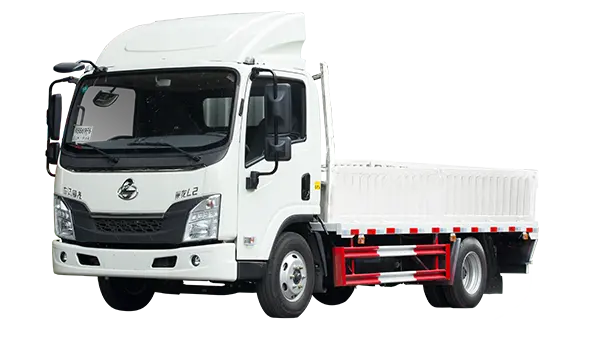 4X2 L2 Cargo Truck
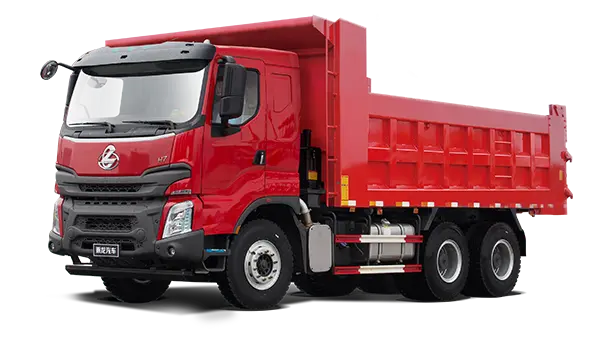 6X4 H7 Dump Truck
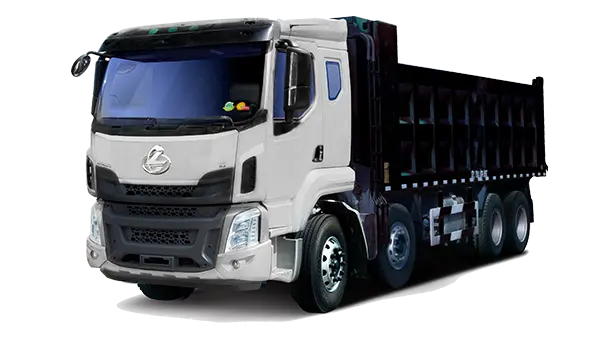 6X4 H5 Dump Truck
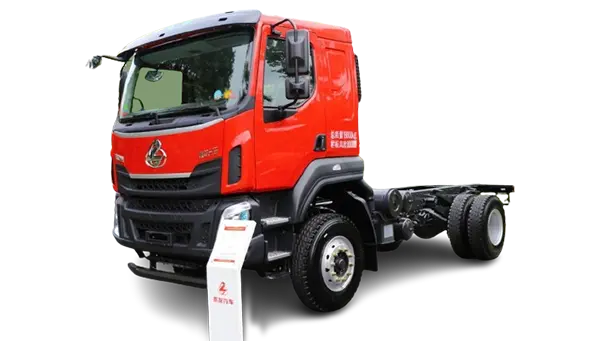 4X2 H5 Dump Truck
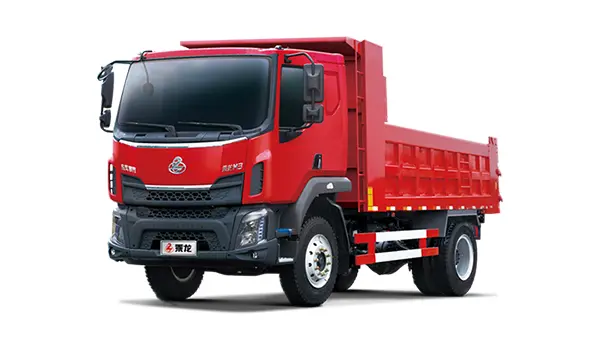 4X2 M3 Dump Truck
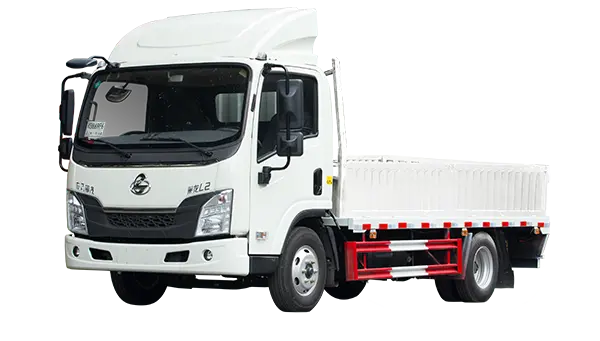 Light Truck L2
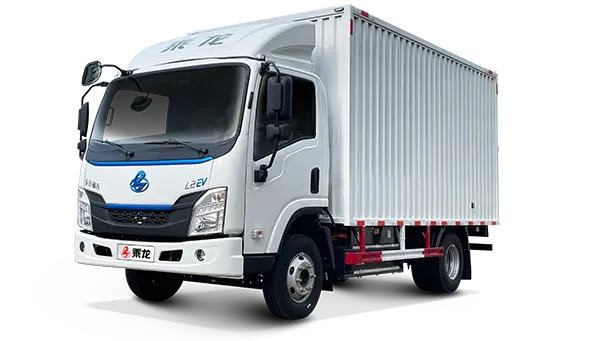 Light Truck L2 EV
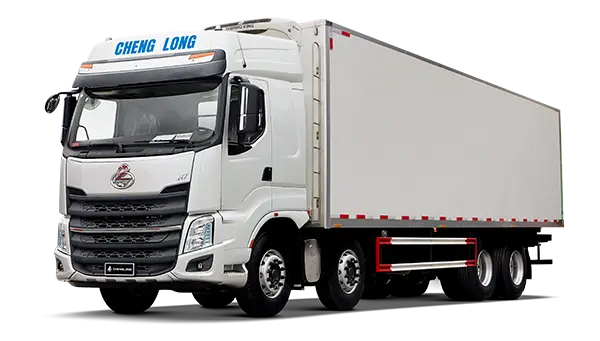 H7 Refrigeratior Truck
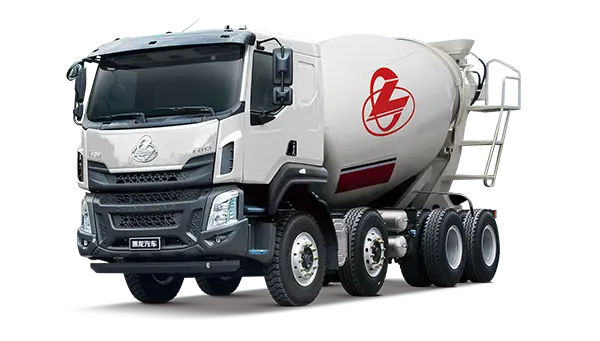 H5 Mixer Truck
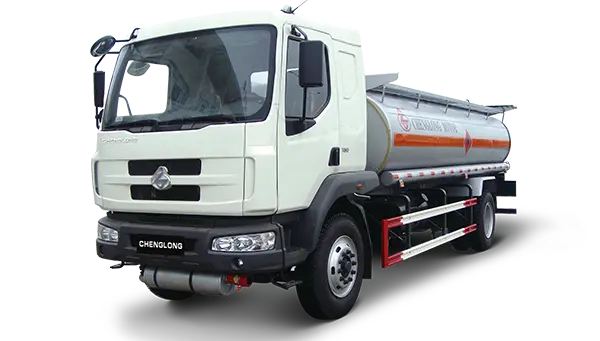 M3 Tank Truck
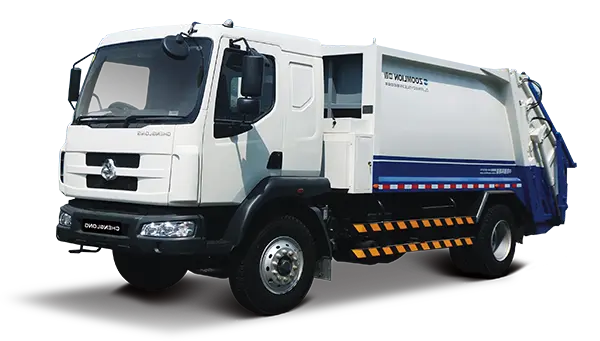 M3 Sanitation Truck
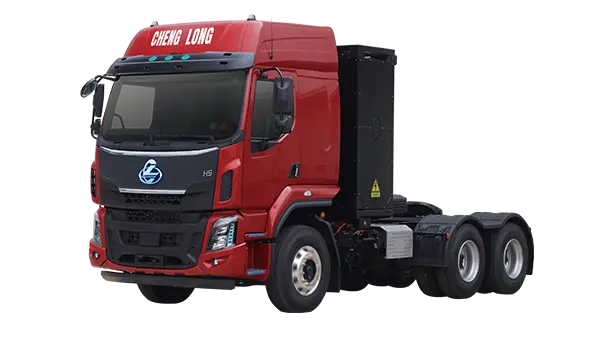 6X4 H7 Electric Truck
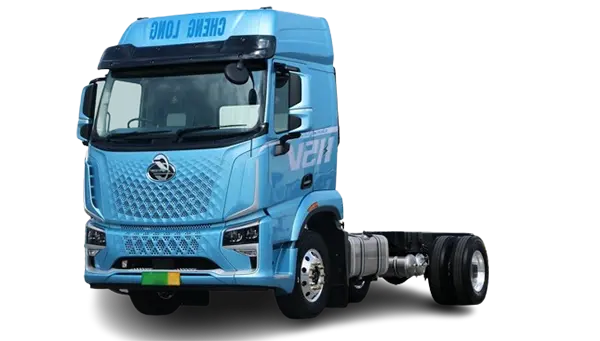 4X2 H5V Electric Truck
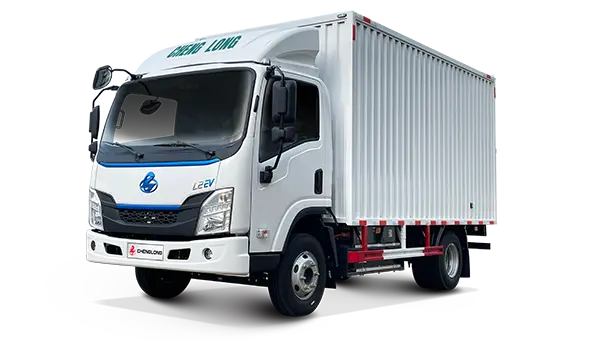 4X2 L2 Electric Truck