China Best Electric Car Manufacturers for Global Buyers?
Choosing the right Electric Car manufacturer in China requires more than comparing range figures. Global buyers must examine battery quality, charging compatibility, safety performance, warranty terms, and local service support. A vehicle that performs well in Shanghai may face different conditions in London, Nairobi, or São Paulo. Climate, road quality, electricity standards, and repair networks all matter.
This guide explores leading Chinese manufacturers, including BYD, SAIC, Geely, Chery, NIO, and XPeng. It considers their international experience, model variety, technology, production scale, and export readiness. Official specifications provide a useful starting point, but independent safety assessments and real-world driving reports deserve equal attention. Claimed range can change sharply with cold weather, heavy traffic, or frequent highway driving. Small details matter, too. A slow software update or unavailable charging adapter can affect daily ownership.
No shortlist is perfect. Manufacturer data may be measured under controlled testing conditions, while overseas support can vary by distributor. Regulations and import policies also change. Buyers should verify certification, servicing arrangements, spare-parts access, and battery coverage before signing a contract. That step is not exciting. It is essential.
The strongest choice depends on personal priorities. One buyer may value affordable urban transport, while another needs long-distance reliability and mature after-sales care. By comparing evidence rather than marketing language, international customers can make a more informed decision. This overview aims to provide practical context, acknowledge uncertainty, and identify manufacturers worth closer examination.
China’s EV Industry: 12.87 Million NEVs Sold in 2024
China Best Electric Car Manufacturers for Global Buyers?
China’s EV Industry: 12.87 Million NEVs Sold in 2024
China’s new energy vehicle market reached 12.87 million sales in 2024, according to published industry data. This figure includes battery-electric vehicles and plug-in hybrids. It shows strong production depth, supplier coordination, and growing consumer acceptance. However, sales volume alone cannot identify the best electric car manufacturers for global buyers.
International purchasers should examine battery testing, driving range, warranty terms, and software support. Export experience also matters. A vehicle may perform well in China but need different charging equipment abroad. Local climate can affect range, too. Cold winters reduce battery efficiency. Hot regions test cooling systems. After-sales service remains a practical concern, especially when replacement parts cross borders.
Tips: Request independent test reports, charging compatibility details, and clear warranty documents. Check whether the manufacturer supports your local safety and registration requirements. Ask about spare-part delivery times. Do not rely only on showroom claims.
Buyers should compare battery chemistry and thermal protection, not just acceleration figures. Transparent repair procedures suggest stronger long-term reliability. Yet even careful research has limits. Product updates can change software features after purchase. Some published range figures may also differ from daily driving results. A short road test helps reveal cabin noise, braking feel, and real charging speed. Global buyers need evidence, not excitement.
How to Compare Chinese EV Makers: Range, Batteries, Safety, and Warranty
Choosing China’s best electric car manufacturers for global buyers requires more than reading a maximum-range figure. The IEA’s Global EV Outlook 2024 reported more than 14 million electric cars sold worldwide in 2023, making comparison evidence increasingly important. Check the testing standard first. WLTP, CLTC, and EPA results are not directly interchangeable. A car showing 600 kilometres may deliver much less on motorways, in cold weather, or with a full cabin. Test the charging curve, not only the battery size.
Battery chemistry also matters. The IEA reported that lithium-iron-phosphate batteries represented about 40% of global EV battery deployment in 2023. They can reduce costs and avoid nickel and cobalt, but usually offer lower energy density. Ask about usable capacity, thermal management, cell warranty, and replacement procedures. Battery data should be written clearly. Vague promises deserve caution.
Safety needs independent proof. Check recent Euro NCAP results, automatic emergency braking performance, child-occupant scores, and battery-crash protection. Software updates can improve assistance, but they cannot replace sound structural engineering. Warranty terms require equal attention: compare years, mileage limits, battery-capacity guarantees, roadside support, and coverage in your country. Some policies look generous until exclusions appear. A spreadsheet helps, but it can still mislead. Real ownership costs, local servicing, winter range, and parts availability may matter more than a perfect brochure number.
China Best Electric Car Manufacturers for Global Buyers? - How to Compare Chinese EV Makers: Range, Batteries, Safety, and Warranty
| Reference Profile |
Vehicle Type |
Published WLTP Range |
Battery Capacity & Chemistry |
DC Fast-Charging Capability |
Independent Safety Result |
Typical European Warranty |
Global-Buyer Considerations |
| Profile A |
Compact hatchback |
Up to 450 km |
64 kWh; lithium-ion battery with nickel-manganese-cobalt chemistry |
Up to 135 kW; approximately 10–80% in about 35 minutes |
5-star Euro NCAP rating; tested under the 2022 protocol |
7 years or 150,000 km vehicle warranty; battery coverage generally 8 years or 160,000 km |
Strong value and urban practicality; charging speed is adequate rather than class-leading. |
| Profile B |
Large electric sedan |
Up to 570 km |
82.5 kWh; lithium iron phosphate battery |
Up to 150 kW; approximately 26 minutes for 30–80% |
5-star Euro NCAP rating; tested in 2023 |
6 years or 150,000 km vehicle warranty; battery coverage commonly 8 years or 200,000 km |
Long range and a durable battery design; real-world motorway range varies with speed and temperature. |
| Profile C |
Premium electric sedan |
Up to 590 km |
75 kWh or 100 kWh; lithium-ion battery options |
Up to 180 kW; approximately 30–40 minutes depending on battery version |
5-star Euro NCAP rating; tested in 2023 |
5 years or 150,000 km vehicle warranty; high-voltage battery commonly covered for 8 years or 160,000 km |
Comfort-focused choice with optional battery-capacity flexibility; verify local service coverage before purchase. |
| Profile D |
Mid-size electric SUV |
Up to 570 km |
87.5 kWh; lithium-ion battery with nickel-manganese-cobalt chemistry |
Up to 215 kW; approximately 20 minutes for 10–80% |
5-star Euro NCAP rating; tested in 2024 |
5 years or 120,000 km vehicle warranty in selected European markets; battery terms vary by country |
Very competitive charging performance; confirm software-update policy and parts availability locally. |
| Profile E |
Large electric liftback |
Up to 620 km |
100 kWh; nickel-manganese-cobalt lithium-ion battery |
Up to 200 kW; approximately 30 minutes for 10–80% |
5-star Euro NCAP rating; tested in 2024 |
5 years or 150,000 km vehicle warranty; battery coverage commonly 8 years or 200,000 km |
Excellent motorway range potential; larger battery increases weight, purchase price, and replacement cost. |
| Profile F |
Family electric SUV |
Up to 420 km |
69.9 kWh; lithium iron phosphate battery |
Up to 84 kW; approximately 30–40 minutes for 30–80% |
5-star Euro NCAP rating; tested in 2024 |
5 years or 100,000 km vehicle warranty in selected European markets; battery terms vary by country |
Practical cabin and competitive pricing; slower rapid charging makes long-distance planning more important. |
Note: Specifications, charging times, warranty limits, and equipment can differ by trim level and destination market. WLTP figures are laboratory results and may be lower in cold weather, at high motorway speeds, or with heavy loads.
Geely, SAIC, Chery, and Great Wall: Export Reach and Market Coverage
Chinese electric car manufacturers are expanding beyond domestic roads, with export programs covering Europe, Southeast Asia, the Middle East, Latin America, and parts of Africa. Their market coverage often depends on local regulations, charging access, and dealer support. A vehicle arriving at a busy European port may still need software updates, winter testing, and detailed safety certification before customer delivery.
Export reach is not only about shipping volume.
Stronger manufacturers adapt vehicles for left-hand or right-hand traffic, regional climate, and local charging standards. They also build partnerships for spare parts, technician training, roadside assistance, and warranty handling. In markets with limited charging networks, longer-range models and flexible charging systems can be more practical. In dense cities, compact electric cars may gain attention faster.
However, export claims require careful checking.
A large overseas presence does not always mean reliable after-sales service. Some distributors have limited inventory, while replacement parts may take weeks to arrive. That can become frustrating after a minor accident. Buyers should compare homologation records, battery warranties, service locations, software support, and independent safety results. I would also inspect the company’s track record in the target country, not just its global sales figures. Coverage looks impressive on a map. Ownership feels different on a rainy weekday.
NIO, XPeng, and Li Auto: Smart-EV Brands by 2024 Delivery Data
China’s smart-EV market is gaining attention from global buyers, especially through 2024 delivery data.
500,508 vehicles
221,970
190,068.
These figures show different levels of market reach, production capacity, and consumer acceptance.
Delivery volume is useful, but it is not the whole story. Buyers should examine battery range, charging access, software updates, warranty support, and local service coverage. A high delivery number may indicate strong demand, yet it cannot guarantee reliable support in every country. I would also check independent road tests and owner feedback. Official claims can sound polished. Real use is messier.
Tips:
Compare local charging standards, repair networks, import duties, and winter-range performance before ordering. Ask whether replacement parts are stocked nearby. Also, treat 2024 figures as a starting point, not a final ranking. Market conditions change quickly, and delivery reports may not equal audited retail sales. My own view is cautious: smart features are attractive, but simple ownership still matters more than a flashy screen.

 T5EVO
T5EVO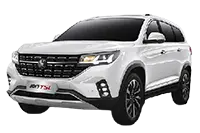 T5L
T5L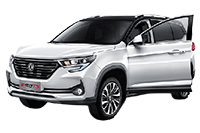 T5
T5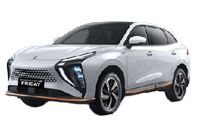 Friday
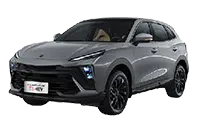 T5 HEV
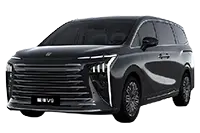 V9
V9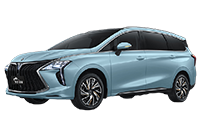 UTOUR (M4)
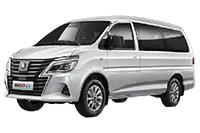 M5 EV
M5 EV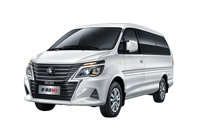 M5
M5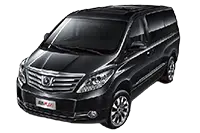 Lingzhi Plus
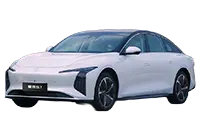 S7
S7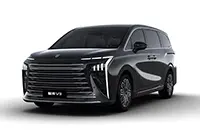 V9 HEV
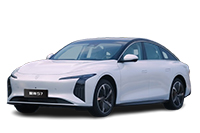 S7
S7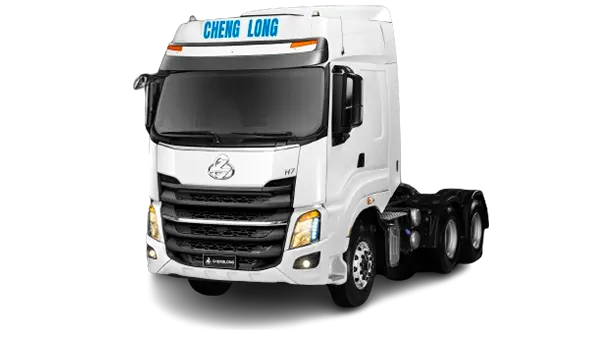 6X4 H7 Tractor
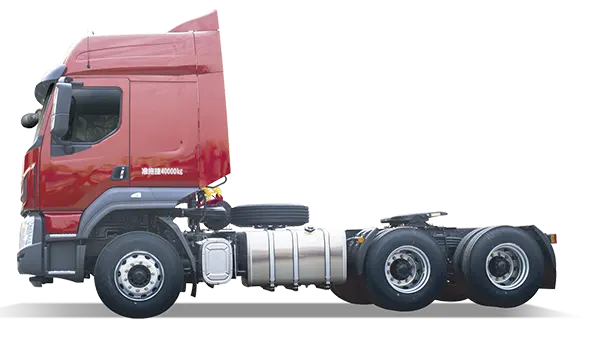 6X4 H5 Tractor
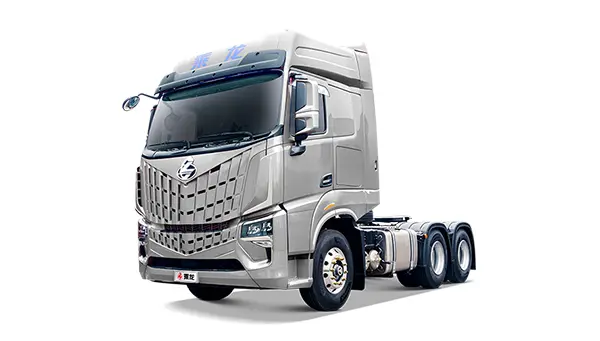 6X4 HK Tractor
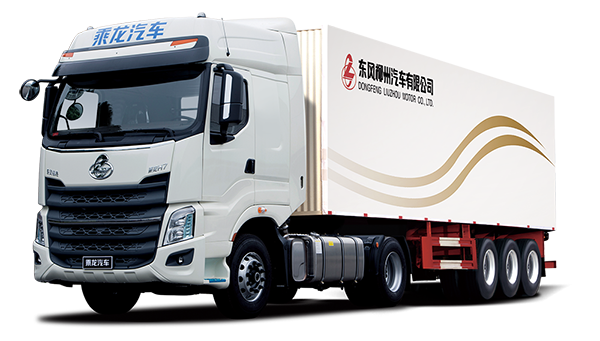 4X2 H7 Tractor
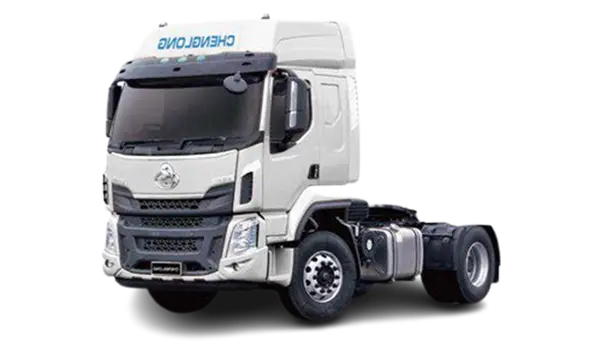 4X2 H5Tractor
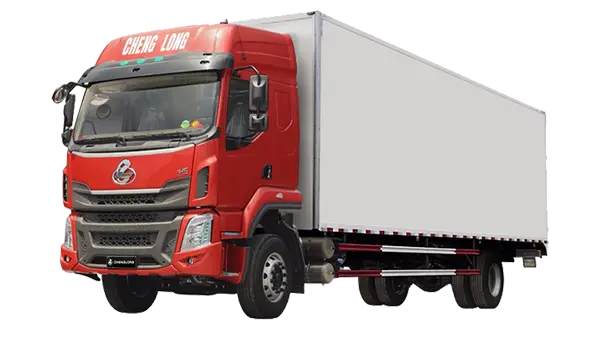 4X2 H5 Cargo Truck
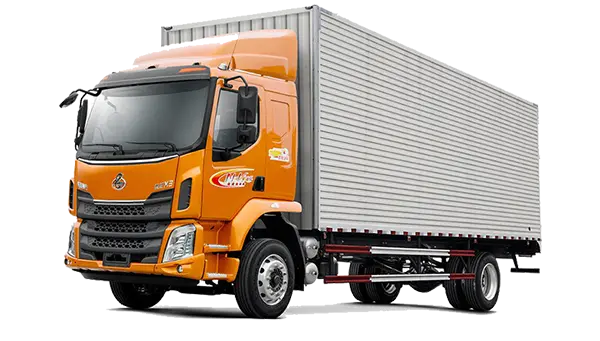 4X2 M3 Cargo Truck
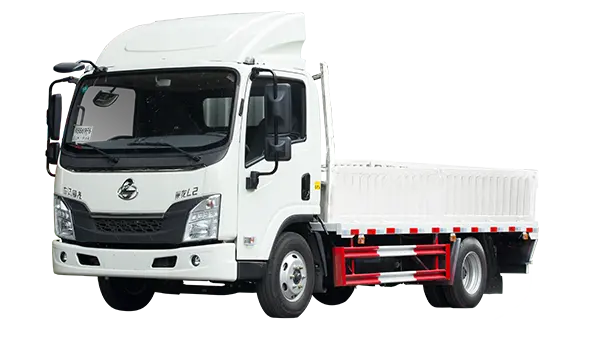 4X2 L2 Cargo Truck
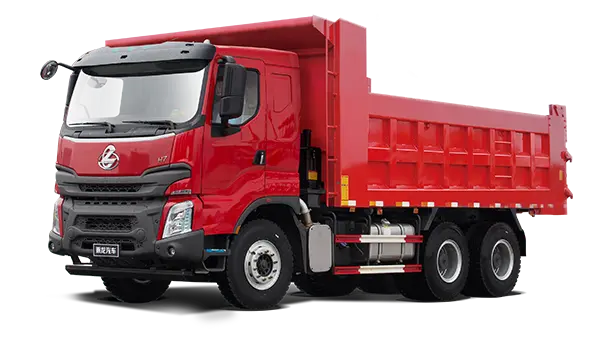 6X4 H7 Dump Truck
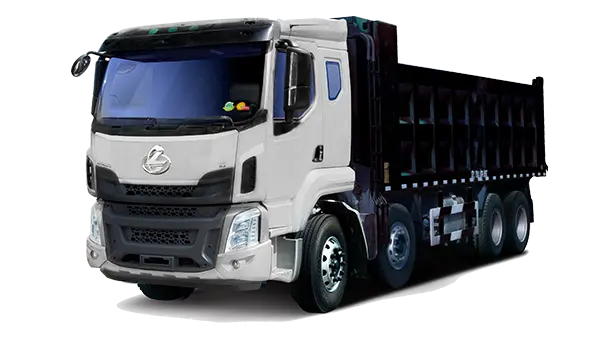 6X4 H5 Dump Truck
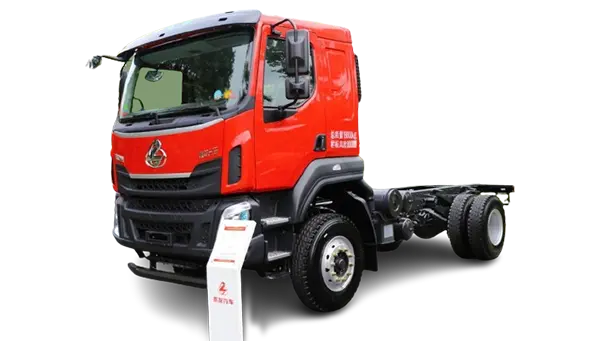 4X2 H5 Dump Truck
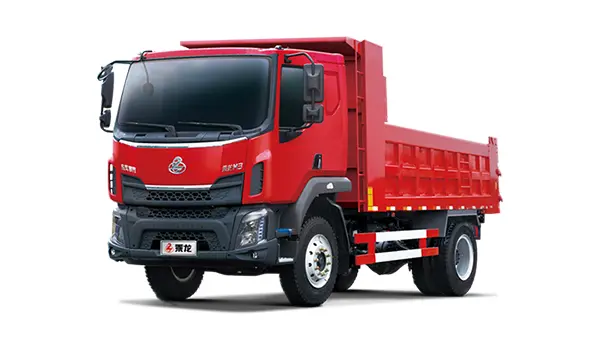 4X2 M3 Dump Truck
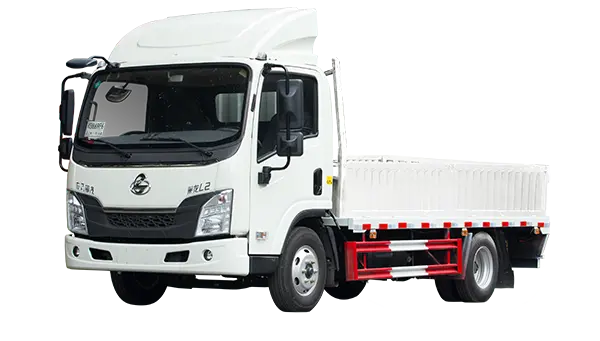 Light Truck L2
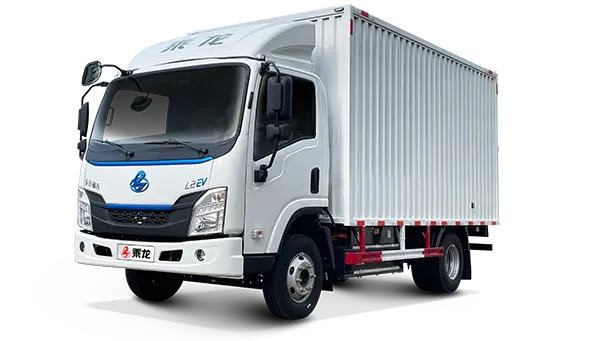 Light Truck L2 EV
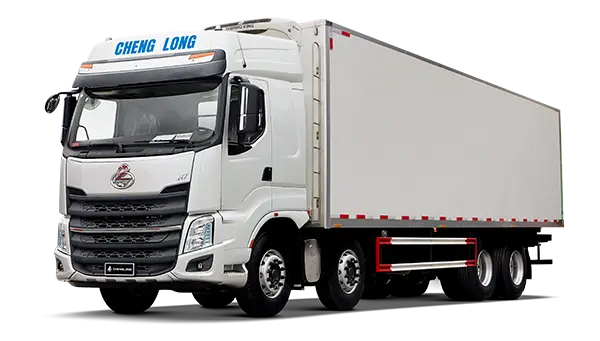 H7 Refrigeratior Truck
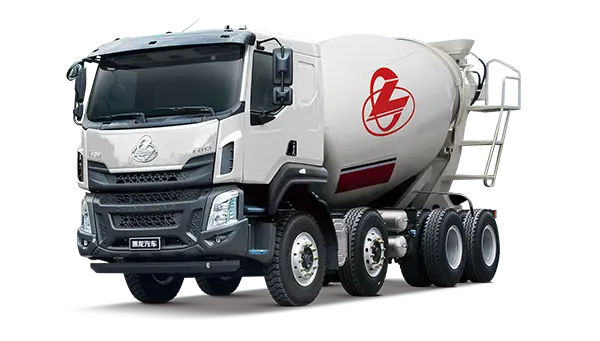 H5 Mixer Truck
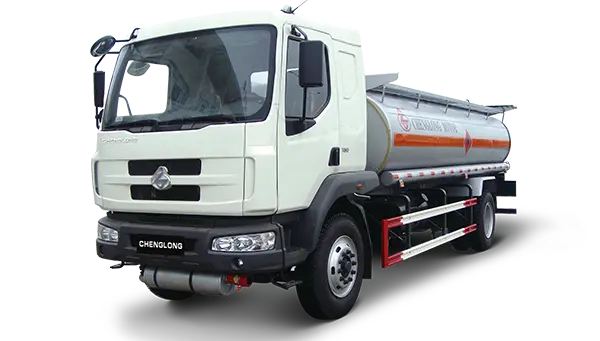 M3 Tank Truck
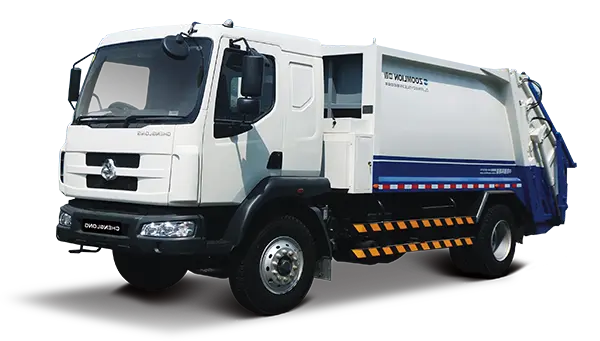 M3 Sanitation Truck
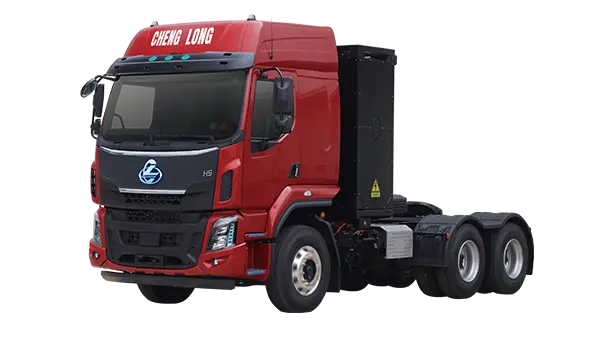 6X4 H7 Electric Truck
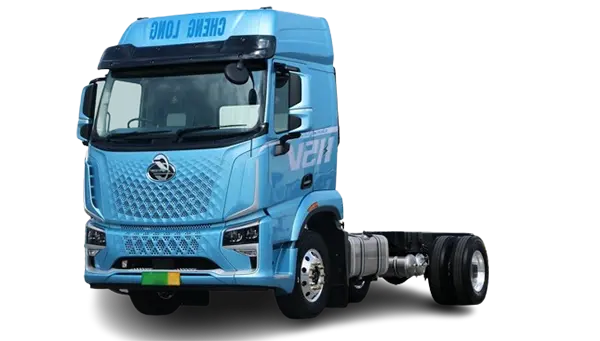 4X2 H5V Electric Truck
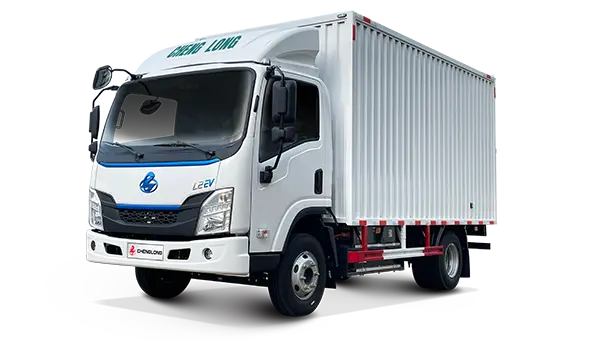 4X2 L2 Electric Truck