How to Choose the Best Forthing SUV for Your Needs?
Choosing the right Forthing SUV can be a daunting task. There are many models and features to consider. Each driver's needs are unique.
When selecting a Forthing SUV, think about your lifestyle. Do you need ample space for family trips? Or are you looking for a compact model for city driving? Reliability is crucial; a dependable vehicle enhances your daily experience. Safety features and fuel efficiency also play significant roles in decision-making.
It's essential to research and test-drive various models. Online reviews and expert opinions can provide valuable insights. Trustworthy sources and user feedback will help shape your choice. Ultimately, your Forthing SUV should reflect your individual needs while offering comfort and security on the road.
Factors Influencing Your Choice of SUV: Size, Engine, and Fuel Economy
When selecting the perfect SUV, size is a crucial factor. Statistics reveal that around 40% of buyers prioritize interior space. For families, a three-row SUV may be essential. A larger SUV provides ample room for passengers and cargo. However, consider the trade-offs. Larger vehicles often have a heavier frame, which can affect handling and fuel efficiency.
Engine performance plays a pivotal role in decision-making. In a recent report, it was noted that 72% of buyers focus on engine power. Drivers looking for off-road capabilities may require a more robust engine. Conversely, those who drive mainly in urban settings might prefer a smaller, turbocharged engine for better responsiveness. Be mindful of the balance between power and efficiency. High-performance engines tend to consume more fuel.
Fuel economy can significantly influence your choice. According to industry data, users can save up to $1,000 per year on fuel with an efficient SUV model. Many drivers underestimate the long-term costs associated with fuel consumption. An SUV with an EPA rating of at least 25 mpg can be beneficial for daily commutes. However, these models might sacrifice some power and features. The ideal SUV caters to your personal needs and driving style, highlighting the importance of careful consideration.
How to Choose the Best Forthing SUV for Your Needs?
| Model |
Size (Length x Width x Height) |
Engine Type |
Horsepower |
Fuel Economy (MPG) |
| Compact SUV |
175 x 75 x 65 in |
I4 |
180 hp |
25/30 |
| Midsize SUV |
190 x 80 x 70 in |
V6 |
250 hp |
22/28 |
| Full-Size SUV |
210 x 85 x 75 in |
V8 |
400 hp |
20/24 |
| Luxury SUV |
200 x 80 x 72 in |
Twin-Turbo V6 |
335 hp |
21/26 |
Understanding Different SUV Classes: Compact, Midsize, and Full-Size
When selecting an SUV, understanding the differences between compact, midsize, and full-size categories is crucial.
Compact SUVs are ideal for urban dwellers. They typically offer better fuel efficiency. These models often provide a balance of space and maneuverability, making them suitable for city driving.
According to industry reports, compact SUVs have seen a 25% increase in sales over the past year due to rising fuel prices.
Midsize SUVs cater to families seeking more space. They usually come with three rows of seats, accommodating up to seven passengers. The flexibility in cargo space is a major selling point. Reports indicate that over 40% of consumers prioritize passenger capacity and comfort in their purchasing decisions. However, these vehicles may struggle with fuel efficiency rates compared to their compact counterparts.
Full-size SUVs offer power and space for larger families or those needing extra towing capacity. They are typically equipped with robust engines, enhancing performance for rugged terrains. Still, potential buyers should consider the higher insurance and maintenance costs associated with these models. Some surveys reveal that nearly 60% of full-size SUV owners report lower satisfaction due to elevated operating expenses, prompting a reevaluation of their needs.
Understanding these distinctions can aid in making an informed decision tailored to individual requirements.
Safety Ratings and Features: What to Look for in an SUV
When choosing an SUV, safety ratings should be a top priority. Look for vehicles with high scores in crash tests from reputable organizations. Features like automatic emergency braking and lane departure warnings can enhance safety. These technologies may prevent accidents and protect your family. Analyze how many airbags a vehicle includes. More airbags often mean better protection in case of an accident.
Consider the build quality and material used in the SUV. Sturdy construction can absorb impact better. Check for stability and traction control systems; these are crucial in adverse weather. Test driving the SUV can reveal how it handles turns and stops. Pay attention to blind spots. Even the safest SUVs can pose risks if visibility is limited.
Review user feedback and reports on reliability. Some SUVs may receive high safety ratings but have mechanical issues. Do not solely rely on safety hype. Gather information from trusted sources and real customers. This holistic approach helps you weigh safety against other factors like comfort and price. Safety is an ongoing journey, not a one-time checklist.
Comparison of Fuel Efficiency: Hybrid vs. Traditional SUVs
When considering an SUV, fuel efficiency is crucial. Hybrid SUVs often offer better miles per gallon (MPG) than their traditional counterparts. Many hybrid models use electric motors to enhance fuel efficiency. This can be particularly beneficial for urban driving, where stop-and-go traffic reduces fuel efficiency in traditional vehicles.
Tips: Look at the combined MPG ratings when comparing SUVs. Some hybrids excel in city driving but may not perform as well on the highway. Understand your driving habits before choosing.
Conversely, traditional SUVs provide a satisfying driving experience. They may excel in power and performance, making them appealing for off-road adventures. However, they generally consume more fuel. With gas prices fluctuating, this could impact your budget significantly.
Tips: Calculate long-term fuel costs based on your driving patterns. Don’t overlook the potential savings from a hybrid. Assess which aspects matter more: performance or efficiency.
Technology and Comfort: Must-Have Features in Today's SUVs
When choosing an SUV, technology and comfort are crucial. Modern SUVs integrate advanced tech features that enhance the driving experience. Touchscreen interfaces are standard now. Many vehicles come with smartphone integration, allowing for easy access to navigation and entertainment. Voice commands are also growing in popularity, providing safer control while driving.
Comfort goes beyond spacious seating. Good climate control is essential for long drives. Some SUVs offer multi-zone climate systems. This ensures everyone enjoys their ideal temperature. Additionally, premium sound systems can make daily commutes more enjoyable. However, balancing technology and comfort can be challenging. Sometimes, too much tech can complicate simple tasks.
It’s important to test various models to find the right fit. Pay attention to ride quality and noise levels inside. Some SUVs may look appealing but feel cramped. Additionally, look for features that truly matter to you. Don't be overwhelmed by the endless options. Focus on what adds value to your daily drives.
Must-Have Features in Today's SUVs

 T5EVO
T5EVO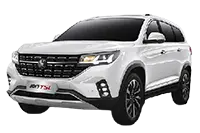 T5L
T5L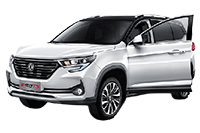 T5
T5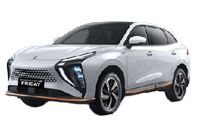 Friday
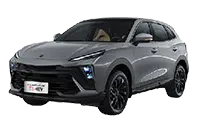 T5 HEV
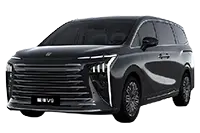 V9
V9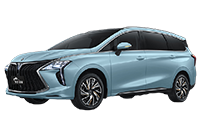 UTOUR (M4)
 M5 EV
M5 EV M5
M5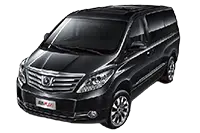 Lingzhi Plus
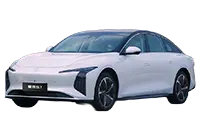 S7
S7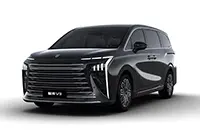 V9 HEV
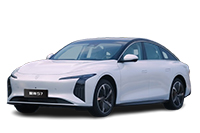 S7
S7 6X4 H7 Tractor
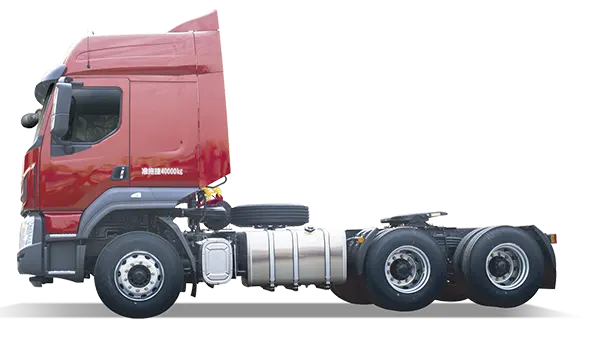 6X4 H5 Tractor
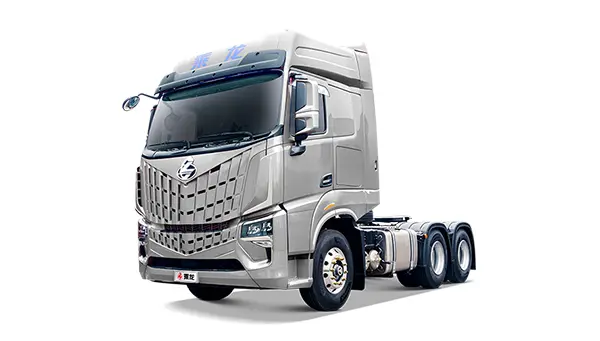 6X4 HK Tractor
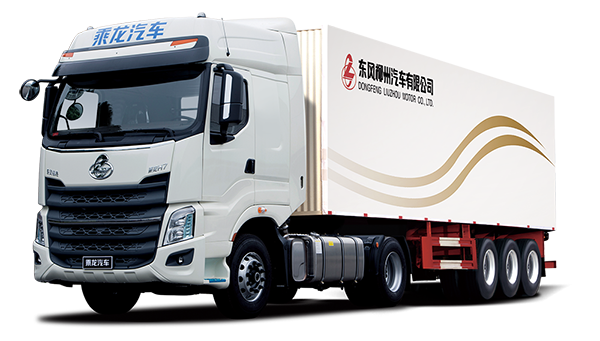 4X2 H7 Tractor
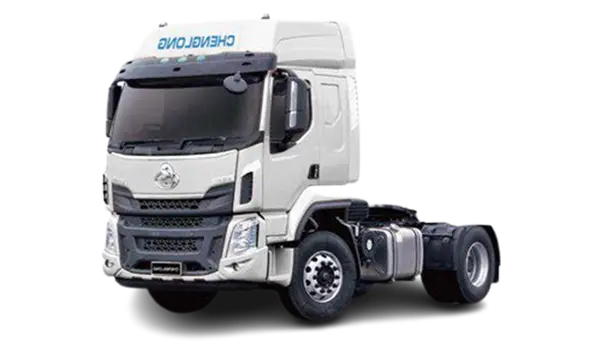 4X2 H5Tractor
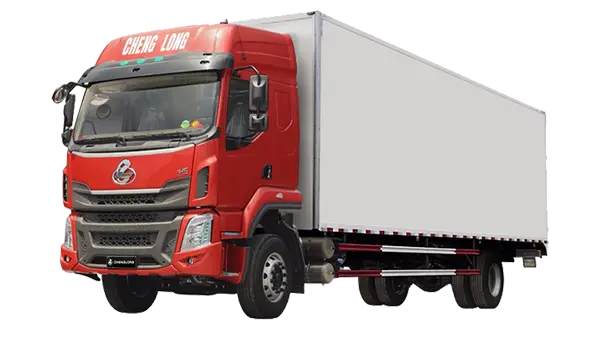 4X2 H5 Cargo Truck
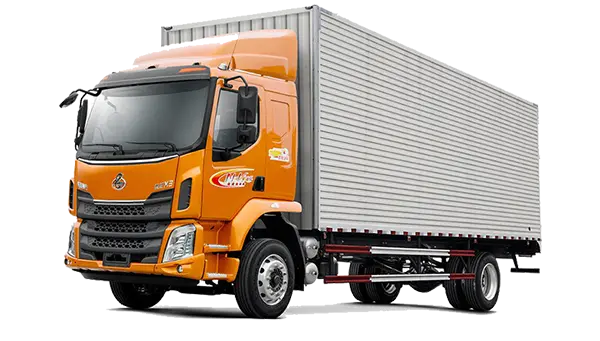 4X2 M3 Cargo Truck
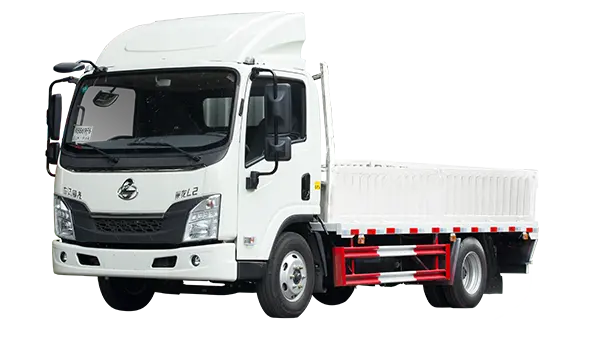 4X2 L2 Cargo Truck
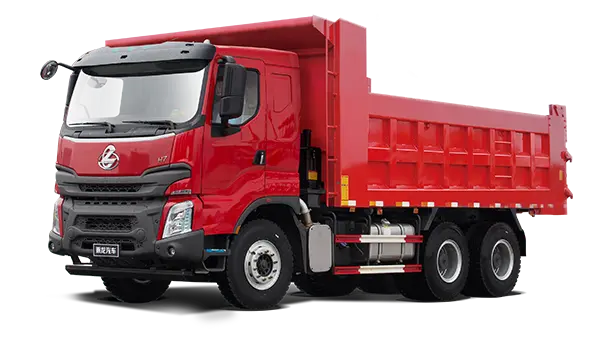 6X4 H7 Dump Truck
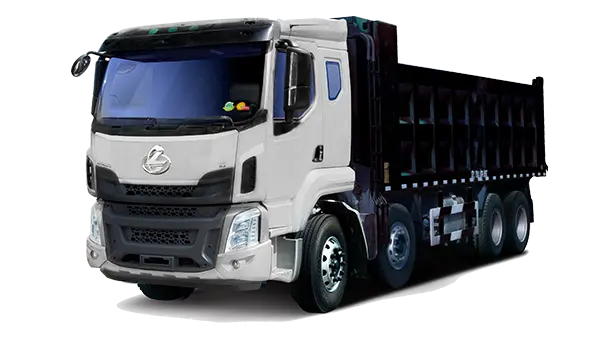 6X4 H5 Dump Truck
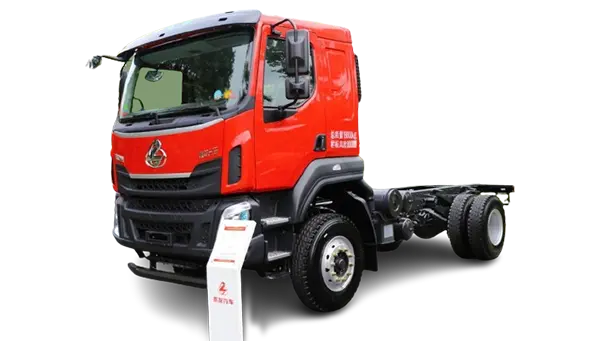 4X2 H5 Dump Truck
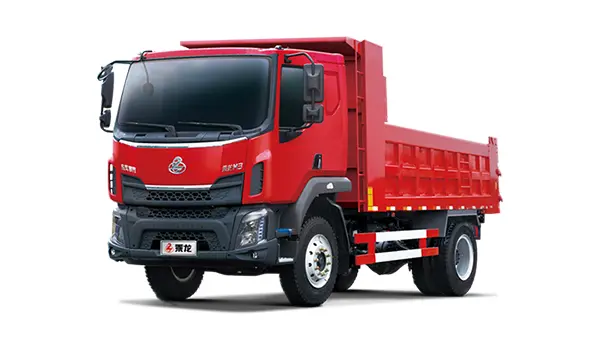 4X2 M3 Dump Truck
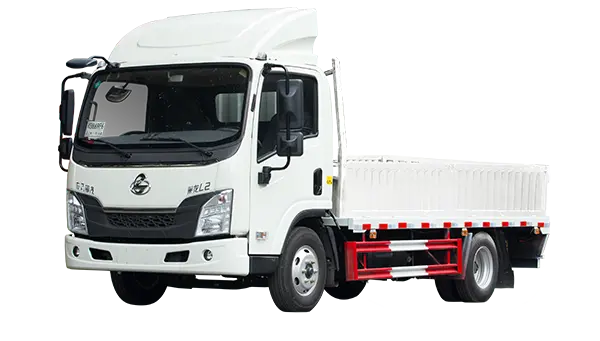 Light Truck L2
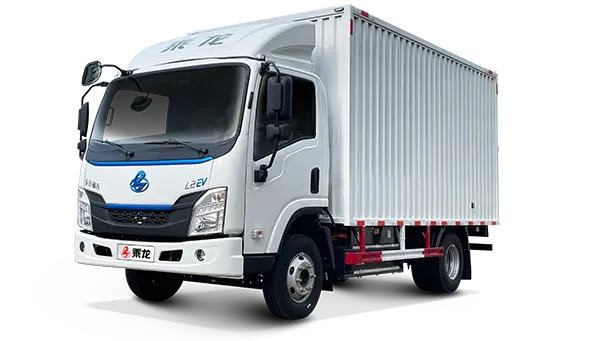 Light Truck L2 EV
 H7 Refrigeratior Truck
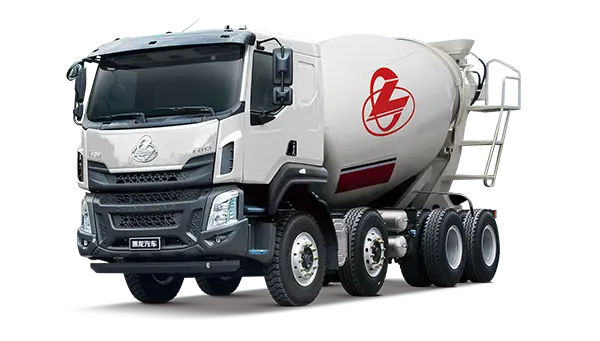 H5 Mixer Truck
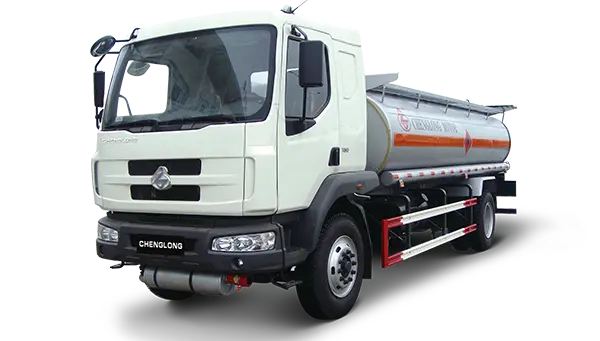 M3 Tank Truck
 M3 Sanitation Truck
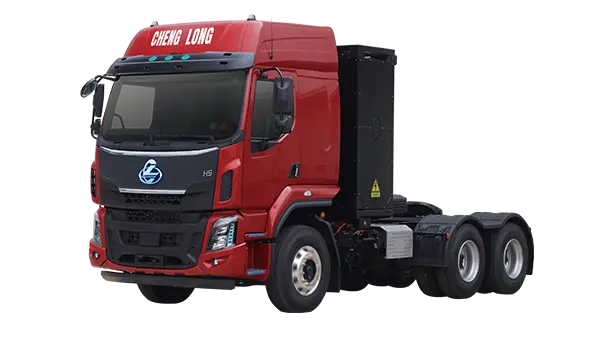 6X4 H7 Electric Truck
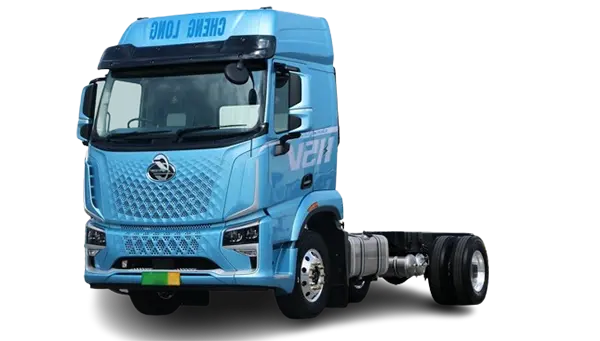 4X2 H5V Electric Truck
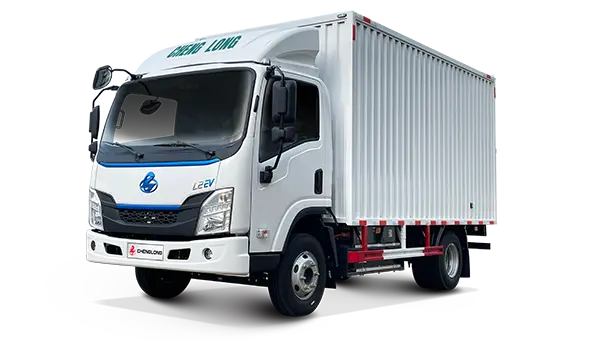 4X2 L2 Electric Truck