How to Choose the Right Tank Truck for Your Business?
Choosing the right Tank Truck for your business can be challenging. The tank truck industry is expected to grow significantly, with a projected CAGR of 4% through 2028. According to industry expert John Smith, “Selecting the right tank truck is crucial for operational efficiency.” His insights emphasize that not all trucks meet every need.
The right tank truck should cater to your specific transport requirements. For instance, consider the type of liquid you will transport. Safety standards vary greatly depending on the substance. Moreover, the size and capacity of the tank truck will directly impact your operational costs. Choosing a truck merely based on price can lead to higher expenses down the line.
Additionally, reflect on the maintenance and reliability of your tank truck. Regular downtimes can affect your delivery schedules. Data from the National Tank Truck Carriers indicates that maintenance issues account for 35% of operational failures. Therefore, assessing these factors holistically becomes vital. Investing in a well-suited tank truck can maximize profits and minimize headaches.
Factors to Consider When Choosing a Tank Truck for Your Business
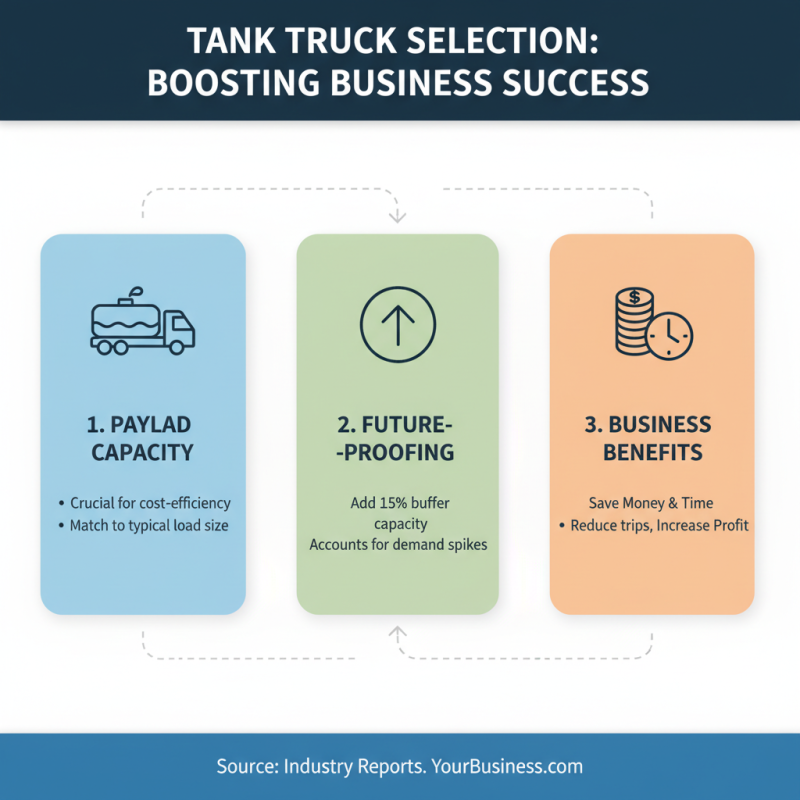
Choosing the right tank truck is crucial for business success. Several factors need consideration. Payload capacity is key. A truck that can handle your typical load will save money and time. According to industry reports, selecting a truck with at least a 15% higher capacity than your usual needs is advisable. This buffer accounts for fluctuations in demand and avoids costly trips.
Safety and compliance play a significant role too. Tank trucks must meet regulatory standards. A report from the Transportation Safety Board highlights that over 30% of accidents occur due to mechanical failures. Regular maintenance checks and proactive safety measures are vital. A well-maintained truck reduces risks and enhances efficiency.
Lastly, consider the type of cargo. Different materials require specific truck types. The market shows that 40% of companies face challenges due to incorrect truck choices. A detailed assessment of your cargo’s properties will guide your decision. Reflecting on these aspects fosters better choices and minimizes future issues.
Understanding Different Types of Tank Trucks and Their Uses
When selecting a tank truck, it’s crucial to understand the various types available and their specific uses. The liquid transport industry reveals that over 80% of the transported liquids are fuels, chemicals, and food products. Each category requires a different tank design. For example, a food-grade tank truck is lined with stainless steel to prevent contamination. This is essential for transporting consumables and ensuring safety.
Chemical tank trucks often have specialized features such as heating capabilities or multi-compartment designs. According to a report by Grand View Research, the chemical tanker market is projected to grow significantly, driven by rising demand for bulk liquid chemical transportation. These trucks need to adhere to strict safety regulations. Failure to comply can lead to costly accidents and regulatory fines.
Choosing the right tank truck involves evaluating your specific needs. Consider cargo type, volume, and delivery frequency. The wrong choice can result in inefficiencies. For example, using a standard fuel tank for transporting corrosive chemicals may damage the vehicle. Understanding and analyzing these factors is vital for making an informed decision.
Assessing Load Capacity and Weight Requirements for Your Operations
When selecting a tank truck, understanding load capacity is crucial. Each operation has different requirements. The weight of the cargo impacts the type of truck needed. Overloading can damage the vehicle and jeopardize safety. Ensure you know your maximum load limits.
Consider the types of materials you transport. Are they dense or lightweight? For example, transporting liquids may require different specifications compared to dry materials. Calculate the weight of your usual loads. This will guide you in choosing the right truck size and type.
Reflecting on past experiences can help, too. Have there been issues with weight limits before? Such insights lead to better decisions. A truck that can handle current loads might not meet future demands. Therefore, assessing both current and future needs is essential. This way, you can avoid costly mistakes and ensure smooth operations.
How to Choose the Right Tank Truck for Your Business? - Assessing Load Capacity and Weight Requirements for Your Operations
| Truck Type |
Load Capacity (lbs) |
Tank Volume (gallons) |
Weight (lbs) |
Ideal Uses |
| Local Delivery Tank Truck |
10,000 |
2,500 |
12,000 |
Fuel, Water |
| Mid-Size Tank Truck |
15,000 |
3,500 |
14,000 |
Chemicals, Waste |
| Heavy-Duty Tank Truck |
20,000 |
5,000 |
22,000 |
Oil, Bulk Liquids |
| Specialty Tank Truck |
12,000 |
2,800 |
13,500 |
Food Grade, Hazardous Materials |
| Towable Tank Trailer |
8,000 |
1,500 |
5,000 |
Agricultural, Construction |
Evaluating Safety Standards and Compliance Regulations for Tank Trucks
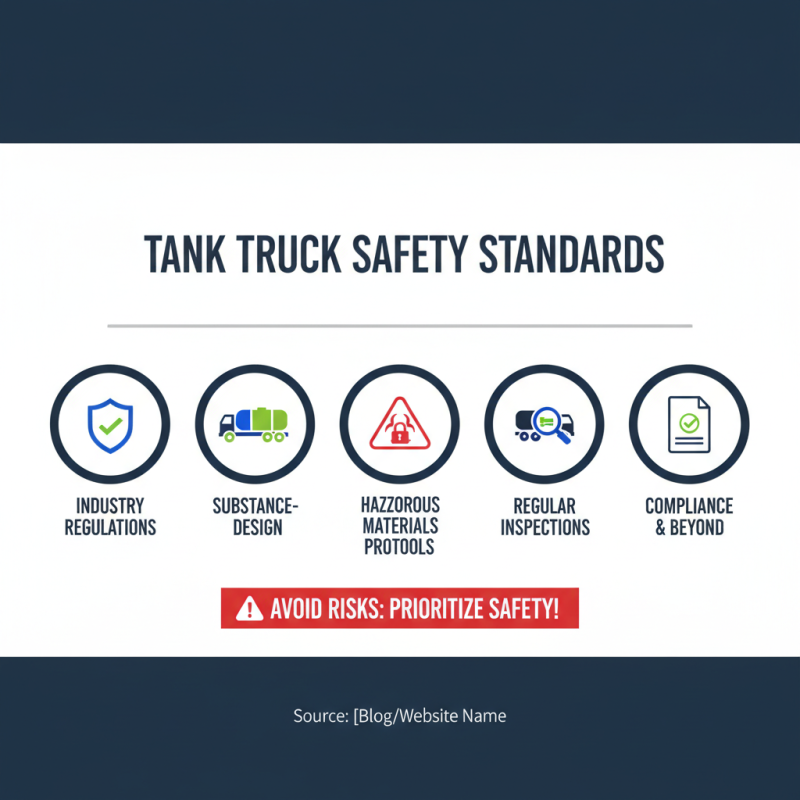
When evaluating the safety standards for tank trucks, it’s crucial to understand industry regulations. Different substances require specific tank designs. A truck carrying hazardous materials may need additional safety features. Regular inspections are essential. Each truck should meet or exceed the safety compliance requirements. Often, companies overlook the importance of this, leading to potential risks.
Another aspect to consider is training for your drivers. They need to understand the correct handling of the materials. A poorly trained driver can lead to mishaps. Inspecting safety devices like spill containment systems is also vital. Some businesses assume they are compliant without thorough checks. This oversight can have severe consequences.
Finally, consider your vehicle maintenance. A tank truck in bad condition poses significant hazards. Ensure that all parts function properly, from the brakes to the emergency shut-off system. Regular maintenance checks should be part of your routine. Neglecting this can lead to unexpected breakdowns. Assessing your safety and compliance regularly keeps everyone safe.
Determining Budget Constraints and Financing Options for Purchase
When selecting a tank truck, understanding your budget is critical. Consider the total cost, including purchase price, maintenance, and operation expenses. A new truck may come with advanced features, but used trucks can be more affordable. However, they may require repairs soon after purchase.
Financing options can make a significant impact. Loans and leasing are viable choices. A loan usually leads to ownership, while leasing might offer lower monthly payments. Weigh the pros and cons of each route. Read the fine print, as hidden fees can add up.
Check with multiple lenders to find the best deal. Don't rush this decision. Consider the long-term implications. Reflect on your cash flow and business needs. It's easy to overlook these details, but they are crucial. Balancing cost with quality can be challenging. Think carefully.
Budget Allocation for Tank Truck Purchases

 T5EVO
T5EVO T5L
T5L T5
T5 Friday
 T5 HEV
 V9
V9 UTOUR (M4)
 M5 EV
M5 EV M5
M5 Lingzhi Plus
 S7
S7 V9 HEV
 S7
S7 6X4 H7 Tractor
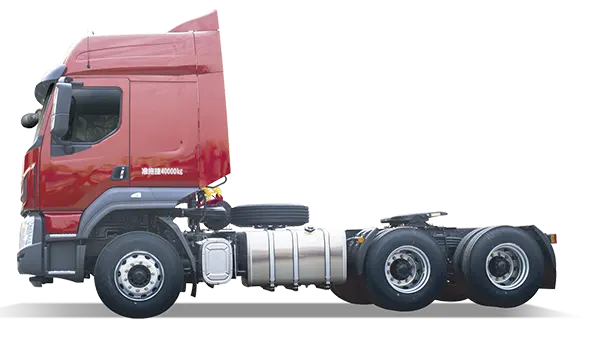 6X4 H5 Tractor
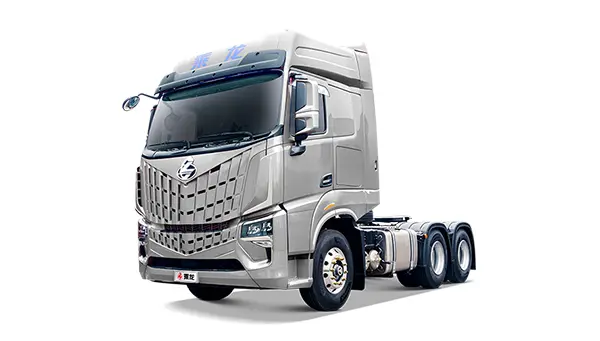 6X4 HK Tractor
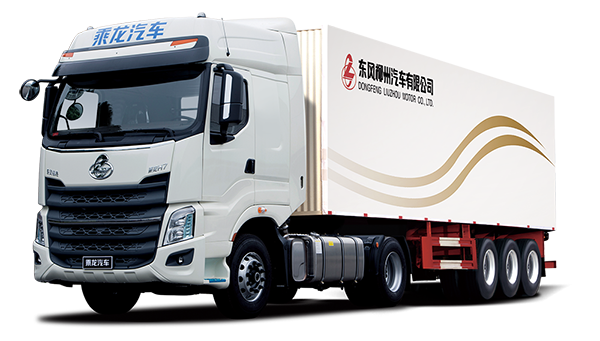 4X2 H7 Tractor
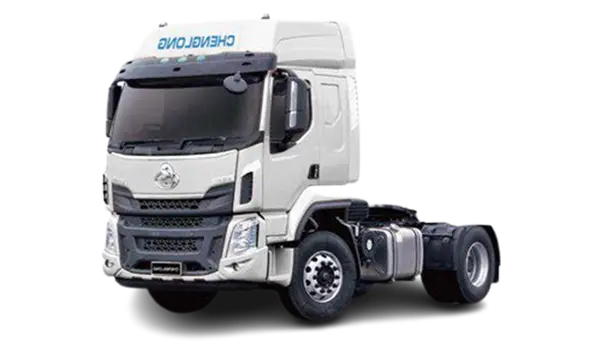 4X2 H5Tractor
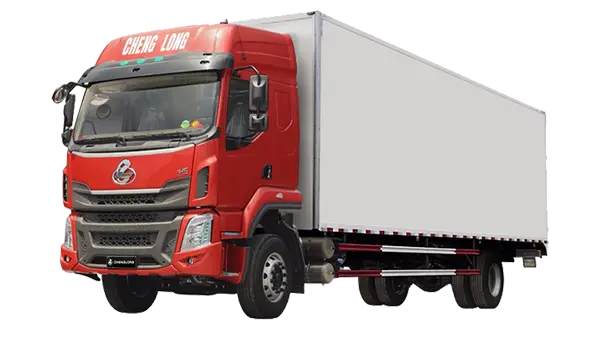 4X2 H5 Cargo Truck
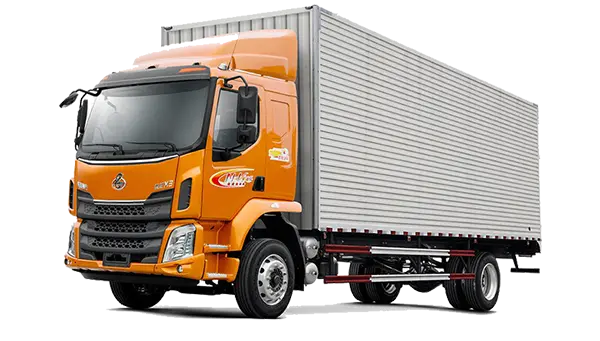 4X2 M3 Cargo Truck
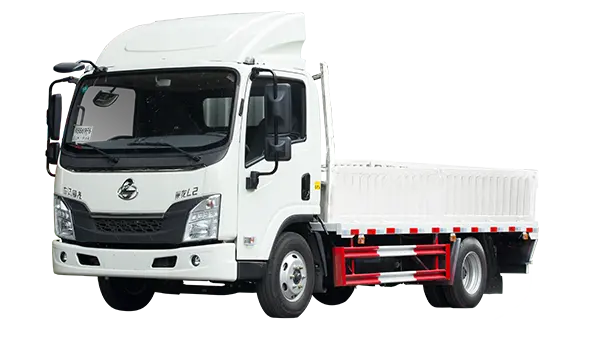 4X2 L2 Cargo Truck
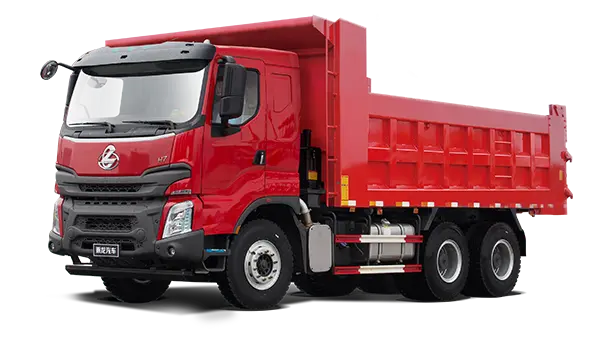 6X4 H7 Dump Truck
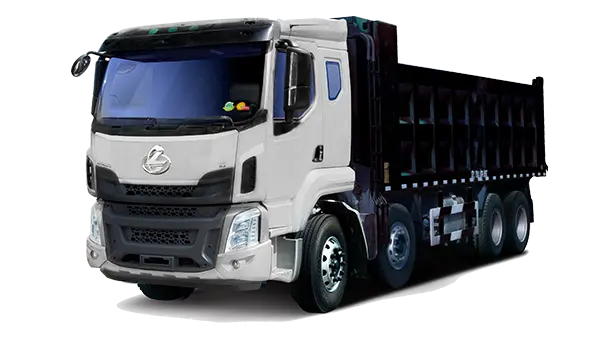 6X4 H5 Dump Truck
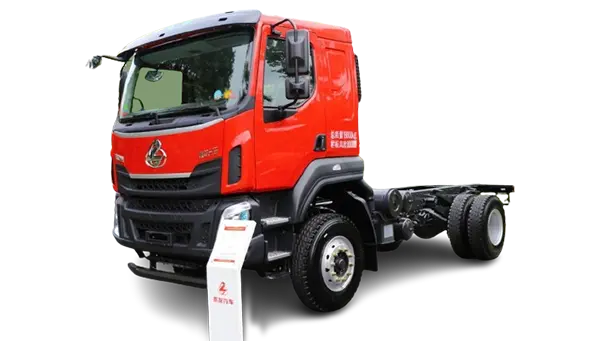 4X2 H5 Dump Truck
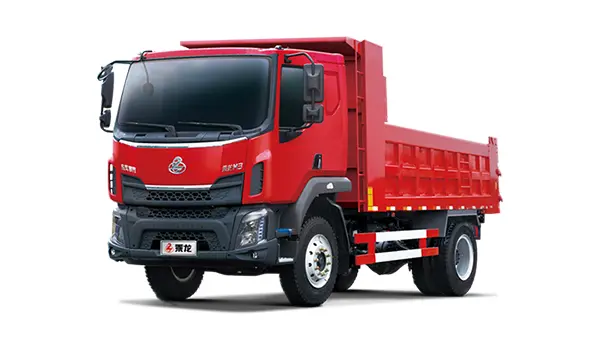 4X2 M3 Dump Truck
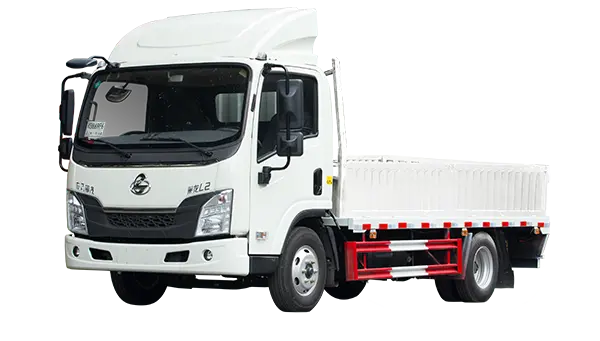 Light Truck L2
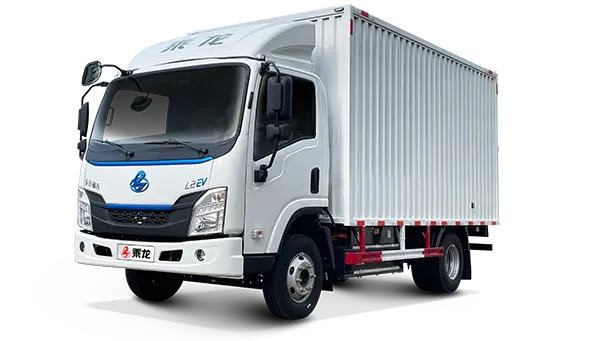 Light Truck L2 EV
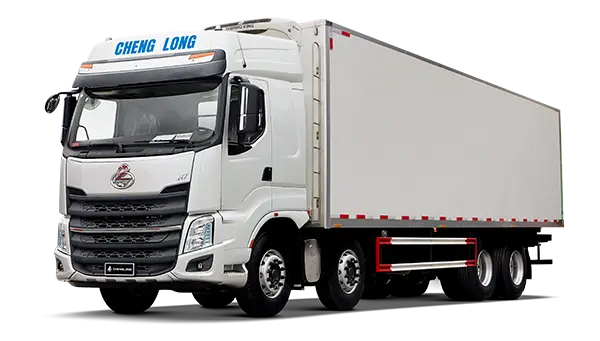 H7 Refrigeratior Truck
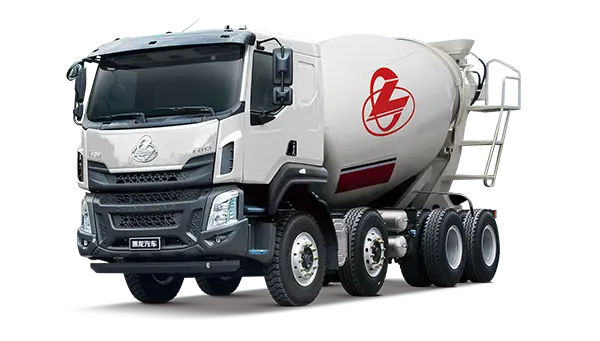 H5 Mixer Truck
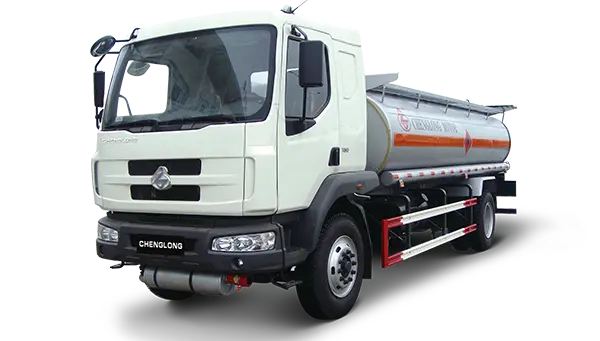 M3 Tank Truck
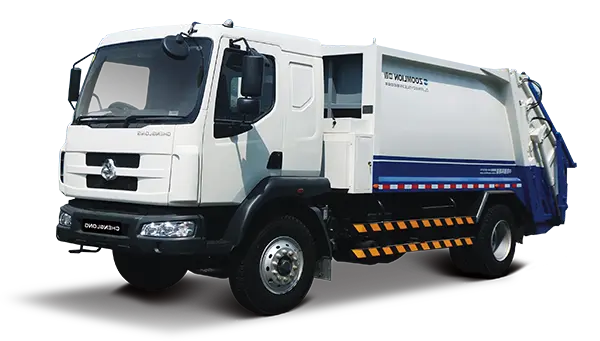 M3 Sanitation Truck
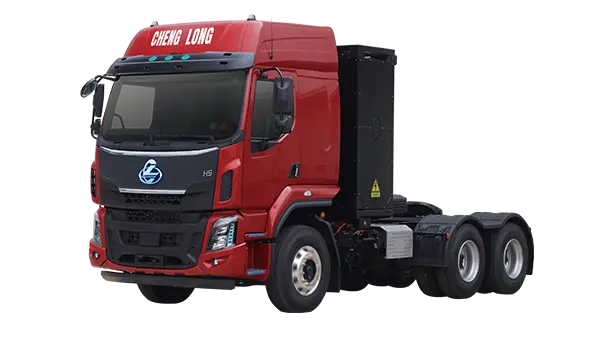 6X4 H7 Electric Truck
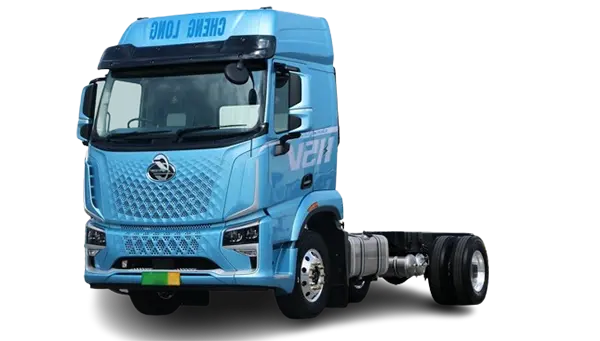 4X2 H5V Electric Truck
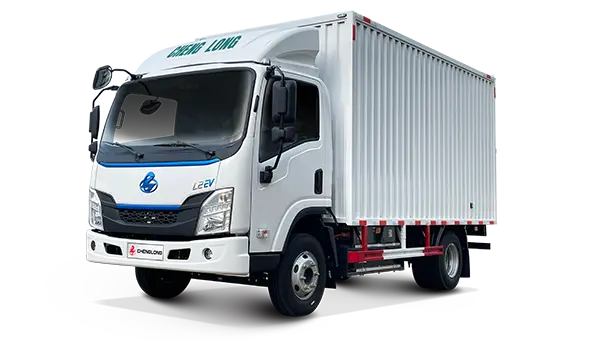 4X2 L2 Electric Truck