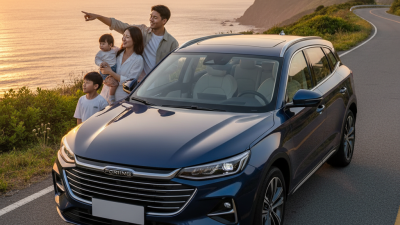
10 Electric Car Buying Tips for Global Buyers?
Buying an Electric Car is no longer a simple choice between brands and body styles. Global buyers face different charging standards, road conditions, energy prices, taxes, and service networks. A model that works well in Norway may feel inconvenient in rural Australia or Southeast Asia. Range figures also need caution. They are tested under controlled conditions, not during winter traffic with heating, luggage, and steep hills.
Automotive engineer and manufacturing analyst Sandy Munro has said, “The battery is the most important part of an electric vehicle.” That observation deserves attention. Before signing a contract, buyers should check battery chemistry, usable capacity, warranty terms, replacement costs, and the location of qualified technicians. A shiny dashboard cannot compensate for slow charging outside your city. Nor can a low purchase price erase expensive insurance, weak resale value, or limited parts availability.
This guide presents ten practical buying tips for international shoppers. It considers home charging, public charging access, connector compatibility, real-world range, software support, safety testing, and after-sales assistance. Buyers should also compare total ownership costs, not only the advertised price. Currency changes and local incentives can alter the calculation quickly.
Some recommendations will remain imperfect. Markets change. Manufacturer promises can age badly. Still, careful research can reduce unpleasant surprises, such as discovering that a supposedly fast charger requires a different connector. Your daily route matters more than a dramatic showroom number. Choose the vehicle around your actual climate, parking arrangement, commute, and repair options. That is less exciting than chasing maximum range, but usually more reliable.
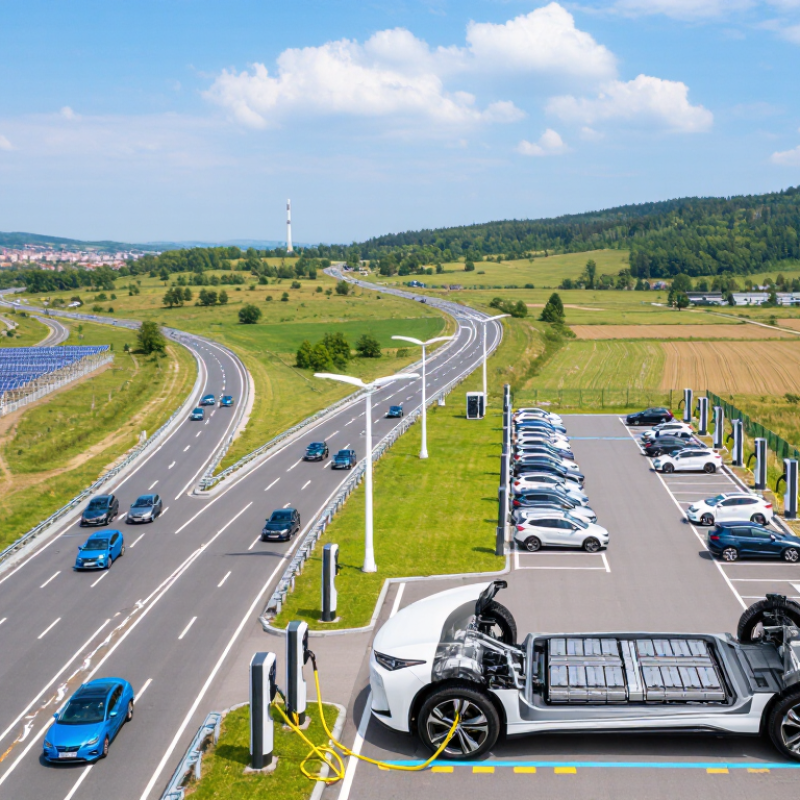
Define Your Driving Needs, Budget, and Electric Vehicle Priorities
10 Electric Car Buying Tips for Global Buyers
Define Your Driving Needs, Budget, and Electric Vehicle Priorities
Start with your real routine, not an impressive showroom figure. Record weekly distance, passenger needs, road conditions, and parking access. Then estimate your usable budget, including insurance, home wiring, public charging, taxes, and maintenance. A low purchase price can become expensive without reliable charging nearby. Keep a reserve for unexpected repairs.
The International Energy Agency reported nearly 14 million electric cars sold worldwide in 2023, representing about 18% of new car sales. Growth is strong, but infrastructure remains uneven. Check local charger density, payment methods, connector compatibility, and average charging speed. Confirm whether your building permits installation. Test the car on hills, rough roads, and in traffic. Cold climates can reduce driving range, while heavy air-conditioning also matters. Do not plan around the laboratory range alone. It is often optimistic.
Compare battery size, efficiency, warranty terms, safety results, cargo space, and software support. The Global EV Outlook 2024 notes that battery prices have fallen substantially over the past decade, yet replacement costs still deserve careful attention. Ask for written warranty conditions. Verify service locations and parts availability before paying a deposit. Consider resale value, but treat forecasts carefully. My checklist would still miss something: electricity tariffs change, and public chargers can be occupied. Leave time and money for that reality. Choose the vehicle that fits your ordinary Tuesday, not only your best weekend.
10 Electric Car Buying Tips for Global Buyers: Define Your Driving Needs, Budget, and EV Priorities
Charging time varies mainly with battery capacity and charging power. Use this comparison to match your driving routine with a practical battery size and home or public charging setup.
Reference calculation: charging time = battery capacity ÷ charging power. The 7.4 kW AC and 50 kW DC figures are common planning reference levels. Actual times can be longer because of charging losses, temperature, battery state of charge, and power tapering. Consider range, home charging access, electricity prices, maintenance, safety features, local incentives, and resale value before buying.
Check Total Ownership Costs, Incentives, Warranty, and Maintenance
10 Electric Car Buying Tips for Global Buyers?
Check Total Ownership Costs, Incentives, Warranty, and Maintenance
An attractive monthly payment can hide expensive ownership costs. Begin with the full ownership cost, not the showroom price. Add purchase taxes, financing, home-charging equipment, public charging, insurance, tires, electricity, and resale value. The IEA’s Global EV Outlook 2024 reported almost 14 million electric-car sales in 2023, showing rapidly expanding choice. However, electricity prices and charging access differ sharply between countries. Calculate three driving scenarios: apartment charging, home charging, and frequent highway charging. That uncomfortable comparison can change the best choice.
Treat incentives as conditional money. Government credits may depend on income, vehicle price, local assembly, battery sourcing, or registration date. Verify rules with an official tax or transport authority before signing. Do not place a refundable credit into your budget too early. Read the warranty line by line. Check battery-capacity coverage, time limits, mileage limits, corrosion protection, roadside assistance, and transfer rules. Coverage can differ across regions, even for identical vehicles. Ask who pays for diagnosis and transport when a fault appears far from home.
Maintenance is usually simpler, not free. U.S. Department of Energy guidance notes fewer moving parts and no routine oil changes for electric vehicles. Still, tires, brakes, coolant systems, cabin filters, software, and battery thermal systems need attention. Regenerative braking may reduce brake wear, while heavier vehicles can stress tires. Request a written service schedule and local labor prices. Keep receipts, charging records, and warranty messages. One weak assumption remains: resale values are difficult to predict. Build a conservative estimate, then test it against faster depreciation.
Evaluate Safety, Technology, Climate Performance, and Interior Space
10 Electric Car Buying Tips for Global Buyers?
Evaluate Safety, Technology, Climate Performance, and Interior Space
Safety should begin with independent evidence, not a glossy dashboard. Check the latest crash-test rating, pedestrian protection score, seat-belt reminders, and emergency braking performance. Testing protocols change, so an old five-star result may not equal current protection. Euro NCAP’s newer assessments examine assisted driving more strictly. Read the detailed report. Do not trust the headline alone. During a test drive, sit behind your normal driving position and inspect visibility, mirror coverage, door strength, and child-seat access. Tip one is simple: bring your family.
Technology must solve daily problems. Compare charging speed, battery preconditioning, navigation accuracy, software-update support, and offline controls. The IEA’s Global EV Outlook 2024 reported more than four million public charging points worldwide by the end of 2023. Yet availability remains uneven between cities, highways, and rural areas. Test the charging connector yourself. A powerful figure can feel useless in winter traffic. Also check whether essential functions work without a phone or subscription. I have found impressive interfaces distracting after ten minutes.
Climate performance deserves careful arithmetic. The ICCT estimated that battery-electric cars registered in Europe in 2021 produced about 69% fewer lifecycle emissions than comparable petrol cars. Results vary with electricity generation, vehicle size, battery production, and driving distance. Ask for usable battery capacity, warranty terms, and realistic cold-weather range. Interior space needs measurement, not optimism: place a suitcase behind the rear seats, test knee room, and check storage under the floor. Some cabins look spacious but waste room around bulky hardware. Reflect honestly on your routine. A smaller vehicle may fit better, even when the larger one feels more reassuring.
Verify Local Regulations, Service Access, Resale Value, and Reliability
Before paying a deposit, verify local regulations in writing.
Check import taxes, registration rules, charging standards, insurance, and battery warranty requirements. The International Energy Agency’s Global EV Outlook 2024 reports that electric vehicle sales exceeded 17 million worldwide in 2023. Rules still differ sharply between markets. A vehicle approved elsewhere may need extra certification locally. Ask the seller for the exact compliance documents.
Service access matters more than a glossy range figure.
Map trained repair centers before purchase. Ask about diagnostic equipment, high-voltage safety training, replacement-part lead times, and roadside support. Geotab’s battery-health analysis found that climate, charging habits, and vehicle age influence battery degradation. Request a battery state-of-health report, not only a dashboard estimate. I once trusted a range display too quickly. That was careless.
Resale value deserves a conservative calculation.
Cox Automotive’s 2024 market analysis showed used electric vehicle prices remained volatile in several major markets. Compare three-year depreciation, local demand, warranty transfer rules, and battery replacement costs. Keep charging records and service invoices. A clean history helps, but it cannot erase weak local demand. Test the car on a cold morning, inspect charging speed, and price insurance before signing. Small details often become expensive lessons.

 T5EVO
 T5L
 T5
 Friday
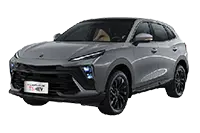 T5 HEV
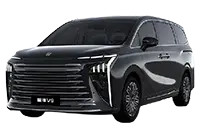 V9
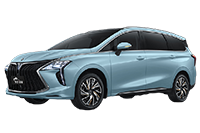 UTOUR (M4)
 M5 EV
 M5
 Lingzhi Plus
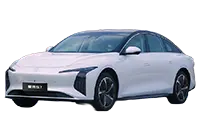 S7
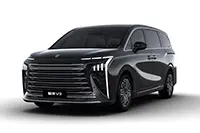 V9 HEV
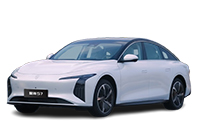 S7
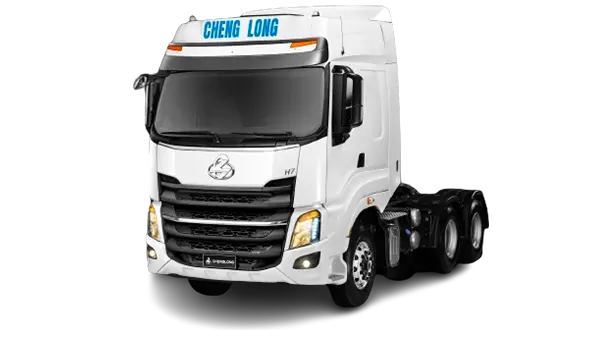 6X4 H7 Tractor
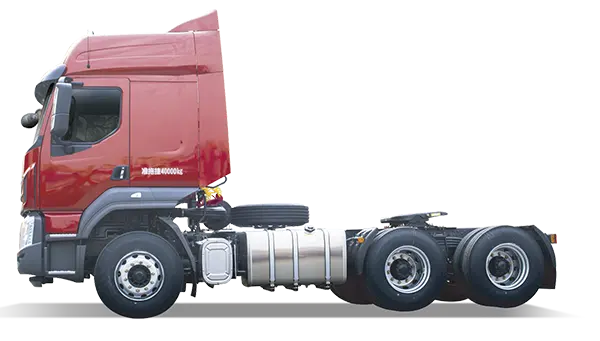 6X4 H5 Tractor
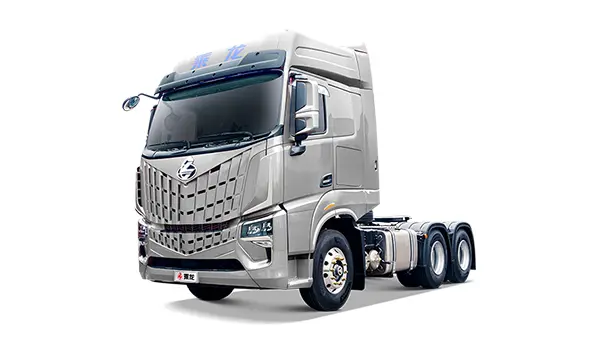 6X4 HK Tractor
 4X2 H7 Tractor
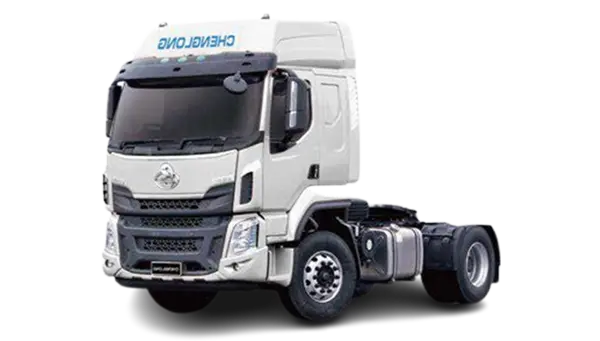 4X2 H5Tractor
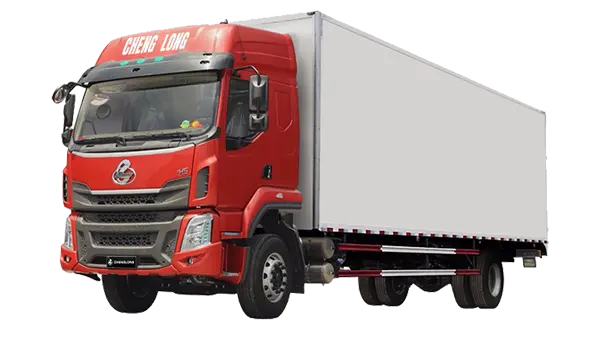 4X2 H5 Cargo Truck
 4X2 M3 Cargo Truck
 4X2 L2 Cargo Truck
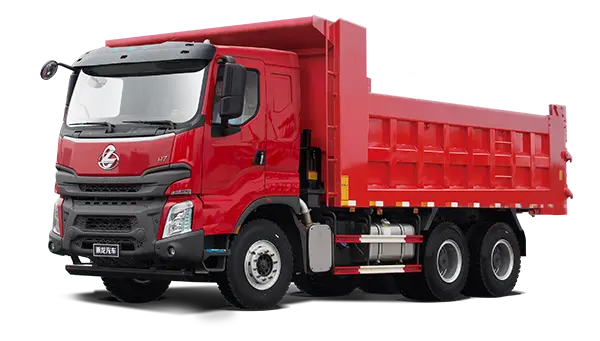 6X4 H7 Dump Truck
 6X4 H5 Dump Truck
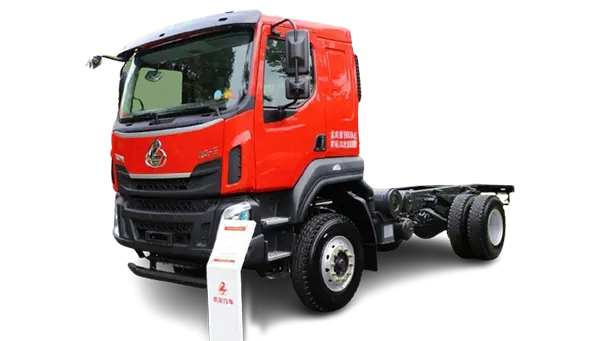 4X2 H5 Dump Truck
 4X2 M3 Dump Truck
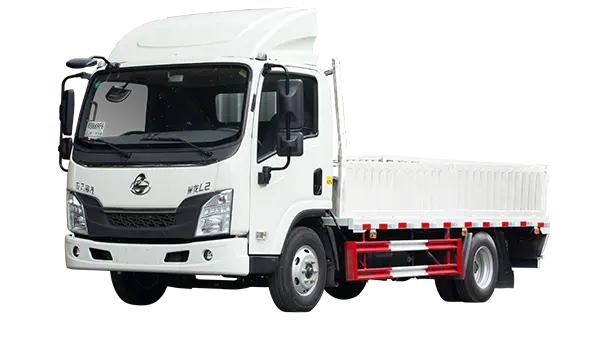 Light Truck L2
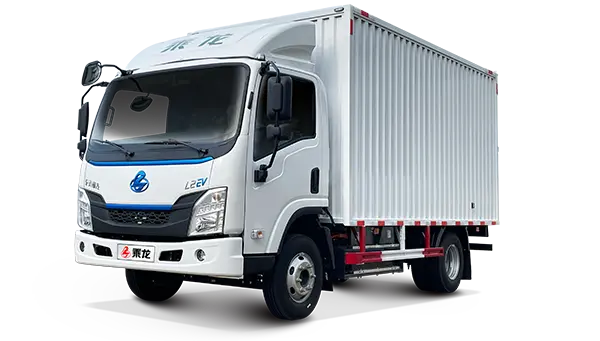 Light Truck L2 EV
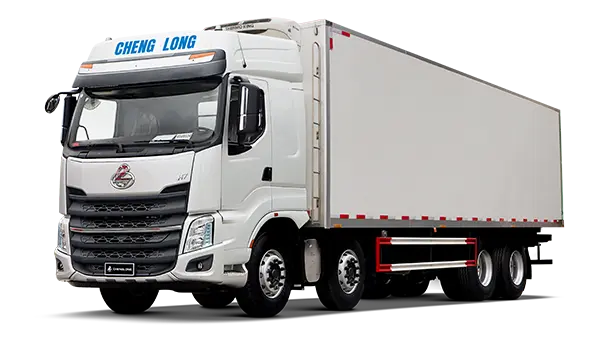 H7 Refrigeratior Truck
 H5 Mixer Truck
 M3 Tank Truck
 M3 Sanitation Truck
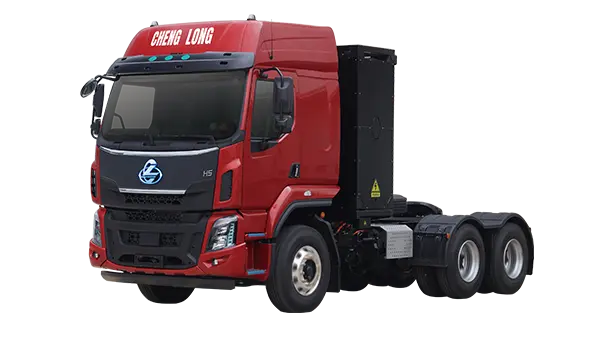 6X4 H7 Electric Truck
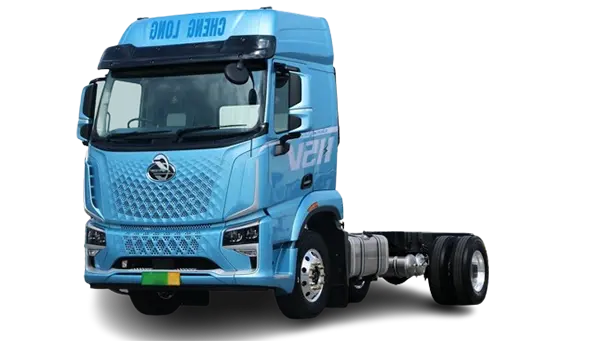 4X2 H5V Electric Truck
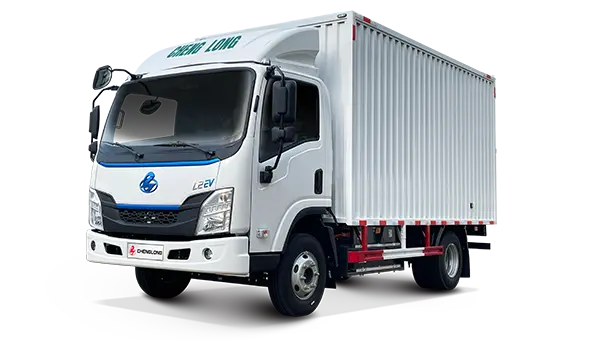 4X2 L2 Electric Truck