10 Essential Tips for Choosing the Right Dump Truck for Your Needs?
Choosing the right Dump Truck is a critical decision for many in the construction and mining sectors. As industry expert John Smith, a veteran in heavy equipment consulting, once stated, “Selecting the right Dump Truck can make or break your project efficiency.” His words highlight the importance of this choice.
When deciding, consider your specific needs. The size of loads, terrain, and job duration all matter. For instance, a compact Dump Truck may suffice for smaller jobs, while larger projects may require robust models. Yet, many overlook maintenance costs. A cheaper initial investment often leads to higher long-term expenses.
Additionally, think about hiring versus buying. Both options have merits, but should align with your operational goals. Some may find themselves with a Dump Truck that isn’t suitable for their workload. This can lead to inefficiencies and frustration. Reflecting on these aspects ensures a more informed choice, ultimately leading to better project outcomes.
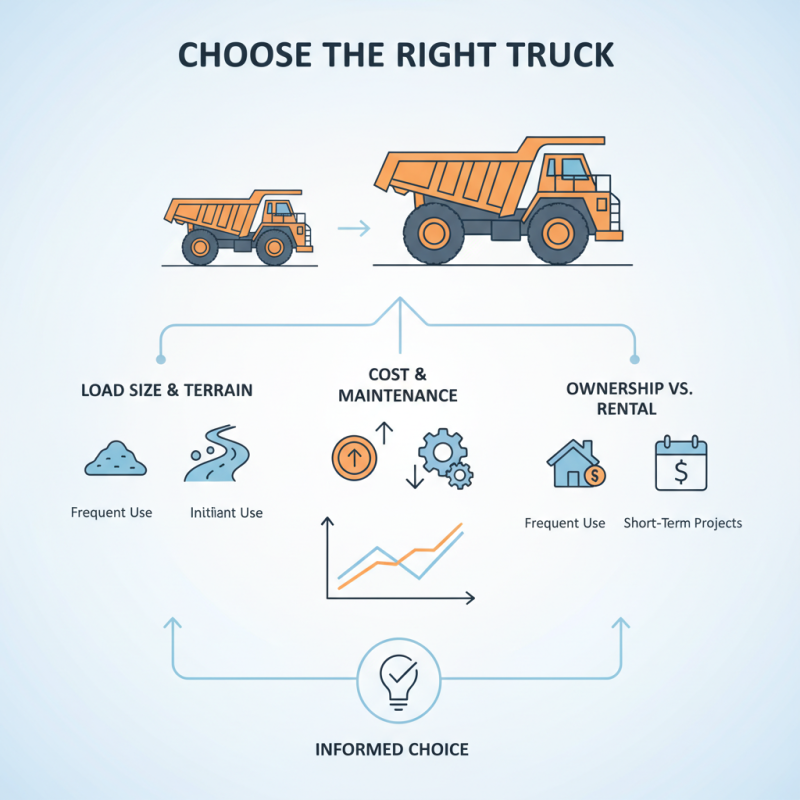
Understanding Your Dump Truck Requirements and Usage
When selecting a dump truck, understanding your specific requirements is crucial. Different projects demand varying capacities and specifications. For instance, a study by the American Trucking Associations (ATA) indicates that the average dump truck carries about 10 to 14 tons per load. Knowing how much weight you need to transport helps in choosing the right model. Are you working on a small residential site or a large construction project? The answer will directly affect your choice.
Consider your daily usage patterns. You might require a truck for frequent short hauls or occasional long-distance trips. A report from the Federal Highway Administration highlights that trucks operating in urban areas often work up to 35% of their time idling. This idling impacts fuel efficiency and operational costs. Thus, you must weigh these factors against your work schedule. Reflect on your needs regularly. You may find that your requirements evolve over time, making it essential to reassess your choice.
Evaluating Different Types of Dump Trucks Available in the Market
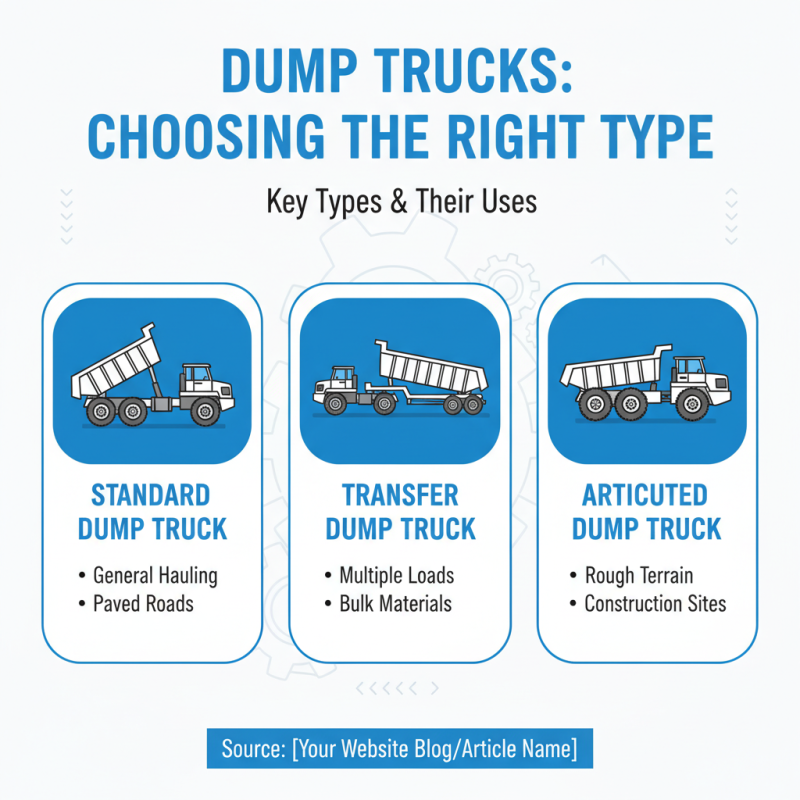
When evaluating different types of dump trucks, it's vital to consider the specific tasks they will perform. Dump trucks come in various configurations and sizes. Common types include standard dump trucks, transfer dump trucks, and articulated dump trucks. Each type has unique features tailored for particular jobs. For instance, standard dump trucks are ideal for general hauling tasks. In contrast, articulated dump trucks excel in rough terrains, making them suitable for construction sites.
A report from the American Trucking Associations indicates that the demand for dump trucks increased by 5% last year. This growth highlights the importance of selecting the right type for optimal efficiency. If a job site primarily involves off-road conditions, an articulated dump truck might be the best choice. However, they are often more expensive and have a steeper learning curve for new operators. Failure to consider these factors can lead to operational inefficiencies.
Weight capacity is another crucial factor. According to industry standards, most standard dump trucks can carry between 10 to 16 tons. But exceeding this capacity can result in higher maintenance costs and reduced lifespan. Understanding these distinctions is essential for making informed decisions. Misjudging your needs may lead to overspending or inadequate equipment for your projects.
Key Specifications to Consider When Selecting a Dump Truck
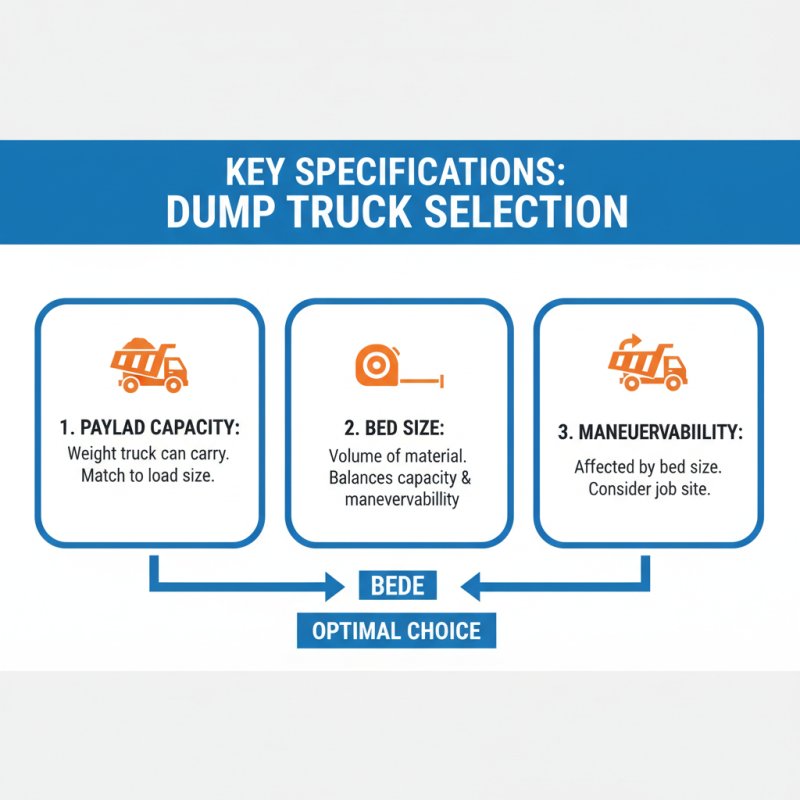
Choosing the right dump truck involves understanding key specifications. Start with payload capacity. Decide how much weight you need to carry. Too little capacity can lead to multiple trips. Too much can strain the truck. Consider the bed size as well. A larger bed holds more materials but may affect maneuverability.
Next, pay attention to engine power. The horsepower of the dump truck matters significantly. A powerful engine can handle tough terrains better. Fuel efficiency is another critical aspect. A truck with poor fuel efficiency can result in higher operating costs. Also, consider the transmission type. Automatic transmissions offer ease of use, while manuals may provide better control.
Don't forget about the truck's dimensions. Larger trucks can be cumbersome in tight spaces. You might face issues on narrow job sites. Review the suspension system too, as it impacts stability, especially when carrying heavy loads. Think about maintenance needs, as some trucks require more upkeep than others. Balancing these factors is essential for making a sound decision.
Assessing the Importance of Load Capacity and Power Features
When choosing a dump truck, load capacity is a crucial feature. It determines how much material you can carry. If your projects often involve heavy loads, select a truck with high capacities. Various models offer different maximum weights. A truck that can't handle the load may lead to operational delays.
Power features also play a significant role. Understanding engine specifications helps in assessing performance. A powerful engine will manage tough terrains better. If you're working in hilly areas, adequate horsepower is essential. Sometimes, a truck may seem powerful on paper but underperforms in real situations.
Before making a choice, reflect on your specific needs. What types of materials will you transport? How often will you face rough conditions? Don't rush the decision. Take your time to evaluate what features are most crucial for your operations. You want a dump truck that not only meets your current needs but also adapts to future projects.
Load Capacity vs. Power Features in Dump Trucks
Budgeting for Purchase and Maintenance of Your Dump Truck
Budgeting for the purchase and maintenance of a dump truck requires careful planning. The initial cost is only part of the equation. You must also consider ongoing expenses. Fuel, insurance, and regular maintenance can add up quickly. Setting a realistic budget helps avoid future financial strain.
When buying a dump truck, take a close look at used options. They can be more affordable but may require more maintenance. Repairs can become costly if not properly evaluated before purchase. It's wise to create a maintenance fund. Putting aside a small percentage of your budget for unexpected repairs helps cushion against financial surprises.
Think about your operational needs too. Will you be using the truck frequently? If yes, it may be worth investing in a newer model. However, if your use is sporadic, a used truck can meet your needs without breaking the bank. Having enough budget flexibility is crucial. Unexpected expenses can always pop up, impacting your overall strategy. It's a fine balance between cost and reliability.
10 Essential Tips for Choosing the Right Dump Truck for Your Needs
| Tip Number |
Tip |
Factors to Consider |
Estimated Costs (USD) |
| 1 |
Assess Load Requirements |
Payload capacity, weight distribution |
$30,000 - $75,000 |
| 2 |
Choose the Right Size |
Dimensions, maneuverability |
$25,000 - $50,000 |
| 3 |
Fuel Efficiency |
Engine type, fuel type |
$2,000 - $5,000/year |
| 4 |
Consider Load Type |
Material type, unloading method |
$20,000 - $60,000 |
| 5 |
Evaluate Brand Reliability |
Reviews, service history |
N/A |
| 6 |
Check Maintenance Costs |
Parts availability, service intervals |
$1,500 - $3,000/year |
| 7 |
Review Insurance Options |
Liability, cargo insurance |
$1,000 - $3,000/year |
| 8 |
Inspect for Safety Features |
Brakes, lights, stability |
N/A |
| 9 |
Set a Budget |
Purchase price, operating costs |
$35,000 - $80,000 |
| 10 |
Research Resale Value |
Market demand, age |
$5,000 - $25,000 |

 T5EVO
T5EVO T5L
T5L T5
T5 Friday
 T5 HEV
 V9
V9 UTOUR (M4)
 M5 EV
M5 EV M5
M5 Lingzhi Plus
 S7
S7 V9 HEV
 S7
S7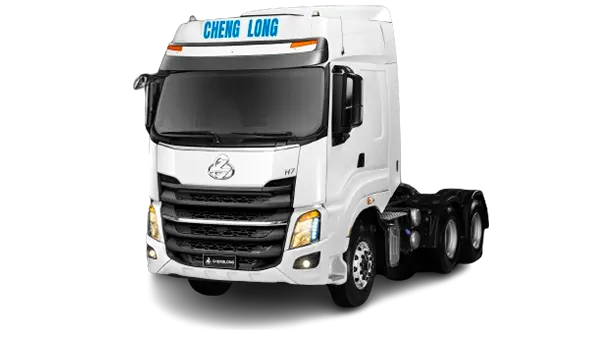 6X4 H7 Tractor
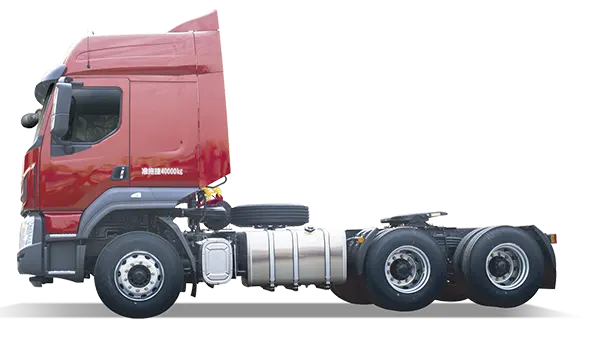 6X4 H5 Tractor
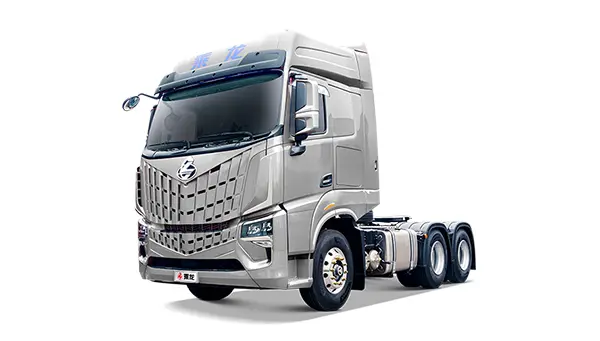 6X4 HK Tractor
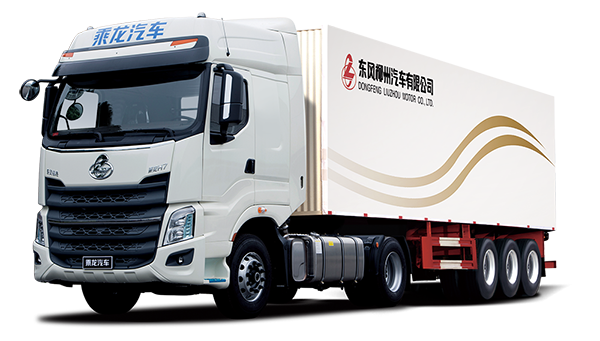 4X2 H7 Tractor
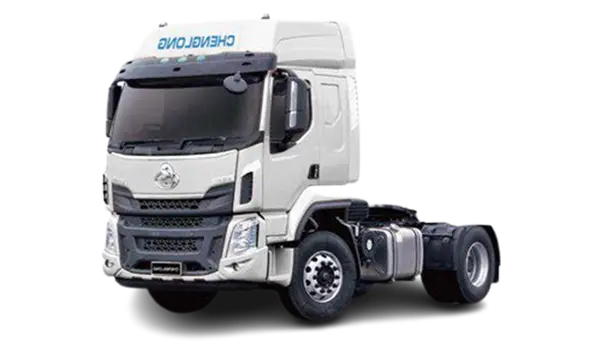 4X2 H5Tractor
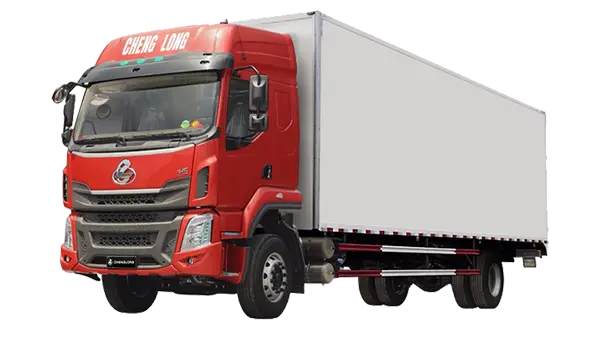 4X2 H5 Cargo Truck
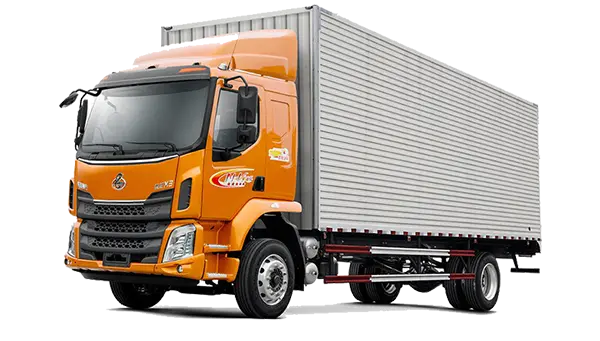 4X2 M3 Cargo Truck
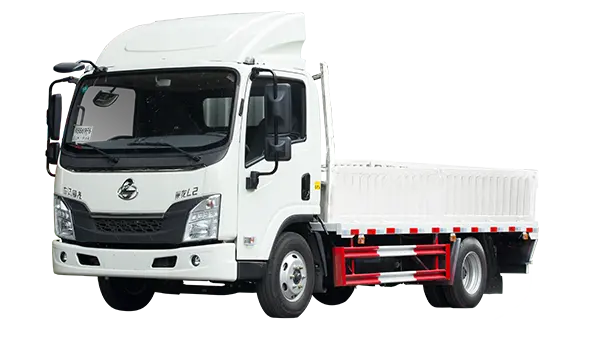 4X2 L2 Cargo Truck
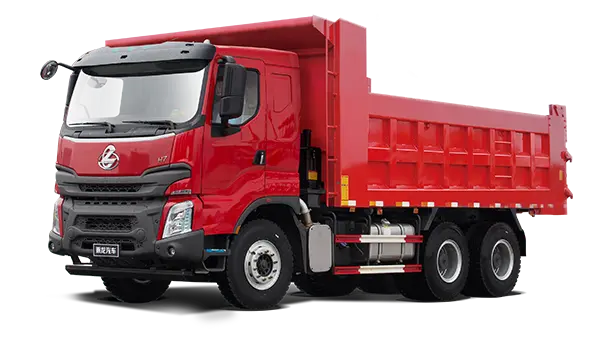 6X4 H7 Dump Truck
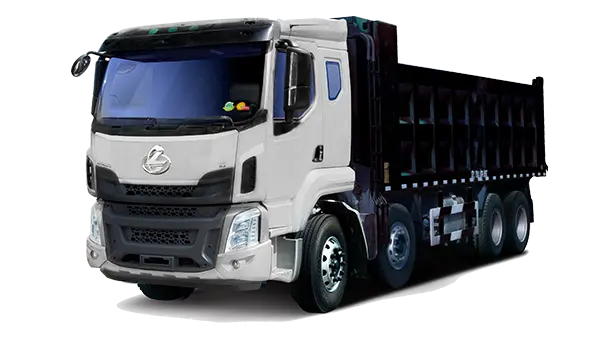 6X4 H5 Dump Truck
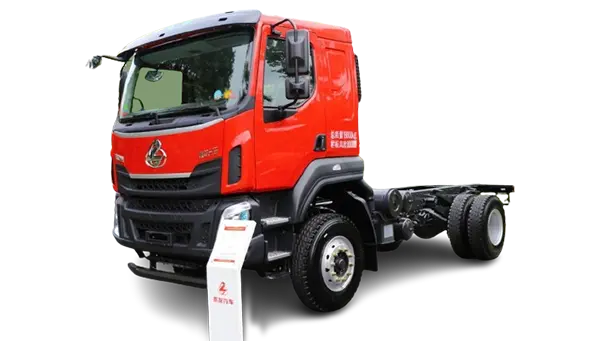 4X2 H5 Dump Truck
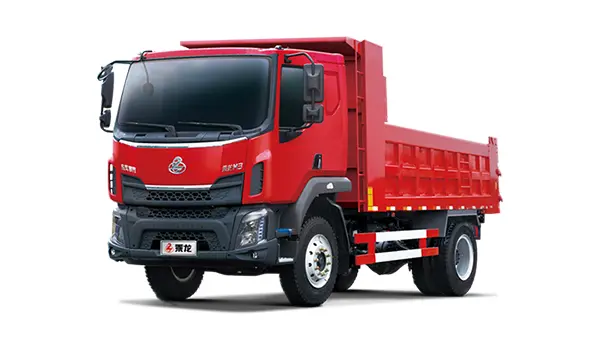 4X2 M3 Dump Truck
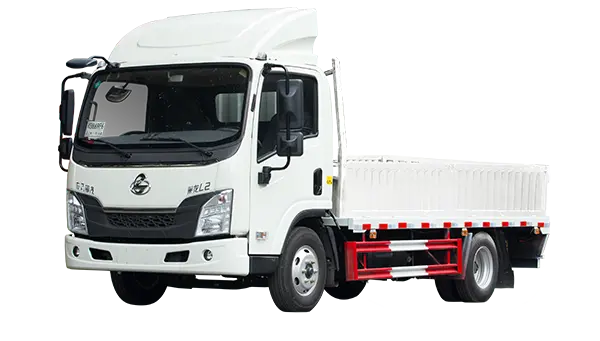 Light Truck L2
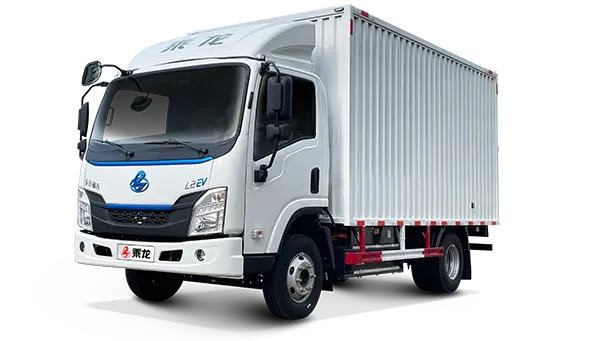 Light Truck L2 EV
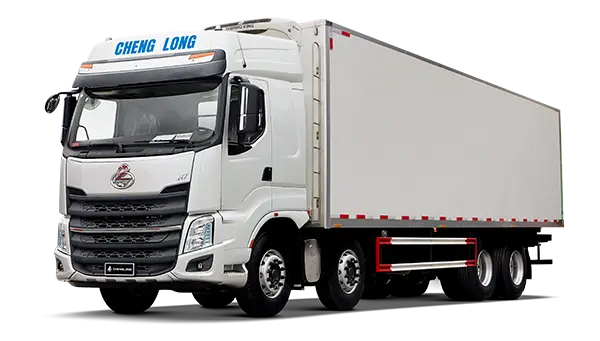 H7 Refrigeratior Truck
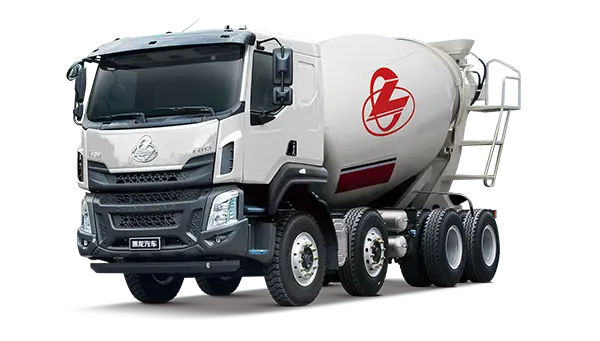 H5 Mixer Truck
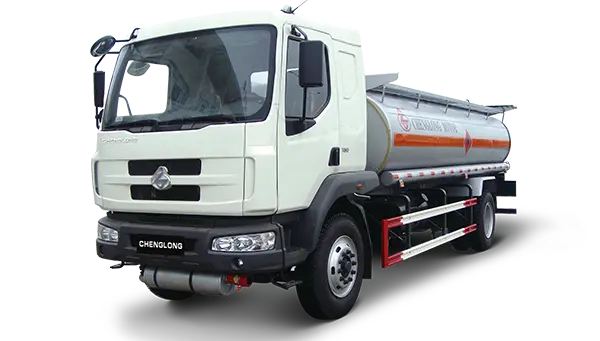 M3 Tank Truck
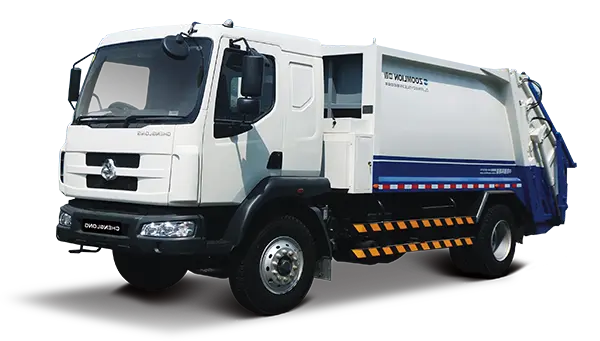 M3 Sanitation Truck
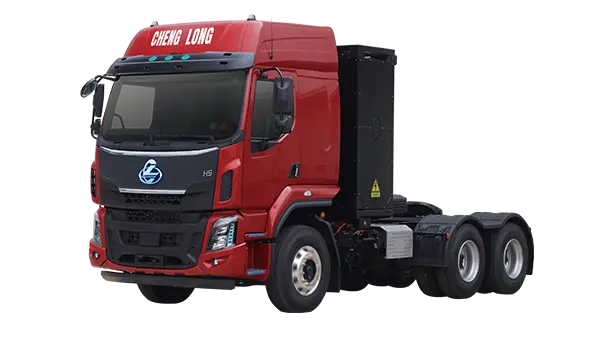 6X4 H7 Electric Truck
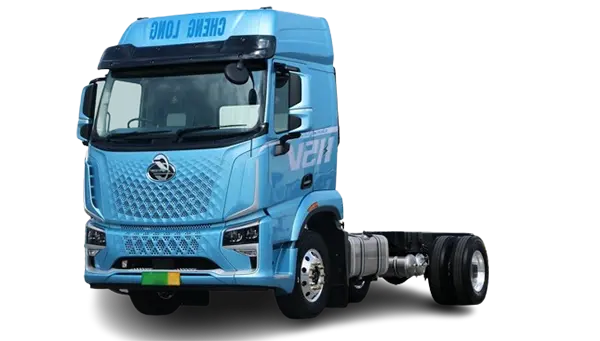 4X2 H5V Electric Truck
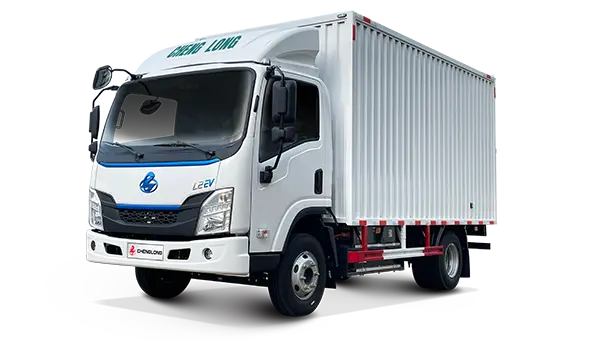 4X2 L2 Electric Truck