10 Essential Tips for Less Than Truckload Shipping Success?
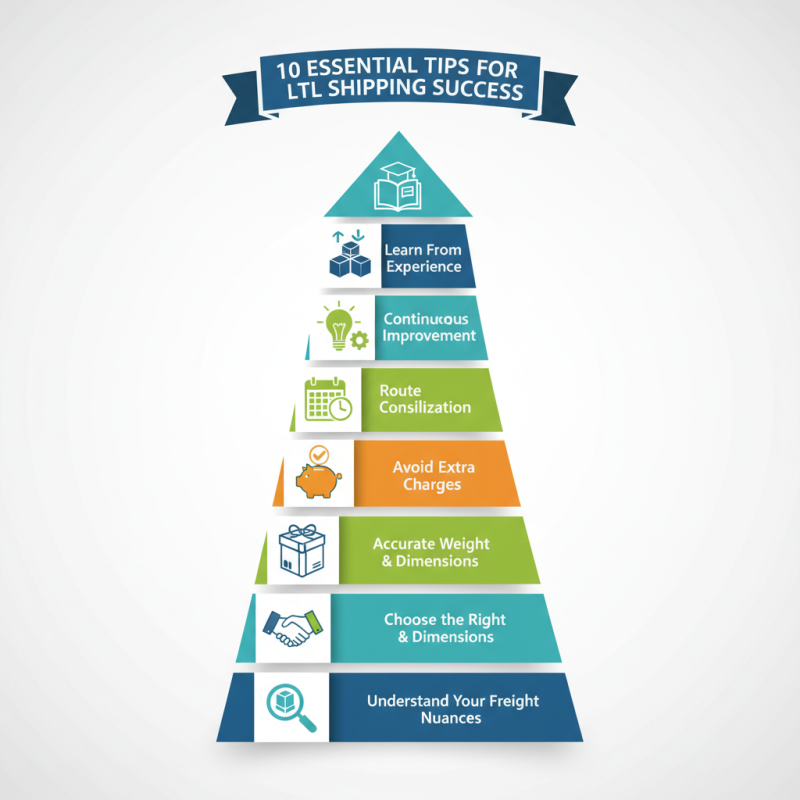
In the world of freight, "Less Than Truckload" (LTL) shipping is a crucial area for many businesses. John Miller, a renowned expert in logistics, once said, "Success in LTL shipping comes from understanding the nuances of your freight." This statement highlights the importance of knowledge in optimizing shipping processes.
Navigating LTL shipping can be challenging. For many, it starts with choosing the right freight carrier. Every detail matters, from packaging to weight restrictions. Mistakes can be costly. For instance, improperly packed goods may incur extra charges. The fine line between success and failure often lies in these small details.
Maximizing efficiency requires careful planning. Considerations include scheduling, route optimization, and load consolidation. Each step impacts delivery times and overall costs. There is always room for improvement. Reflecting on past mistakes can lead to better strategies in the future. In the LTL industry, learning from experience is the key to achieving lasting success.
Understanding Less Than Truckload (LTL) Shipping Basics
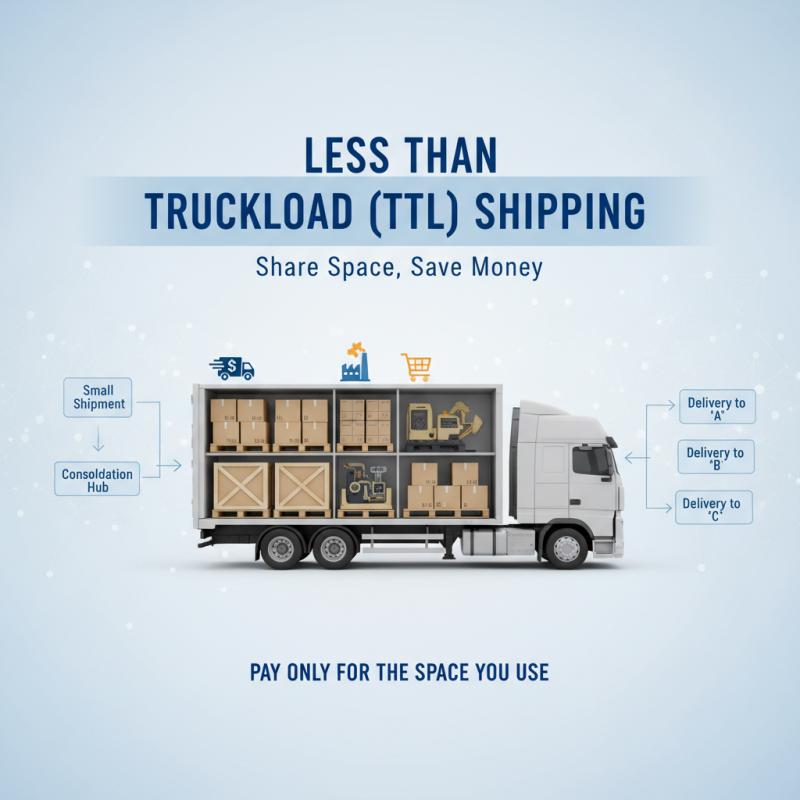
Less Than Truckload (LTL) shipping is a cost-effective solution for transporting smaller freight. Unlike full truckload shipping, LTL allows businesses to share a truck with other shipments. This means you pay only for the space your cargo occupies. It is ideal for companies not needing a full truckload. However, this method does have its challenges.
Understanding LTL shipping basics is crucial. Proper packaging is key to minimize damage during transit. Each shipment must adhere to weight and size restrictions. In addition, clear labeling helps avoid delays. Consider using freight class when quoting rates. This classification influences the pricing and service level of your shipment. Sometimes, misclassification leads to unexpected charges.
Communication with your carrier is essential. It helps clarify delivery timelines and tracking details. Be prepared for variations in delivery times, as multiple stops can complicate schedules. Reflection on past shipments can reveal patterns. Maybe certain routes consistently face delays. Adapting your strategy based on this information can improve future shipping experiences.
Choosing the Right LTL Carrier for Your Needs
Choosing the right LTL carrier can significantly impact your shipping success. According to industry reports, over 60% of businesses experience delays due to carrier misalignment. Selecting a carrier that understands your specific needs can alleviate such issues. Look for characteristics like reliability, capacity, and service area. A carrier’s historical performance is essential. Review their on-time delivery rates. Aim for a carrier with an on-time percentage exceeding 95%.
Cost is another critical factor. Many freight costs are tied to weight and dimensions. Understand how each carrier's pricing structure works. Some carriers may have hidden fees that spike your costs unexpectedly. Additionally, take note of their claims process. A simple and straightforward procedure is invaluable. Some carriers struggle with claim settlements, leading to lengthy delays. According to FreightWaves, nearly 25% of claims in LTL shipping face disputes. Avoid carriers with a history of complicated claims.
Communication is key in LTL shipping. A responsive carrier can make a difference, especially in time-sensitive situations. Seek feedback from peers. Their experiences can provide insights into carriers' strengths and weaknesses. It’s common to find carriers that excel in one area but falter in another. Ensure that the chosen carrier aligns with your shipping goals. Reflect on past shipping experiences to identify your priorities clearly.
Key Factors to Consider When Pricing LTL Shipments
Pricing LTL shipments requires focus on key factors. The size and weight of the shipment play a significant role. Know the dimensions and weight of your cargo. Accurate measurements help avoid unexpected charges.
Freight class is another crucial aspect. It categorizes shipments based on value, density, and handling. Understanding this classification can lead to better rates. Sometimes, smaller shipments cost more per unit. This can be frustrating, but it’s vital to know in advance.
Consider fuel surcharges and accessorial fees. These can add extra costs. Evaluate each shipment's specific needs. For example, do you require inside delivery? This could increase the final price. Always ask your freight provider for a detailed breakdown. This can aid in decision-making.
Lastly, always compare quotes from multiple carriers. Prices can vary significantly between providers. This step is often overlooked but essential. Don’t rush the process. A careful review may reveal hidden savings.
10 Essential Tips for Less Than Truckload Shipping Success
Packing and Labeling Best Practices for LTL Deliveries
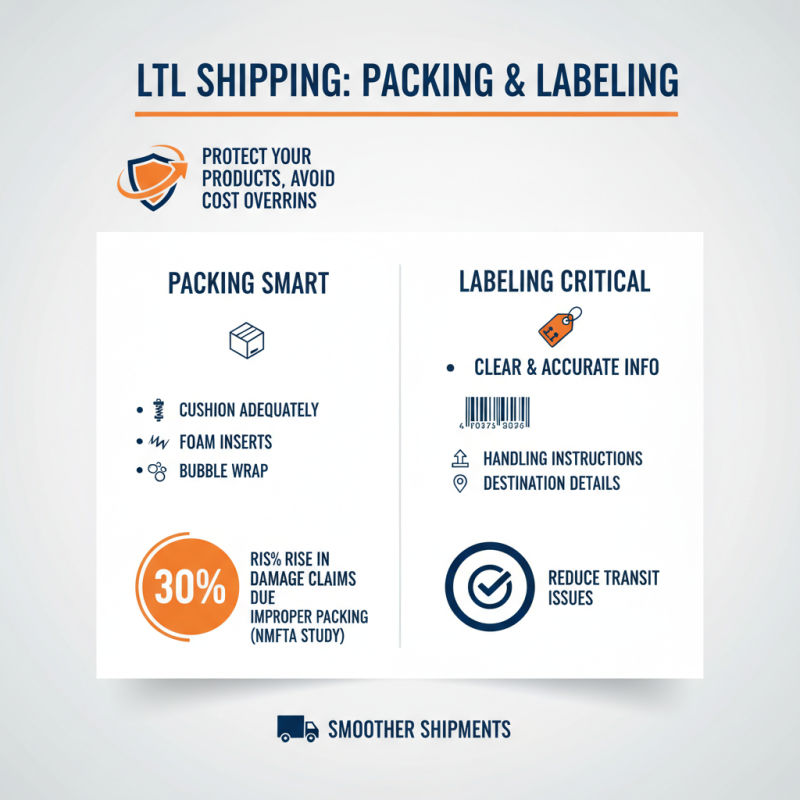
When it comes to LTL shipping, packing and labeling play crucial roles. A study by the National Motor Freight Traffic Association indicates that improper packing can lead to a 30% increase in damage claims. To avoid cost overruns, ensure products are adequately cushioned. For example, using foam inserts or bubble wrap can protect fragile items during transport.
Labeling is just as important. Poor labels can lead to misdirected shipments, causing delays. According to the Freight Transportation Association, mislabeling can result in a 20% increase in transit times. Utilizing clear, legible labels with all necessary information can drastically improve delivery accuracy. Always double-check that your address includes zip codes and any relevant delivery instructions.
Despite these factors, mistakes are common. Some shippers still overlook weight limitations. A shipment exceeding weight limits may incur unexpected fees. Additionally, many don’t track their shipments efficiently. According to industry reports, untracked shipments can increase customer complaints significantly. Regular audits of packing and labeling processes can shine a light on these pitfalls.
Tracking and Managing Your LTL Shipments Effectively
Managing Less Than Truckload (LTL) shipments effectively requires careful tracking. According to industry reports, over 20% of LTL shipments are delayed due to poor visibility. This makes tracking a critical component of successful logistics. Using real-time tracking technologies can improve visibility. It allows businesses to monitor every stage of the shipment process.
One essential tip is to choose the right carrier for your needs. Carriers differ significantly in performance metrics. For example, on-time delivery percentages can vary by more than 15% among carriers. A wrong choice can lead to delays. Always analyze carrier performance data before penning a deal.
Another important aspect is creating a robust communication plan. Keeping all stakeholders informed enhances coordination. Regular updates can prevent misunderstandings. Emphasizing communication strategies can lead to smoother operations.
Consider utilizing software that integrates various tracking tools. These can automate updates and reduce manual checks. However, ensure that systems are user-friendly. Selling these tools without proper training can lead to frustrations. Effective tracking should be about ease of use.
10 Essential Tips for Less Than Truckload Shipping Success - Tracking and Managing Your LTL Shipments Effectively
| Tip Number |
Tip Description |
Benefits |
Implementation Strategy |
| 1 |
Choose the Right Carrier |
Cost-effectiveness and reliability |
Research and compare options |
| 2 |
Optimize Packing |
Maximized space and reduced costs |
Use appropriate packaging materials |
| 3 |
Schedule Regular Pickups |
Improved inventory control |
Set a consistent schedule |
| 4 |
Utilize Tracking Technology |
Enhanced visibility and control |
Invest in tracking software |
| 5 |
Understand Load Sizes |
Prevent additional charges |
Train staff on load configurations |
| 6 |
Communicate with Your Carrier |
Faster issue resolution |
Establish open lines of communication |
| 7 |
Review BOL Accuracy |
Reduced risk of disputes |
Double-check documentation |
| 8 |
Implement Insurance |
Financial protection against loss |
Consult with insurance providers |
| 9 |
Analyze Shipment Data |
Identify trends and issues |
Leverage analytics tools |
| 10 |
Train Your Team |
Improved efficiency and service |
Conduct regular training sessions |

 T5EVO
T5EVO T5L
T5L T5
T5 Friday
 T5 HEV
 V9
V9 UTOUR (M4)
 M5 EV
M5 EV M5
M5 Lingzhi Plus
 S7
S7 V9 HEV
 S7
S7 6X4 H7 Tractor
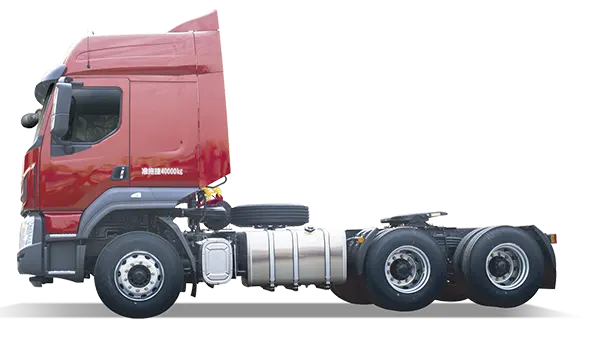 6X4 H5 Tractor
 6X4 HK Tractor
 4X2 H7 Tractor
 4X2 H5Tractor
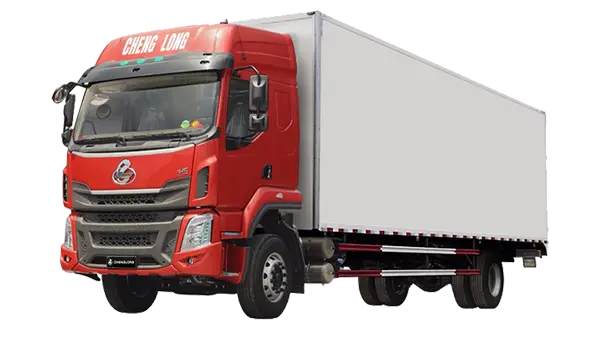 4X2 H5 Cargo Truck
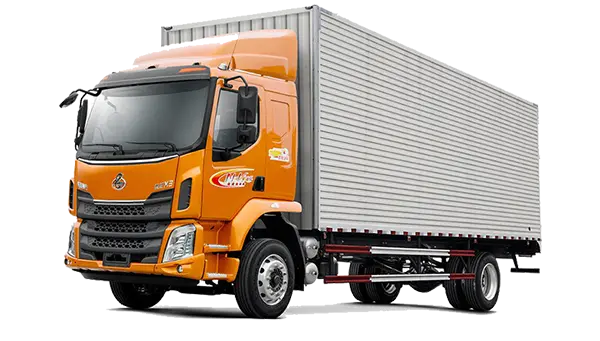 4X2 M3 Cargo Truck
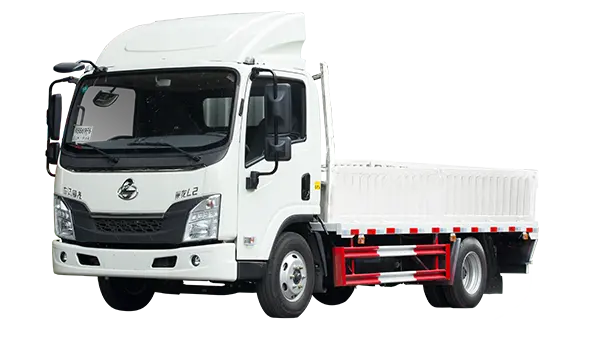 4X2 L2 Cargo Truck
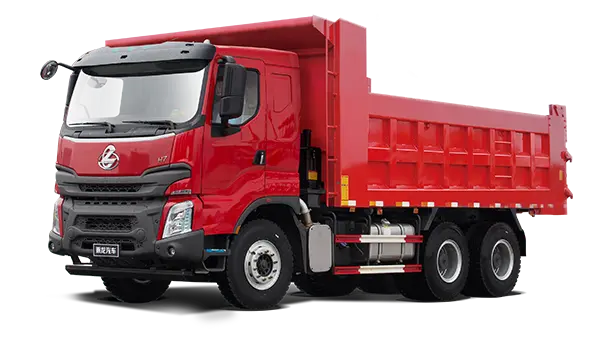 6X4 H7 Dump Truck
 6X4 H5 Dump Truck
 4X2 H5 Dump Truck
 4X2 M3 Dump Truck
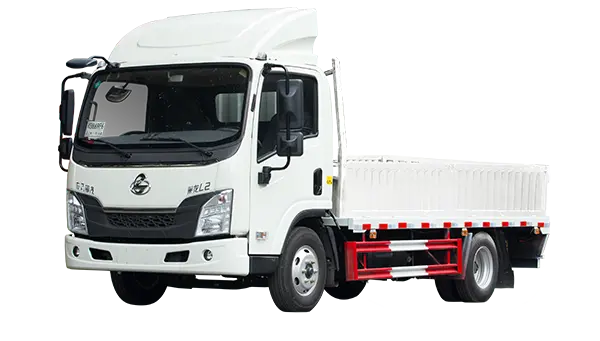 Light Truck L2
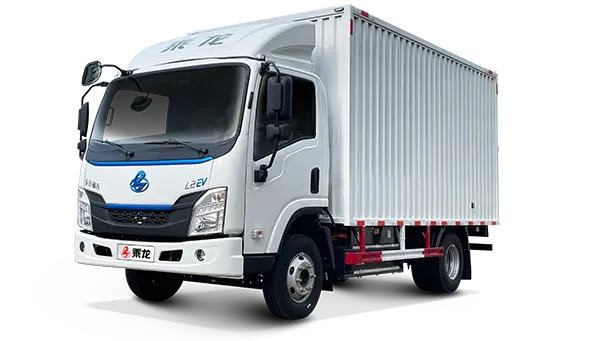 Light Truck L2 EV
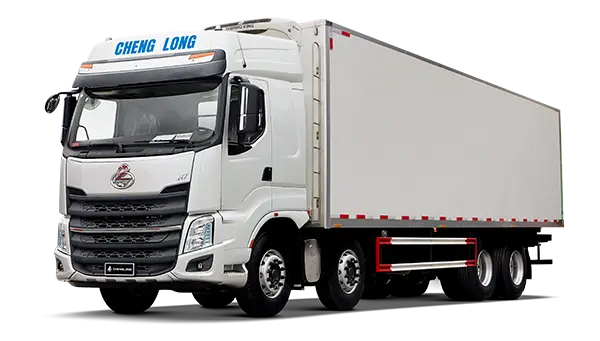 H7 Refrigeratior Truck
 H5 Mixer Truck
 M3 Tank Truck
 M3 Sanitation Truck
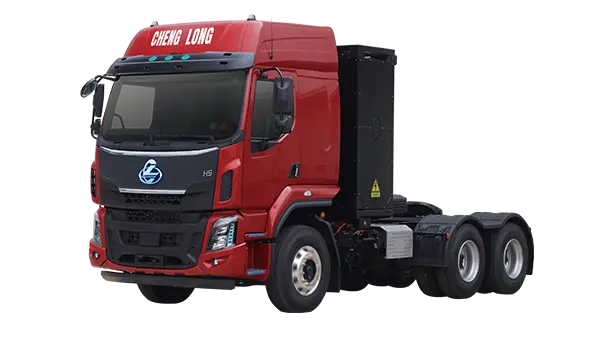 6X4 H7 Electric Truck
 4X2 H5V Electric Truck
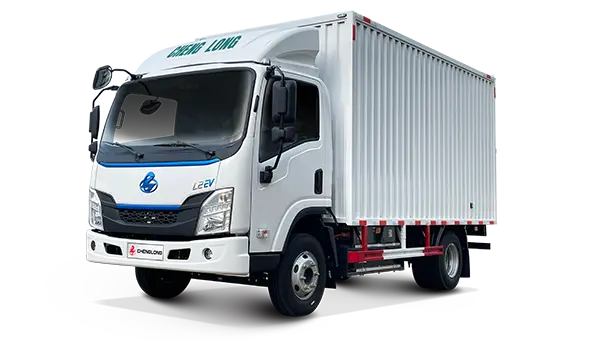 4X2 L2 Electric Truck