Why Forthing Auto is Revolutionizing the Electric Vehicle Industry?
In recent years, the electric vehicle industry has seen transformative changes. Forthing Auto stands at the forefront of this revolution. Industry expert Robert Chen highlights, “Forthing Auto is shaping the future of sustainable transportation.” This vision drives their innovative designs.
The company's commitment to cutting-edge technology is evident. Forthing Auto's vehicles feature advanced battery systems and smart connectivity. These elements enhance user experience while minimizing environmental impact. However, challenges persist. The competition is fierce, and consumer acceptance varies.
Forthing Auto is not without its flaws. Some models face production delays and quality control issues. Yet, their willingness to learn from mistakes can create opportunities. As they adapt and grow, Forthing Auto could redefine what electric vehicles mean to society.
Forthing Auto: A Brief Overview of the Company
Forthing Auto is an emerging name in the electric vehicle (EV) sector. The company focuses on innovative designs and sustainable technologies. They aim to address common consumer concerns like range anxiety and charging infrastructure. Recent reports indicate that the global electric vehicle market could surpass 26 million units sold by 2030. This growth emphasizes the demand for reliable and efficient EVs.
Forthing Auto emphasizes user experience. Their vehicles offer advanced tech features, ensuring a seamless driving experience. Reports show that 67% of consumers prioritize technology in their buying decisions. This is where Forthing Auto aims to excel. They combine elegance with functionality, making their cars appealing to tech-savvy buyers.
Tips: Research the latest EV trends. Keep an eye on user reviews. Understand what features are most valued by consumers. Consider the environmental impact when choosing an electric vehicle. The industry is evolving rapidly, and staying informed is key. Forthing Auto has made great strides, but challenges remain. Innovation must continue to address both performance and sustainability.
Why Forthing Auto is Revolutionizing the Electric Vehicle Industry?
| Dimension |
Value |
| Annual Electric Vehicle Sales (2022) |
3,500,000 units |
| Market Share in Electric Vehicles (2023) |
15% |
| Number of Models Offered |
8 models |
| Battery Technology (kWh) |
60 - 100 kWh |
| Charging Time (0-80%) |
30 minutes |
| Average Range (miles) |
300 miles |
| Sustainability Initiatives |
100% recyclable materials |
| Innovation Funding (2023) |
$500 million |
Innovative Technologies Driving Forthing Auto's EV Revolution
The electric vehicle industry is rapidly changing. Innovative technologies are at the forefront of this transformation. One key development is the use of advanced battery systems. These batteries increase efficiency and reduce charging times significantly. Imagine charging a vehicle in under 30 minutes. This change is not just a dream anymore.
Another notable technology is smart connectivity. Vehicles now collect real-time data. This helps optimize performance and enhance safety features. For example, knowing traffic conditions can lead to better route choices. However, there are challenges. Data security remains a concern. Protecting user privacy must be a priority.
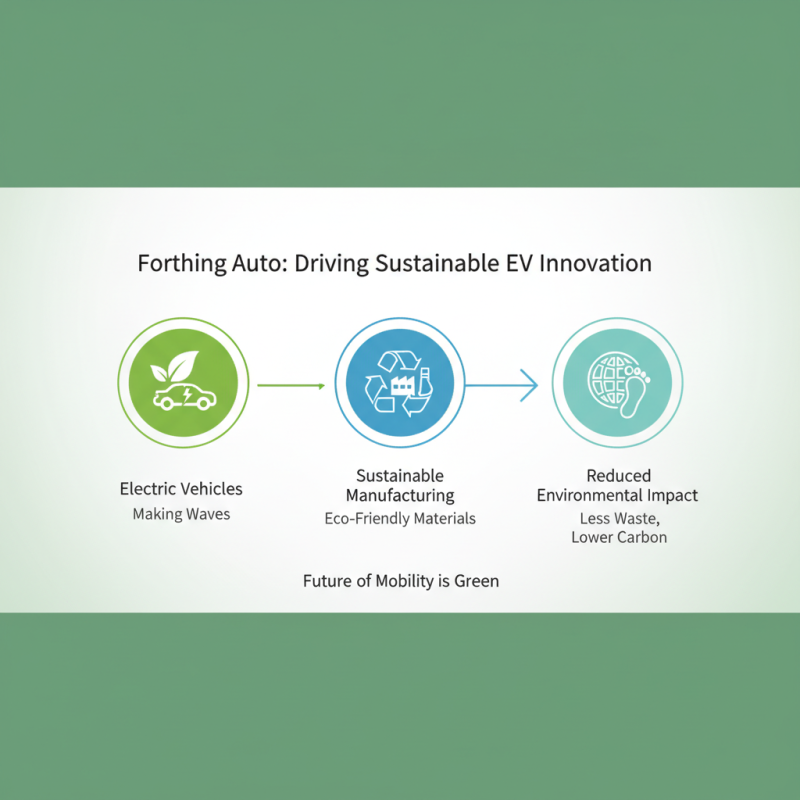
Additionally, sustainable manufacturing processes are emerging. New materials are being utilized to create lighter vehicles. This increases energy efficiency but raises questions about sourcing. Are these materials environmentally friendly? As the industry evolves, there is a constant need for reflection and improvement. The journey toward a sustainable future is ongoing.
Electric Vehicle Market Growth (2018-2023)
This chart illustrates the growth of the electric vehicle market from 2018 to 2023, showcasing the increasing sales figures over the years, which highlights the rapid adoption of electric vehicles globally.
Market Impact: How Forthing Auto is Shaping the EV Landscape
The electric vehicle (EV) landscape is changing rapidly. A new player is stirring up excitement and disruption. Forthing Auto is attracting attention with its innovative approach. This company focuses on affordability and sustainability. Their designs are sleek and functional, appealing to a broad audience.
Market strategies are bold but not without flaws. Some might argue the focus on cost cuts may sacrifice quality. However, customer feedback reveals a strong desire for eco-friendly options. The emphasis on green technology is pushing competitors to rethink their own strategies. The industry is witnessing a shift towards more accessible EVs, which may lead to increased adoption.
While the impact is notable, challenges remain. Charging infrastructure is still inconsistent in many areas. Some consumers worry about battery longevity and range. These concerns might hinder growth. But as Forthing Auto continues to innovate, it encourages more dialogue around these essential issues. The changing landscape invites reflection on the future of electric vehicles, urging all stakeholders to adapt.
Future Prospects: Forthing Auto's Vision for Electric Mobility
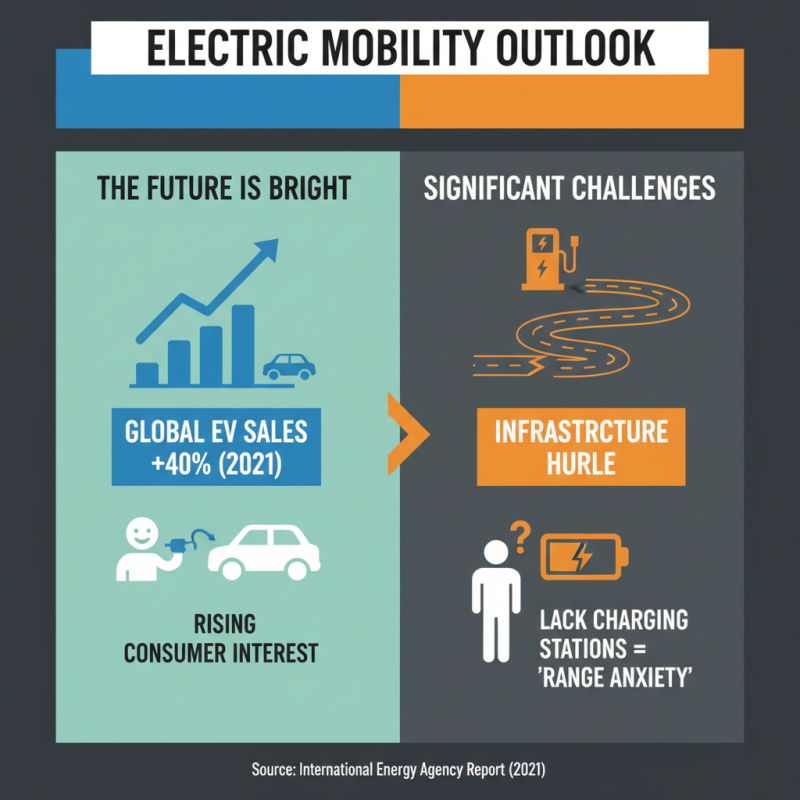
The future of electric mobility is bright, yet it faces significant challenges. A recent report from the International Energy Agency reveals that global electric vehicle sales surged by 40% in 2021, reflecting rising consumer interest. However, infrastructure remains a hurdle. Many regions lack the charging stations needed to support widespread adoption. This gap can discourage potential buyers who fear being stranded.
Innovations in battery technology are promising. Solid-state batteries are emerging, offering a longer range and faster charging times. According to market research, this technology could reduce costs by 50% by 2030. Yet, production scalability is a concern. Industry experts warn that high manufacturing costs may delay these advancements. Therefore, careful investment and R&D are crucial to making these solutions accessible.
Design plays a vital role in shaping user acceptance. A sleek, modern vehicle can attract more customers. Surveys indicate that aesthetics can influence 70% of consumer decisions. However, some companies still prioritize form over function, leading to vehicles that underperform. As the industry evolves, balancing these aspects will be essential to meet both market demands and sustainability goals.

 T5EVO
T5EVO T5L
T5L T5
T5 Friday
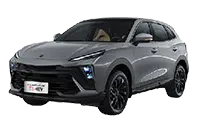 T5 HEV
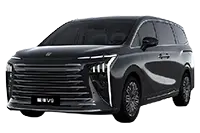 V9
V9 UTOUR (M4)
 M5 EV
M5 EV M5
M5 Lingzhi Plus
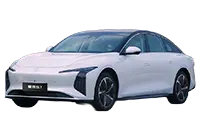 S7
S7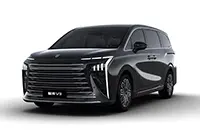 V9 HEV
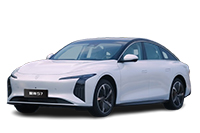 S7
S7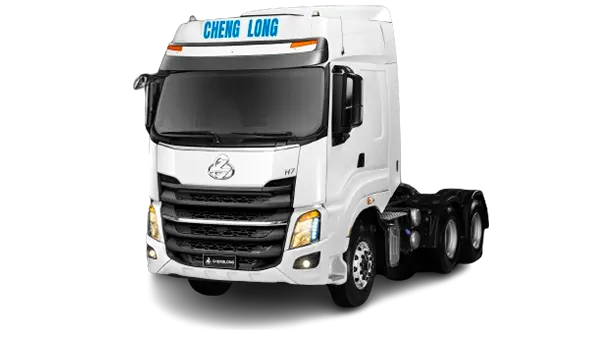 6X4 H7 Tractor
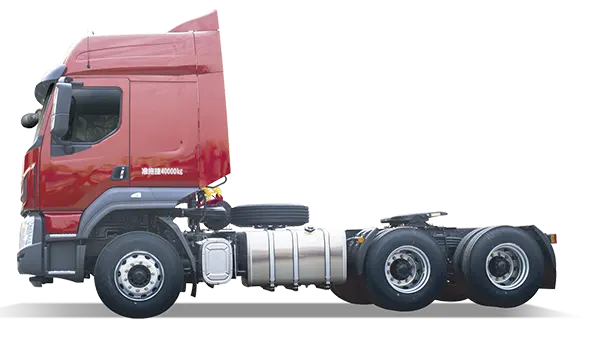 6X4 H5 Tractor
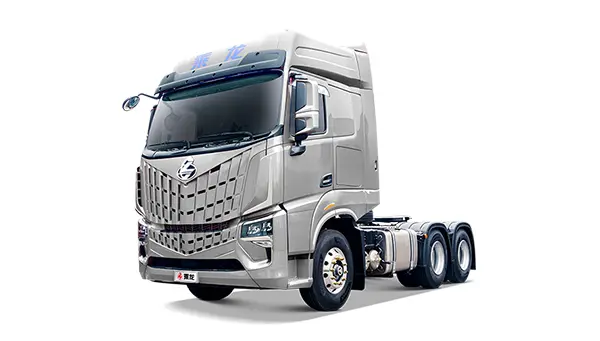 6X4 HK Tractor
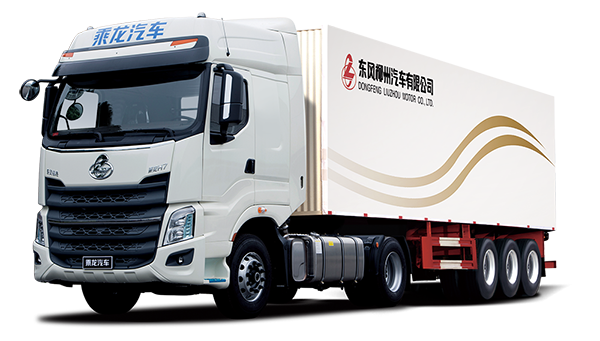 4X2 H7 Tractor
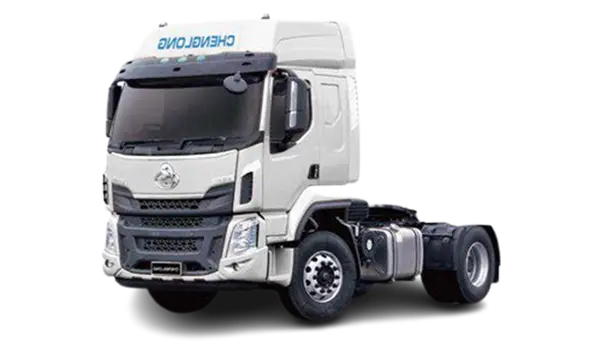 4X2 H5Tractor
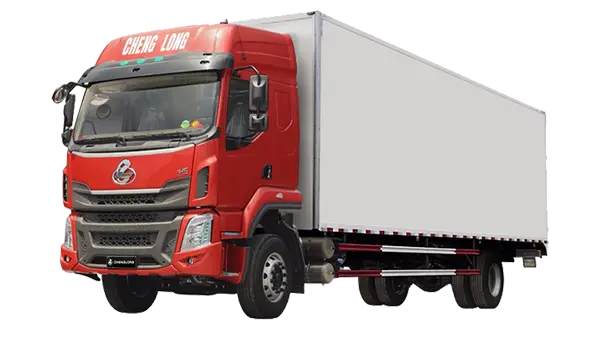 4X2 H5 Cargo Truck
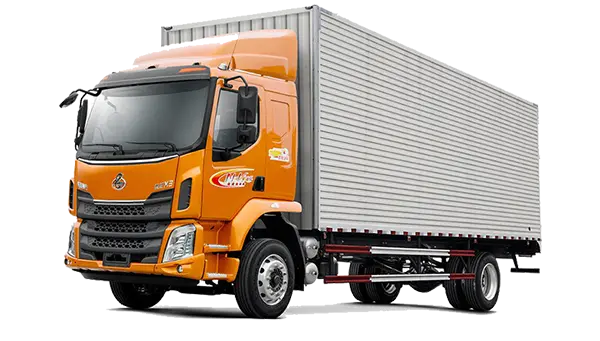 4X2 M3 Cargo Truck
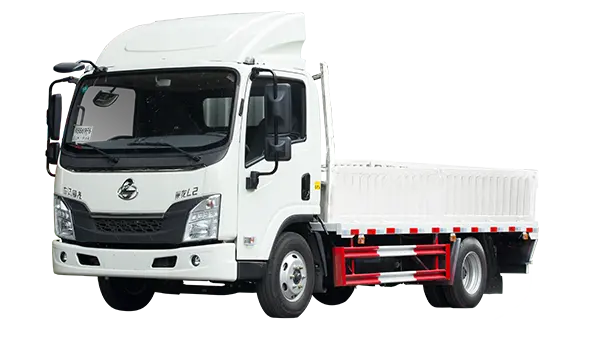 4X2 L2 Cargo Truck
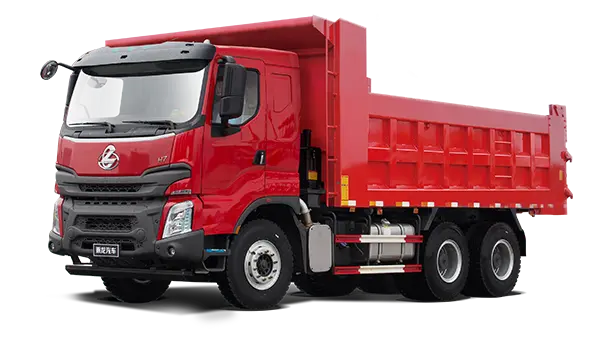 6X4 H7 Dump Truck
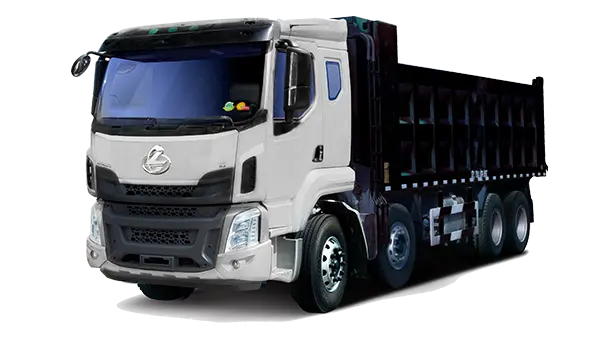 6X4 H5 Dump Truck
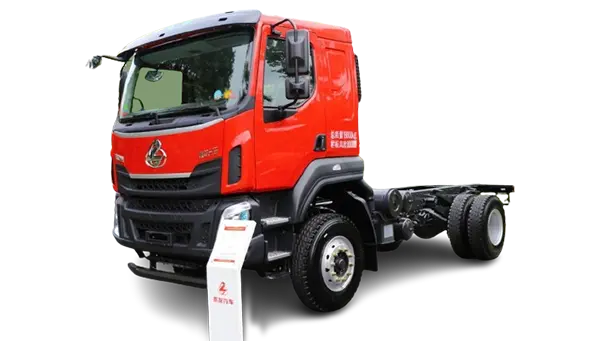 4X2 H5 Dump Truck
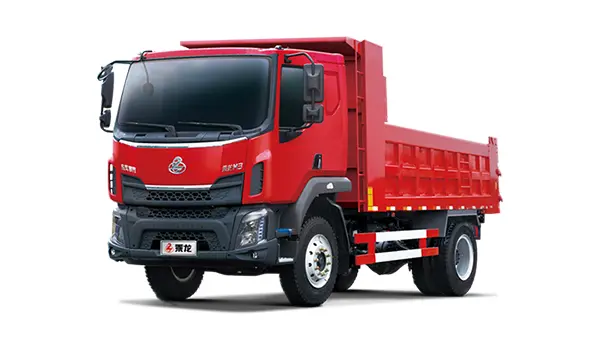 4X2 M3 Dump Truck
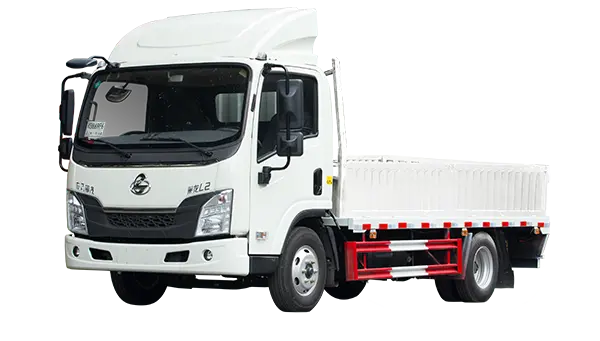 Light Truck L2
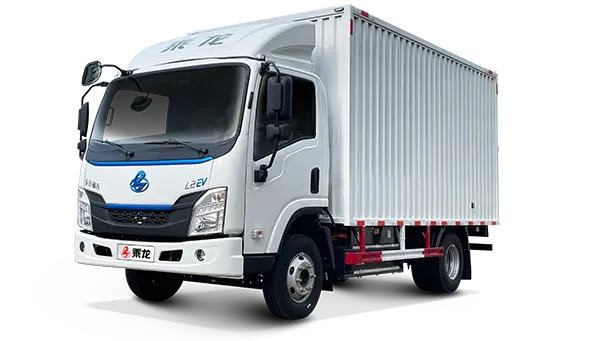 Light Truck L2 EV
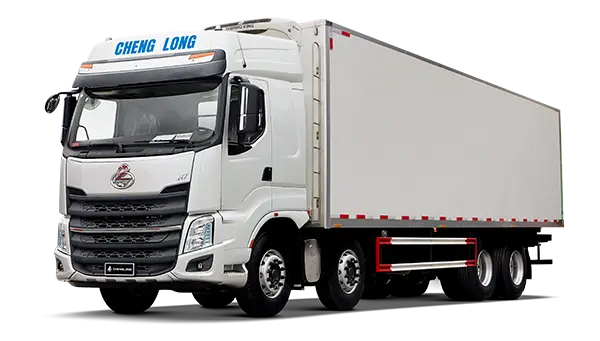 H7 Refrigeratior Truck
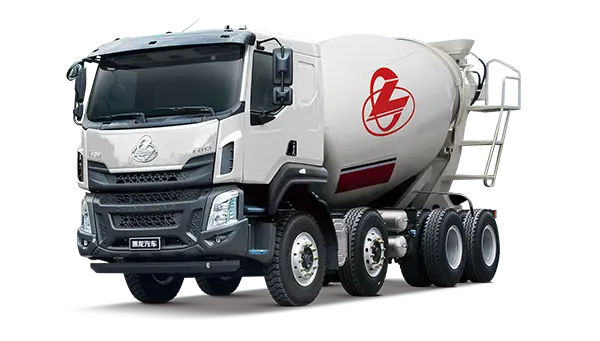 H5 Mixer Truck
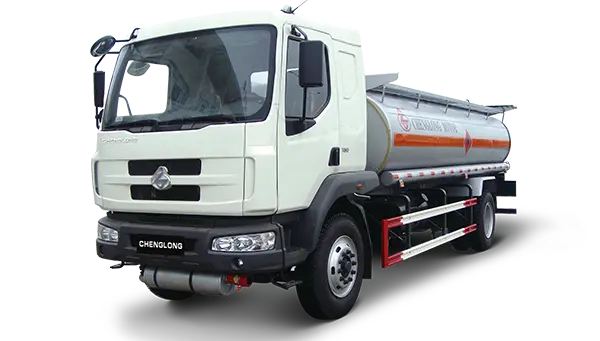 M3 Tank Truck
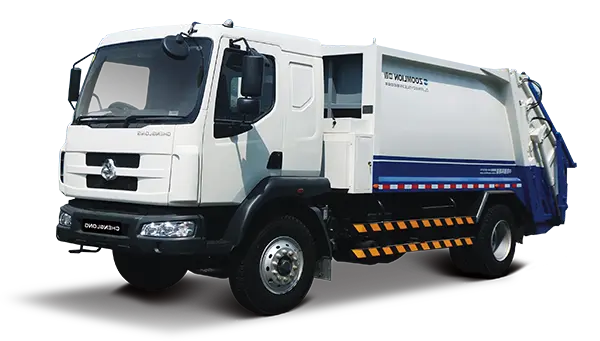 M3 Sanitation Truck
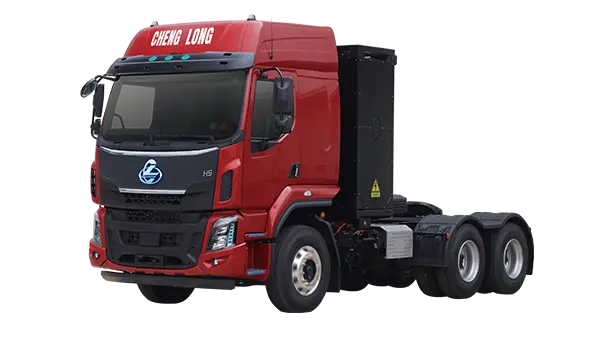 6X4 H7 Electric Truck
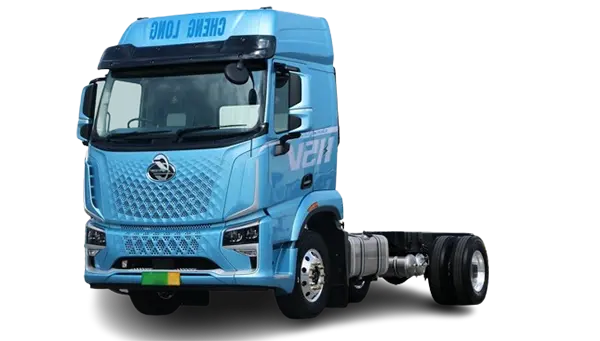 4X2 H5V Electric Truck
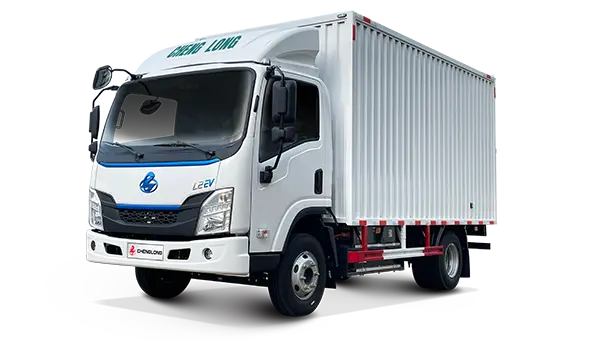 4X2 L2 Electric Truck