What is the Future of Electric Cars for Global Buyers?
The landscape of electric cars is changing rapidly. As global buyers consider their next vehicle, electric cars are becoming a top choice. Their appeal lies in sustainability and advanced technology. However, a gap exists between interest and confidence in purchasing electric cars.
Many potential buyers are often unsure about charging infrastructure and battery longevity. Some worry about the resale value and maintenance costs of electric cars. These concerns highlight a need for more information and support from manufacturers. The industry must address these challenges to build trust and ensure widespread adoption.
Innovation in electric cars is crucial for the future. Governments worldwide are promoting electric mobility through incentives and infrastructure investments. Awareness of environmental benefits is growing. As electric cars evolve, car buyers must adapt their expectations. Understanding the full picture will help consumers make informed choices in this dynamic market.
The Current Landscape of Electric Cars in the Global Market
The global market for electric cars is evolving rapidly. According to the International Energy Agency (IEA), electric vehicle (EV) sales reached over 6.6 million units in 2021, a substantial increase from the previous year. Consumer interest has surged, driven by environmental concerns and advancements in technology. However, the market is not without challenges. High purchase costs and limited charging infrastructure continue to hinder broader adoption.
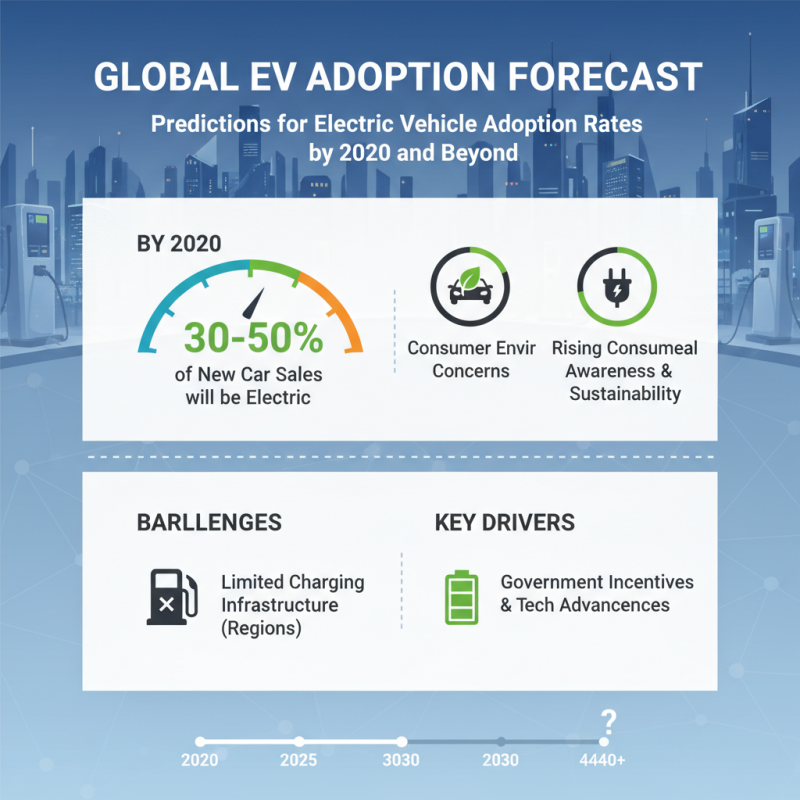
In some regions, incentives are facilitating growth. For instance, countries in Europe are investing heavily in charging stations, making electric vehicles more accessible. Reports suggest that by 2030, EVs could account for 30% of new car sales globally. Nevertheless, disparities remain. Not all countries offer the same support for EV infrastructure, highlighting the need for equitable solutions.
Battery technology remains a focal point. Current lithium-ion batteries face issues like limited range and long charging times. Innovations like solid-state batteries promise improvements but are still in development. Additionally, environmental concerns about battery production and disposal warrant further examination. The industry must reflect on these challenges to ensure a sustainable future for electric vehicles.
Key Technologies Driving the Future of Electric Vehicles
The future of electric vehicles (EVs) hinges on several key technologies transforming this sector. One major advancement is battery technology. Solid-state batteries promise higher energy density and faster charging times. They could significantly extend driving ranges and reduce charging anxiety. Yet, challenges remain. Manufacturing these batteries at scale is complex and expensive.
Another crucial technology is regenerative braking. This system captures energy usually lost during braking. It recycles this energy back into the vehicle. This prolongs battery life and enhances efficiency. Effectively implementing this technology is vital for urban environments where stop-and-go traffic dominates. However, fine-tuning the system for various driving conditions requires ongoing research.
Additionally, smart connectivity plays a pivotal role in the future of EVs. Integrating advanced software allows vehicles to communicate with infrastructure and other cars. This connectivity enhances safety and optimizes traffic flow. Yet, data privacy concerns persist. Consumers need assurance that their information will be protected. Addressing these issues is essential for gaining public trust and acceptance.
Consumer Trends and Preferences in Electric Vehicle Purchases
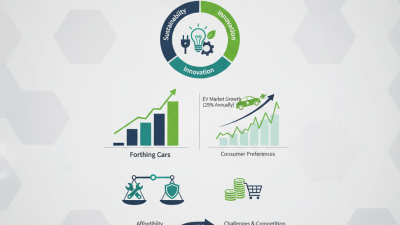
The electric vehicle (EV) market is transforming rapidly. Currently, a report by McKinsey indicates that around
50% of global car buyers consider
electrification as a vital factor in their purchasing decisions.
This shift reflects a growing environmental consciousness among consumers. Many see EVs as a way to
reduce carbon footprints while enjoying
cutting-edge technology.
Data shows that
range anxiety remains a significant barrier for potential buyers.
Approximately 40% of consumers still express concerns over
battery life and charging availability. This hesitance points to a need for improved infrastructure.
Furthermore, affordability plays a crucial role in purchase decisions.
As stated by Deloitte, nearly 60% of buyers favor EVs
priced between $30,000 and $40,000, highlighting
cost sensitivity.
Despite a strong interest, not all consumers are ready to fully embrace electric vehicles. A significant portion of buyers still
prioritizes fuel efficiency and performance over electrification.
This suggests that brands must address diverse consumer needs. Ensuring product reliability and expanding the understanding of
EV benefits could bridge this gap. As the market evolves, insights will be crucial for guiding future strategies and addressing
consumer hesitations effectively.
Environmental Impacts and Regulations Influencing Electric Cars
As the world shifts towards electric vehicles (EVs), environmental impacts cannot be ignored. The International Energy Agency (IEA) reported that in 2022, electric cars accounted for nearly 14% of total car sales globally. This indicates a growing trend, but the ecological footprint of battery production remains a concern. Mining for lithium, cobalt, and nickel can cause severe environmental degradation. Reports show that battery production can generate up to 150% more greenhouse gas emissions than producing a gasoline car.
Regulations are changing rapidly to address these challenges. For instance, the European Union has ambitious targets to cut carbon emissions from cars by 55% by 2030. Governments are implementing stricter rules for EV battery recycling. In 2021, legislation passed in several countries mandates recycling rates of up to 90% for lithium-ion batteries by 2025. These efforts aim to protect ecosystems while promoting sustainable practices.
Despite these regulatory advances, the pace of EV adoption raises questions. Many consumers still perceive EVs as too expensive. Infrastructure for charging remains inadequate in many regions. As we navigate these societal shifts, the focus will need to balance growth in electric car sales and the environmental costs associated with their production and use. This balance is crucial for a sustainable future.
What is the Future of Electric Cars for Global Buyers? - Environmental Impacts and Regulations Influencing Electric Cars
| Country/Region |
Electric Car Sales (% of Total Sales) |
Average Range (miles) |
Charging Infrastructure Availability |
Government Incentives ($) |
| Norway |
54% |
250 |
Excellent |
7,500 |
| Germany |
25% |
200 |
Good |
7,000 |
| China |
20% |
230 |
Moderate |
4,500 |
| United States |
15% |
260 |
Fair |
5,000 |
| United Kingdom |
23% |
220 |
Good |
6,500 |
| France |
18% |
210 |
Good |
5,500 |

 T5EVO
T5EVO T5L
T5L T5
T5 Friday
 T5 HEV
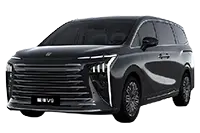 V9
V9 UTOUR (M4)
 M5 EV
M5 EV M5
M5 Lingzhi Plus
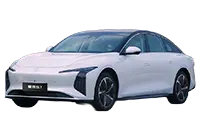 S7
S7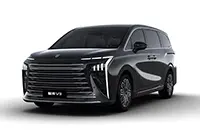 V9 HEV
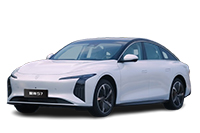 S7
S7 6X4 H7 Tractor
 6X4 H5 Tractor
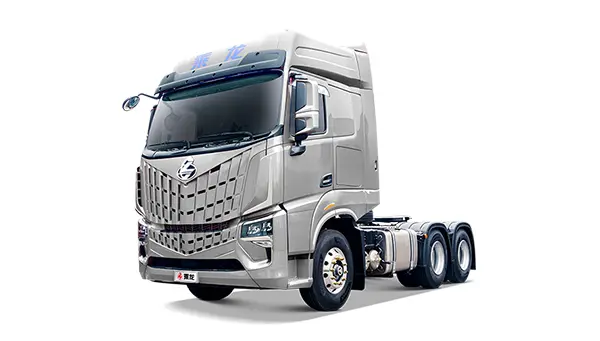 6X4 HK Tractor
 4X2 H7 Tractor
 4X2 H5Tractor
 4X2 H5 Cargo Truck
 4X2 M3 Cargo Truck
 4X2 L2 Cargo Truck
 6X4 H7 Dump Truck
 6X4 H5 Dump Truck
 4X2 H5 Dump Truck
 4X2 M3 Dump Truck
 Light Truck L2
 Light Truck L2 EV
 H7 Refrigeratior Truck
 H5 Mixer Truck
 M3 Tank Truck
 M3 Sanitation Truck
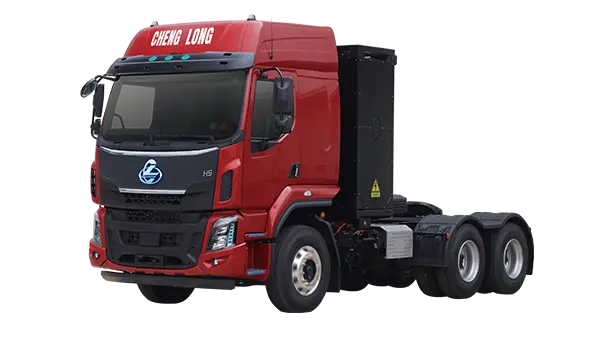 6X4 H7 Electric Truck
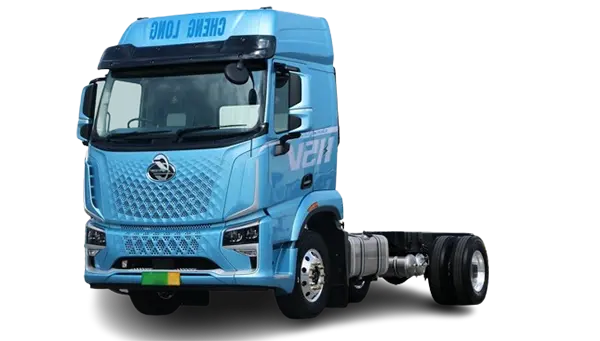 4X2 H5V Electric Truck
 4X2 L2 Electric Truck