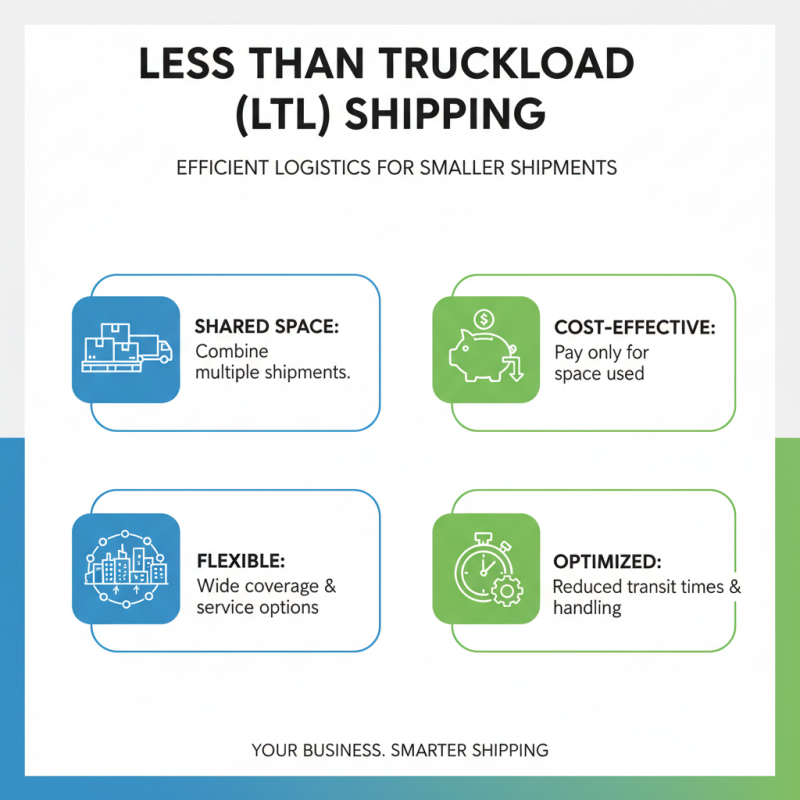
What is Less Than Truck Load and How Does it Work?
The logistics industry is rapidly evolving, with "Less Than Truck Load" (LTL) shipping gaining prominence. This shipping method involves transporting smaller loads that do not fill an entire truck. According to the American Trucking Associations, LTL accounts for about 10% of the freight market in the United States.
LTL services offer a flexible and cost-effective solution for businesses of all sizes. Companies can save money by sharing truck space with others, rather than paying for unused capacity. In fact, a report by Logistics Management indicates that the LTL market is projected to reach $44.4 billion by 2025, demonstrating its growing significance.
However, it's not without its challenges. Delays can occur when coordinating multiple shipments. Additionally, damage can happen during transfers between trucks. Businesses must weigh these risks against the cost savings and efficiency gains. In the ever-changing landscape of logistics, LTL shipping remains a crucial component worth exploring.
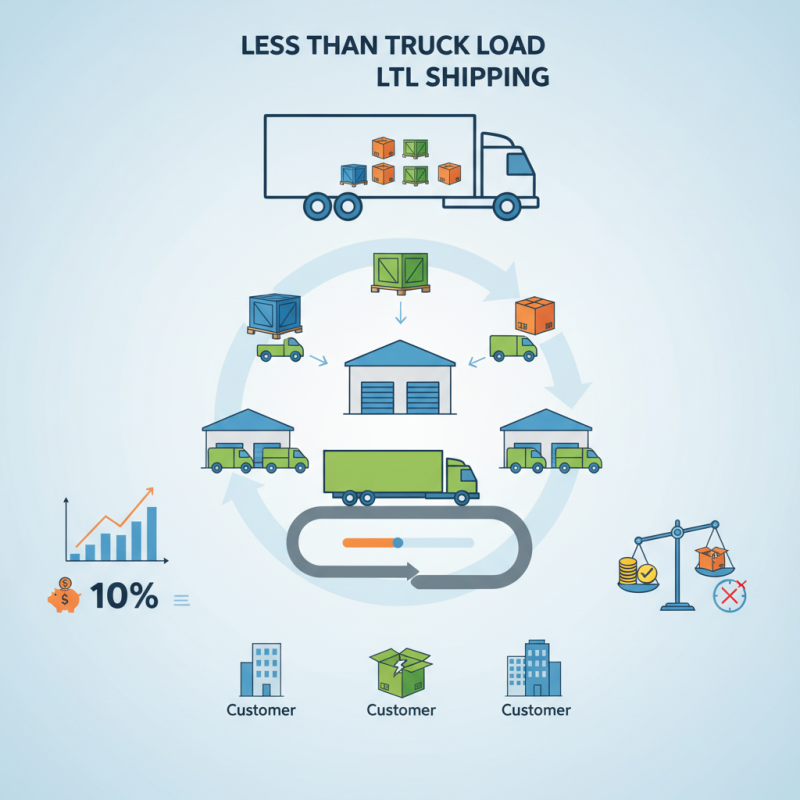
What is Less Than Truck Load (LTL) Shipping?
Less Than Truck Load (LTL) shipping is a method used to transport small freight. Businesses commonly choose this option when their shipment does not require a full truck. Instead of paying for the entire truck, they share space with other shipments. This can lead to cost savings for companies.
One key aspect of LTL shipping is that it works with multiple stops. Each delivery may go to different locations, making the process complex. Freight can often be combined in one truck. This means managing different schedules and coordination. Sometimes, this can lead to delays. It’s not black and white; sometimes shipments arrive late.
Another important detail is the pricing model. Charges can vary based on weight, dimensions, and distance. Sometimes hidden costs pop up unexpectedly. Clients may discover they need special handling or extra services. This can lead to frustrations, especially if they are unprepared. Understanding these details is crucial for businesses looking into LTL shipping.
How LTL Shipping Works: A Step-by-Step Process
Less Than Truck Load (LTL) shipping is a cost-effective way for businesses to transport goods. It involves consolidating shipments from multiple customers into one truck. This method is ideal for smaller shipments that don’t require a full truckload. According to industry reports, LTL accounts for nearly 20% of the freight shipping market.
The LTL shipping process starts with the shipper booking a shipment. This can be done through an online platform or via a logistics provider. Once booked, the goods are picked up and taken to a terminal. At the terminal, they are sorted according to their final destinations. The next step is loading them onto a truck with other shipments. The truck then delivers the goods to a distribution point, from where they reach the final destination. This method not only saves costs but also reduces the environmental impact of shipping.
Tips: For effective LTL shipping, ensure your packages are clearly labeled. Proper labeling can speed up the sorting process. Also, consider using pallets for better protection of your goods. While LTL is convenient, delays can happen. Sometimes, shipments may get damaged or lost during transit, leading to frustrations. Be prepared to address these issues. Communication with your provider is key. Keeping realistic expectations about delivery times can help.
What is Less Than Truck Load and How Does it Work? - How LTL Shipping Works: A Step-by-Step Process
| Dimension |
Description |
Typical Timeframe |
Cost Factor |
| Weight |
Packages typically weighing 150 to 15,000 pounds |
1-5 days |
Varies based on distance and weight |
| Shipment Size |
Shipments that do not fill an entire truck |
2-7 days |
Based on cubic feet and weight |
| Dock to Dock |
Common method involves a straightforward transport route from one dock to another |
1-2 days |
Cost-effective for low-volume shipments |
| Accessorial Charges |
Additional fees for special services such as liftgate or inside delivery |
N/A |
Varies by service type |
| Tracking |
LTL shipping often includes tracking capabilities for real-time updates |
Immediate |
Included in shipping cost |
Benefits of Choosing LTL Over Full Truck Load (FTL)
Less Than Truck Load (LTL)
shipping is gaining popularity. It offers flexibility and cost savings for businesses. In 2022,
LTL accounted for approximately 33% of all freight shipped in the U.S.,
highlighting its growing relevance. Companies can share space on a truck, reducing costs significantly.
Choosing LTL over Full Truck Load (FTL) can be smart for smaller shipments.
Up to 45% of companies report that LTL can help lower logistics expenses.
This option is perfect for businesses that do not need an entire truck. It allows them to pay only for what they use.
LTL shipping also promotes sustainability. It maximizes cargo space and minimizes
empty miles. According to industry reports, this can lead to a nearly 20% reduction in carbon emissions.
However, not all businesses fully understand LTL's benefits. Some might still choose FTL out of habit or a lack of information.
Embracing LTL requires a shift in thinking but can lead to significant gains.
Factors Influencing LTL Shipping Costs and Transit Times
Less Than Truck Load (LTL) shipping has unique factors that influence its costs and transit times. One primary factor is the weight of the shipment. Generally, LTL shipments fall between 150 and 15,000 pounds. The rates often increase as the weight goes up. For instance, shipments below 500 pounds may face higher costs per pound than those above this weight. According to industry reports, an average LTL rate can range from $150 to over $500 based on weight and distance.
Another vital component is distance. LTL shipments traveling longer distances incur higher costs. The average transit time for LTL shipments varies significantly based on route and carrier. Some reports indicate that coast-to-coast shipments might take around 5 to 7 days. However, delays can occur. Factors such as traffic or weather may impact delivery times. Moreover, the nature of the cargo plays a crucial role in determining final costs. Fragile or hazardous items may attract additional fees, complicating the pricing further.
Understanding accessorial charges is also essential. These can include fees for additional services, such as residential pickups or liftgate deliveries. These charges often lead to surprises on invoices. In fact, research reveals that about 20% of businesses do not account for these fees, leading to budget overruns. As shippers navigate LTL logistics, acknowledging these factors is crucial for cost-effective planning.

 T5EVO
T5EVO T5L
T5L T5
T5 Friday
 T5 HEV
 V9
V9 UTOUR (M4)
 M5 EV
M5 EV M5
M5 Lingzhi Plus
 S7
S7 V9 HEV
 S7
S7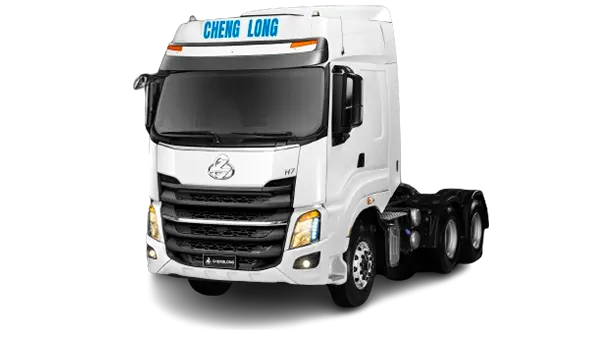 6X4 H7 Tractor
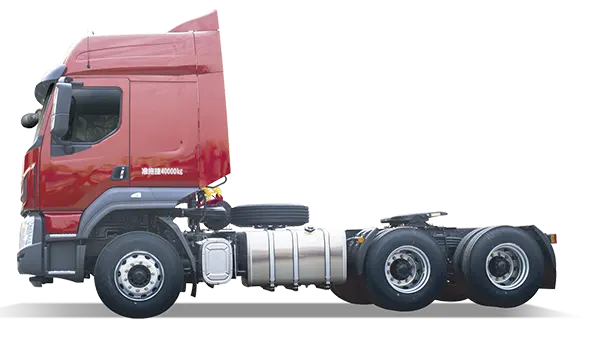 6X4 H5 Tractor
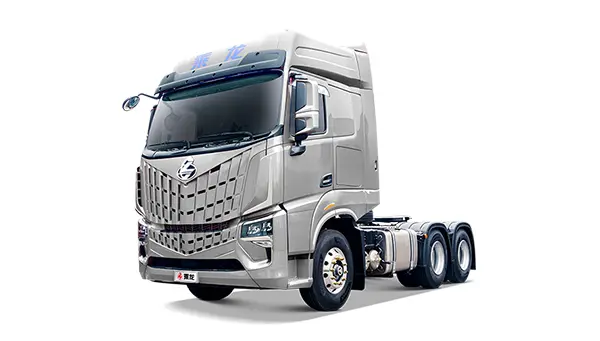 6X4 HK Tractor
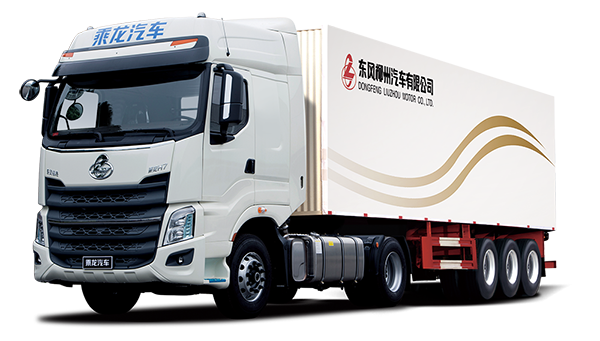 4X2 H7 Tractor
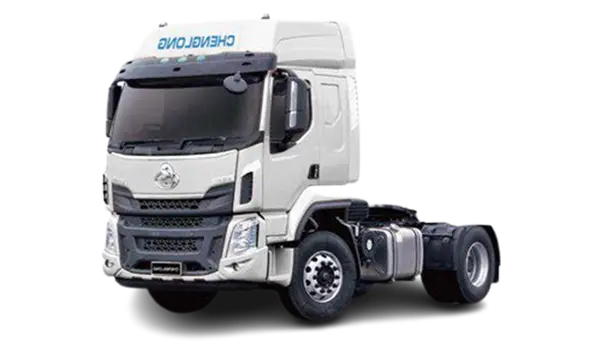 4X2 H5Tractor
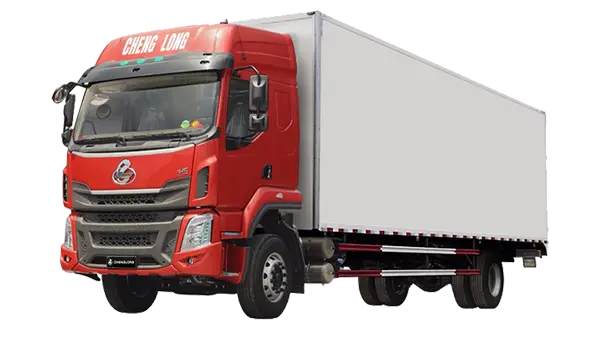 4X2 H5 Cargo Truck
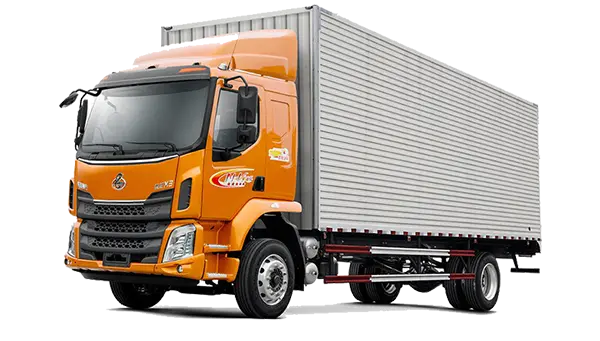 4X2 M3 Cargo Truck
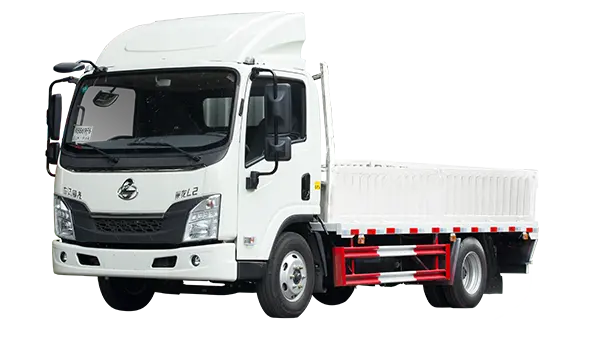 4X2 L2 Cargo Truck
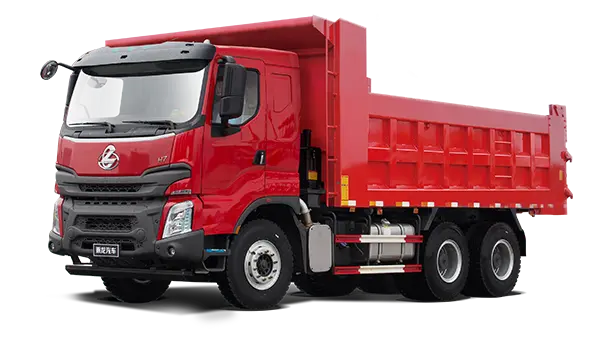 6X4 H7 Dump Truck
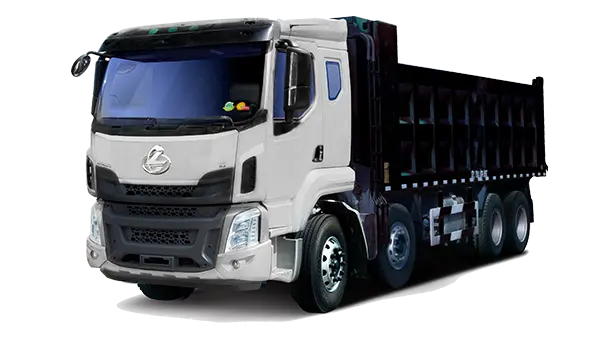 6X4 H5 Dump Truck
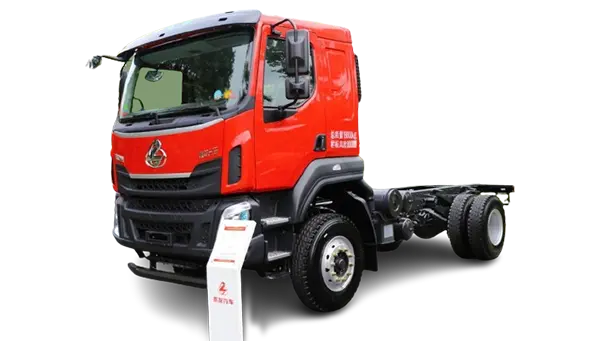 4X2 H5 Dump Truck
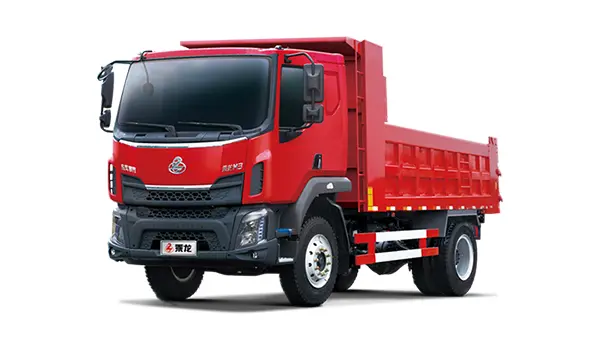 4X2 M3 Dump Truck
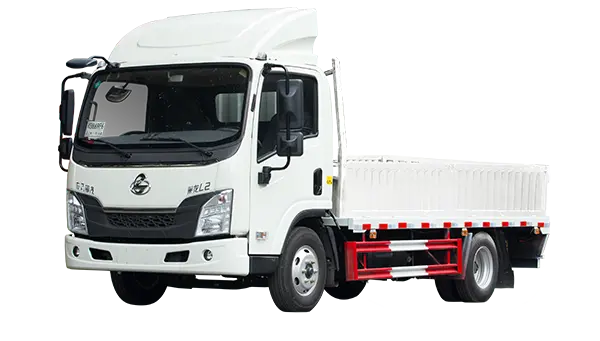 Light Truck L2
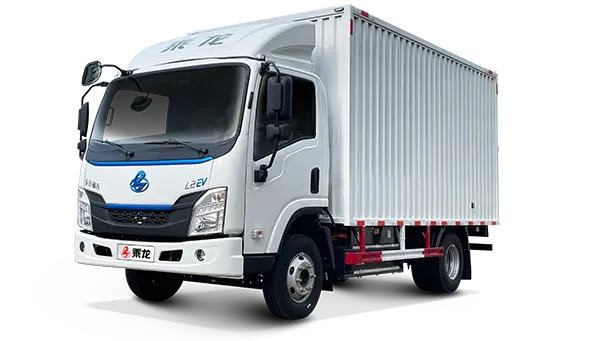 Light Truck L2 EV
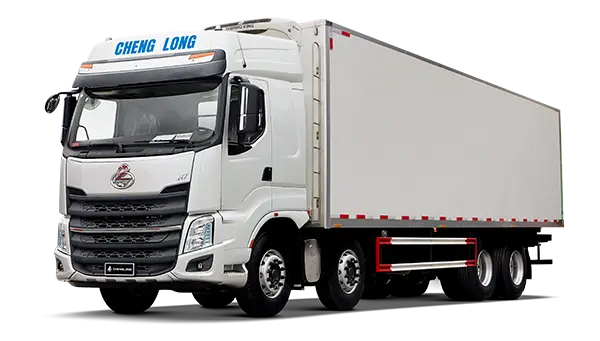 H7 Refrigeratior Truck
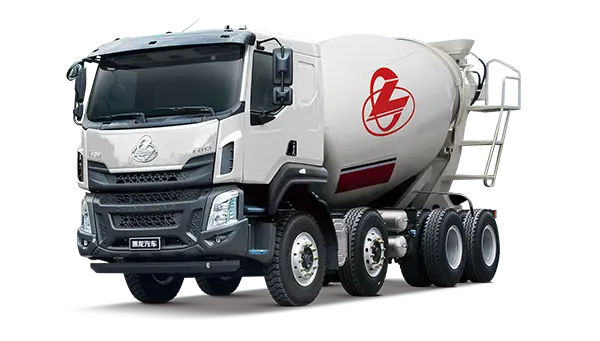 H5 Mixer Truck
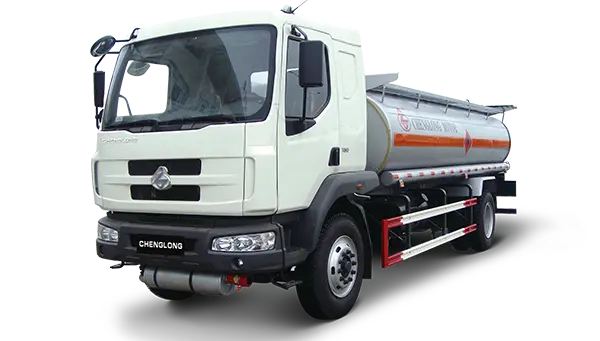 M3 Tank Truck
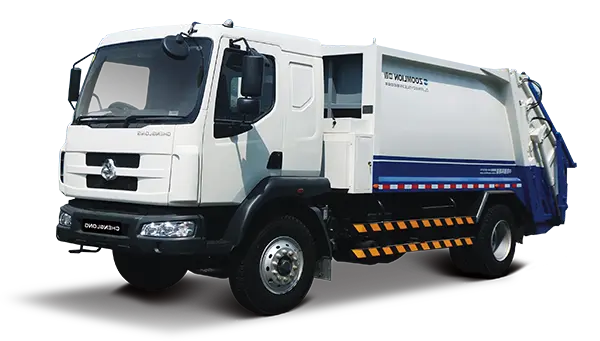 M3 Sanitation Truck
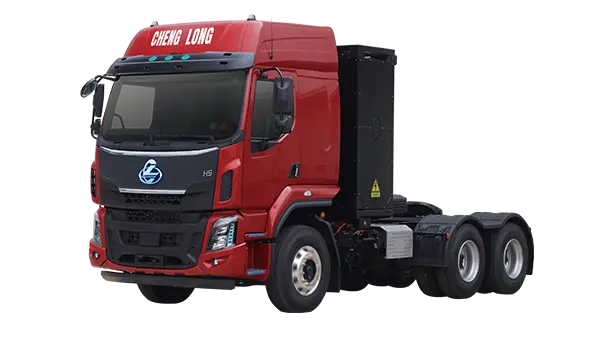 6X4 H7 Electric Truck
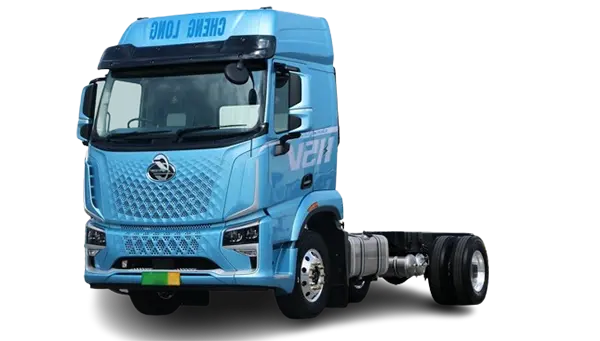 4X2 H5V Electric Truck
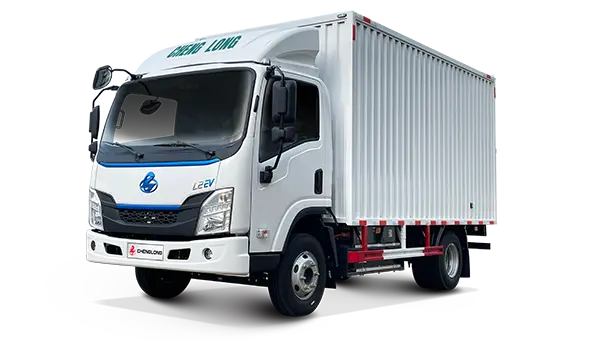 4X2 L2 Electric Truck