Top New Energy Car Innovations Shaping the Future of Sustainable Driving?
As the demand for sustainable driving increases, New Energy Cars are at the forefront of innovation. These vehicles utilize advanced technology to reduce environmental impact. More than just electric engines, they integrate smart systems and renewable energy sources.
Innovations in battery technology significantly enhance performance and efficiency. For instance, solid-state batteries promise longer ranges and faster charging times. However, the production of these batteries poses challenges. The materials used raise ethical and environmental concerns that require attention.
In addition, autonomous driving features in New Energy Cars introduce both excitement and hesitation. While they can improve safety and convenience, the technology is not flawless. There are still instances of malfunction. Overall, New Energy Cars represent a shifting landscape in transportation, balancing promise with the need for responsible innovation.
Emerging Technologies in New Energy Vehicles
The landscape of new energy vehicles (NEVs) is evolving rapidly. Recent reports indicate that global sales of electric vehicles (EVs) surged to 8.5 million units in 2021, marking a significant increase from previous years. This upward trend highlights consumers’ growing preference for sustainable driving solutions. However, the infrastructure to support these innovations is still lacking in many areas. Charging stations are often few and far between, which can deter potential buyers.
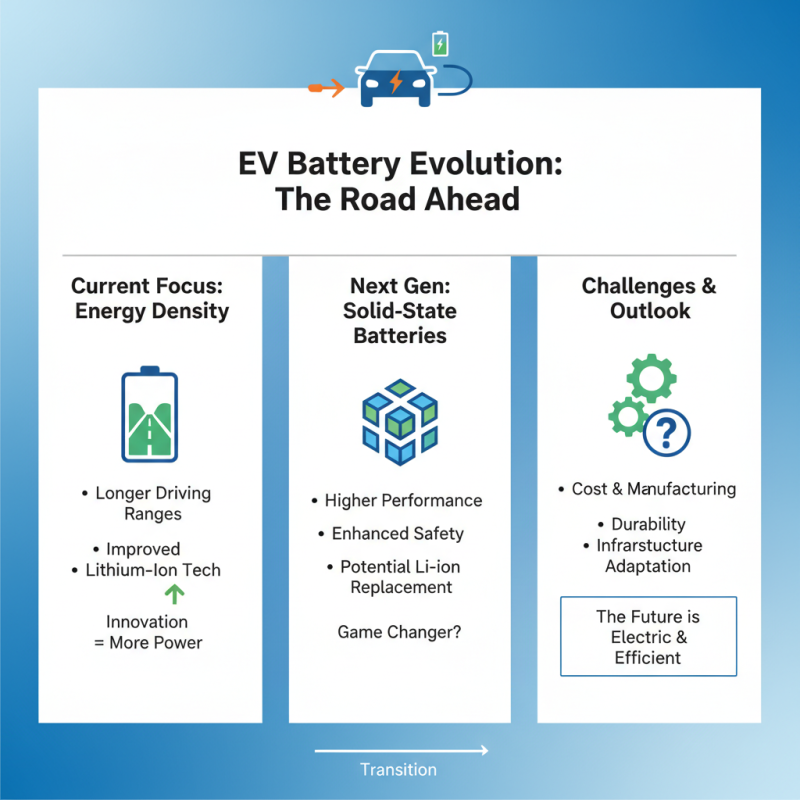
One promising advancement is solid-state battery technology. These batteries offer higher energy density and faster charging times compared to traditional lithium-ion batteries. Studies predict that solid-state batteries could enhance EV ranges to over 500 miles on a single charge by 2025. Yet, the manufacturing process remains complex and costly, creating hurdles for widespread adoption.
In addition to battery advancements, vehicle-to-grid (V2G) technology is gaining traction. This system allows EVs to supply energy back to the grid. It could potentially reduce electricity costs for owners and stabilize the grid during peak demand. Nonetheless, consumer participation is crucial for V2G to be effective, and skepticism about the technology persists. Even with progress, many drivers remain uncertain about how it works in practice.
Advancements in Battery Efficiency and Range
Battery efficiency has become crucial in the development of new energy vehicles. Innovations are enhancing energy density, leading to longer driving ranges. Some researchers focus on solid-state batteries. These batteries promise higher performance and safety. They could replace traditional lithium-ion batteries, but challenges remain.
Range anxiety often deters potential electric vehicle buyers. Many still worry about limited distances. Advancements aim to lessen these fears. Some vehicles now offer ranges over 300 miles. However, the infrastructure for charging needs improvement. Fast-charging stations are not widely available yet.
Moreover, while progress is impressive, there are hurdles. Producing batteries has environmental implications. Mining raw materials can be destructive. Also, recycling these materials poses challenges. Striking a balance between performance and sustainability is key. Society must reflect on the true cost of innovation.
Innovations in Charging Infrastructure and Smart Grids
The shift towards sustainable driving is significantly influenced by innovations in charging infrastructure and smart grids. Charging stations are becoming more accessible, popping up in urban areas and along highways. These stations now often feature fast-charging capabilities, allowing electric vehicles to gain substantial range in just a short time. However, the spread of charging stations is still uneven. Rural areas struggle with limited options, leading to concerns about range anxiety among drivers.
Smart grids are transforming the way energy is distributed. They integrate renewable energy sources, optimizing the use of wind and solar power. This reduces reliance on fossil fuels and enhances sustainability. Yet, these systems face challenges. Aging electrical infrastructure in some regions can hinder the transition. Moreover, the implementation of smart technologies often requires significant investment and planning.
The combination of charging infrastructure and smart grids presents a promising future. However, constant evaluation of their effectiveness is crucial. Fine-tuning these systems can address current weaknesses. Encouraging collaboration among various stakeholders will also be essential to ensure a cohesive approach. Building a sustainable driving ecosystem involves ongoing refinement and adaptation to meet evolving needs.
Role of AI and Automation in Sustainable Driving
Artificial intelligence (AI) and automation are transforming the future of sustainable driving. According to a recent report by the International Energy Agency (IEA), the global number of electric vehicles (EVs) could reach 145 million by 2030. This growth is largely driven by AI technologies that enhance driving efficiency and optimize energy consumption.
AI helps in managing battery performance. For instance, machine learning algorithms can predict battery lifespan and charging needs. This leads to more effective usage and less waste. Automation plays a crucial role too. Many new vehicles use advanced driver-assistance systems (ADAS) to improve road safety and fuel efficiency. A study from McKinsey reveals that these systems can reduce accidents by up to 30%.
However, reliance on AI is not without challenges. Data privacy concerns are growing, and accuracy is sometimes questionable. Moreover, the infrastructure for supporting these technologies needs significant upgrades. Many regions still lack the basic charging infrastructure for widespread EV adoption. Sustainable driving's future relies heavily on addressing these imperfections while embracing automation and AI.
Impact of Regulatory Policies on Green Vehicle Development
Regulatory policies play a crucial role in shaping the future of green vehicles. Countries worldwide are implementing stricter emissions standards. Reports indicate that by 2030, over 80% of new cars sold in Europe will need to be zero-emission. This pushes manufacturers to innovate rapidly. However, not all regions are adapting at the same pace. Some markets lack supportive infrastructure. Charging stations remain sparse in less developed areas.
Government incentives also influence consumer behavior. Tax breaks for electric vehicles can boost adoption rates. A report from the International Energy Agency stated that countries with strong incentives see up to 40% higher sales of green vehicles. Nonetheless, these measures can create inequities. Wealthier consumers benefit more from subsidies than those in low-income brackets. This raises questions about equal access to sustainable driving.
Furthermore, regulatory uncertainty can hinder investment in new technologies. Changes in policies can lead to fluctuating markets. Companies may hesitate to invest in long-term projects. The market needs stability to foster innovation. In this evolving landscape, a balance must be struck. Policymakers need to direct efforts toward comprehensive support systems. This approach ensures that all regions can participate in the green revolution.
Top New Energy Car Innovations Shaping the Future of Sustainable Driving
| Innovation |
Description |
Impact on Sustainability |
Regulatory Influence |
| Solid-State Batteries |
Next-gen batteries offering higher energy density and safety. |
Longer range and reduced charging times contribute to lower carbon emissions. |
Government incentives promote research and development in battery tech. |
| Vehicle-to-Grid (V2G) Technology |
Enables electric vehicles to return energy to the grid. |
Increases renewable energy utilization and stabilizes power grids. |
Regulations encourage energy sharing and grid participation. |
| Hydrogen Fuel Cells |
Generates electricity through a chemical reaction without harmful emissions. |
Offers an alternative to fossil fuels, fostering cleaner transport. |
Supportive policies facilitate deployment and infrastructure development. |
| Advanced Driver Assistance Systems (ADAS) |
Improves vehicle safety with automated features and enhanced control. |
Reduced accidents can lead to lower emissions from vehicle lifecycle. |
Regulatory standards push for increased safety measures in new models. |
| Lightweight Materials |
Use of aluminum and carbon fiber to reduce vehicle weight. |
Enhances efficiency and range of electric vehicles. |
Regulatory requirements may promote the use of sustainable materials. |

 T5EVO
T5EVO T5L
T5L T5
T5 Friday
 T5 HEV
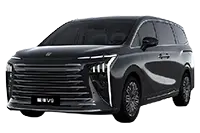 V9
V9 UTOUR (M4)
 M5 EV
M5 EV M5
M5 Lingzhi Plus
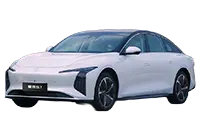 S7
S7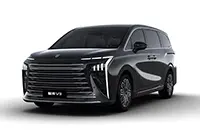 V9 HEV
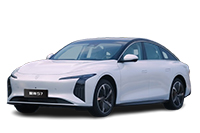 S7
S7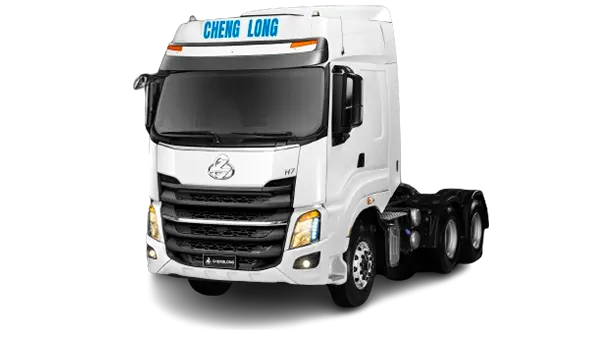 6X4 H7 Tractor
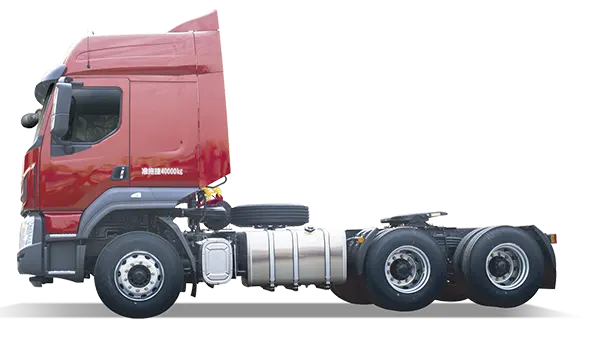 6X4 H5 Tractor
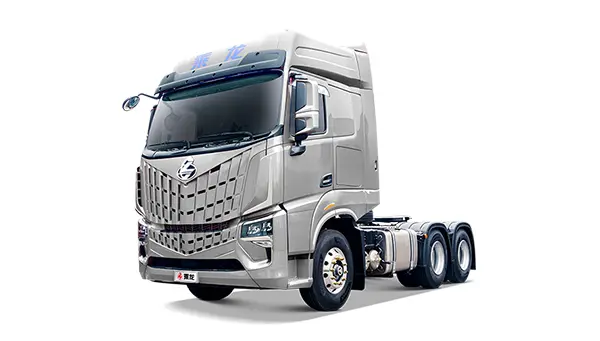 6X4 HK Tractor
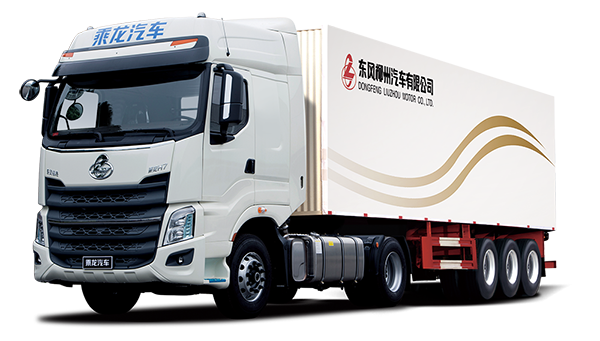 4X2 H7 Tractor
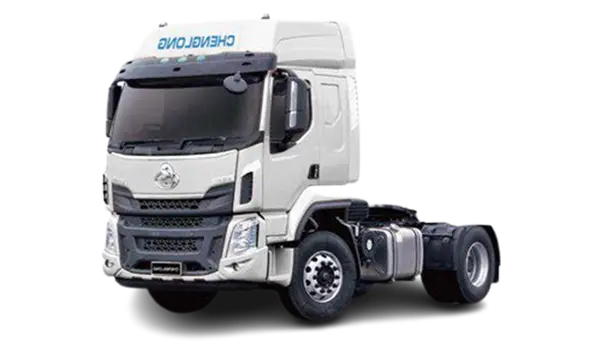 4X2 H5Tractor
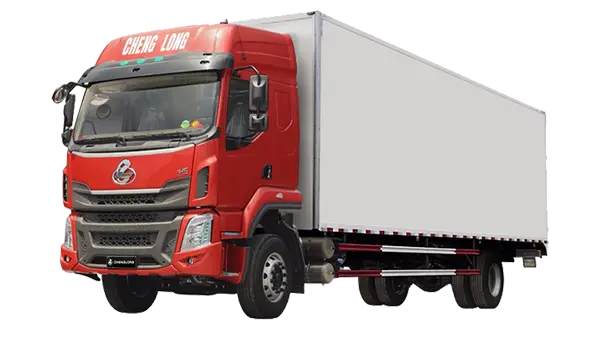 4X2 H5 Cargo Truck
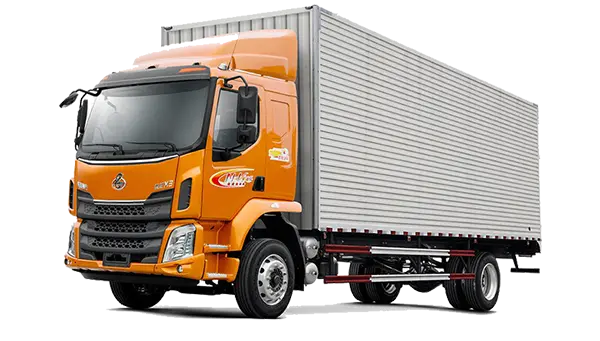 4X2 M3 Cargo Truck
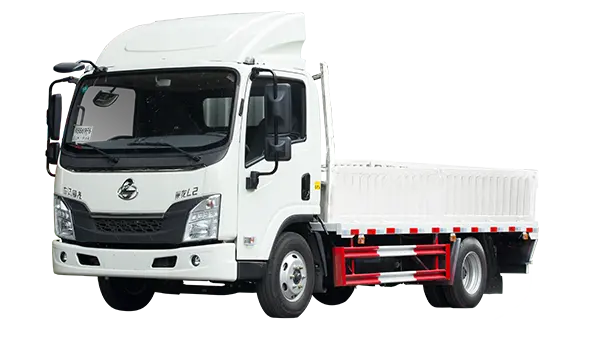 4X2 L2 Cargo Truck
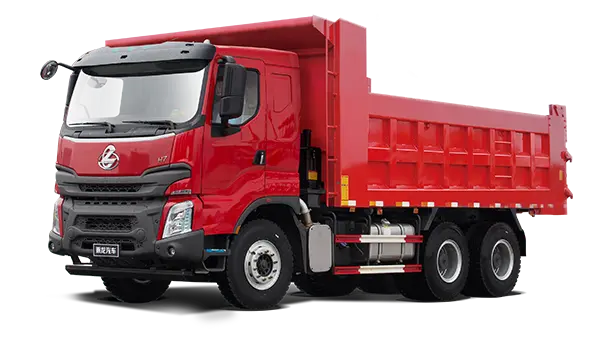 6X4 H7 Dump Truck
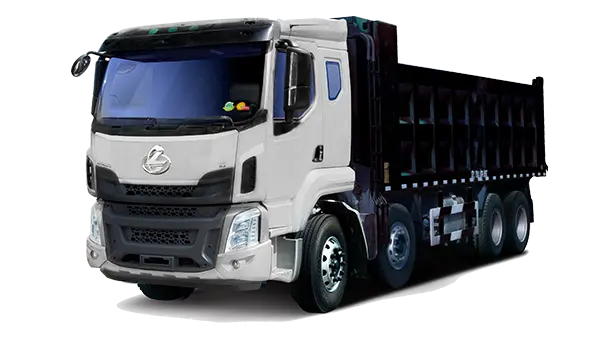 6X4 H5 Dump Truck
 4X2 H5 Dump Truck
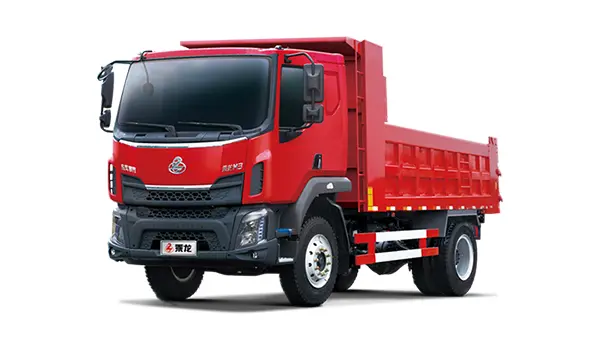 4X2 M3 Dump Truck
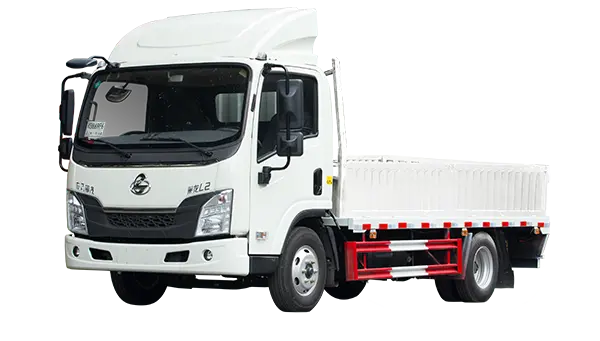 Light Truck L2
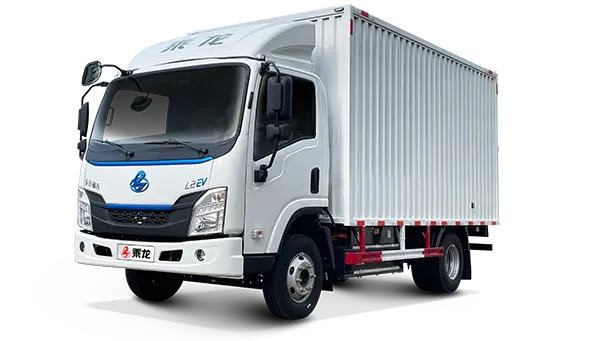 Light Truck L2 EV
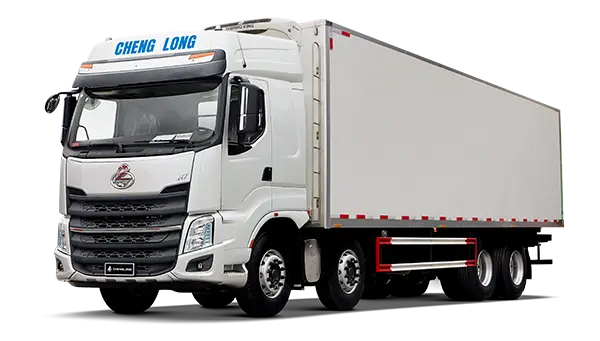 H7 Refrigeratior Truck
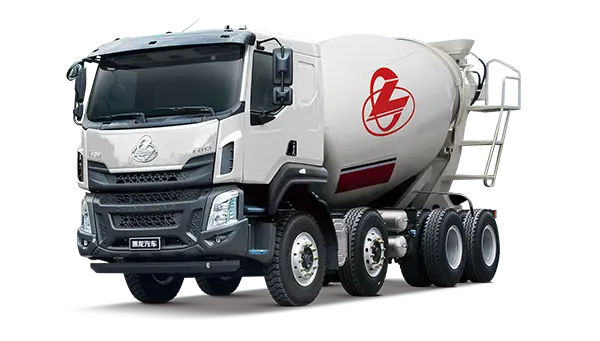 H5 Mixer Truck
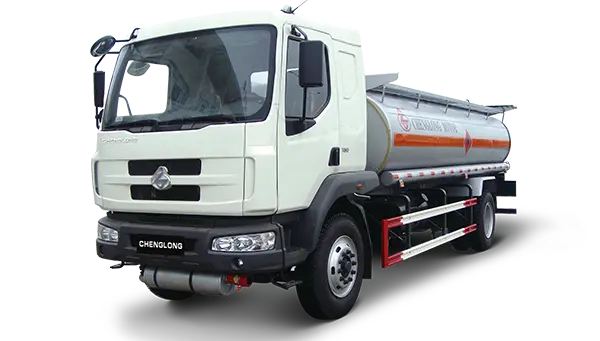 M3 Tank Truck
 M3 Sanitation Truck
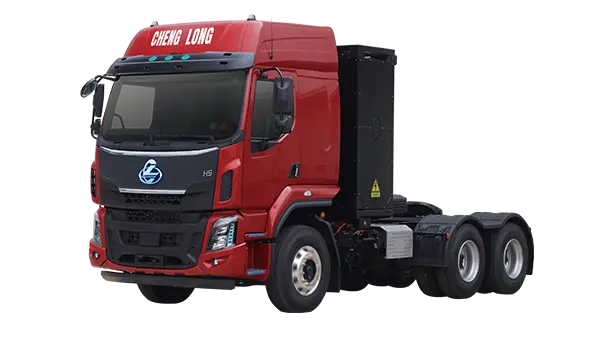 6X4 H7 Electric Truck
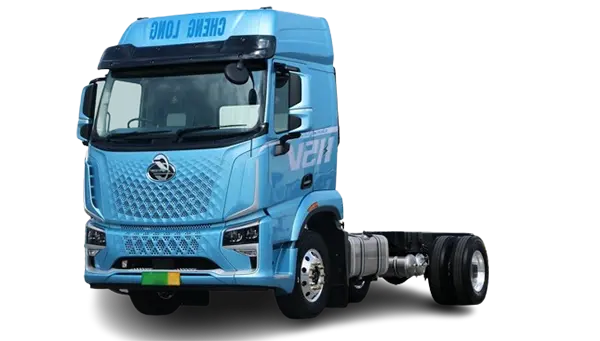 4X2 H5V Electric Truck
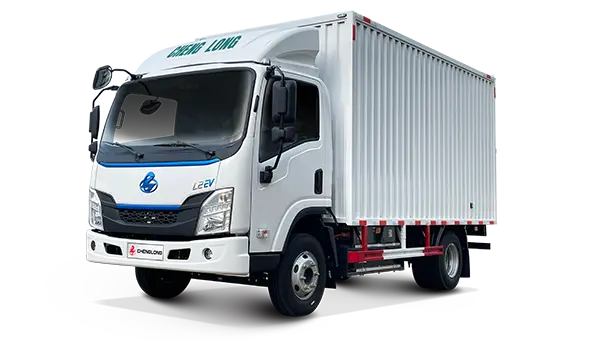 4X2 L2 Electric Truck