Top Passenger Vehicle Trends in China for Global Buyers?
China's passenger vehicle market continues to evolve rapidly. In 2022, it accounted for over 30% of the global automotive sales, showcasing its immense influence. According to a report from the China Association of Automobile Manufacturers, sales reached 25.6 million units, highlighting a robust demand for innovation and comfort among consumers.
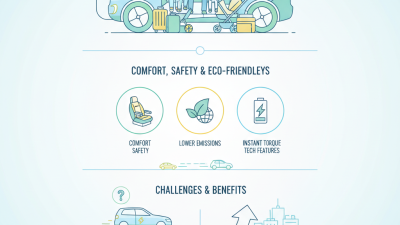
The shift toward electric and smart vehicles is transforming the landscape. By 2025, it's projected that around 50% of new vehicles sold in China will be electric. This change is fueled by government incentives and consumer interest in sustainability. Notably, young buyers are driving this trend, seeking advanced technology and eco-friendly options in their purchase decisions.
Despite these advancements, challenges remain. Issues like overcapacity and fluctuating demand require careful navigation. As the market matures, both local and global buyers must stay informed about these dynamics. Understanding consumer preferences will be crucial in a rapidly changing environment where passenger vehicles are at the heart of innovation and growth.
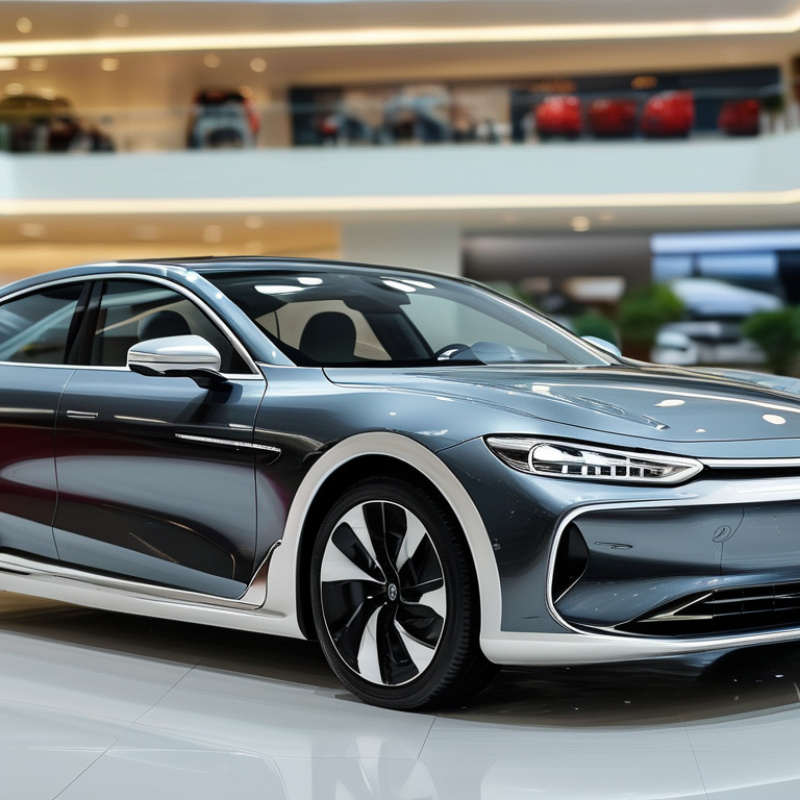
Emerging Electric Vehicle Market Dynamics in China
China's electric vehicle market is rapidly evolving. Innovations in technology are driving interest from global buyers. The country has become a hub for electric mobility solutions. Local manufacturers are pushing boundaries, introducing advanced battery technologies and smart features. This increasing competitiveness attracts attention globally.
Consumer preferences are shifting toward sustainable options. A growing awareness of environmental issues fuels demand for electric vehicles. Many buyers are seeking energy-efficient solutions, creating an opening for new players. However, challenges remain. Infrastructure for charging needs improvement. Availability and accessibility of charging stations can deter potential buyers.
The pace of change in the market also raises concerns. Rapid advancements lead to a vast array of choices. This overwhelming variety can create confusion for consumers. Additionally, the stability of supply chains remains uncertain. As more players enter the space, it is essential to critically assess the long-term viability of products. This dynamic landscape will continue to shape the future of mobility in China.
Impact of Government Policies on China's Automotive Sector
China's automotive sector has been significantly shaped by government policies. These regulations often aim to increase sustainability and reduce emissions. Recent initiatives encourage the adoption of electric vehicles (EVs). The government offers incentives for EV purchases. Consumers are responding positively, leading to a surge in demand.
However, not all policies have been well-received. Stringent regulations on vehicle production and emissions can frustrate manufacturers. Some companies find compliance costly and time-consuming. This situation raises concerns about competition and innovation in the market. Striking a balance between regulation and industry growth remains a challenge.
Additionally, local governments implement various policies that can vary widely. Some regions offer generous tax breaks for EV manufacturers, while others impose strict quotas. Such differences may confuse buyers and complicate the purchasing process. Buyers need to be aware of these factors when considering a vehicle in China. Understanding the impact of government policies is crucial for making informed decisions in this rapidly evolving market.
Consumer Preferences Driving SUV and MPV Popularity
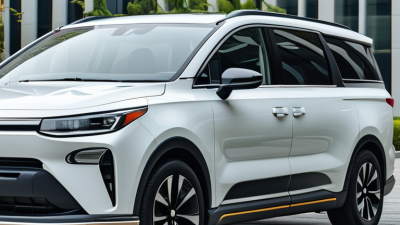
The rising popularity of SUVs and MPVs in China highlights a significant shift in consumer preferences. A recent report by the China Association of Automobile Manufacturers noted that SUV sales accounted for about 46% of total passenger vehicle sales in 2022. This trend reflects a desire for versatility, space, and a commanding driving position among consumers. Many buyers associate SUVs with a sense of adventure and family suitability, enabled by their larger cabins and advanced safety features.
MPVs also gained traction, appealing particularly to families and businesses needing extra space. Studies show that more than 30% of families in urban areas consider MPVs as a practical choice. Features such as configurable seating and ample room for cargo resonate strongly with buyers. Furthermore, the rise of younger consumers, who prioritize lifestyle and practicality, plays a vital role in this shift. However, market analysts warn that high prices and environmental concerns may challenge this growth. A growing awareness of sustainability could lead to a question of whether the increasing preference for these vehicle types will sustain over time.
Technological Innovations Shaping Smart and Connected Vehicles
Technological innovations are driving the evolution of smart and connected vehicles in China. Advanced technology is reshaping how people interact with their cars. Electric vehicles increasingly feature AI-powered systems that enhance driving experience and safety. These innovations include real-time traffic updates and automated parking assistance. However, as technology advances, challenges remain. Connectivity issues can arise in underdeveloped areas, impacting the driving experience.
Moreover, safety concerns about data privacy are growing. Many consumers worry about how personal data is used and shared. Vehicles equipped with internet connectivity can collect vast amounts of data. This raises ethical questions about user consent and data protection. As the industry develops, it faces a crucial task: balancing innovation with consumer trust. Manufacturers need to focus on transparency. They must ensure that drivers feel secure about their information.
Sustainability also plays a significant role in these trends. Many buyers now seek eco-friendly options. Smart vehicles often incorporate sustainable materials and energy-efficient technologies. This shift towards sustainability reflects a changing mindset among consumers. However, there is still a long way to go. The industry must invest in infrastructure to support growth. Challenges in battery recycling and resource management need addressing. As this landscape evolves, ongoing reflection is essential for progress.
Top Passenger Vehicle Trends in China for Global Buyers
This chart illustrates the percentage adoption of various technological innovations in passenger vehicles in China over the past three years. The data reflects trends in electric vehicles, connectivity features, and autonomous driving technologies.
Sustainability Trends and Their Influence on Passenger Vehicle Choices
In recent years, sustainability has emerged as a critical factor influencing passenger vehicle choices in China. The rise of electric vehicles (EVs) reflects a growing awareness of environmental issues. Many consumers now prioritize eco-friendly options when shopping for cars. This trend highlights a shift toward a more sustainable future.
However, the transition is not without challenges. Some consumers remain apprehensive about the battery performance and charging infrastructure. Reports indicate that charging stations are still limited in many areas, causing concern among potential buyers. Additionally, the initial cost of EVs can deter those on a budget. It raises questions about accessibility and fair market options for all consumers.
Moreover, the desire for sustainability can clash with personal preferences. Some buyers still prefer traditional fuel vehicles due to familiarity and reliability. The complexity of choosing sustainable options sometimes confuses consumers. There is a need for better education on the benefits of choosing sustainable vehicles. As awareness grows, so does the expectation for increased support and infrastructure development in the sustainability sector.

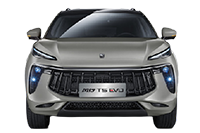 T5EVO
T5EVO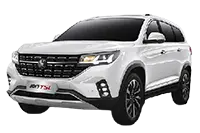 T5L
T5L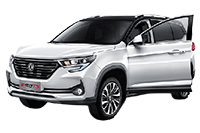 T5
T5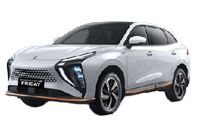 Friday
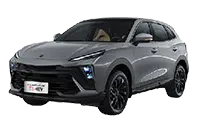 T5 HEV
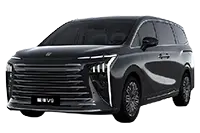 V9
V9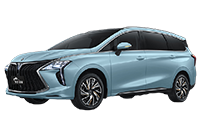 UTOUR (M4)
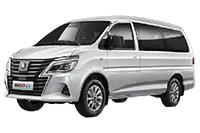 M5 EV
M5 EV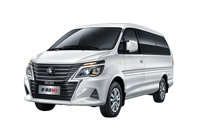 M5
M5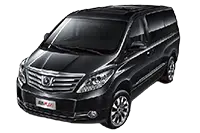 Lingzhi Plus
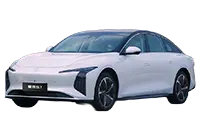 S7
S7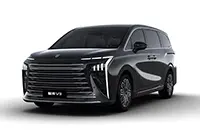 V9 HEV
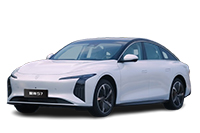 S7
S7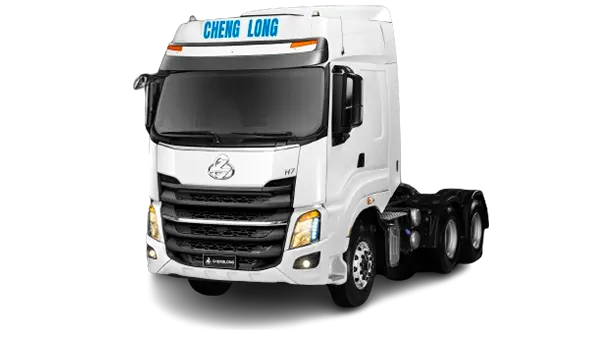 6X4 H7 Tractor
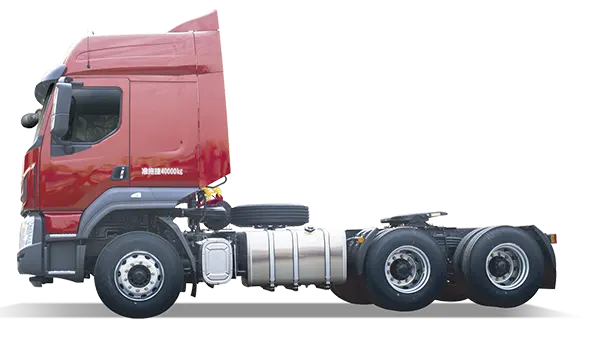 6X4 H5 Tractor
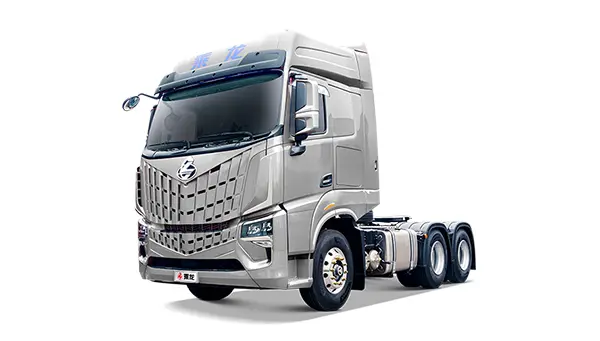 6X4 HK Tractor
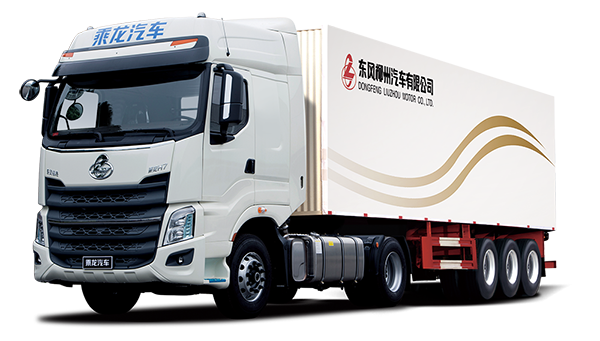 4X2 H7 Tractor
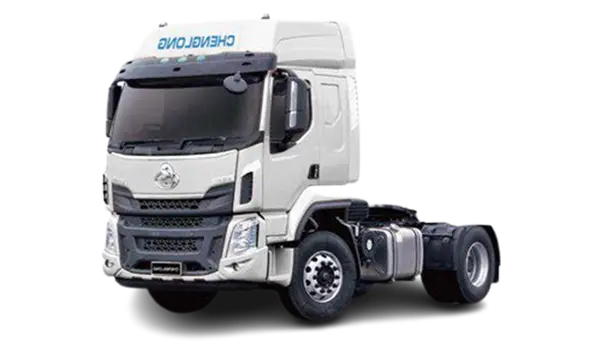 4X2 H5Tractor
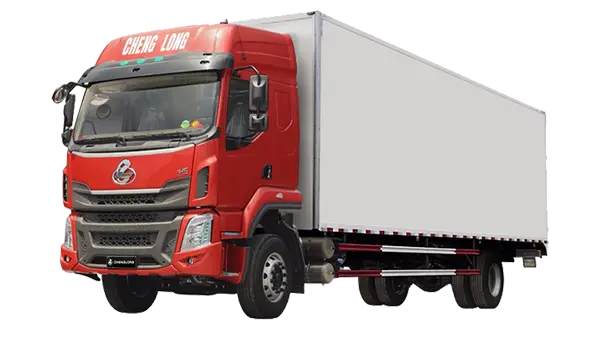 4X2 H5 Cargo Truck
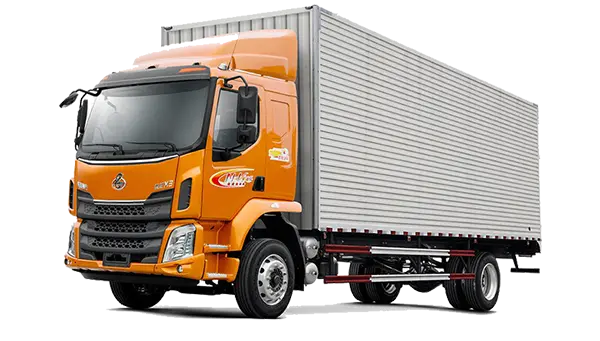 4X2 M3 Cargo Truck
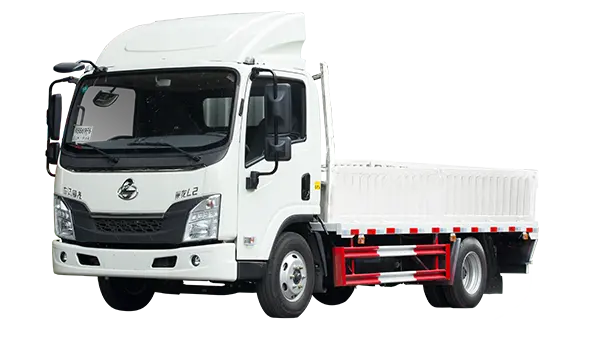 4X2 L2 Cargo Truck
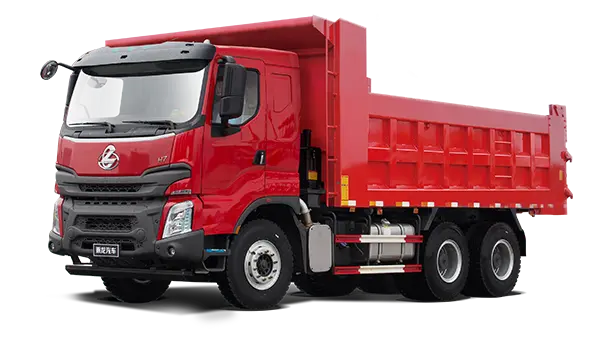 6X4 H7 Dump Truck
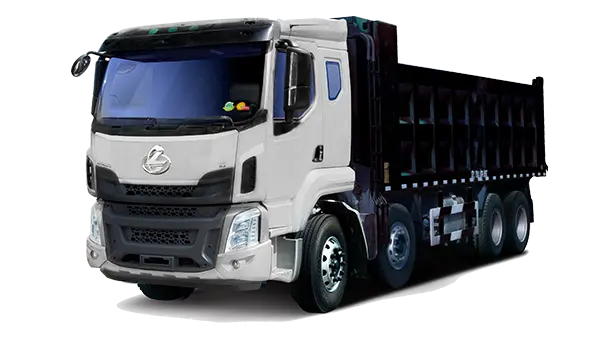 6X4 H5 Dump Truck
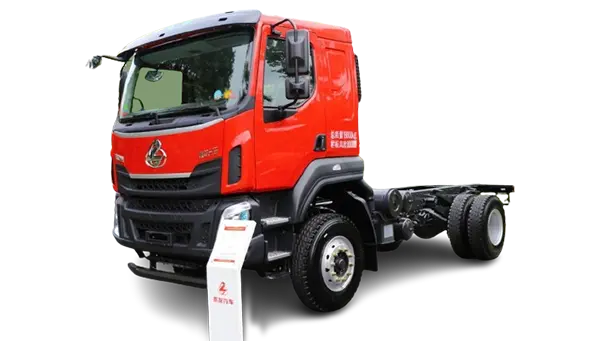 4X2 H5 Dump Truck
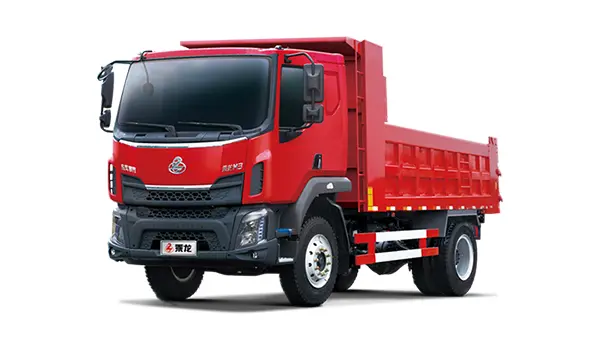 4X2 M3 Dump Truck
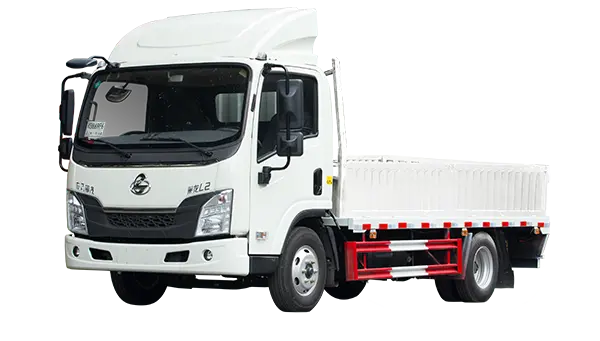 Light Truck L2
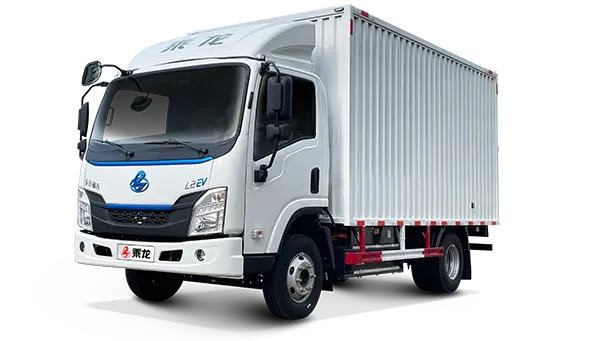 Light Truck L2 EV
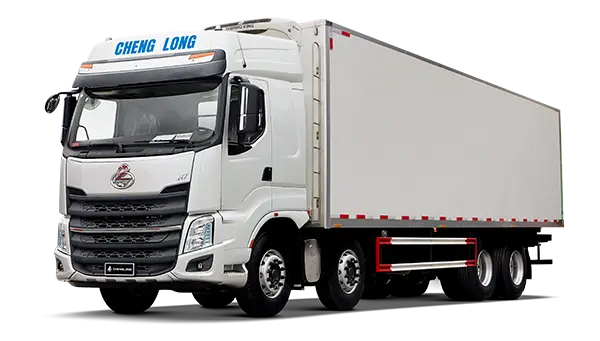 H7 Refrigeratior Truck
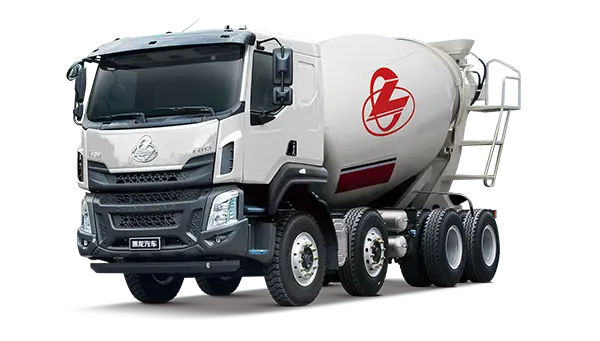 H5 Mixer Truck
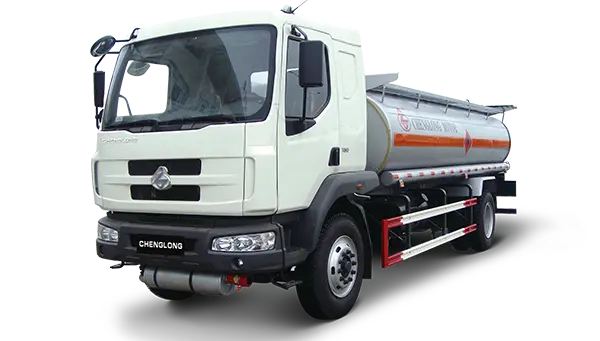 M3 Tank Truck
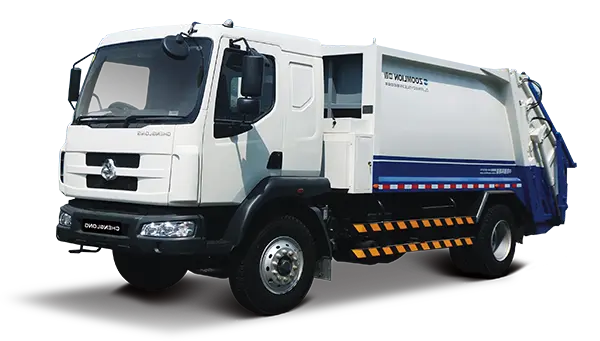 M3 Sanitation Truck
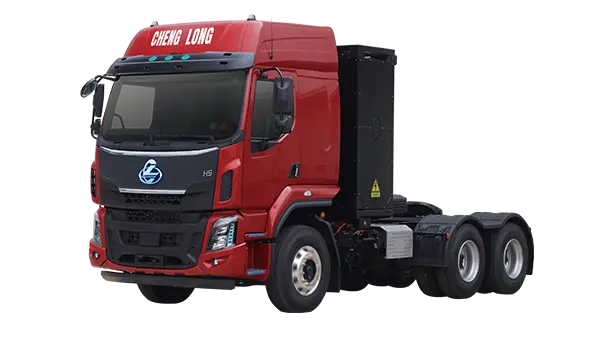 6X4 H7 Electric Truck
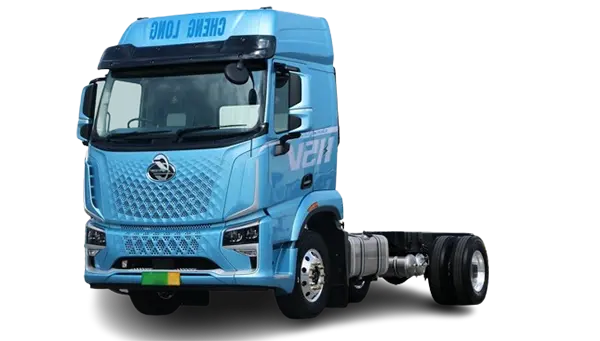 4X2 H5V Electric Truck
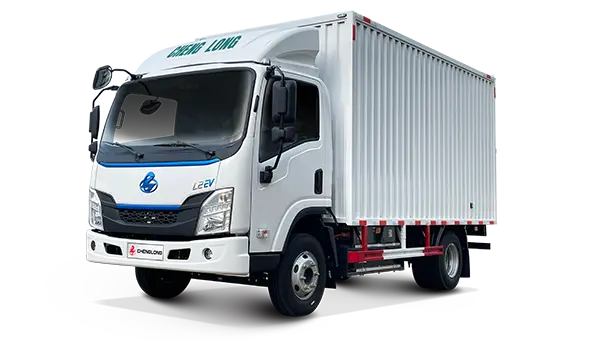 4X2 L2 Electric Truck