What is a Tipper Truck and How Does it Work?
In the construction and transportation industries, a Tipper Truck plays a crucial role. John Smith, an industry expert, states, "Tipper Trucks are the backbone of material handling." This statement underscores their importance in moving heavy loads efficiently.
A Tipper Truck is designed to transport bulk materials like gravel, sand, and dirt. Its unique feature is a hinged bed that can be lifted to unload materials. The mechanism often relies on hydraulic systems, providing smooth operation. Yet, not every driver is familiar with its complexities.
Mistakes can lead to accidents. Safety training is vital but sometimes overlooked. Regular maintenance checks can prevent equipment failure. A Tipper Truck is powerful, but it demands respect and knowledge. Understanding its operation is essential for effectiveness and safety in the field.
What is a Tipper Truck? Definition and Overview of Its Purpose
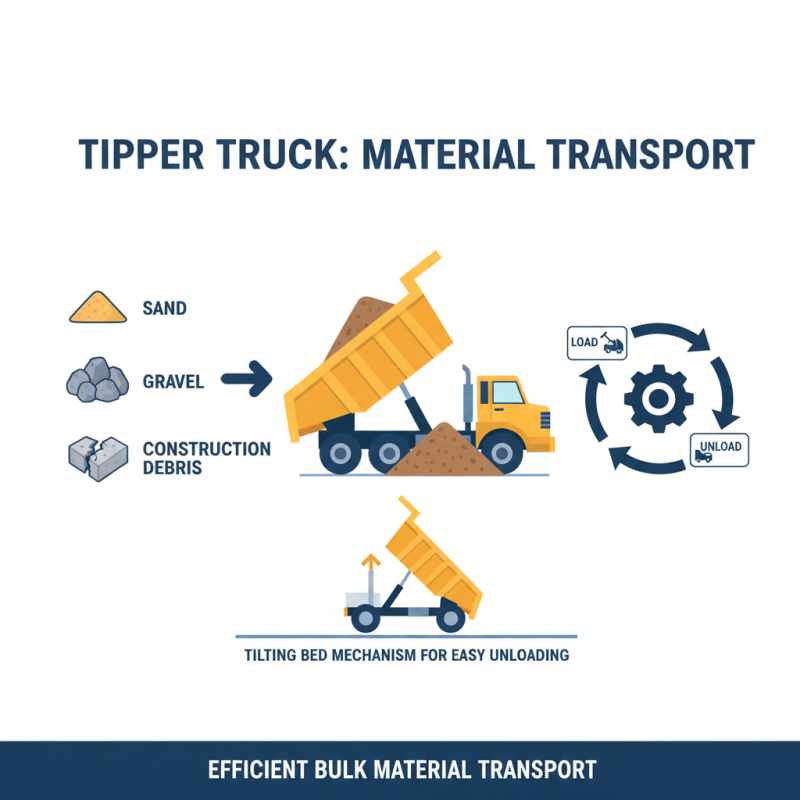
A tipper truck, also known as a dump truck, is a specialized vehicle. Its primary purpose is to transport loose materials. These include sand, gravel, and construction debris. A tipper truck has a unique bed that can be raised at one end. This allows for easy unloading of its contents.
Operating a tipper truck may seem straightforward. However, it requires skill and knowledge. Drivers must be aware of weight limits to ensure safety. If overloaded, the truck may struggle, leading to potential accidents. Moreover, angle and terrain can affect unloading. A steep slope can cause the load to shift unexpectedly.
Maintenance is also a critical aspect. Ignoring wear and tear can lead to failures. Regular checks on hydraulics are essential. Drivers should take responsibility for keeping their trucks in good shape. Each journey presents unique challenges, testing their abilities to adapt. These trucks play a vital role, yet they demand respect and caution.
Key Components of a Tipper Truck: Structure and Functionality
A tipper truck, also known as a dump truck, is essential in construction and mining. Its primary function is to transport materials like gravel, sand, and debris. This vehicle features a hydraulically operated bed that tilts to unload contents. Understanding its key components is vital for effective operation.
The structure of a tipper truck includes the chassis, which supports the entire load. The hydraulic system is crucial, as it lifts and tilts the truck bed. According to industry reports, regular maintenance of these hydraulic systems improves longevity. Inspecting hydraulic fluids and seals is often overlooked but necessary to avoid costly breakdowns.
Tip: Always keep an eye on tire pressure. Under-inflated tires can cause excessive wear. This affects fuel efficiency and safety.
Another essential component is the bed itself. The material of the bed, often made from high-strength steel, plays a critical role in durability. A study from transportation analytics found that trucks with lightweight beds consume less fuel. This optimization can lead to significant cost savings for operators.
Tip: Consider the weight you transport. Overloading can lead to structural damage and decreased performance. Regular assessments can help maintain truck efficiency.
How Tipper Trucks Operate: Mechanisms of Dumping Cargo
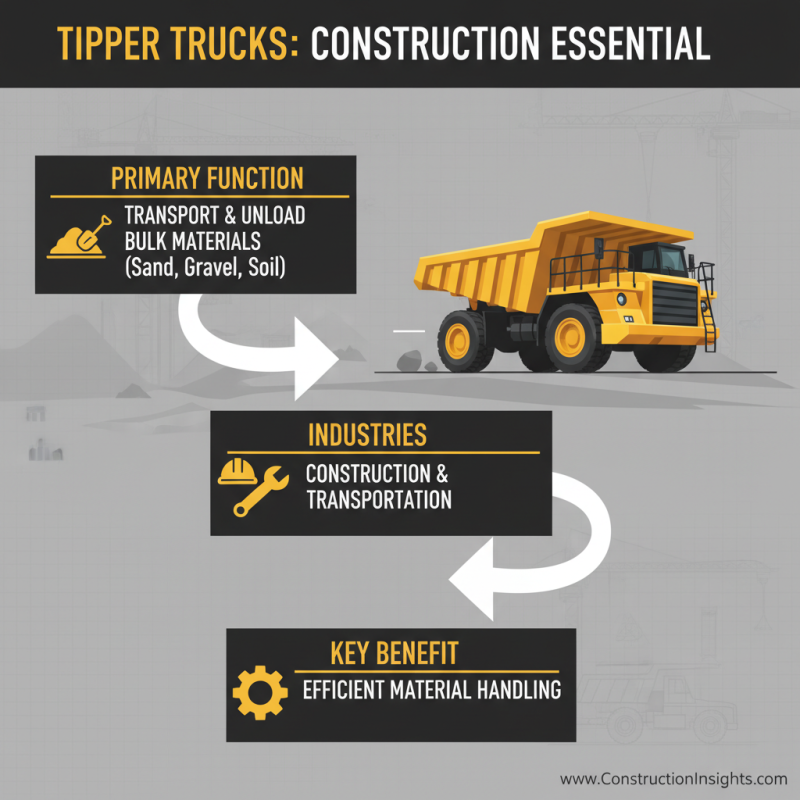
Tipper trucks are essential for construction and transportation industries. Their primary function is to transport and unload bulk materials like sand, gravel, or soil. Understanding how these trucks operate is crucial for efficient use.
These trucks use a hydraulic system to tilt their cargo beds. When activated, hydraulic cylinders lift one side of the truck bed. This allows the contents to slide out. The tilt angle can vary, making it easier to unload in different conditions. A study by the Construction Industry Institute noted that efficient unloading can reduce project times by up to 15%.
However, challenges remain. Tipper trucks require regular maintenance to ensure the hydraulic system functions smoothly. Failure to do so can lead to accidents and project delays. Additionally, operating these trucks requires skilled drivers. Poor training can result in improper loading and unloading. It's essential to prioritize safety and proficiency to maximize their benefits.
Applications of Tipper Trucks in Construction and Mining Industries
Tipper trucks play a crucial role in construction and mining industries. They transport bulk materials like sand, gravel, and soil. With their hydraulic systems, these trucks can quickly unload materials at job sites. This efficiency is essential for keeping projects on schedule.
In construction, tipper trucks are commonly used for site preparation. They deliver materials such as aggregate and topsoil. The ability to tip the bed allows for precise placement. Workers can focus on other tasks while the truck unloads. This can speed up the overall workflow.
**Tip:** Ensure the load is well-balanced. An uneven load can cause tipping during transport.
In the mining sector, tipper trucks haul heavy ores and other materials. They navigate rough terrains and steep inclines. This can be challenging. It's important to choose routes wisely. A poorly planned route may damage the truck or delay operations.
**Tip:** Regularly check the hydraulic system. Malfunctions can lead to accidents or slowdowns.
Overall, the effectiveness of tipper trucks contributes significantly to efficiency in both construction and mining. Proper use and maintenance are key to maximizing their benefits.
Safety Standards and Regulations for Tipper Truck Operations
Tipper trucks play a vital role in construction and logistics. Their design allows for easy unloading of materials. However, safety is paramount in their operation. Operators must adhere to strict safety standards to prevent accidents. The risk of tipping over or losing loads can be significant, especially on uneven surfaces.
Regulations often require regular inspections of tipper trucks. This includes checking the hydraulic systems and brakes. Operators should ensure all safety devices, like load gauges, are functional. Training for drivers is also essential. Misunderstandings about load management can lead to mishaps. Moreover, there's a need for proper environmental awareness.
Operators must remain alert to surrounding conditions. Weather can affect traction and visibility. A sudden storm can create hazardous situations. Communication with site personnel is crucial. Effective teamwork can enhance safety measures. Continuous reflection on safety practices is necessary for improvement. Each operation presents unique challenges that require ongoing evaluation.

 T5EVO
T5EVO T5L
T5L T5
T5 Friday
 T5 HEV
 V9
V9 UTOUR (M4)
 M5 EV
M5 EV M5
M5 Lingzhi Plus
 S7
S7 V9 HEV
 S7
S7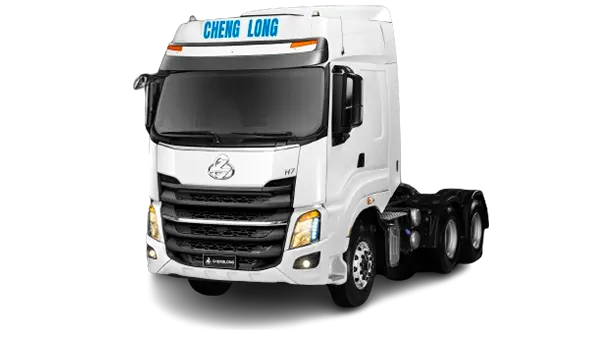 6X4 H7 Tractor
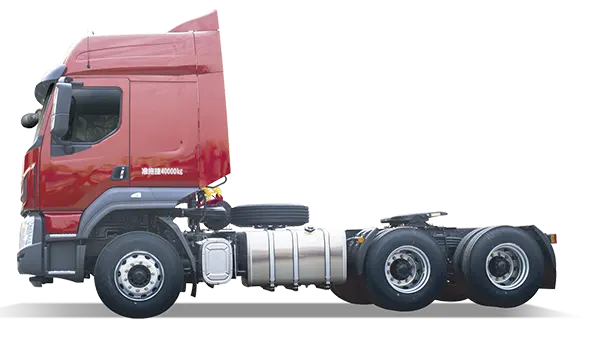 6X4 H5 Tractor
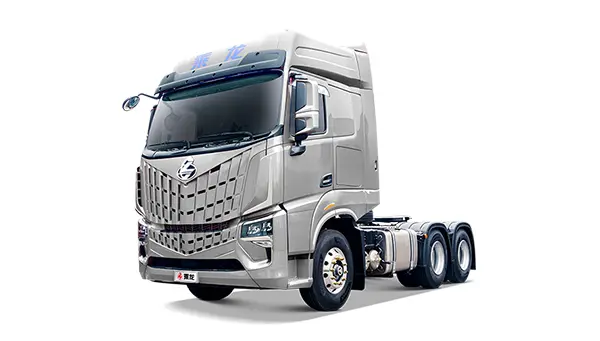 6X4 HK Tractor
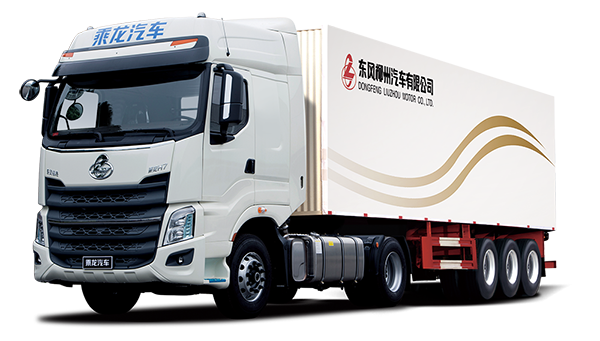 4X2 H7 Tractor
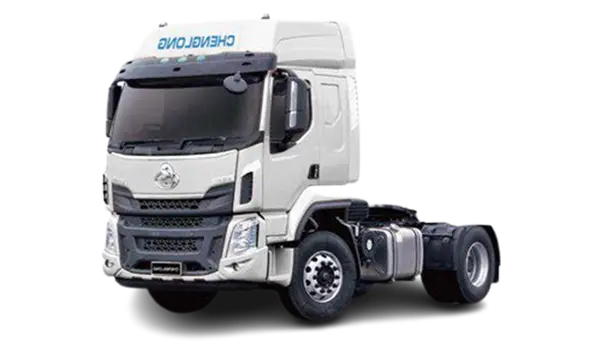 4X2 H5Tractor
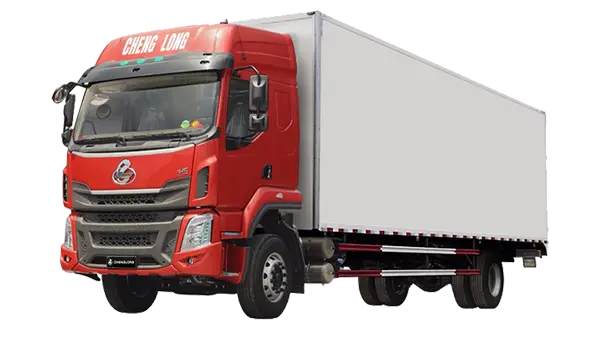 4X2 H5 Cargo Truck
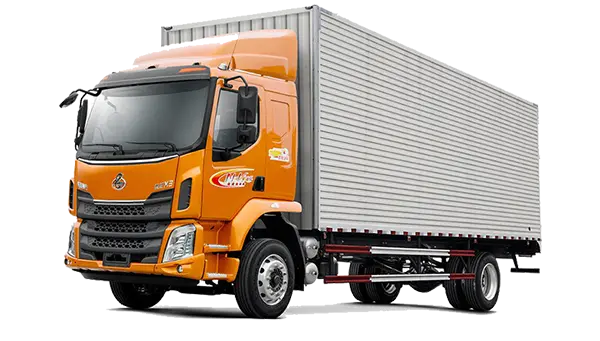 4X2 M3 Cargo Truck
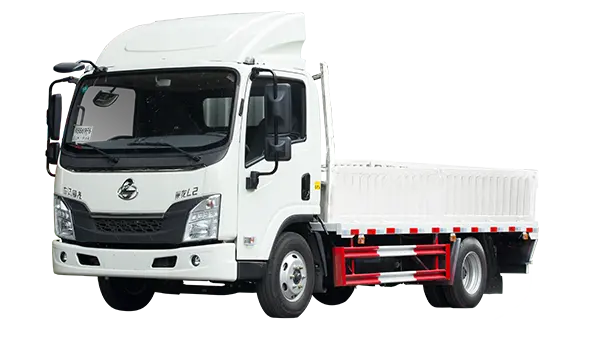 4X2 L2 Cargo Truck
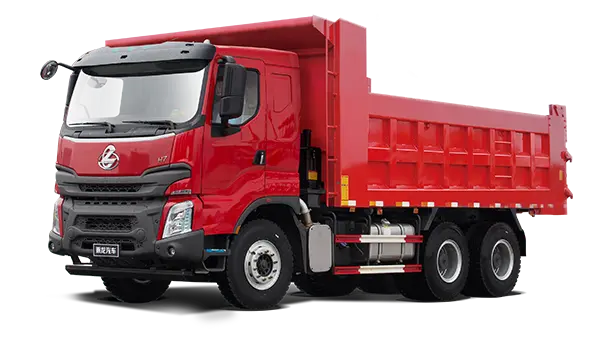 6X4 H7 Dump Truck
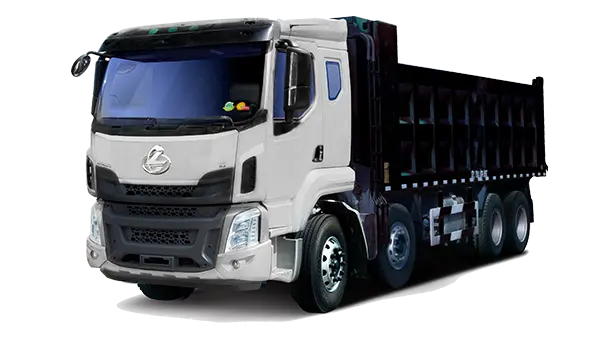 6X4 H5 Dump Truck
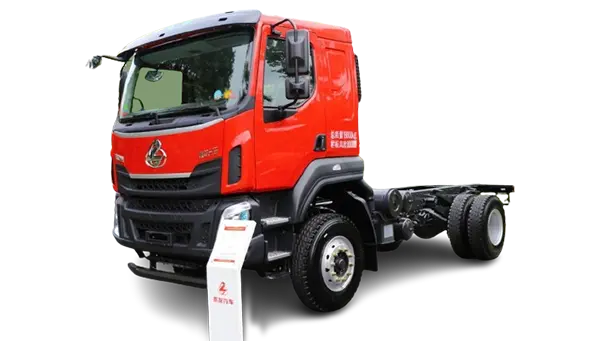 4X2 H5 Dump Truck
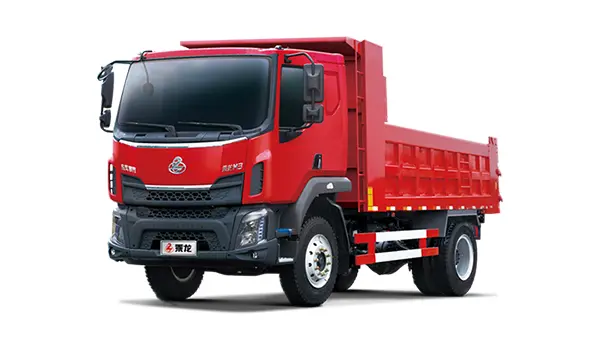 4X2 M3 Dump Truck
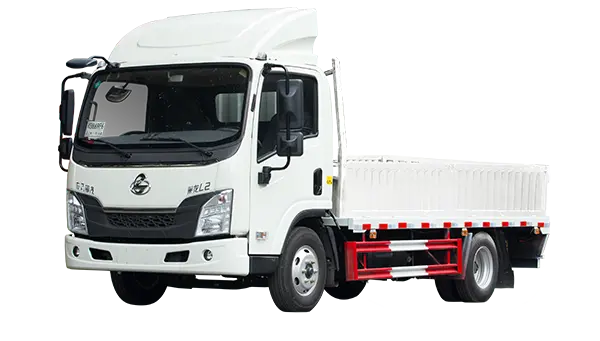 Light Truck L2
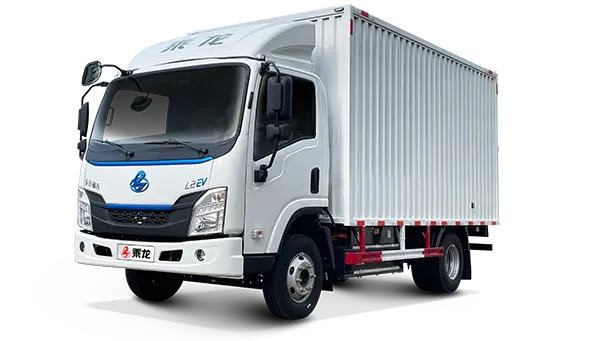 Light Truck L2 EV
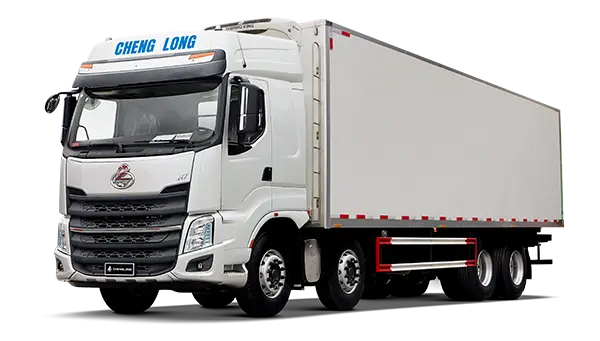 H7 Refrigeratior Truck
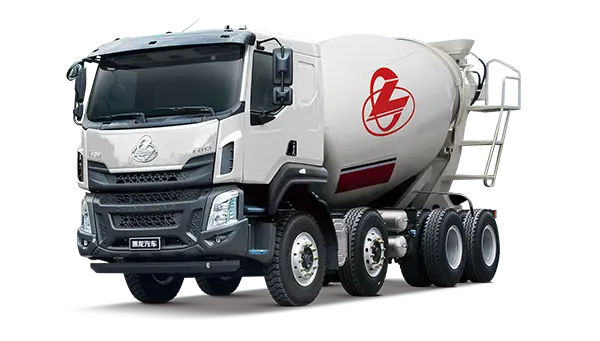 H5 Mixer Truck
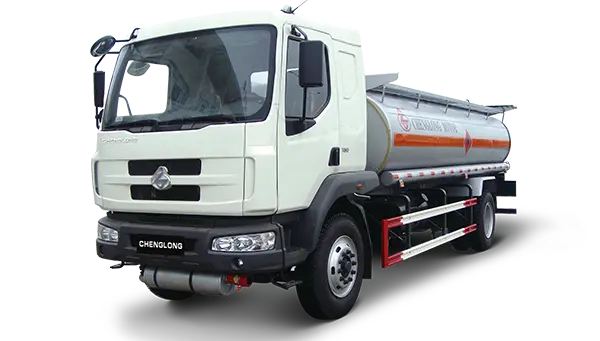 M3 Tank Truck
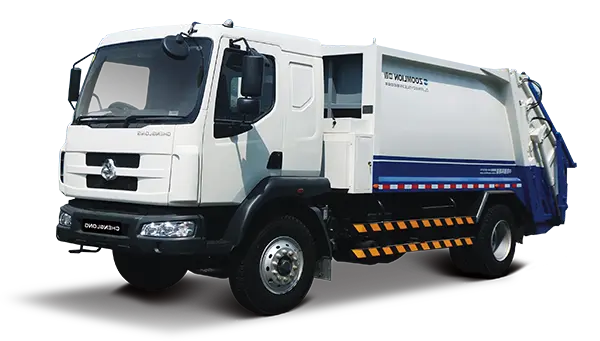 M3 Sanitation Truck
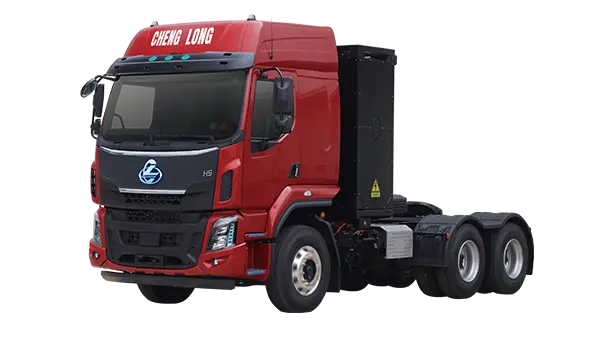 6X4 H7 Electric Truck
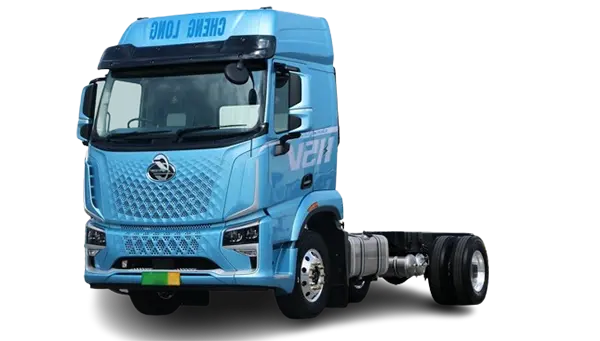 4X2 H5V Electric Truck
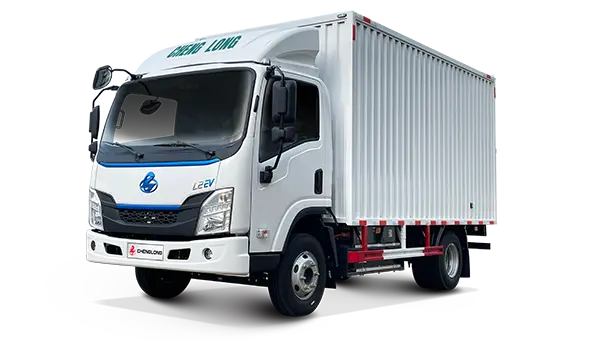 4X2 L2 Electric Truck