Top 10 Tips for Choosing the Best Chinese SUV for Your Needs
As the automotive market evolves, Chinese SUVs are gaining popularity worldwide. Experts in the field highlight the importance of choosing the right model. John Zhang, a renowned automotive analyst, emphasizes, "Selecting the perfect Chinese SUV requires careful consideration of your lifestyle and needs." This advice rings true as various options flood the market.
When exploring Chinese SUVs, factors such as size, features, and budget become critical. Many brands offer a range of models, each catering to different preferences. A compact SUV may fit urban dwellers, while families might need something spacious and safe. However, choices can be overwhelming, leading to confusion. Sometimes, potential buyers overlook essential features in their pursuit of aesthetics.
Furthermore, understanding the after-sales service and resale value is vital. These elements often get ignored during initial research. A shopper might find the ideal car but later regret a lack of support or value retention. Therefore, it's essential to delve deeper and reflect on these aspects before making a decision. The right Chinese SUV can enhance your driving experience if matched well with your needs.

Understanding Your Specific Needs for an SUV
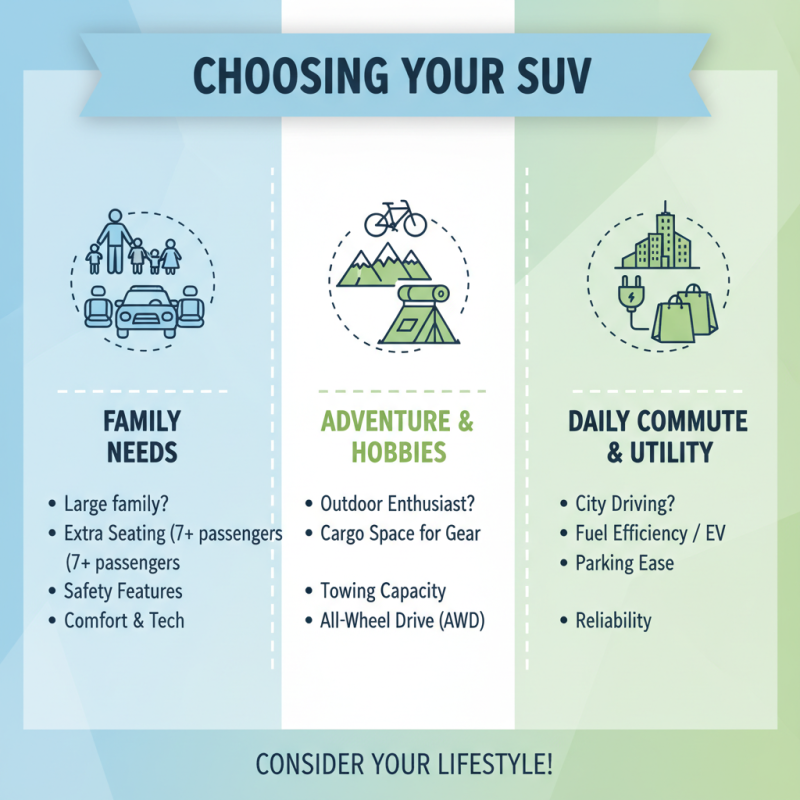
Choosing the right SUV involves understanding your specific needs. Think about your lifestyle. Do you have a large family? Maybe you need extra seating. Are you an outdoor enthusiast? You might require more cargo space for gear.
Tip: Assess your daily activities. A compact SUV could be ideal for city driving. If you travel often, consider fuel efficiency. Remember to look at safety features. They are crucial for peace of mind.
Evaluate your budget as well. A lower price might mean fewer features or space. Don't forget to think about resale value. Not all SUVs maintain their worth. Reflect on your choices. What matters most to you?
Evaluating Key Features: Space, Comfort, and Technology
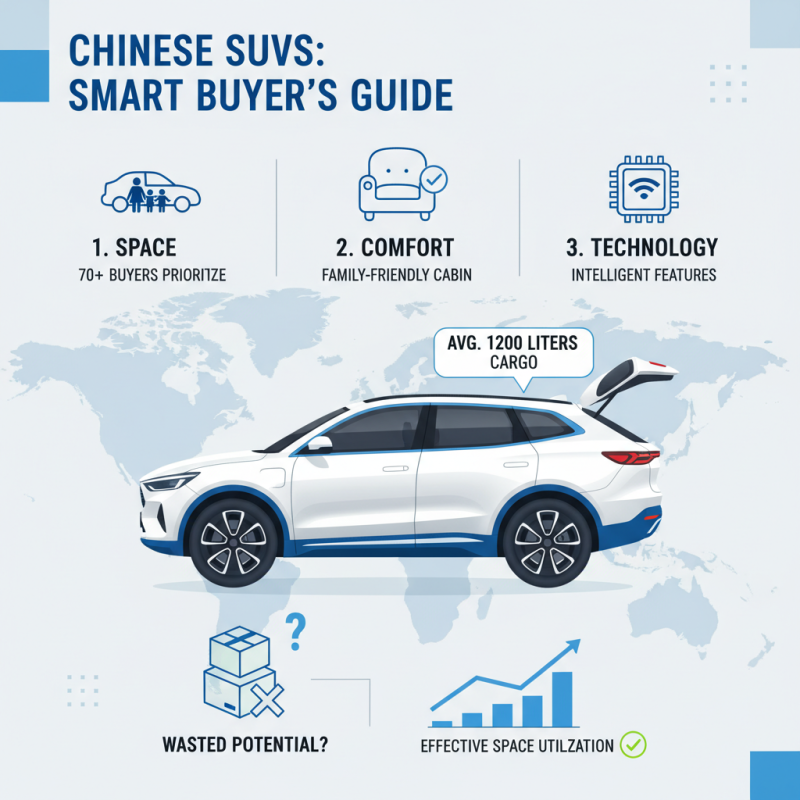
When choosing a Chinese SUV, space, comfort, and technology are critical elements to consider. According to recent industry data, over 70% of buyers prioritize interior space for both passengers and cargo. A spacious cabin enhances comfort, especially for families. On average, SUVs in this category provide around 1,200 liters of cargo space, making them suitable for various activities. However, not all models utilize this space effectively, leading to wasted potential.
Comfort also extends to seating and ride quality. Many vehicles offer high-quality materials and ergonomic designs. Studies indicate that SUVs with adjustable seating can improve passenger satisfaction by up to 30%. Still, some models fail to deliver proper lumbar support, which can lead to discomfort during long drives.
Technology is rapidly evolving in the SUV market. Features like advanced infotainment systems and driver-assistance technologies are now expected. Recent trends show that 85% of consumers want seamless smartphone integration. However, many SUVs still fall short in providing intuitive interfaces. It's crucial to test these systems before making a purchase. A great deal hinges on personal experience and how well these features meet individual needs.
Researching Brand Reputation and Reliability in Chinese SUVs
When looking for the best Chinese SUV, brand reputation is key. You want to gather information before making a choice. Online forums can be helpful. Pay attention to user experiences and feedback. Often, real-world usage reveals more than glossy advertising. Reviews can tell you about reliability and common issues.
Consider how long a brand has been in the market. Longevity suggests stability and experience. However, newer brands may offer innovative features. Balance is crucial. Investigating recalls and warranty claims is also important. It raises questions about quality control. Don't skip research; it saves headaches later.
Look at the overall sentiment. If a brand has a history of positive reviews, it’s worth a closer look. Yet, be wary of overly favorable reviews. They may not reflect the full picture. Collect data from various sources. Make sure to cross-examine what you find. In the end, trust your instincts. Sometimes, a gut feeling guides you better than statistics alone.
Top 10 Tips for Choosing the Best Chinese SUV for Your Needs - Researching Brand Reputation and Reliability in Chinese SUVs
| Feature/Attribute |
Rating (Out of 10) |
Notes |
| Safety Ratings |
8 |
Good crash test results from independent agencies |
| Fuel Efficiency |
7 |
Competitive compared to similar models |
| Customer Satisfaction |
9 |
Generally positive feedback on comfort and features |
| Warranty Offer |
8 |
Comprehensive warranty coverage |
| Resale Value |
6 |
Depreciation is significant; plan for resale |
| Technology Features |
8 |
Includes modern infotainment and connectivity options |
| Interior Quality |
7 |
Mixed reviews on materials; some premium options |
| Off-road Capability |
7 |
Adequate for light off-road; not for rugged terrain |
| Brand Reliability |
8 |
Improvement seen over the years |
| Availability of Parts |
7 |
Parts can be sourced, but may take time |
Comparing Fuel Efficiency and Performance Ratings
When choosing a Chinese SUV, fuel efficiency and performance ratings play crucial roles. Many SUVs claim to offer excellent mileage, but real-world performance can differ. Look for models that provide solid fuel economy without sacrificing power. Research actual user experiences. Sometimes, the numbers on paper do not always reflect the driving experience.
Performance ratings reveal how well a vehicle handles various conditions. Acceleration, braking, and handling are vital. Some SUVs impress in test drives but falter under daily use. Read reviews and consider feedback about how the vehicle behaves in real scenarios. If possible, take multiple test drives to see how different models feel on the road.
Don’t overlook the impact of weight and size. Heavier vehicles may consume more fuel. Evaluate your needs honestly. A larger SUV might seem attractive, but if efficiency is a priority, you could face regrets later. By focusing on both fuel efficiency and performance, you can make a better-informed choice. Think deeply about what matters most for your driving lifestyle.
Budgeting: Finding the Best Value for Your Investment
Budgeting wisely is crucial when choosing a Chinese SUV. Start by determining your budget. Think about how much you can comfortably spend. Consider additional costs too, like insurance, taxes, and maintenance. This perspective helps in finding the true cost of ownership.
Look for vehicles that offer the best features within your budget. Sometimes, a slightly higher price tag may include options that provide better value. For instance, a model with advanced safety features can save money in the long run. On the other hand, avoid models that seem too cheap. They might lack reliability and essential conveniences.
Researching financing options is equally important. Compare interest rates from various lenders. A slightly lower rate can significantly reduce your monthly payments. Keep in mind that an attractive financing deal might come with hidden fees. Always read the fine print. Reflecting on these elements ensures you're making a wise investment.
Top 10 Tips for Choosing the Best Chinese SUV for Your Needs

 T5EVO
T5EVO T5L
T5L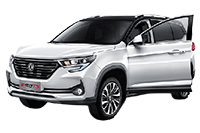 T5
T5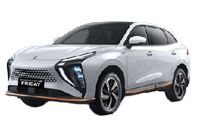 Friday
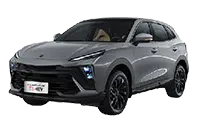 T5 HEV
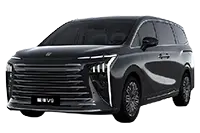 V9
V9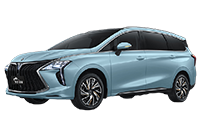 UTOUR (M4)
 M5 EV
M5 EV M5
M5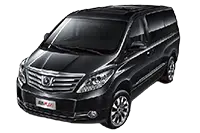 Lingzhi Plus
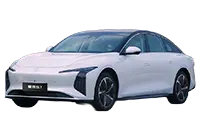 S7
S7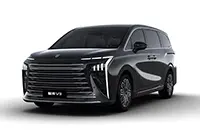 V9 HEV
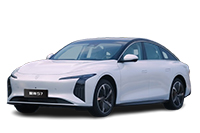 S7
S7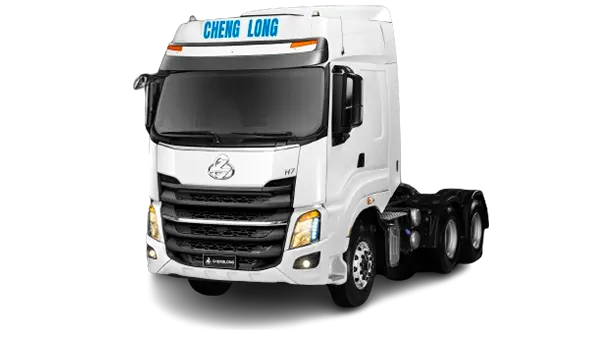 6X4 H7 Tractor
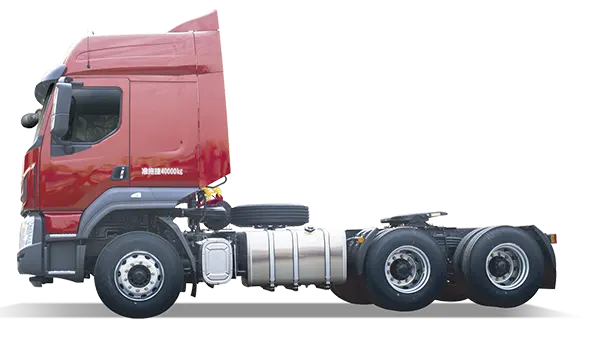 6X4 H5 Tractor
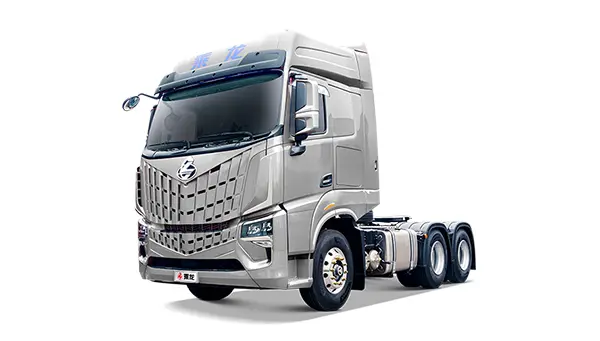 6X4 HK Tractor
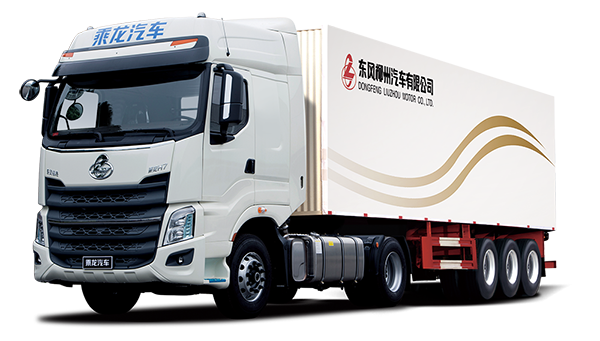 4X2 H7 Tractor
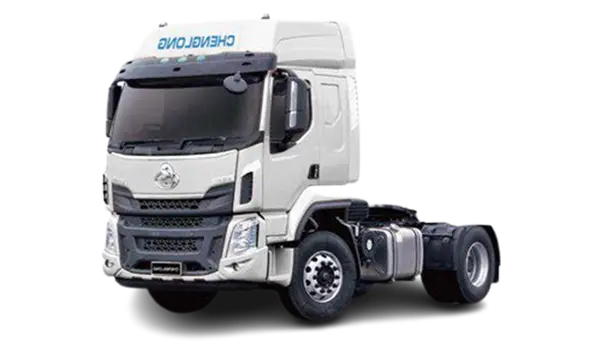 4X2 H5Tractor
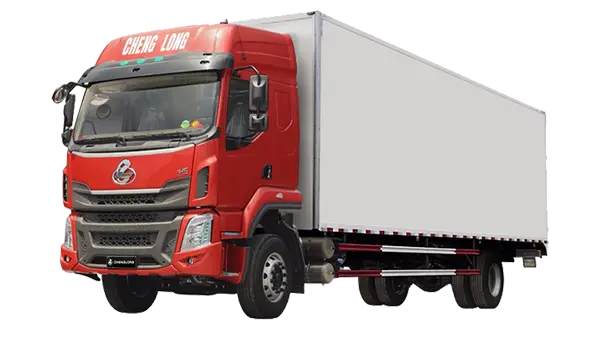 4X2 H5 Cargo Truck
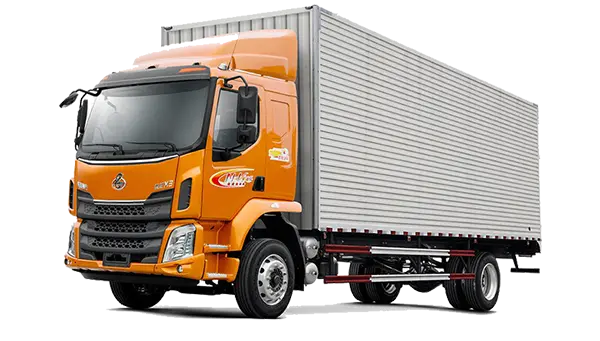 4X2 M3 Cargo Truck
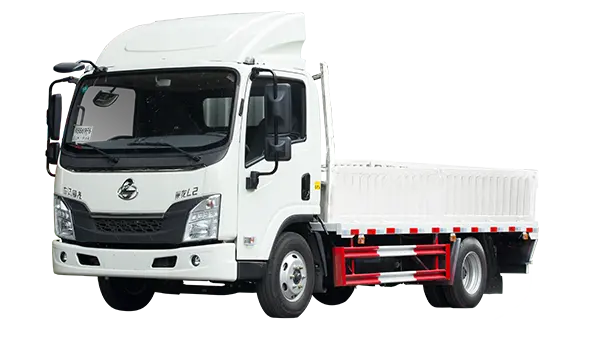 4X2 L2 Cargo Truck
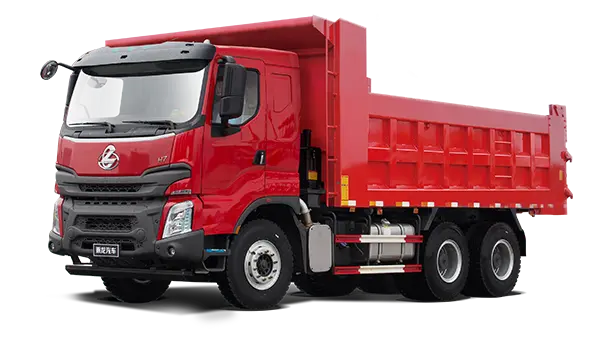 6X4 H7 Dump Truck
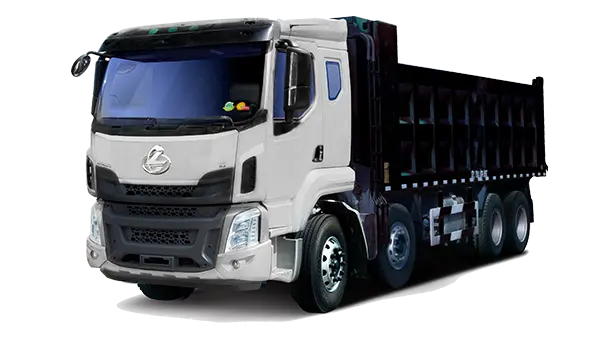 6X4 H5 Dump Truck
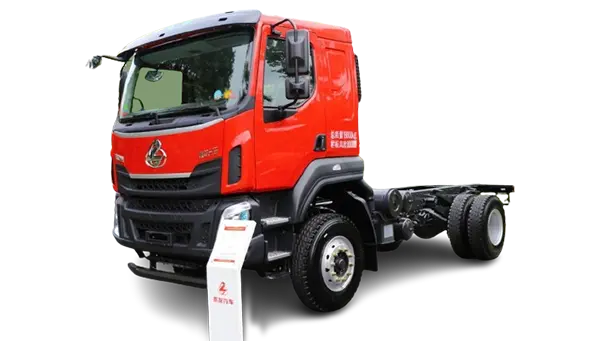 4X2 H5 Dump Truck
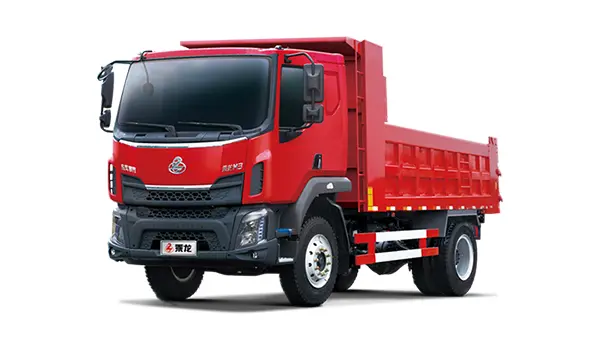 4X2 M3 Dump Truck
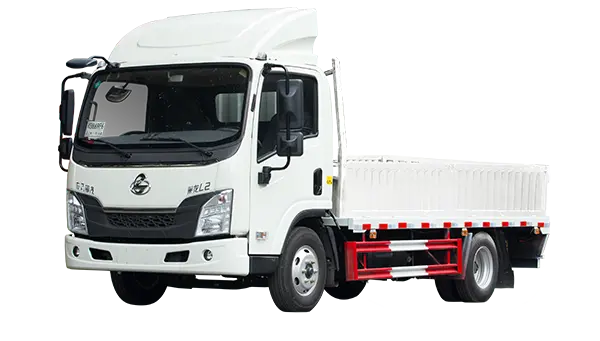 Light Truck L2
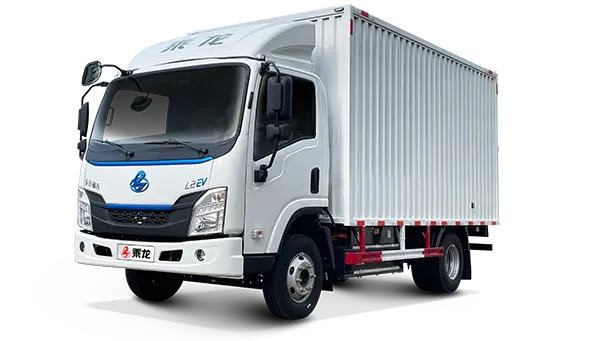 Light Truck L2 EV
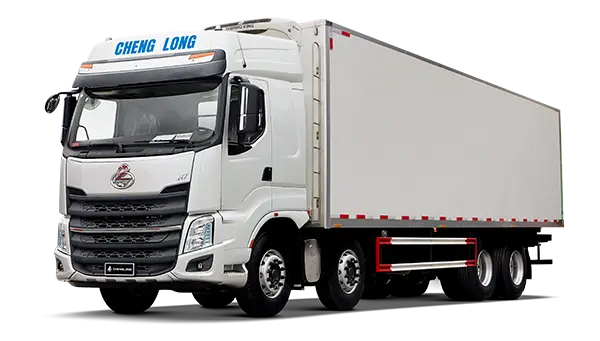 H7 Refrigeratior Truck
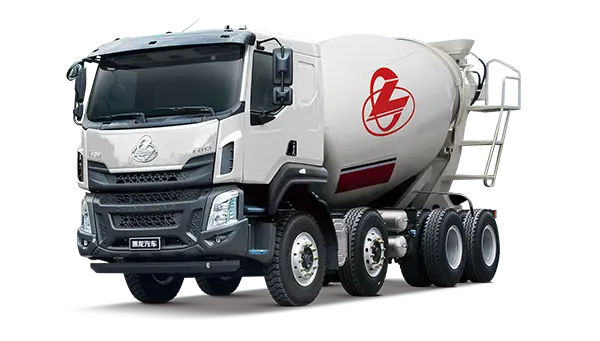 H5 Mixer Truck
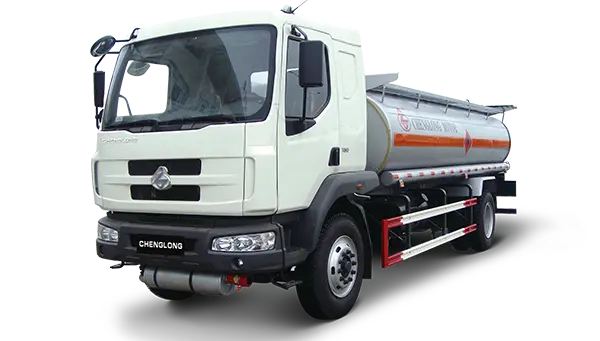 M3 Tank Truck
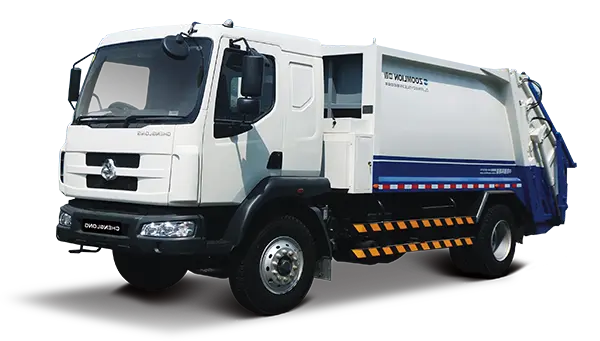 M3 Sanitation Truck
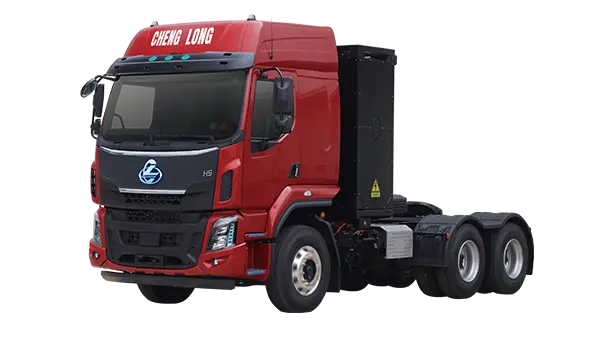 6X4 H7 Electric Truck
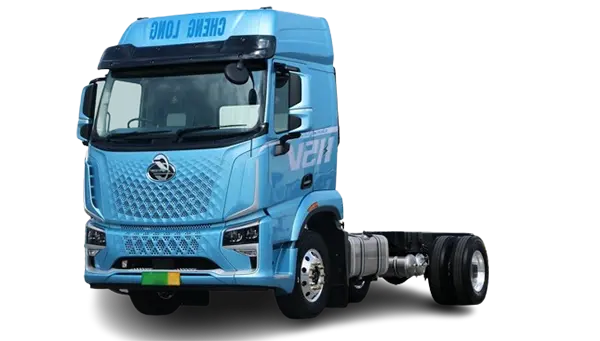 4X2 H5V Electric Truck
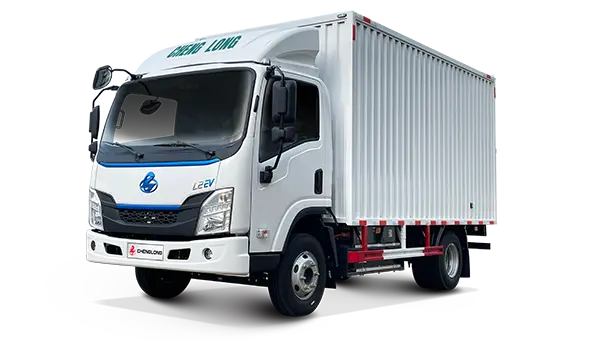 4X2 L2 Electric Truck