Top Electric MPV Tips for Choosing the Best Model?
When considering an Electric MPV, making the right choice is crucial. Manufacturers now offer a variety of models with different features. Henry Lewis, an industry expert, once stated, “Choosing the right Electric MPV can transform family travel.” His insight emphasizes the importance of careful selection.
Electric MPVs combine functionality and sustainability. They appeal to families seeking eco-friendly options. However, not all models are created equal. Some might lack essential features for your needs. Evaluate seating capacity, driving range, and charging time. These factors can affect your daily routine significantly.
It’s easy to get lost in the options. Many models look appealing but fail to deliver in performance. Take time to research and compare various Electric MPVs. Seek reviews from current owners and experts. This ensures a decision based on real experiences, not just marketing claims. Each detail can impact your driving experience and family comfort.
Top Features to Consider in Electric MPVs for Family Use
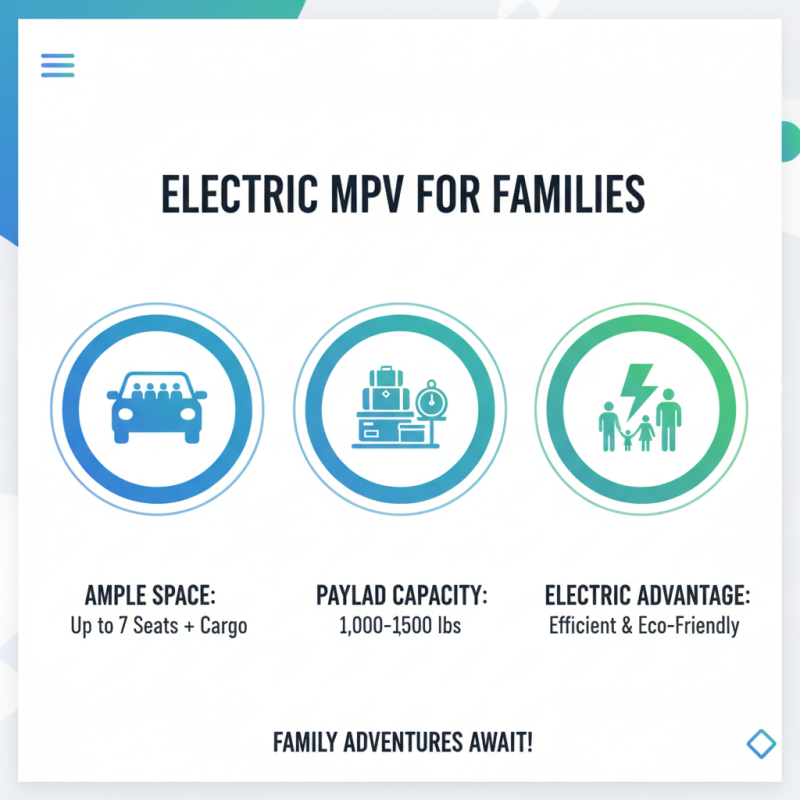
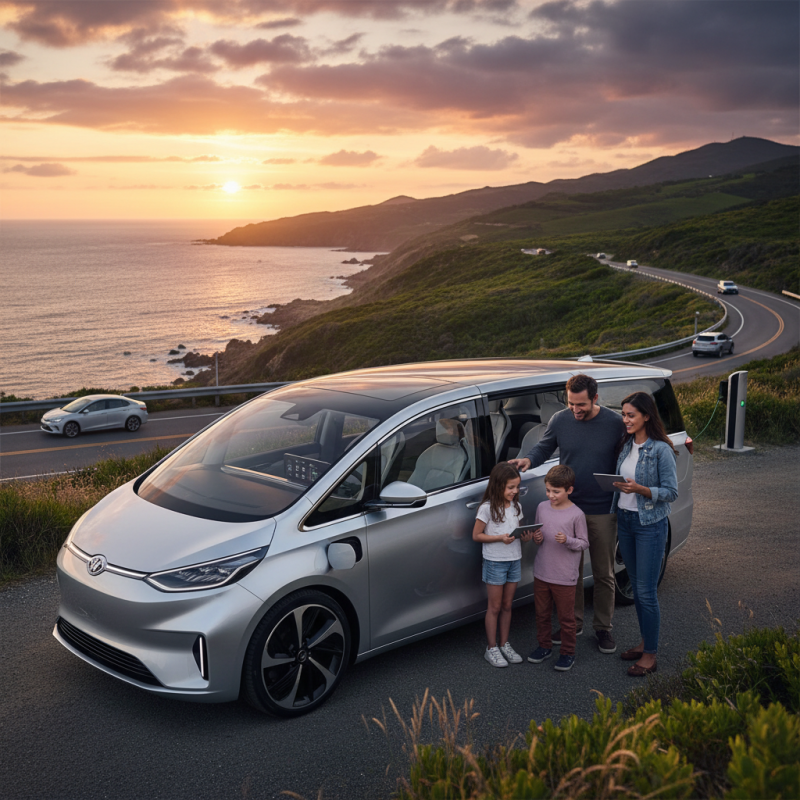
When choosing an electric MPV for family use, certain features stand out. Space is essential. Families need room for passengers and cargo. A typical electric MPV offers up to 7 seats, which can accommodate larger families or groups. Payload capacity is also critical. Many electric MPVs offer between 1,000 to 1,500 pounds, ensuring all your belongings fit comfortably.
An important aspect to consider is battery range. Families often embark on long trips. A good electric MPV should provide at least 200 miles on a full charge. This range reduces the anxiety of running out of battery. Statistics show that most electric MPVs now feature fast charging capabilities. This allows the battery to charge to about 80% in just 30 minutes, which is convenient during family road trips.
Safety features should not be overlooked. Many new electric MPVs offer advanced safety technologies. These include blind-spot detection and lane-keeping assist. Research indicates that about 60% of families prioritize safety ratings when selecting a vehicle. It's wise to review crash test ratings before making a decision. Finally, some charging options may vary between models, making it an important factor for home installations. These considerations will help you find an ideal electric MPV for your family's needs.
Battery Range: Evaluating Your Daily Needs and Long-Distance Travel
When considering an electric MPV, battery range is a critical aspect. Evaluating your daily commute is essential. The average daily travel for a person is about 30 miles. Therefore, an electric model with a range of at least 150 miles is likely sufficient for many. Yet, this does not account for those spontaneous road trips. Longer journeys can require a different strategy.
For long-distance travel, a vehicle with a range of 250 miles or more is ideal. In the latest industry reports, around 40% of electric vehicle users highlighted range anxiety as a key concern. Charging infrastructure is another factor. Adequate charging stations can alleviate concerns about running out of battery. A car that takes longer to charge might not meet everyone's needs.
Think about your lifestyle too. If your family frequently travels together, battery capacity becomes crucial. Medium-sized electric MPVs typically offer ranges between 200-300 miles. However, these numbers depend greatly on driving conditions and your driving style. Real-world usage often reveals that advertised ranges can fall short under certain conditions. Reflect on these factors before making your choice.
Charging Solutions: Home vs. Public Infrastructure for Electric MPVs
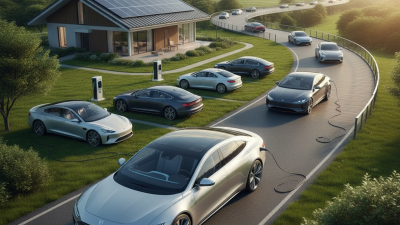
When considering the charging solutions for electric MPVs, the choice between home and public infrastructure is crucial. Home charging can provide convenience. It allows owners to charge overnight, ensuring a full battery by morning. According to a 2022 study, about 80% of electric vehicle owners prefer home charging, citing cost-efficiency and accessibility. However, not everyone has a garage or charging station at home. This limitation can deter potential buyers.
Public charging infrastructure is expanding rapidly. Reports indicate that as of late 2023, there are over 70,000 public charging stations available in various regions. While this growth is promising, the experience may vary from location to location. Some charging stations can be unreliable or heavily used, leading to long wait times. In urban areas, the density of charging stations is better, yet rural regions still face challenges. This discrepancy can influence a buyer's decision.
Charging speed is another factor to consider. While home chargers typically provide Level 2 charging, public stations might offer faster options. A report from the Electric Vehicle Charging Association revealed that DC fast chargers can recharge vehicles to 80% in about 30 minutes. However, accessibility to these fast charging stations remains inconsistent. Therefore, it's vital for buyers to evaluate their lifestyle needs. Where they live, how often they travel, and their reliance on public infrastructure play significant roles in choosing an electric MPV.
Top Electric MPV Tips for Choosing the Best Model
| Model |
Range (miles) |
Charging Time (hrs) |
Seating Capacity |
Home Charging Type |
Public Charging Compatibility |
| Electric MPV A |
250 |
7 |
7 |
Level 2 |
CCS |
| Electric MPV B |
300 |
5 |
8 |
Level 1 |
CHAdeMO |
| Electric MPV C |
220 |
6 |
6 |
Level 2 |
CCS |
| Electric MPV D |
280 |
4 |
8 |
Level 2 |
CCS, CHAdeMO |
Safety Ratings: Understanding NCAP Scores for Electric MPVs
When choosing an electric MPV, safety should be a top priority. Understanding NCAP scores is crucial. These ratings reflect a vehicle's crash safety and overall protection. A high NCAP score means better safety features and design. Features like multiple airbags and stability controls play a key role.
But, not all electric MPVs are equal. Some may score well in certain tests but poorly in others. It can be confusing. For instance, a model could excel in crash tests but lack advanced driver-assistance systems. This gap can affect real-world safety.
Parents especially need to pay attention. A higher NCAP score can greatly influence their decisions. Seeing a five-star rating provides peace of mind. Yet, additional features, like child seat compatibility, matter too. It’s essential to look beyond the score. Consider the overall safety package each model offers. Be informed, and think critically when making your choice.
Cost of Ownership: Analyzing Maintenance and Depreciation in Electric MPVs
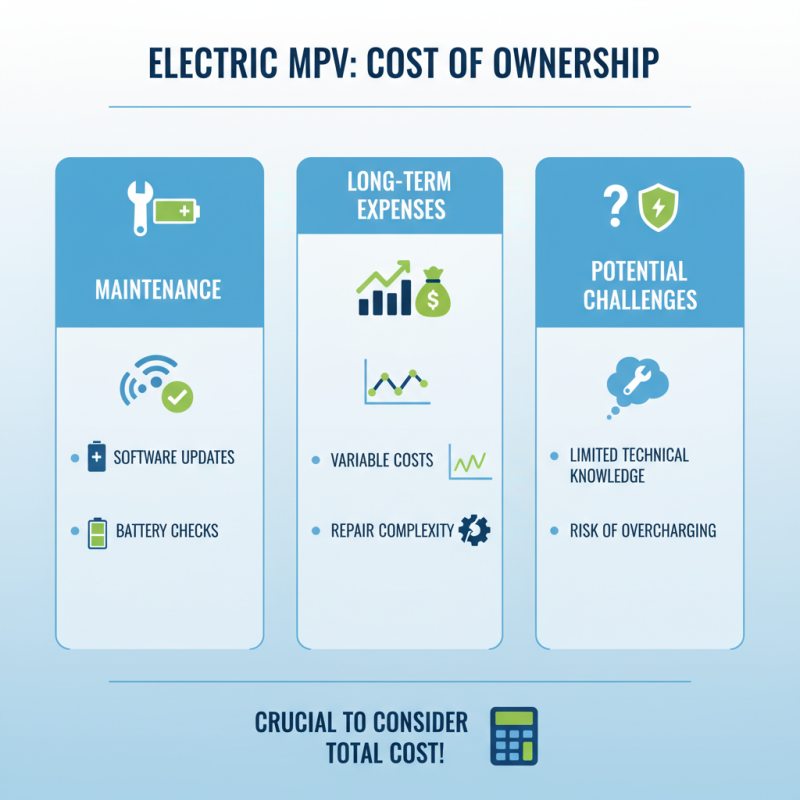
When considering electric MPVs, the cost of ownership is crucial. Maintenance costs can vary. Regular software updates and battery checks are essential. These factors might influence long-term expenses. Sometimes, repairs can be more challenging. Technical knowledge isn’t always widespread, leading to potential overcharging.
Depreciation is another key element. Electric vehicles typically lose value faster than conventional cars. This is partly due to technology advancements. As new models emerge, older ones may drop in price significantly. For buyers, this creates a dilemma. They might pay a premium initially but see a quicker decline in resale value.
When choosing an electric MPV, consider your usage. Will you drive often or mainly use it for short trips? This affects battery life and overall performance. Always test drive multiple models. This practice helps identify what feels right. Pay close attention to charging options available. Choose a model that fits seamlessly into your lifestyle.

 T5EVO
T5EVO T5L
T5L T5
T5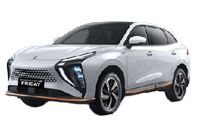 Friday
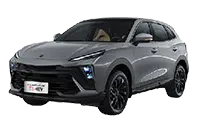 T5 HEV
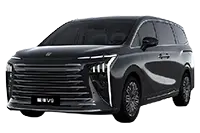 V9
V9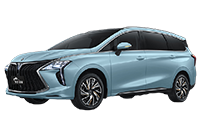 UTOUR (M4)
 M5 EV
M5 EV M5
M5 Lingzhi Plus
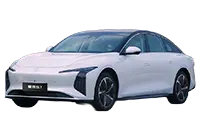 S7
S7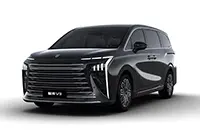 V9 HEV
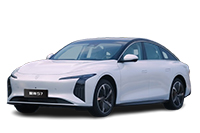 S7
S7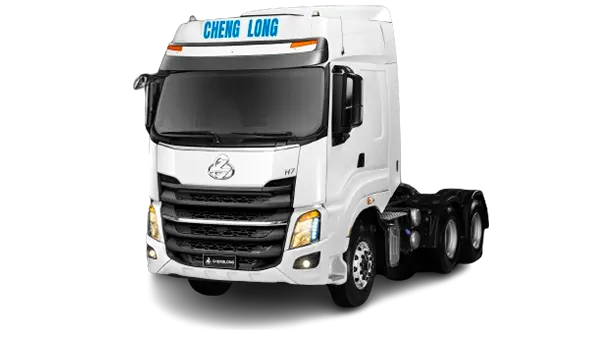 6X4 H7 Tractor
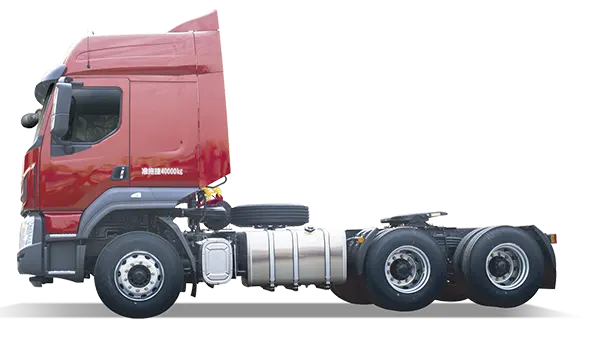 6X4 H5 Tractor
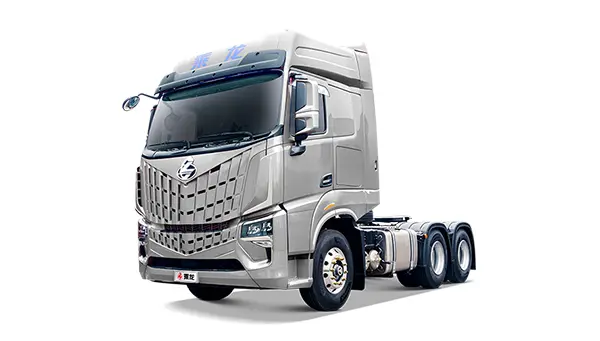 6X4 HK Tractor
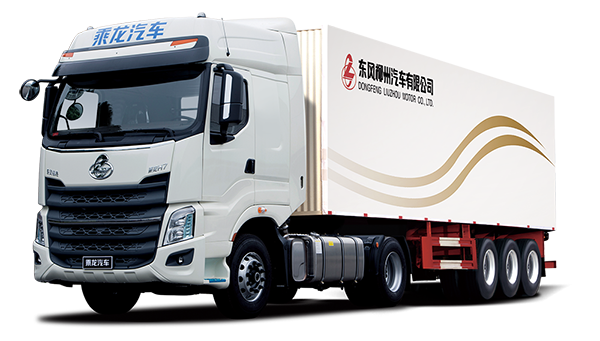 4X2 H7 Tractor
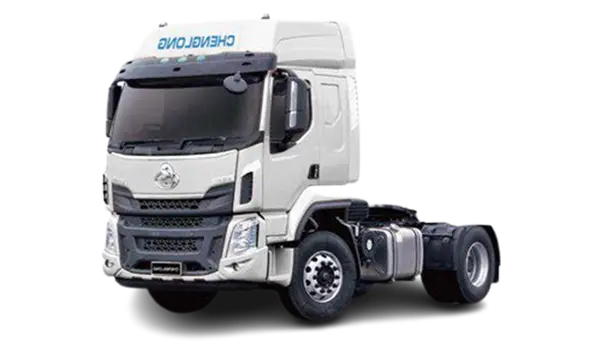 4X2 H5Tractor
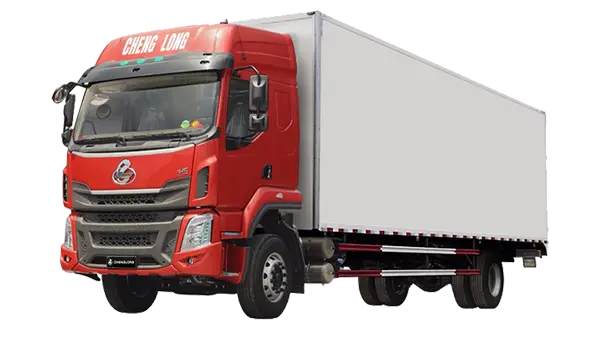 4X2 H5 Cargo Truck
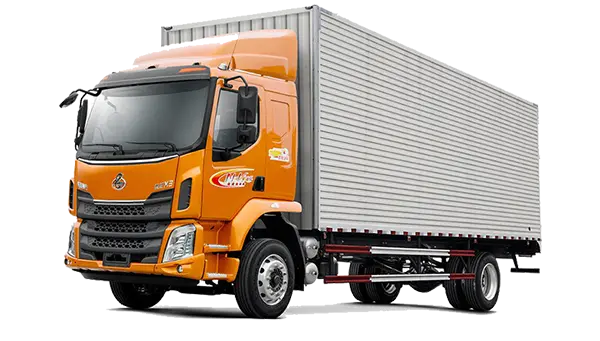 4X2 M3 Cargo Truck
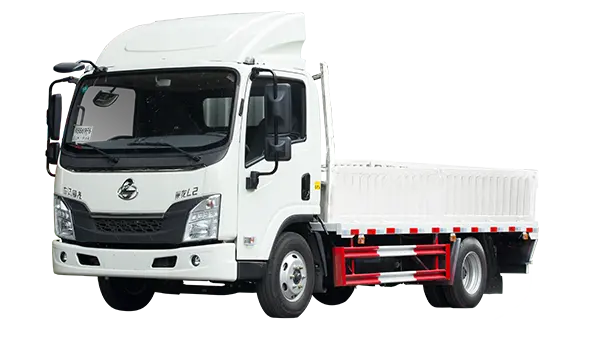 4X2 L2 Cargo Truck
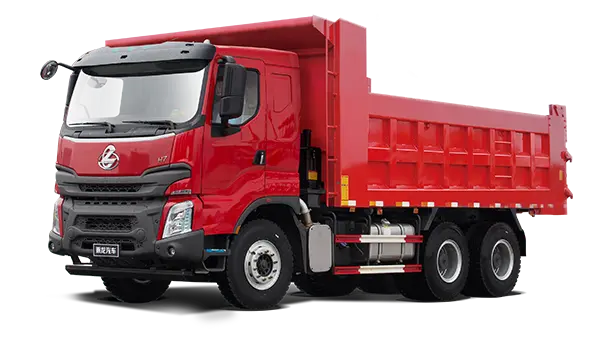 6X4 H7 Dump Truck
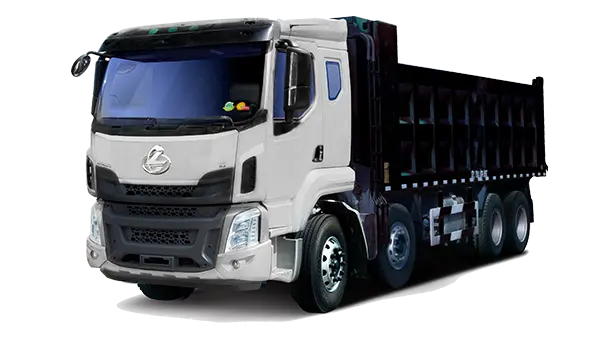 6X4 H5 Dump Truck
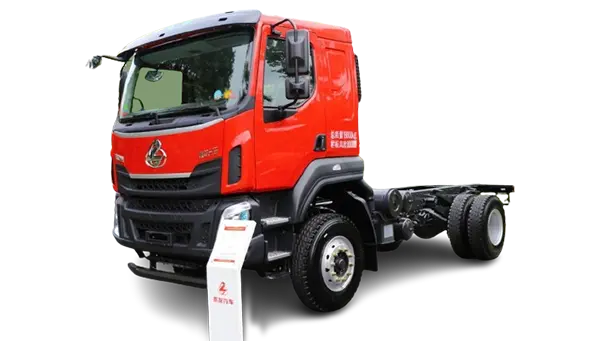 4X2 H5 Dump Truck
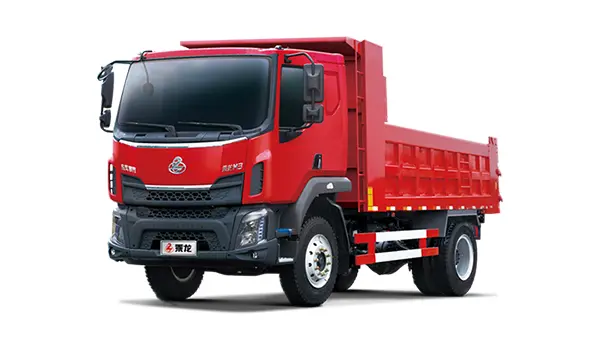 4X2 M3 Dump Truck
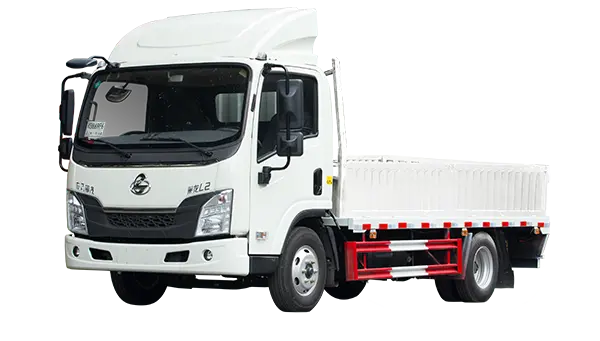 Light Truck L2
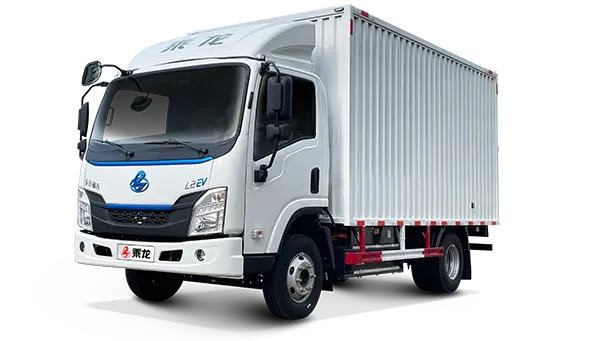 Light Truck L2 EV
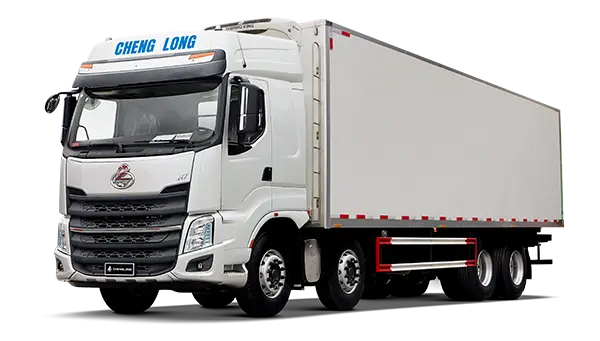 H7 Refrigeratior Truck
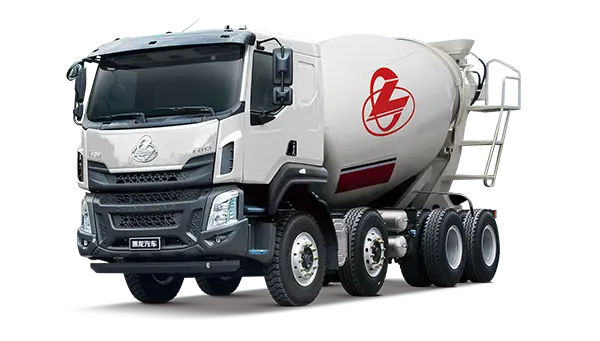 H5 Mixer Truck
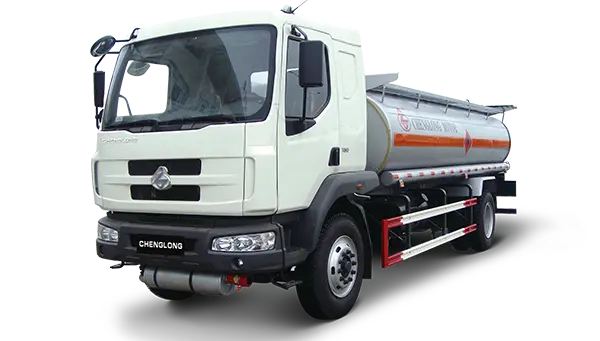 M3 Tank Truck
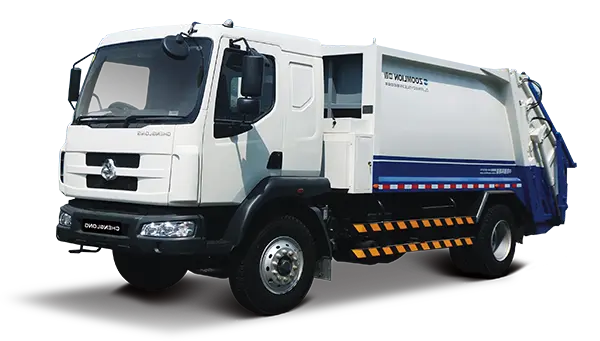 M3 Sanitation Truck
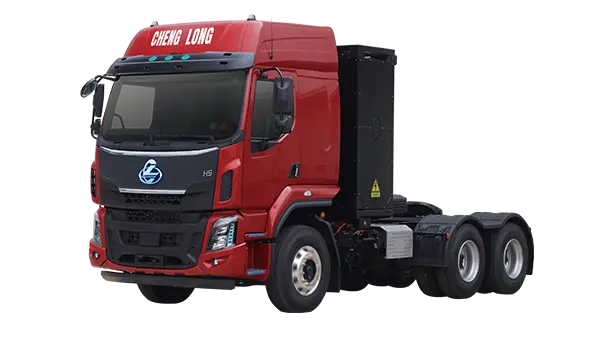 6X4 H7 Electric Truck
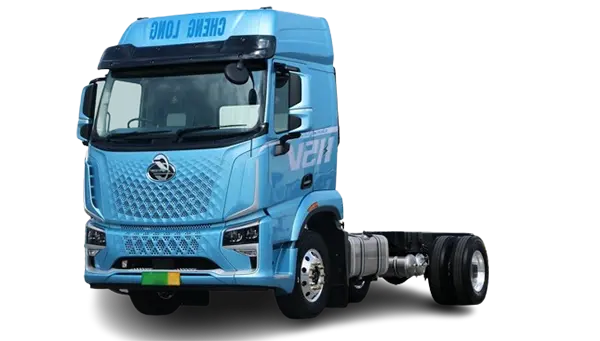 4X2 H5V Electric Truck
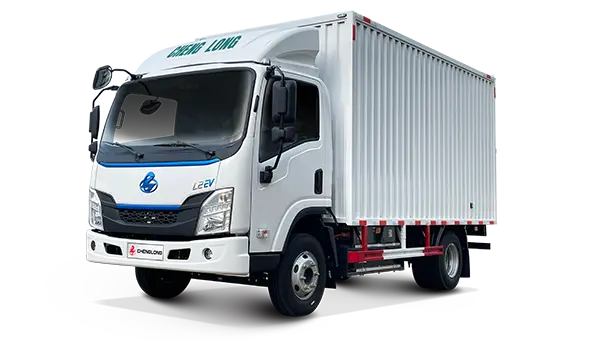 4X2 L2 Electric Truck