Top 10 Dongfeng Motor Group Cars for Global Buyers?
Dongfeng Motor Group’s name covers a broad automotive portfolio, not one single kind of vehicle. Global buyers may encounter family SUVs, practical sedans, and electric models, depending on their market. This guide compares ten notable choices through the details that matter in daily use: cabin space, driving range, charging access, safety features, warranty support, and service availability. A specification sheet is only a starting point.
Automotive analyst Bill Russo, founder of Automobility, has studied China’s auto industry and its international expansion. A relevant takeaway from his analysis, paraphrased rather than presented as a verbatim quotation, is that overseas success depends on matching products to local buyer needs. That is a useful lens, though not a perfect one. A vehicle that looks compelling in a showroom may feel less convincing when parts, software support, or nearby service are difficult to confirm.
So, which Dongfeng Motor Group cars deserve attention from global buyers? The answer depends on where the vehicle will be driven and supported. Model names, equipment, and availability can differ by country, and an advertised range may not reflect every journey or climate. Look closely. The selections ahead aim to distinguish promising features from questions buyers should still ask, including dealer coverage and after-sales support. No model is automatically the right choice for every driver.
Dongfeng Motor Group: Brand Portfolio and Global Presence
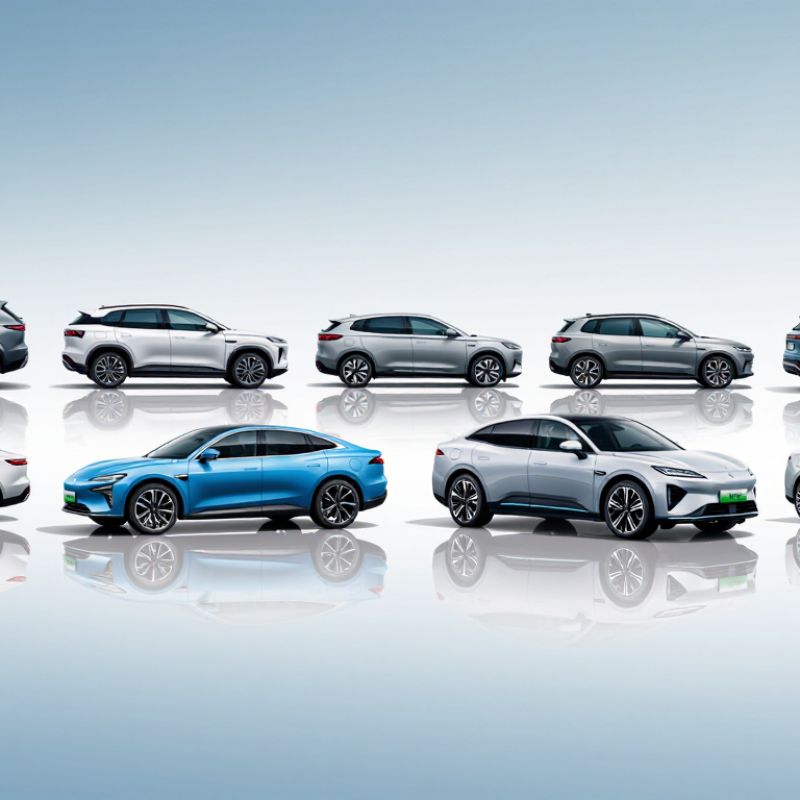
A broad vehicle portfolio can serve very different daily needs. The group’s range includes passenger cars, commercial vehicles, and electrified models, though availability varies by market. For global buyers, this matters more than a long model list. A compact city car and a work-focused van answer different questions about space, running costs, and charging access. The portfolio looks wide. Yet local choice may be narrower.
Its international presence depends on more than shipping vehicles overseas. Import arrangements, dealer coverage, spare-parts supply, and service training all shape ownership. A buyer in one country may find several powertrain options, while another sees only a small selection. That picture is incomplete without checking local specifications. Even equipment with the same name can differ between markets. It is easy to overlook this.
Tips: Check the exact local model, warranty terms, and nearby repair support before comparing prices. Ask whether charging equipment and parts are readily available. A test drive helps, but it cannot answer every ownership question.
How to Assess Dongfeng Cars for International Markets
Selecting vehicles for overseas use starts with real routes and ownership needs, not headline range or cabin screens. Compare energy use in local temperatures, traffic, and typical passenger loads. A short test drive cannot reveal everything. Check ground clearance on rough access roads, door seals after heavy rain, and whether rear seats fit child seats or adult passengers comfortably. Details matter. Ask for market-specific safety equipment, warranty terms, and written service intervals; export versions can differ. Confirm the exact trim and build year before comparing prices.
After-sales support is often the deciding test. Identify nearby trained technicians, parts availability, and expected delivery times for routine items such as filters, lamps, and brake components. If charging is relevant, verify connector compatibility, public charging access, and home installation options. For fuel-powered models, check fuel availability and maintenance requirements. Review independent crash-test results where available, and confirm the specific version was assessed. Don't rely on a sales sheet alone. Bring a checklist, record answers, and request unresolved details in writing. Some points will remain uncertain; admitting that is more useful than smoothing it over. A vehicle that fits the budget but leaves its owner waiting for a small part may be a poor choice.
Top 10 Global Markets for Car Assessment
New motor vehicle sales by market in 2023 (millions of vehicles)
Market volume helps indicate the scale of potential demand, but does not by itself measure vehicle suitability, regulations, or ownership costs. Source: OICA, 2023 vehicle sales statistics; figures rounded to two decimal places.
Top 10 Dongfeng Motor Group Cars for Global Buyers
Global buyers comparing vehicles from this Chinese automotive group should judge them by use case, not headline range alone. A practical ten-car shortlist can cover a small city electric car, compact electric hatchback, electric sedan, hybrid sedan, compact SUV, family SUV, midsize SUV, plug-in hybrid SUV, spacious MPV, and light commercial van. Availability varies by market, so confirm local specifications, service coverage, and warranty terms before comparing prices. Small details matter: rear-seat knee room, charging-port placement, and visibility in a tight parking space can shape daily ownership.
The International Energy Agency’s Global EV Outlook 2025 reports that electric-car sales exceeded 17 million in 2024, surpassing one-fifth of global car sales. That growth makes battery range and charging access central checks, but it does not make an electric model the best fit for every household. Buyers in colder regions should test winter range; families should inspect child-seat access and luggage space. A test drive helps. This ranking is necessarily imperfect: equipment and powertrain choices differ across export markets, and model names alone reveal little about long-term repair support. Ask dealers for written service intervals and parts lead times, then compare those answers with the vehicle’s purchase price.
Availability, Service Support, and Ownership Considerations
For global buyers, shortlist vehicles by local support, not showroom features alone. Before paying a deposit, ask the seller for a written list of authorized workshops, routine-service prices, warranty coverage, and parts lead times. Confirm these details with a local importer; coverage can differ by country and model year. A glossy service map does not prove that technicians can diagnose faults or source a sensor quickly.
Ownership may span a decade. ACEA’s Vehicles on European Roads 2024 report puts the average EU passenger-car age at 12.3 years, based on 2022 data. That is a reminder that repairability matters long after delivery. The IEA’s Global EV Outlook 2024 reports nearly 14 million electric-car sales in 2023, about 18% of new-car sales worldwide. Yet rising demand does not guarantee local battery expertise, charging access, or replacement parts. The gap between global momentum and local support can be real.
Tips: Get written confirmation of warranty transfer, roadside assistance, software updates, and battery diagnostics. Ask how long common items, such as filters, lamps, and body panels, usually take to arrive. If answers are vague, pause. I might choose a simpler trim for dependable service, though I could still underestimate repair delays. Ask owners in your city, not only online reviewers.

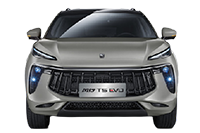 T5EVO
T5EVO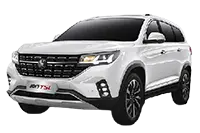 T5L
T5L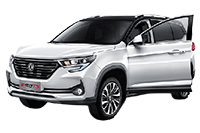 T5
T5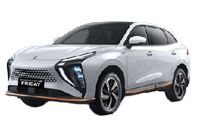 Friday
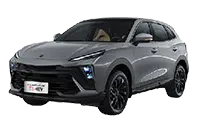 T5 HEV
 V9
V9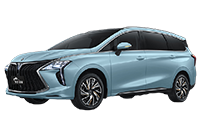 UTOUR (M4)
 M5 EV
M5 EV M5
M5 Lingzhi Plus
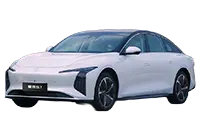 S7
S7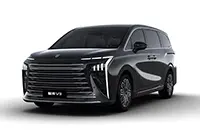 V9 HEV
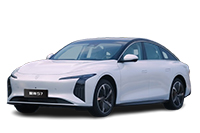 S7
S7 6X4 H7 Tractor
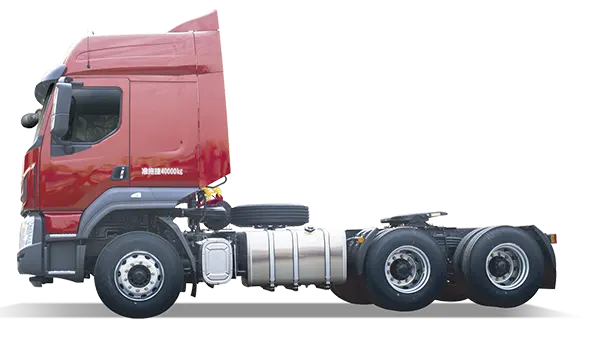 6X4 H5 Tractor
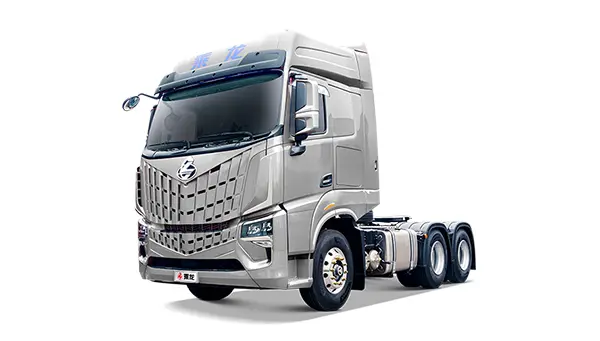 6X4 HK Tractor
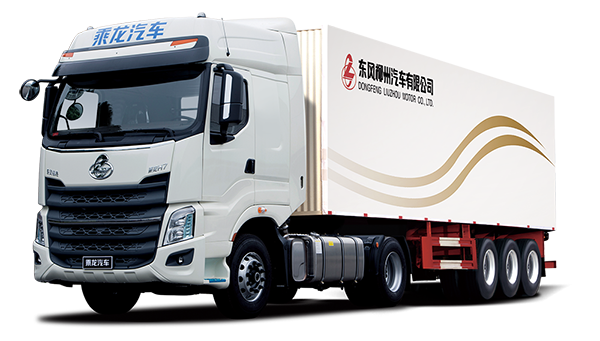 4X2 H7 Tractor
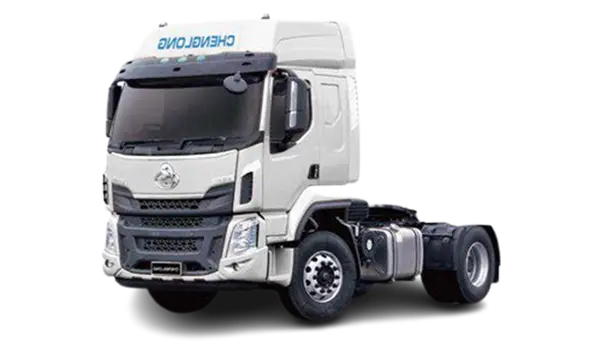 4X2 H5Tractor
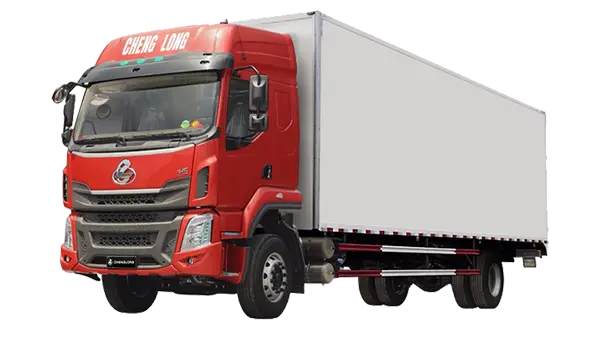 4X2 H5 Cargo Truck
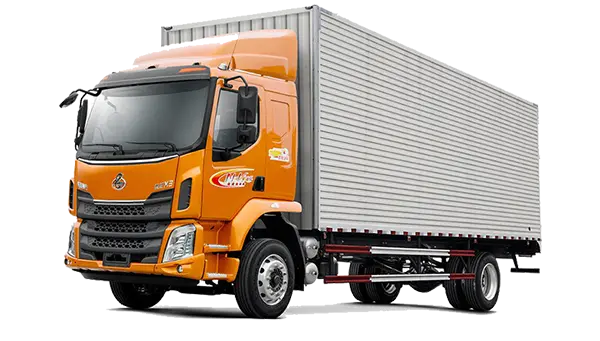 4X2 M3 Cargo Truck
 4X2 L2 Cargo Truck
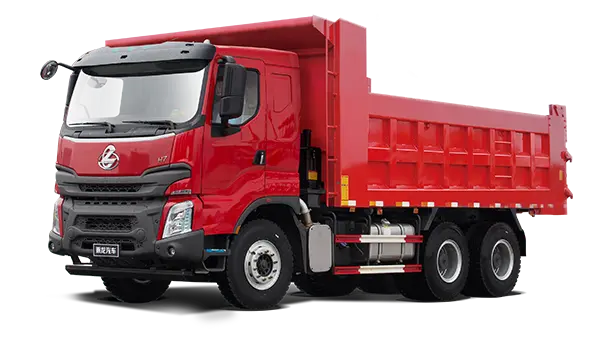 6X4 H7 Dump Truck
 6X4 H5 Dump Truck
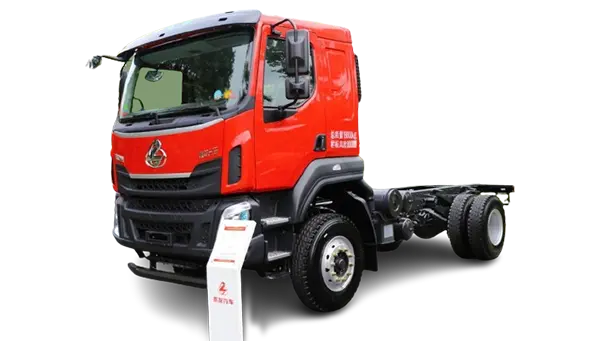 4X2 H5 Dump Truck
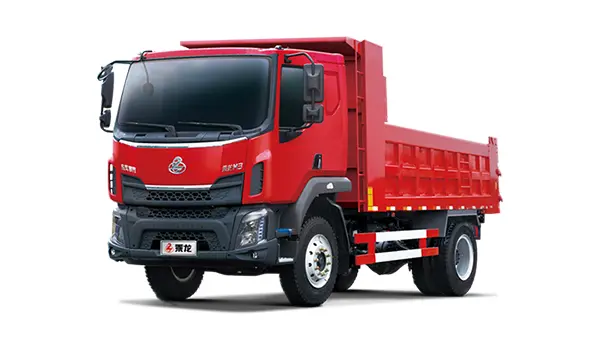 4X2 M3 Dump Truck
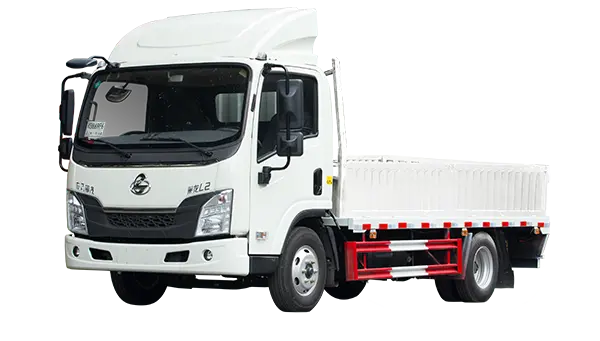 Light Truck L2
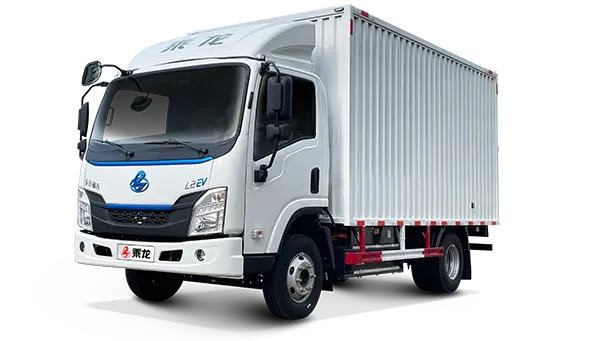 Light Truck L2 EV
 H7 Refrigeratior Truck
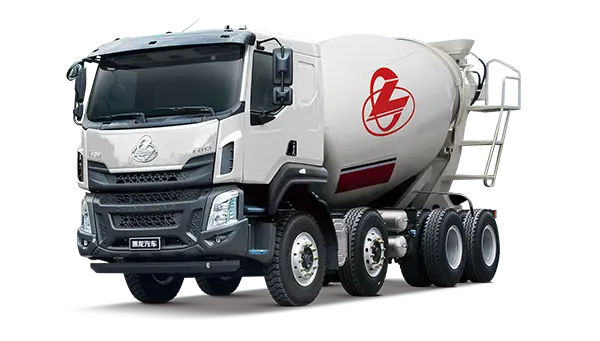 H5 Mixer Truck
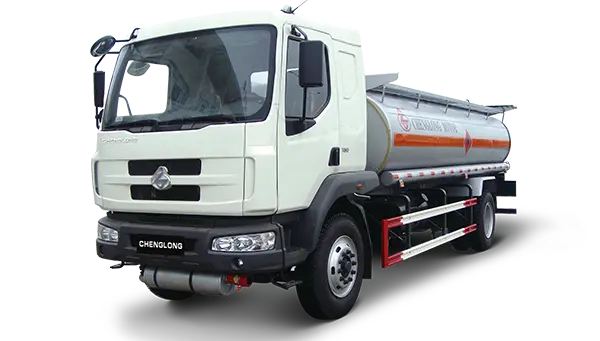 M3 Tank Truck
 M3 Sanitation Truck
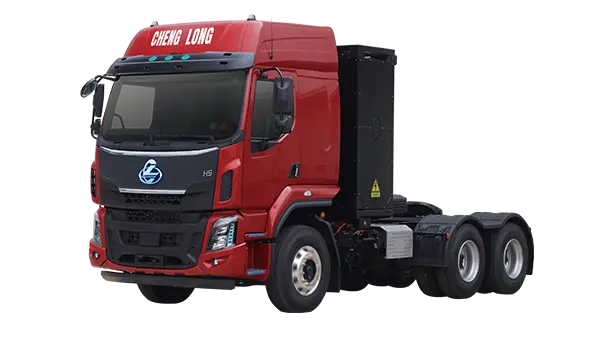 6X4 H7 Electric Truck
 4X2 H5V Electric Truck
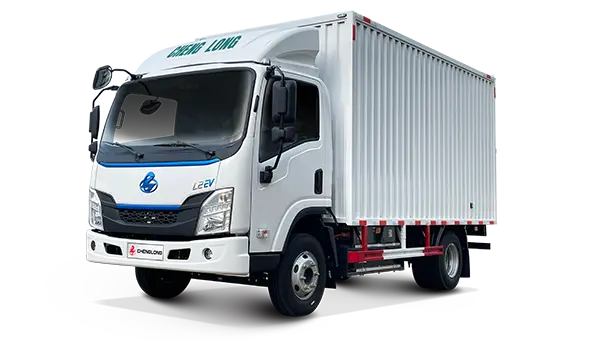 4X2 L2 Electric Truck