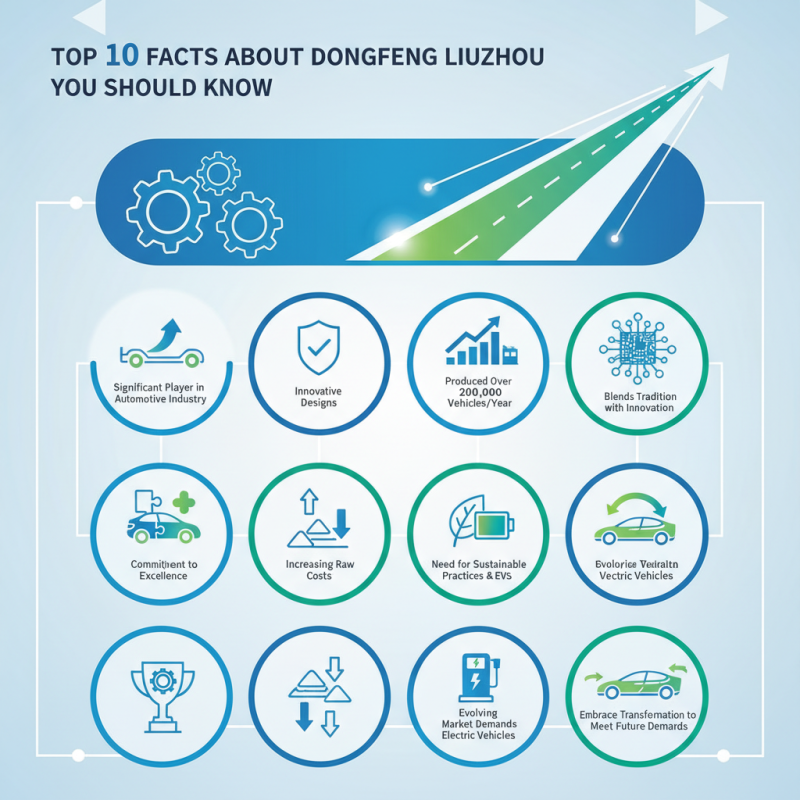
Top 10 Facts About Dongfeng Liuzhou You Should Know?
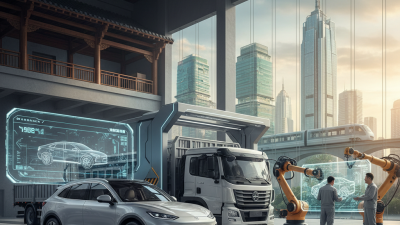
Dongfeng Liuzhou is a significant player in the automotive industry. Known for its innovative designs and reliable vehicles, the company has made notable strides in the market. According to a recent report by the China Automotive Industry Association, Dongfeng Liuzhou produced over 200,000 vehicles in the last fiscal year, showcasing its manufacturing prowess.
Industry expert Dr. Wei Zhang emphasizes, "Dongfeng Liuzhou blends tradition with innovation, ensuring quality and performance." This commitment to excellence is vital in a competitive landscape where consumer expectations are continually rising. However, the company faces challenges, such as increasing raw material costs and the need for sustainable practices.
The evolving market demands more electric vehicles and eco-friendly solutions. Dongfeng Liuzhou must adapt to these trends or risk falling behind. As the industry shifts, it’s crucial for the company to reflect on its strategies and embrace transformation to meet future demands.
History and Development of Dongfeng Liuzhou
Dongfeng Liuzhou has a rich history that highlights its development as a major player in the automotive industry. Established in the mid-1950s, the company has evolved significantly over the decades. The first models were simple and utilitarian, reflecting the needs of a developing nation. By the early 2000s, they began to focus on modernization and innovation, which was crucial for competing in the global market.
A report from the China Automotive Industry Association noted that domestic automotive production grew by 3% in 2022. Dongfeng Liuzhou capitalized on this growth, increasing its market share in commercial vehicles by 5%. However, challenges remain. Concerns about environmental impact and shifting consumer preferences mean that adapting to electric vehicles is necessary. Currently, many models still rely on traditional fuel sources, which highlights a need for improvement in sustainability.
Production facilities have seen investment surges. New technologies have been integrated, such as automation in assembly lines. Despite progress, labor issues and production delays persist. Workers are under significant pressure to meet targets, which can affect quality control. The future is uncertain, but adherence to innovation and a commitment to sustainability may steer Dongfeng Liuzhou toward a greener path.
Key Products and Innovations of Dongfeng Liuzhou
Dongfeng Liuzhou stands out in the automotive industry with its innovative design and engineering. In recent years, they have focused on commercial vehicles, especially trucks and buses. Their approach emphasizes efficiency and fuel economy. Reports indicate that fuel-efficient vehicles reduce operational costs significantly, appealing to businesses looking to maximize profitability.
One of their key innovations is in electric vehicle technology. Electric models have been developed to meet the growing demand for sustainable transportation. Market analysis shows that electric vehicle sales will increase by over 25% annually in the next five years. Dongfeng Liuzhou's push into this segment aligns with global trends toward environmental responsibility. However, the challenge remains in charging infrastructure and battery life, which could hinder widespread adoption.
Moreover, their advancements in hydrogen fuel cell technology are noteworthy. Hydrogen-powered vehicles can offer longer ranges compared to electric batteries. Nonetheless, the technology is still under scrutiny regarding safety and efficiency. Adapting to these innovations requires continual investment and education. Companies will need to evaluate the long-term benefits versus immediate challenges in implementing these new technologies.
Sustainability Initiatives and Environmental Practices of Dongfeng Liuzhou
Sustainability is becoming essential in the automotive industry. Dongfeng Liuzhou is making strides in eco-friendly practices. They focus on reducing emissions and enhancing energy efficiency. Industry reports show that around 45% of global car manufacturers plan to invest in sustainable technologies by 2025. However, the effectiveness of these initiatives varies widely.
Environmental practices include utilizing recyclable materials. Approximately 20% of their production now incorporates recycled components. The goal is to increase this figure by 2030. Yet, there is a challenge. The supply chain for recyclable materials is not stable. This inconsistency can impede progress. Data also indicates that only 30% of automotive plants worldwide have effective waste management systems.
Moreover, Dongfeng Liuzhou aims to achieve carbon neutrality by 2040. This target aligns with global efforts for a greener planet. Studies reveal that a significant portion of the industry still relies heavily on fossil fuels. This reality highlights the gap between ambition and action. There is much work to do. More collaboration among manufacturers is crucial to drive change.
Top 10 Sustainability Initiatives in Automotive Industry
Corporate Culture and Workforce Development at Dongfeng Liuzhou
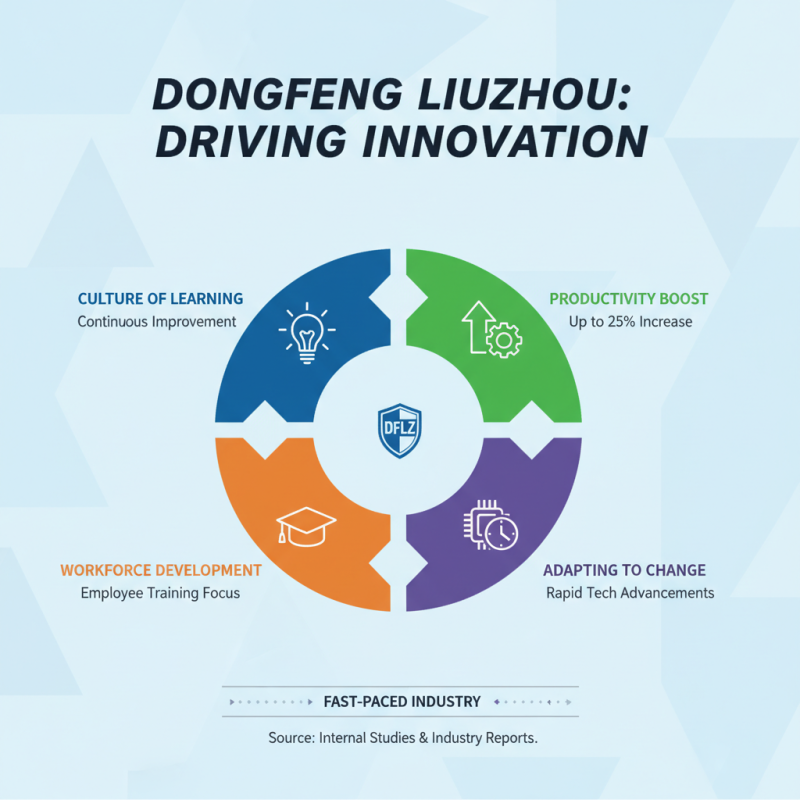
Dongfeng Liuzhou stands out not just for its products, but also for its corporate culture and workforce development initiatives. The company emphasizes continuous learning and improvement. In fact, studies indicate that organizations prioritizing employee training can boost productivity by up to 25%. This is crucial in a fast-paced industry where technological advancements occur rapidly.
A key aspect of their culture involves open communication. Employees are encouraged to share ideas freely. This approach fosters innovation and collaboration. Despite this, there can be challenges. For instance, not every employee feels comfortable voicing their thoughts. Creating an environment where everyone feels included requires ongoing effort.
Tips: Encourage all team members to express opinions. Regular feedback sessions can be beneficial. Additionally, providing platforms for anonymous suggestions might help.
The company invests in skill development, focusing on both technical abilities and soft skills. Reports suggest that firms investing in employee development see a return on investment of around 300%. However, keeping all employees engaged in these programs is complex. It’s vital to track progress and adapt strategies based on feedback.

 T5EVO
T5EVO T5L
T5L T5
T5 Friday
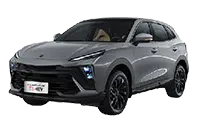 T5 HEV
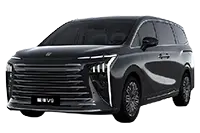 V9
V9 UTOUR (M4)
 M5 EV
M5 EV M5
M5 Lingzhi Plus
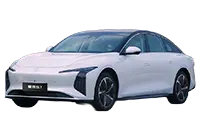 S7
S7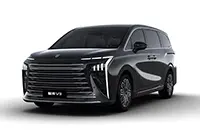 V9 HEV
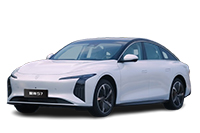 S7
S7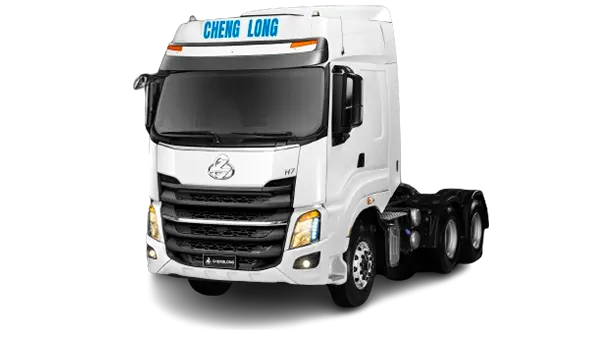 6X4 H7 Tractor
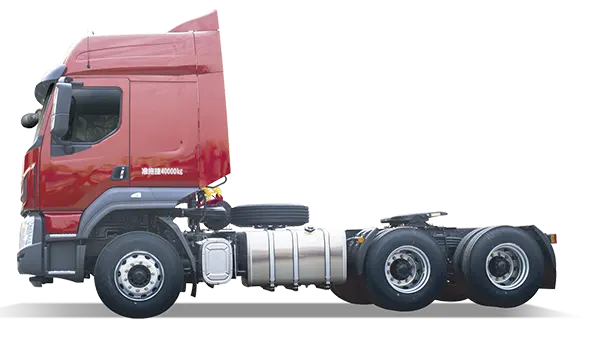 6X4 H5 Tractor
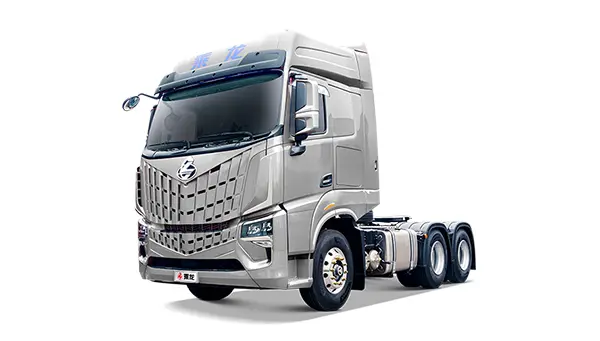 6X4 HK Tractor
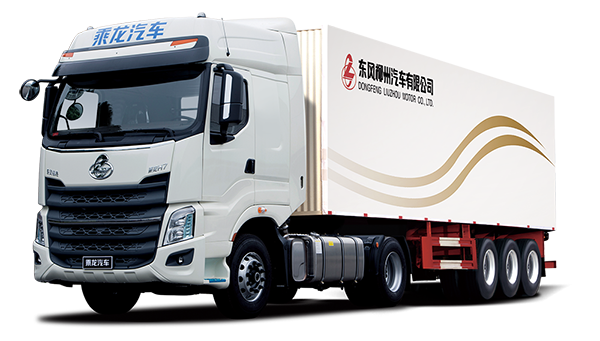 4X2 H7 Tractor
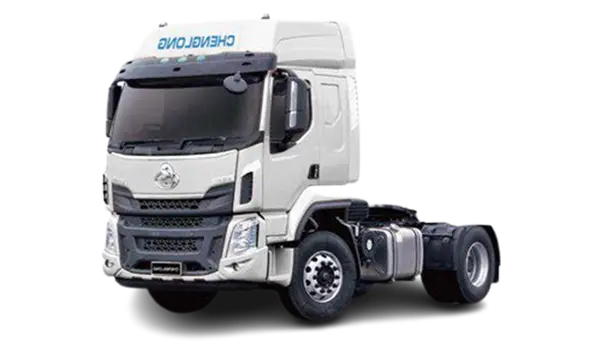 4X2 H5Tractor
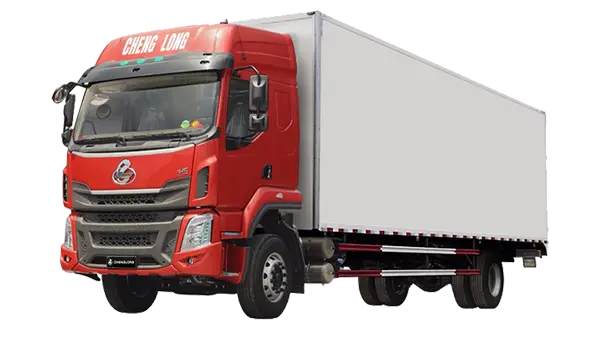 4X2 H5 Cargo Truck
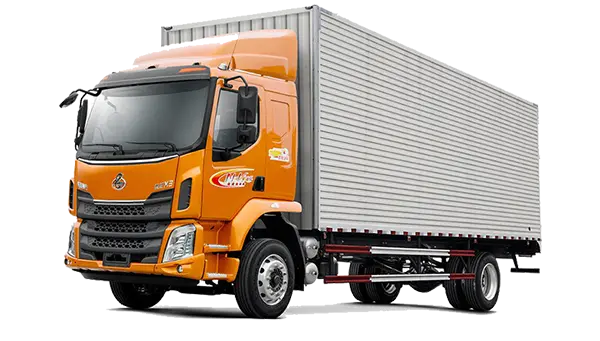 4X2 M3 Cargo Truck
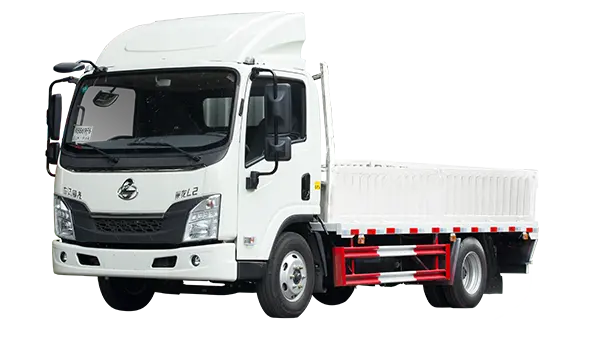 4X2 L2 Cargo Truck
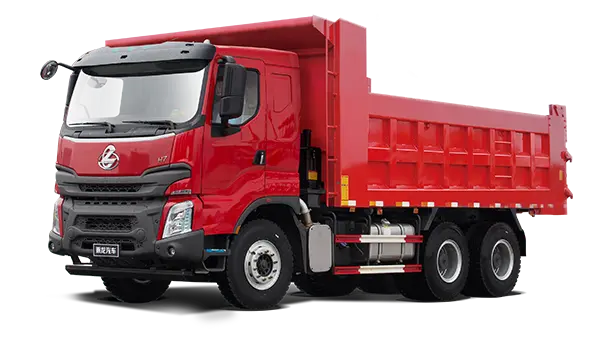 6X4 H7 Dump Truck
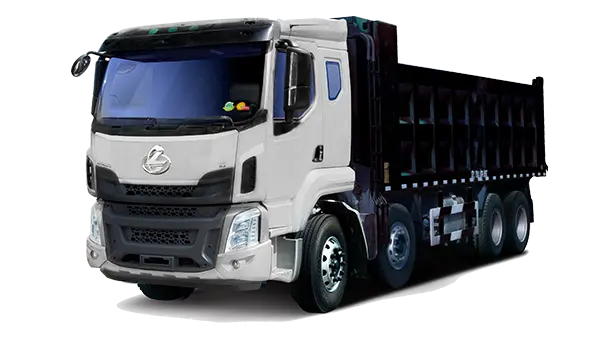 6X4 H5 Dump Truck
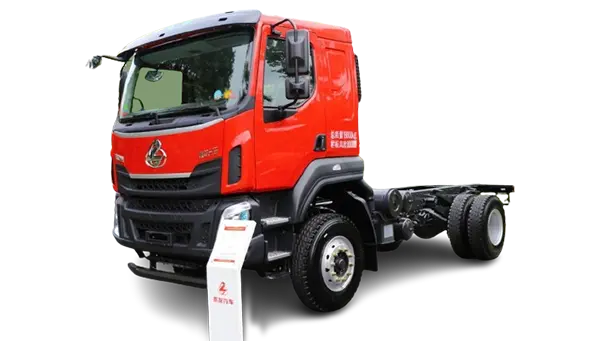 4X2 H5 Dump Truck
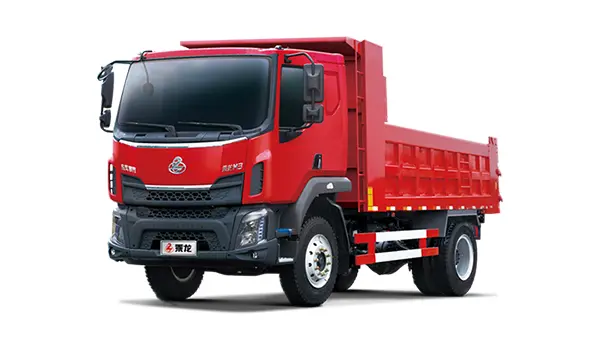 4X2 M3 Dump Truck
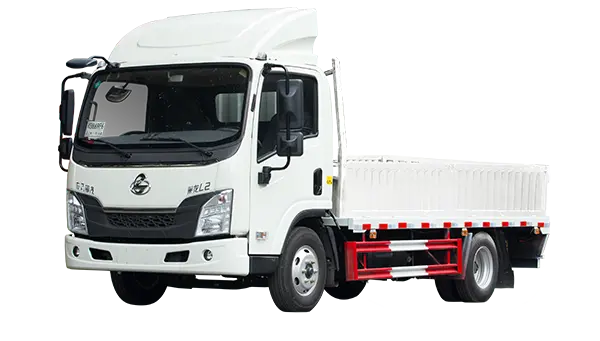 Light Truck L2
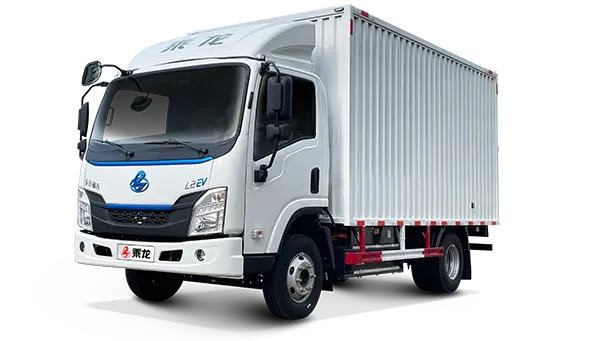 Light Truck L2 EV
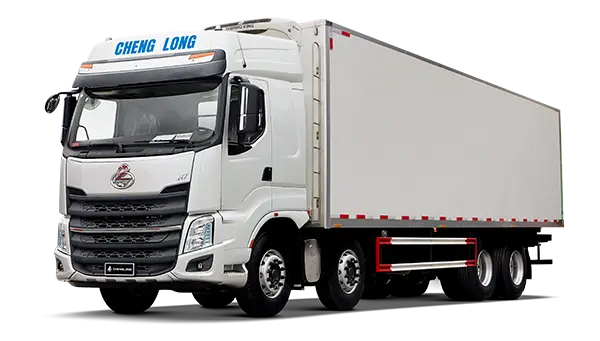 H7 Refrigeratior Truck
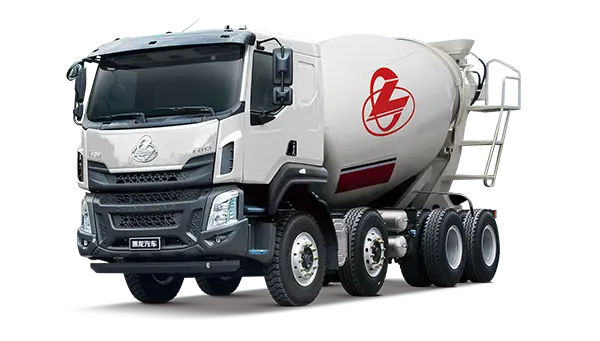 H5 Mixer Truck
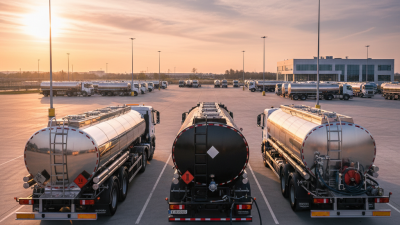
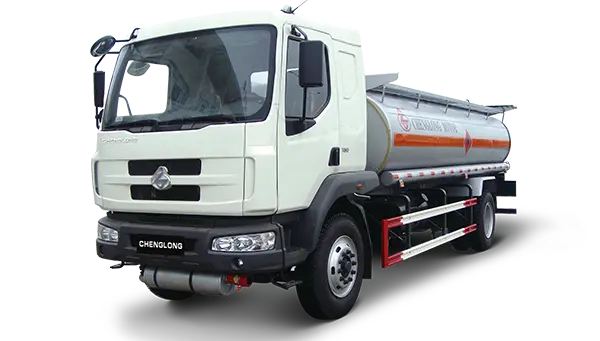 M3 Tank Truck
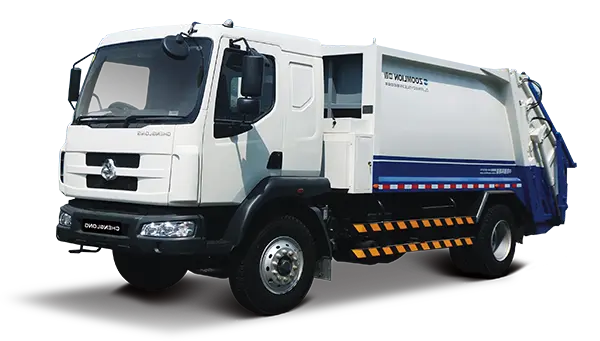 M3 Sanitation Truck
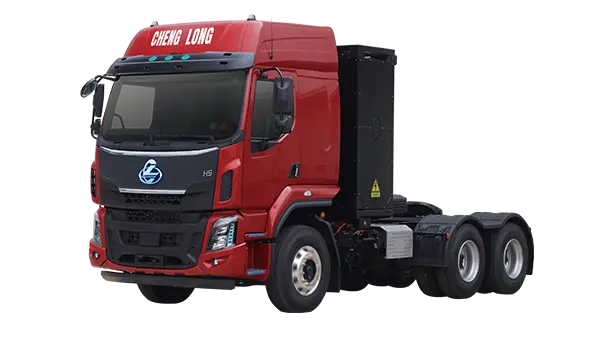 6X4 H7 Electric Truck
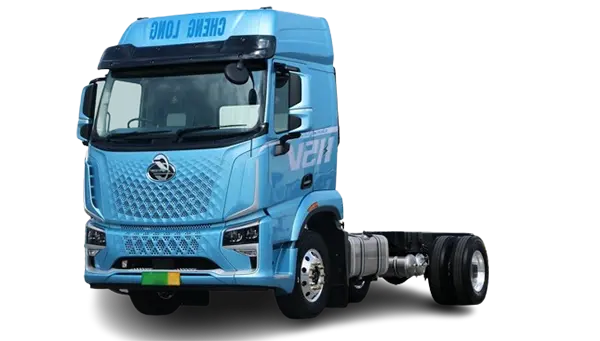 4X2 H5V Electric Truck
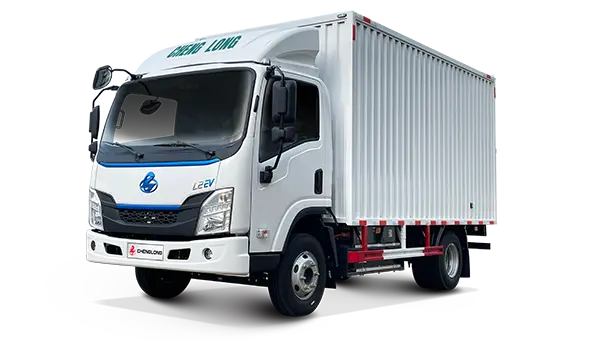 4X2 L2 Electric Truck