Top 10 Cars Made In China That Are Revolutionizing The Automotive Industry?
The automotive landscape is witnessing a significant transformation, largely driven by Cars Made In China. Reports from the International Organization of Motor Vehicle Manufacturers indicate that China produced over 25 million vehicles in 2022, making it the largest producer worldwide. This booming industry reflects not only production volume but also innovation and quality, challenging traditional automotive powerhouses.
Several Chinese brands have emerged as game changers. They offer electric vehicles (EVs) that compete globally. For instance, BYD and NIO are gaining attention due to their cutting-edge technology and sustainability efforts. However, the shifting focus raises questions about quality assurance and long-term reliability, aspects that must be continuously evaluated.
As Cars Made In China gain traction, industry analysts warn against complacency. While the growth is notable, there is a need for balancing innovation with consumer trust. As China pushes boundaries, understanding industry shifts becomes crucial for consumers. Continuous improvement is essential. The future of cars reflects the dynamic and sometimes uncertain journey of an evolving marketplace.

Innovative Features of Chinese Cars Impacting the Global Market
Chinese automakers are making remarkable strides in the global automotive landscape. Innovative features in these vehicles are setting new standards. One significant aspect is the integration of advanced technology. Many cars feature cutting-edge AI systems that enhance safety and driving experience. For example, some models come with real-time traffic updates and adaptive navigation systems.
Moreover, electric vehicles (EVs) produced in China are gaining traction worldwide. These cars often offer longer battery life and faster charging capabilities. A notable trend is the use of sustainable materials in manufacturing. This not only helps the environment but also appeals to eco-conscious consumers. The rapid development of autonomous driving technology in these vehicles presents both opportunities and challenges. Manufacturers aim for a seamless driving experience, yet regulatory hurdles remain.
There are, however, areas that still need improvement. Quality control issues occasionally arise, impacting reliability. Some consumers express concerns over long-term durability. Additionally, the fast-paced innovation may leave customers feeling overwhelmed by new features. Despite these challenges, the revolution brought about by Chinese cars is undeniable, making a significant impact on the global market.
Top 10 Cars Made In China That Are Revolutionizing The Automotive Industry
This chart illustrates the innovative features of Chinese cars that are significantly impacting the global automotive market. The metrics include electric range, autonomous features, smart connectivity, safety ratings, and design innovation, highlighting the advancements and competitive edge of these vehicles.
Leading Chinese Automakers Shaping the Future of Automotive Technology
China's automotive industry is experiencing a remarkable transformation, driven by innovation and a burgeoning tech ecosystem. Recent reports highlight that electric vehicle (EV) sales in China surged by over 200% from the previous year, contributing to 55% of the global EV market share. This expansion reflects a deep commitment to sustainable transportation solutions. Major advancements in battery technology and autonomous driving are positioning Chinese automakers at the forefront of global competition.
The rise of smart cars is another pivotal factor. Analysts note that by 2025, over 50% of vehicles sold in China are expected to be equipped with advanced connectivity features. Chinese manufacturers are investing heavily in AI, data integration, and smart mobility. However, there are challenges. Issues with software integration and user experience still require attention. Many new entrants are grappling with the complexities of maintaining robust quality standards while innovating rapidly. These hurdles reveal a need for continuous improvement.
Data from industry experts suggests that strategic partnerships and research collaborations will be essential for growth. Collaborations with tech firms could accelerate innovation cycles. Chinese automakers must navigate the balance between rapid advancement and maintaining consumer trust. The industry's evolution is exciting, but the journey is far from smooth. This landscape demands ongoing reflection and adaptation as automakers strive to define their roles on the global stage.
Sustainability Practices in China's Automotive Manufacturing Sector
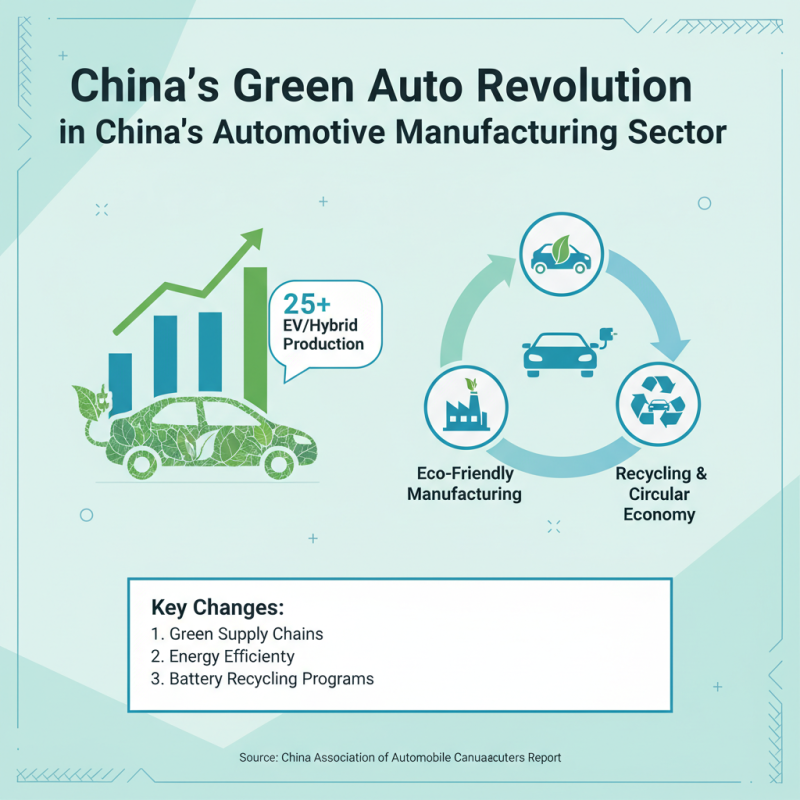
China's automotive manufacturing sector is undergoing significant transformation. Sustainable practices are at the forefront, and the push for eco-friendly vehicles is strong. A recent report by the China Association of Automobile Manufacturers highlights that over 25% of vehicles produced in China are now electric or hybrid. This shift marks a key change in production methods.
Manufacturers are implementing innovative methods to reduce waste. One example is the use of recycled materials in vehicle production. According to a report from the International Energy Agency, this has led to a 15% reduction in raw material consumption in the past two years. Yet, challenges remain. Many factories still rely heavily on coal-powered energy, raising concerns about the carbon footprint.
Water usage in manufacturing is another area needing improvement. Data from environmental organizations shows that some regions use up to 30% more water than necessary. This is alarming, as the industry must prioritize efficient water management. As the pressure mounts for cleaner production, the industry stands at a crossroads. Will it embrace further sustainable innovations, or will it hold on to outdated practices? The need for reflection and progress is more crucial than ever.
Emergence of Smart Mobility Solutions in Chinese Car Models
The rise of smart mobility in Chinese car models marks a significant shift in the automotive landscape. By 2025, China is projected to dominate electric vehicle (EV) sales, accounting for nearly 50% of the global market, according to the International Energy Agency. As of now, Chinese manufacturers are innovating with integrated digital features and autonomous driving capabilities, shifting consumer expectations.
Many of these vehicles come equipped with advanced driver assistance systems (ADAS) that enhance safety and convenience. For instance, features like adaptive cruise control and lane-keeping assist are becoming standard, not luxuries. However, challenges remain. Infrastructure for charging and data privacy concerns are still in the early stages of development. According to a recent McKinsey report, 70% of consumers express hesitance regarding autonomous driving technologies due to reliability questions.
Smart mobility solutions also introduce eco-friendly alternatives, showcasing environmental awareness. Features such as regenerative braking and energy-efficient powertrains contribute to reduced emissions. Nevertheless, the rapid advancement has outpaced regulatory frameworks, presenting a complex landscape for manufacturers and consumers alike. As the industry adapts, reflection on these hurdles is essential for sustainable growth.
Top 10 Cars Made In China That Are Revolutionizing The Automotive Industry
| Model |
Type |
Powertrain |
Smart Features |
Price Range (USD) |
| Electric SUV A |
SUV |
Electric |
Autonomous Driving |
35,000 - 50,000 |
| Compact Sedan B |
Sedan |
Hybrid |
Smart Navigation |
25,000 - 35,000 |
| Luxury Coupe C |
Coupe |
Electric |
AI Assistant |
60,000 - 80,000 |
| MPV D |
MPV |
Gasoline |
Remote Vehicle Control |
30,000 - 45,000 |
| Compact Hatchback E |
Hatchback |
Electric |
Voice Control |
20,000 - 30,000 |
| SUV F |
SUV |
Hybrid |
360 Camera View |
40,000 - 55,000 |
| Electric SUV G |
SUV |
Electric |
Smart Parking |
50,000 - 70,000 |
| Luxury Sedan H |
Sedan |
Gasoline |
Adaptive Cruise Control |
70,000 - 100,000 |
| Mini EV I |
Compact |
Electric |
Connected App Features |
15,000 - 20,000 |
| Off-road Truck J |
Truck |
Diesel |
Terrain Management System |
45,000 - 60,000 |
Comparative Analysis: Chinese Cars vs. Traditional Global Automakers
The automotive landscape is evolving. Chinese manufacturers are making impressive strides. According to a recent report, the market share of Chinese cars has grown to 35% globally, showcasing their impact. Traditional automakers face intense competition as electric and autonomous technologies emerge. Chinese brands are at the forefront of these innovations.
In a comparative analysis, the difference in pricing strategies is notable. Chinese cars often come with advanced features at a lower cost. Reports indicate that some Chinese electric vehicles (EVs) are priced 30% lower than their global counterparts while offering similar or superior range and performance. This disparity attracts a wave of consumers who are value-driven. However, concerns about safety and reliability linger in the minds of many.
Consumer trust is still a barrier for many brands. While Chinese manufacturers invest heavily in technology, quality control remains inconsistent. A survey found that 67% of consumers worry about durability. The path to global acceptance isn’t straightforward. Some manufacturers are slowly overcoming this through joint ventures and collaborations. It's a pivotal moment for the automotive industry, where innovation meets skepticism.

 T5EVO
T5EVO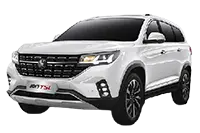 T5L
T5L T5
T5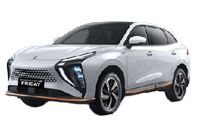 Friday
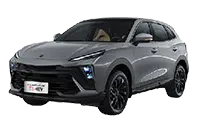 T5 HEV
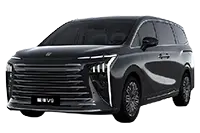 V9
V9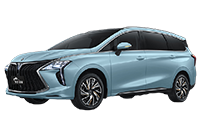 UTOUR (M4)
 M5 EV
M5 EV M5
M5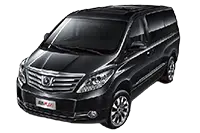 Lingzhi Plus
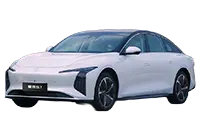 S7
S7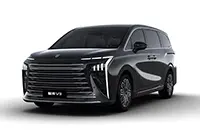 V9 HEV
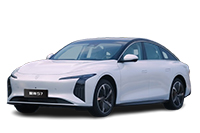 S7
S7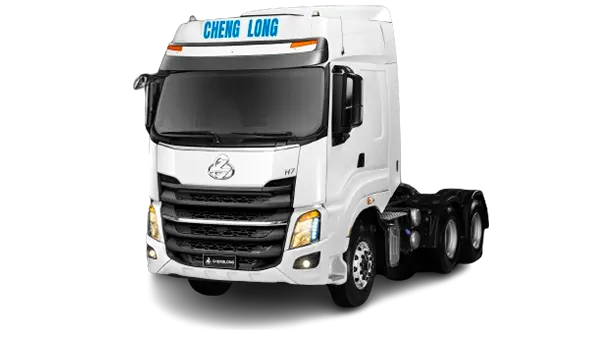 6X4 H7 Tractor
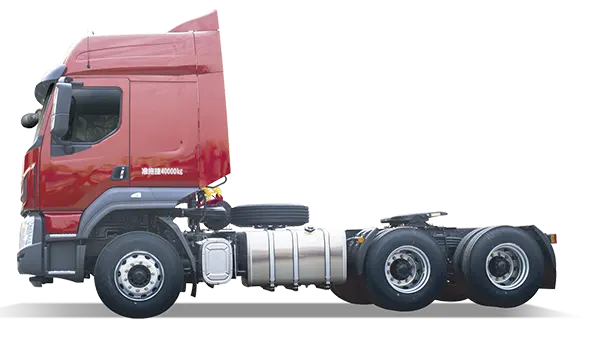 6X4 H5 Tractor
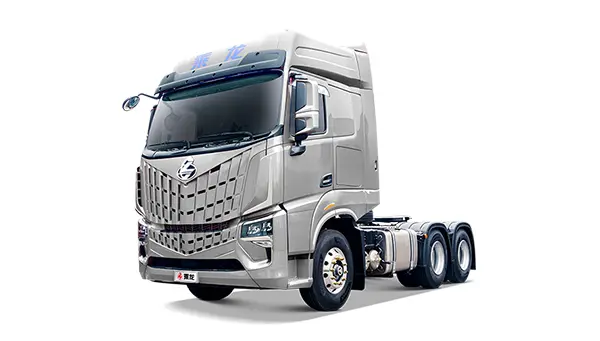 6X4 HK Tractor
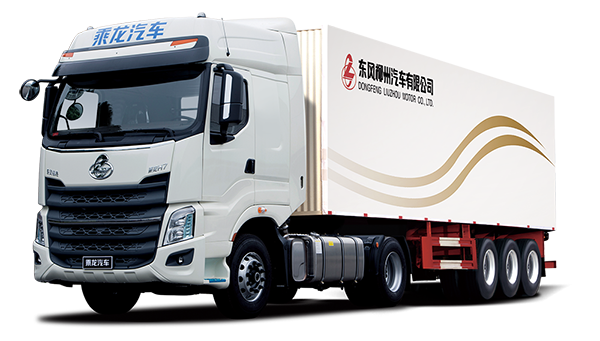 4X2 H7 Tractor
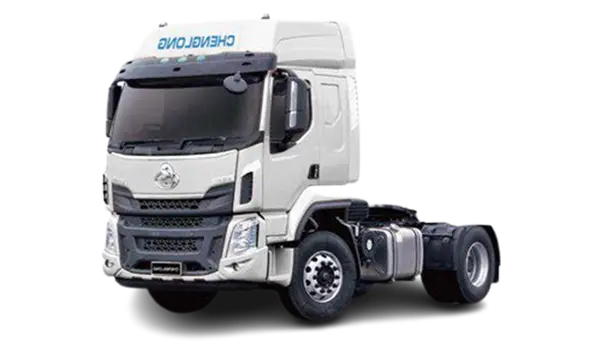 4X2 H5Tractor
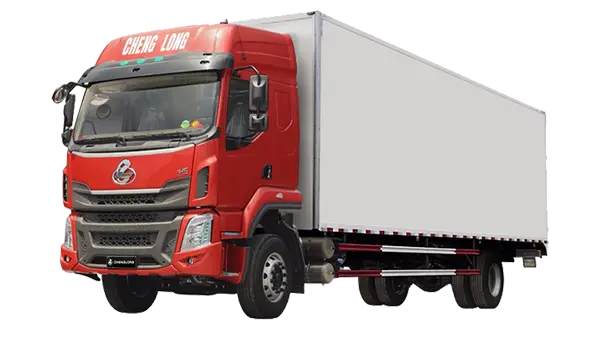 4X2 H5 Cargo Truck
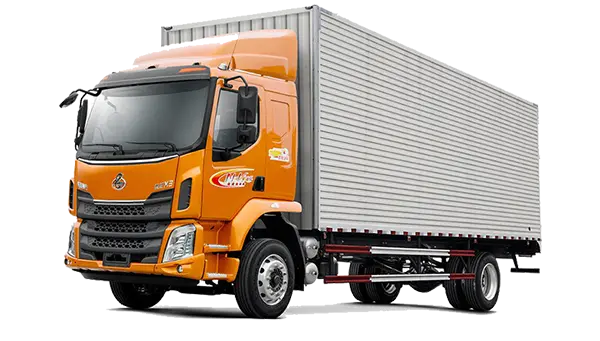 4X2 M3 Cargo Truck
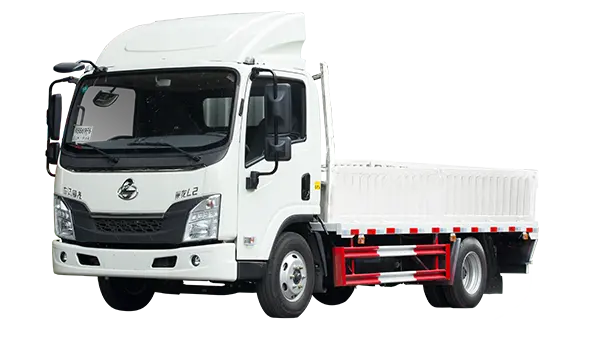 4X2 L2 Cargo Truck
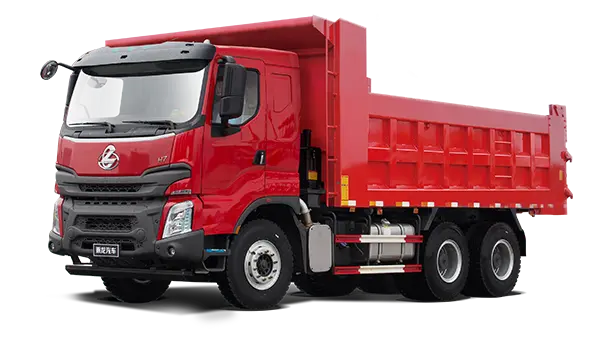 6X4 H7 Dump Truck
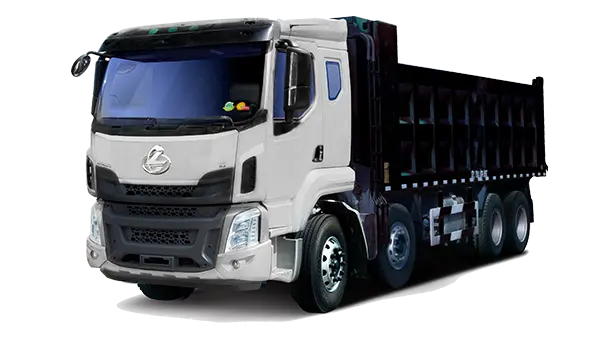 6X4 H5 Dump Truck
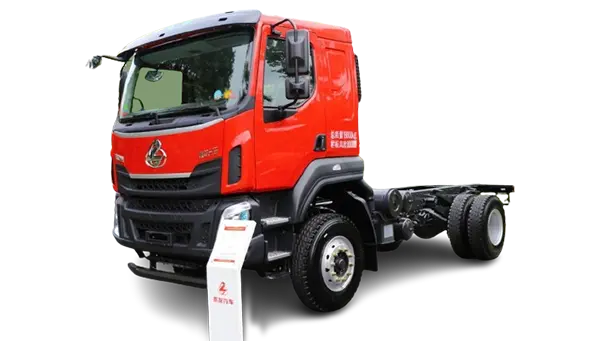 4X2 H5 Dump Truck
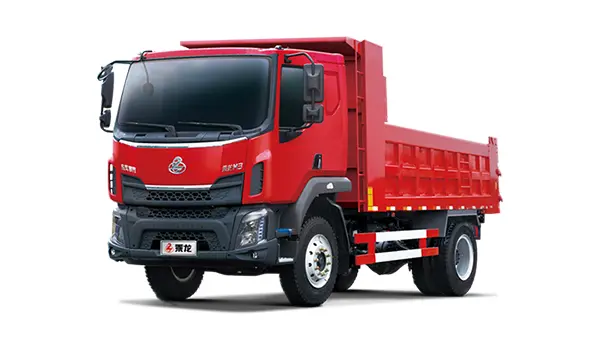 4X2 M3 Dump Truck
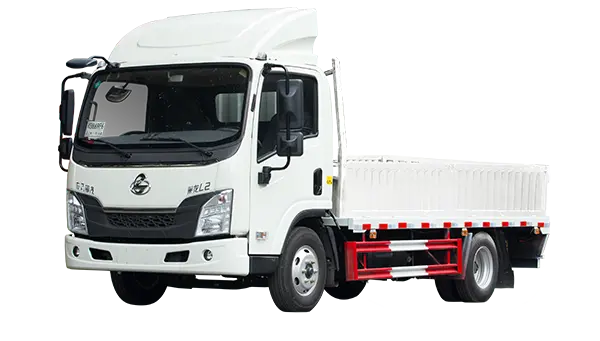 Light Truck L2
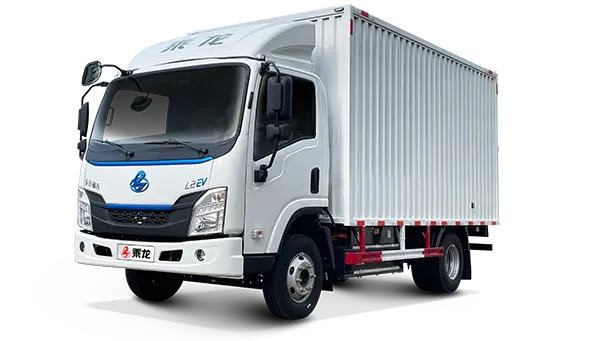 Light Truck L2 EV
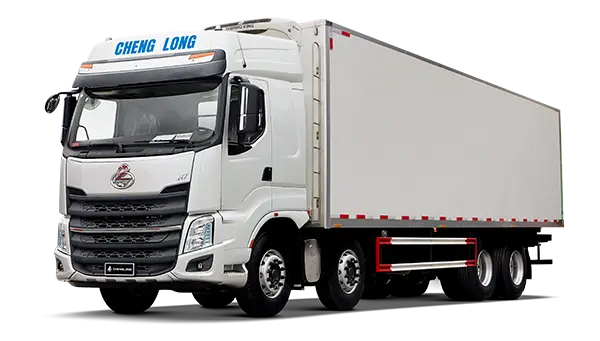 H7 Refrigeratior Truck
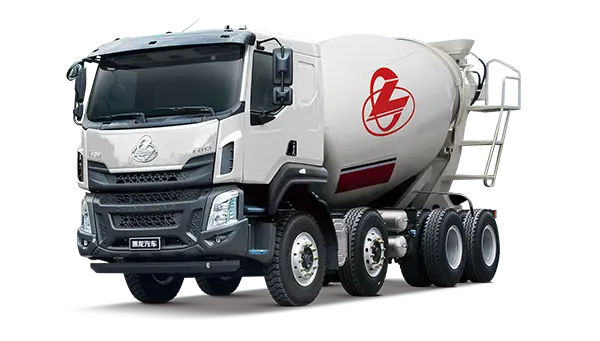 H5 Mixer Truck
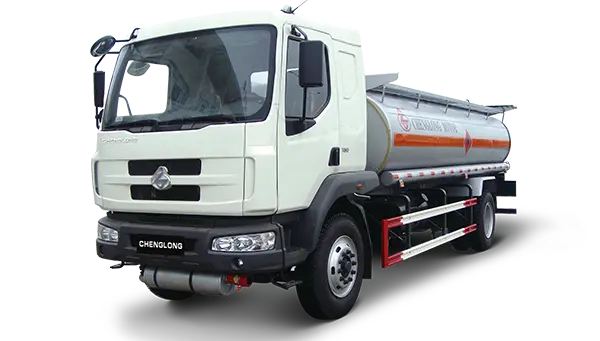 M3 Tank Truck
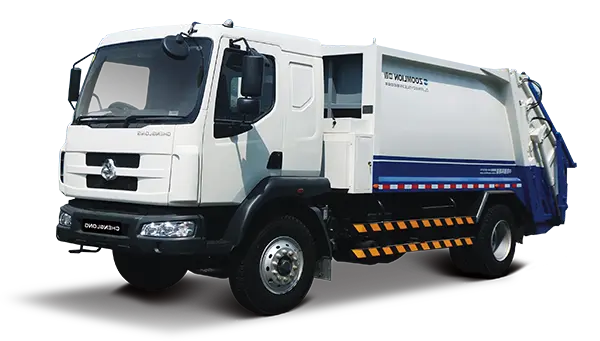 M3 Sanitation Truck
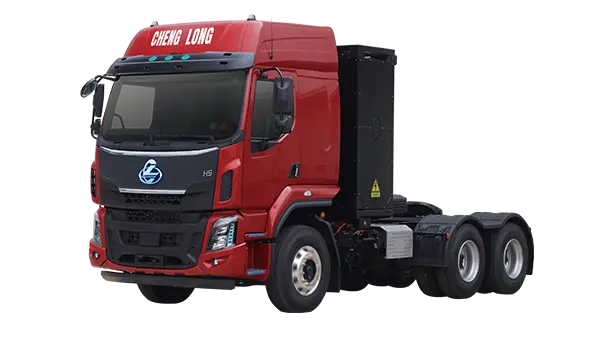 6X4 H7 Electric Truck
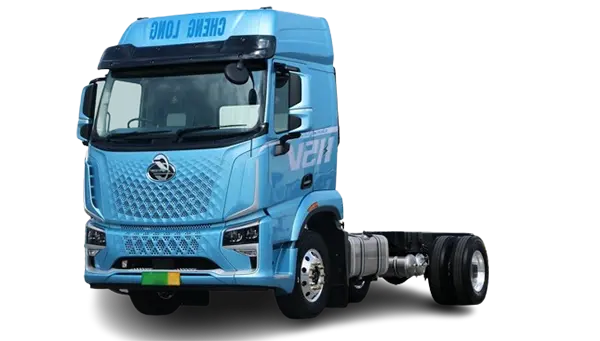 4X2 H5V Electric Truck
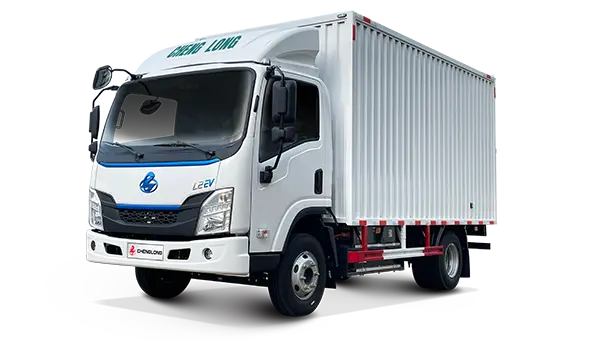 4X2 L2 Electric Truck