Top Electric Cars to Watch in 2026 for Global Buyers?
As the automotive industry shifts toward sustainability, electric cars are gaining significant attention. Industry expert John Doe, a renowned analyst in the electric vehicle sector, states, “The future of transportation is electric, and 2026 will be pivotal.” With major manufacturers investing heavily in electric cars, the upcoming models promise cutting-edge technology and enhanced efficiency.
By 2026, consumers can expect a diverse range of electric vehicles. From luxury sedans to family-friendly SUVs, the options are expanding. Brands are focusing on improving battery life and charging infrastructure, making electric cars more convenient than ever. However, challenges remain, such as supply chain issues and the need for more charging stations.
Moreover, as the market becomes saturated, discerning between good and exceptional electric cars will be crucial. Buyers should pay attention to not only the price but also the technology and design features. Final decisions may become more complex as choices increase. The future of electric cars is bright, but it requires careful consideration and awareness of evolving trends.
Top Emerging Electric Vehicle Trends Shaping the Market in 2026
The electric vehicle landscape is rapidly evolving. By 2026, several trends will significantly shape buyer decisions. One key trend is the increasing emphasis on sustainability. Consumers are more attuned to environmental impact. This shift drives demand for eco-friendly materials and efficient energy sources. Automakers will likely introduce more vehicles made from recycled materials.
Another emerging trend is enhanced connectivity. Future electric cars will incorporate advanced technology. Features may include seamless integration with smart homes and IoT devices. Users might expect over-the-air updates, improving performance and safety without a dealership visit. However, this reliance on tech poses questions about privacy and data security.
Autonomous driving capabilities will also evolve. By 2026, many electric vehicles may feature semi-autonomous systems. This could enhance convenience for users but raises concerns about safety. The journey toward fully autonomous vehicles still requires caution and regulation. Market players must carefully balance innovation with consumer trust and regulatory compliance. It's a complex landscape, demanding thoughtful strategies from all stakeholders.
Key Players in the Electric Car Industry and Their Upcoming Models
As the electric car market continues to evolve, several key players are setting the stage for 2026. With global electric vehicle (EV) sales projected to reach over 25 million units by that year, automakers are ramping up their offerings. Industry data indicates a strong consumer shift, with an estimated 60% increase in demand for EVs in the next few years.
Major players are expanding their model lineups to include more affordable options and advanced technology features. Reports suggest that cities will see a rise in electric models suited for urban driving. Features like improved battery efficiency and longer ranges are becoming critical selling points. Consumer preferences are shifting, and manufacturers must adapt quickly to keep up.
Tips: Consider your daily driving needs when choosing an electric car. Evaluate the range and charging options available in your area. Additionally, keep an eye on upcoming models that may offer significant improvements in technology and affordability.
It's clear that the electric car industry is navigating challenges. Supply chain issues remain a concern. Manufacturers may struggle to meet the rising demand. Moreover, not all emerging technologies have proven reliable yet. Users should approach their purchases thoughtfully, weighing their options carefully in a rapidly changing landscape.
Projected Global EV Sales Growth: What to Expect by 2026
The electric vehicle (EV) market is poised for significant growth by 2026, driven by advancements in technology and increasing consumer demand. According to a recent report by the International Energy Agency (IEA), global EV sales are projected to reach nearly 30 million units annually by 2026. This marks a staggering increase from around 10 million in 2022. The shift towards sustainable transportation is becoming clearer as more countries implement favorable policies and incentives for EV adoption.
As technology improves, both battery efficiency and production costs will decline. Experts anticipate that battery prices could drop by over 50% in the next few years, enhancing the affordability of electric cars. By 2026, nearly 60% of EV buyers may choose models with enhanced range capabilities, making electric cars more practical than ever.
Tip: One way to stay informed about emerging models is to follow industry news and reports. This can help buyers identify the best options available. Another tip is to consider charging infrastructure, as it’s crucial for seamless EV ownership. As the market evolves, addressing these practical aspects will be essential for making informed decisions.
Innovative Technologies Driving Electric Vehicle Performance in 2026
The electric vehicle (EV) landscape is evolving rapidly, primarily driven by innovative technologies. By 2026, battery advancements will notably transform performance. Reports suggest that energy density could increase by almost 20%. This means longer ranges and faster charging times, significantly enhancing user experience. For instance, next-generation batteries may reduce charging to as little as 10 minutes for a full charge.
In addition to battery tech, vehicle software is becoming increasingly sophisticated. Vehicle-to-everything (V2X) communication will enhance safety and efficiency. This technology allows vehicles to communicate with infrastructure and other road users. A report indicates that V2X technology could reduce traffic congestion by up to 30%. Such improvements are crucial for urban environments grappling with increasing EV adoption.
However, challenges remain. Not all regions will have equal access to charging infrastructure. A recent industry analysis highlights that only 40% of projected charging stations needed by 2026 are expected to be operational. This lack of infrastructure may hinder the deployment of electric vehicles, despite significant technological advancements. Addressing these discrepancies is essential for a seamless transition to electric mobility.
Sustainability and Environmental Impact of Electric Cars by 2026
As we approach 2026, the sustainability and environmental impact of electric vehicles (EVs) will significantly evolve. According to the International Energy Agency (IEA), the global EV stock is projected to reach 300 million by 2030, highlighting the increasing adoption of electric mobility. This transition can reduce greenhouse gas emissions by up to 50% compared to traditional combustion engines, especially as the energy grid becomes greener. However, challenges remain regarding battery production and recycling.
The extraction of lithium, cobalt, and nickel for batteries raises sustainability concerns. Reports show that mining these materials can lead to habitat destruction and pollution. A 2021 study by the World Bank estimates that the demand for lithium could rise by 500% by 2030. This could exacerbate environmental risks if not managed properly. Furthermore, the end-of-life recycling of batteries is still underdeveloped, posing a risk of waste if not addressed by 2026.
Efforts to improve manufacturing processes and recycling techniques are essential. Current technologies allow for the recovery of over 90% of battery materials, but only 5% are recycled globally. Enhanced regulations and innovation in this field are necessary to make EVs truly sustainable and minimize their environmental impact. Buyers in 2026 will need to weigh these factors seriously.
Top Electric Cars to Watch in 2026 for Global Buyers
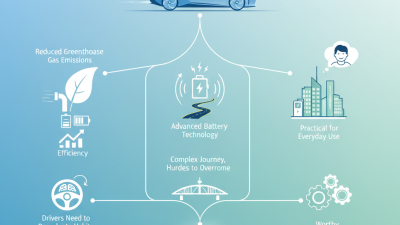
This chart highlights the expected key features of electric cars by 2026, showing the average range, charging time, and estimated reduction in CO2 emissions, emphasizing the sustainability and environmental impact of electric vehicles for global buyers.

 T5EVO
T5EVO T5L
T5L T5
T5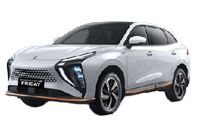 Friday
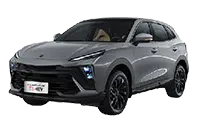 T5 HEV
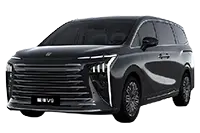 V9
V9 UTOUR (M4)
 M5 EV
M5 EV M5
M5 Lingzhi Plus
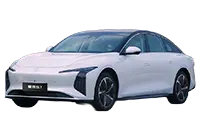 S7
S7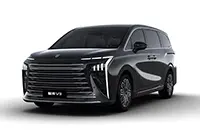 V9 HEV
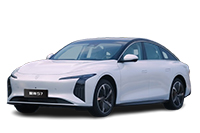 S7
S7 6X4 H7 Tractor
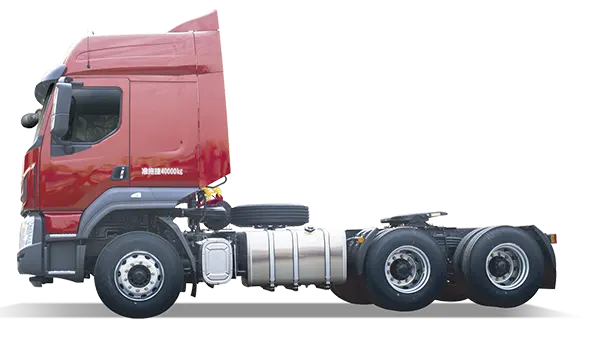 6X4 H5 Tractor
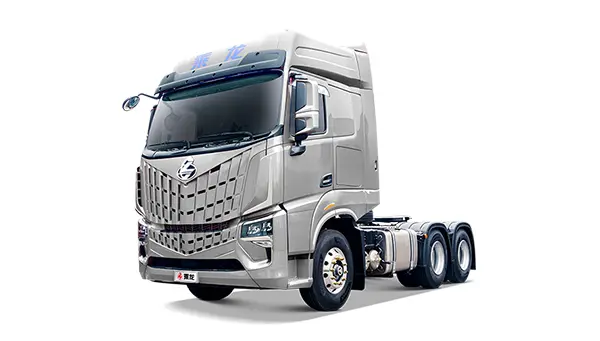 6X4 HK Tractor
 4X2 H7 Tractor
 4X2 H5Tractor
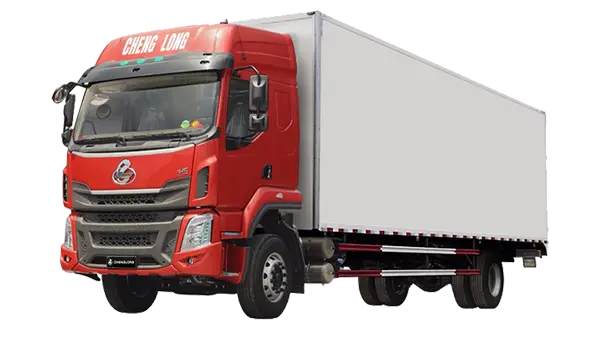 4X2 H5 Cargo Truck
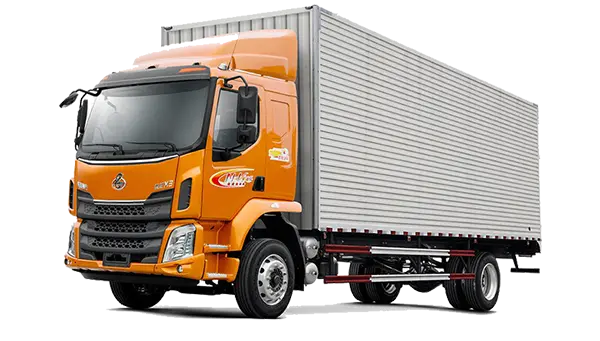 4X2 M3 Cargo Truck
 4X2 L2 Cargo Truck
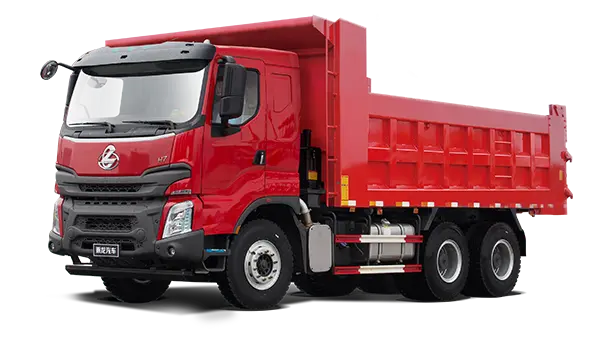 6X4 H7 Dump Truck
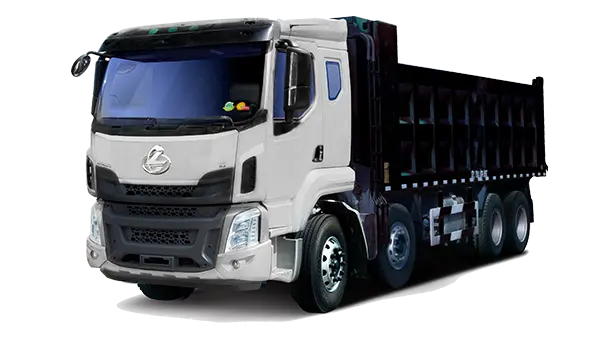 6X4 H5 Dump Truck
 4X2 H5 Dump Truck
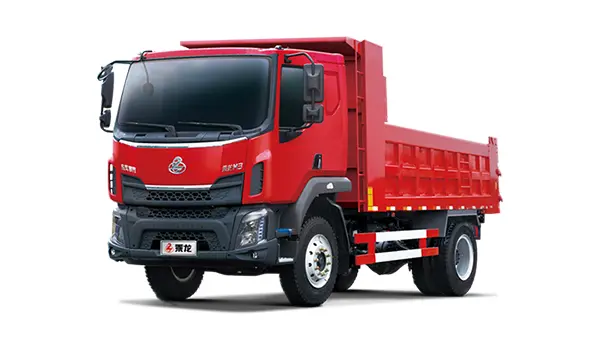 4X2 M3 Dump Truck
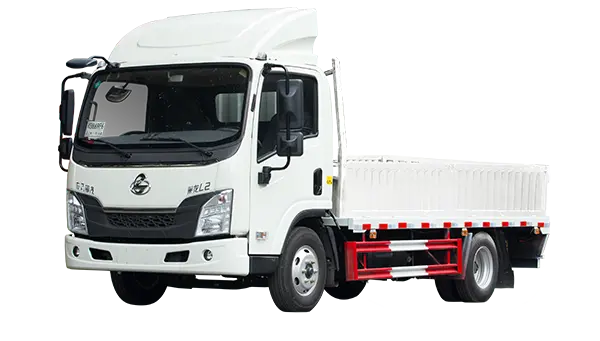 Light Truck L2
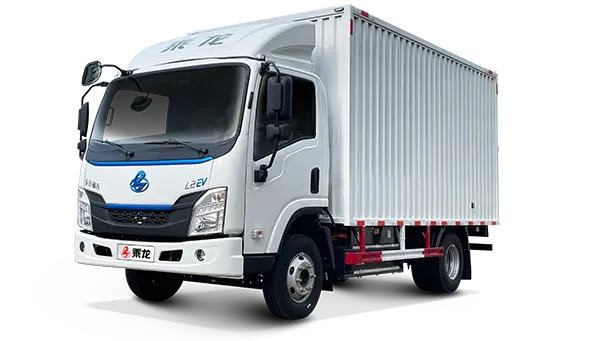 Light Truck L2 EV
 H7 Refrigeratior Truck
 H5 Mixer Truck
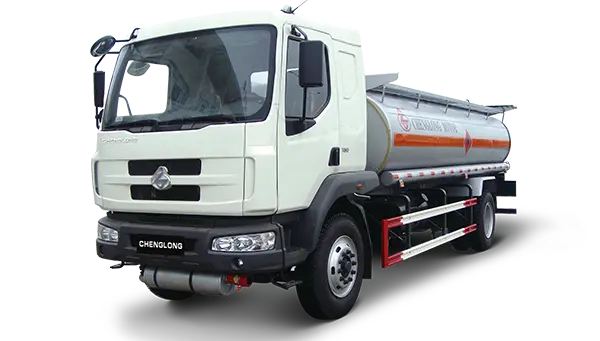 M3 Tank Truck
 M3 Sanitation Truck
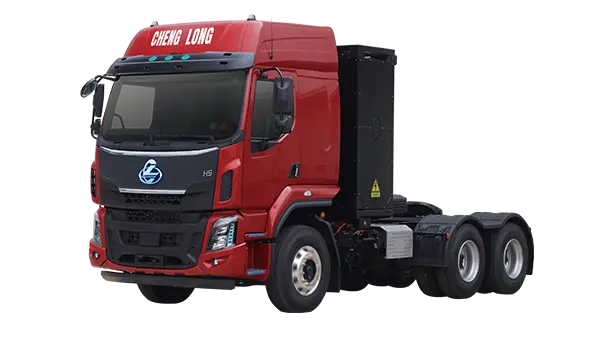 6X4 H7 Electric Truck
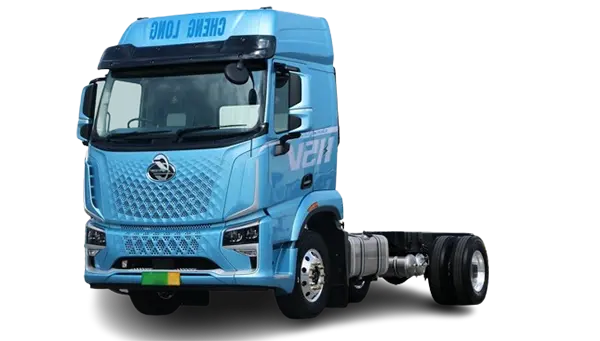 4X2 H5V Electric Truck
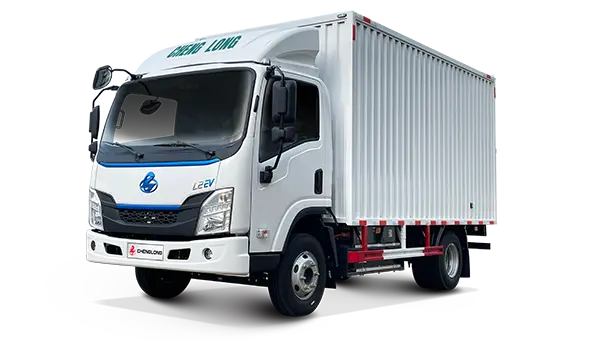 4X2 L2 Electric Truck