2026 Top Electric MPV Models You Need to Know?
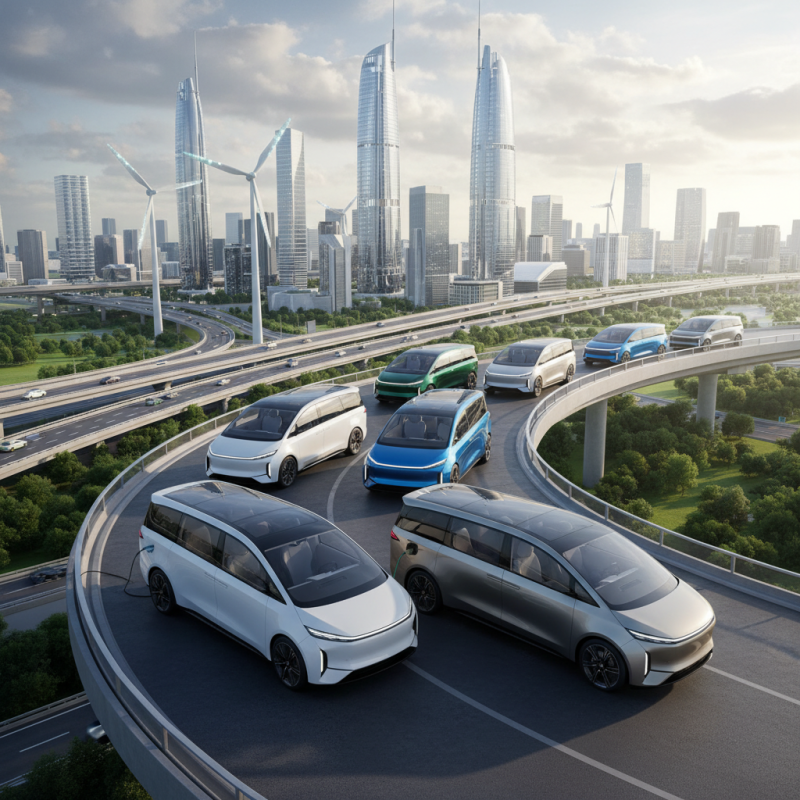
As the automotive industry shifts towards sustainability, Electric MPVs are gaining traction. These vehicles not only promise eco-friendly transportation but also cater to the family-oriented market. With their spacious interiors, Electric MPVs serve as a practical choice for those needing both comfort and efficiency.
In 2026, emerging models will showcase advanced technology, blending electric power with luxury features. Innovations such as AI-driven navigation and smart safety systems will enhance the driving experience. It's clear that Electric MPVs are evolving. However, potential buyers must consider concerns over charging infrastructure and battery longevity.
The upcoming trends highlight not just the benefits but also the challenges. The market will expand, yet hurdles remain. It's essential for consumers to stay informed about developments. This knowledge will empower them to make better choices within this evolving landscape.
Overview of the Electric MPV Market Trends for 2026
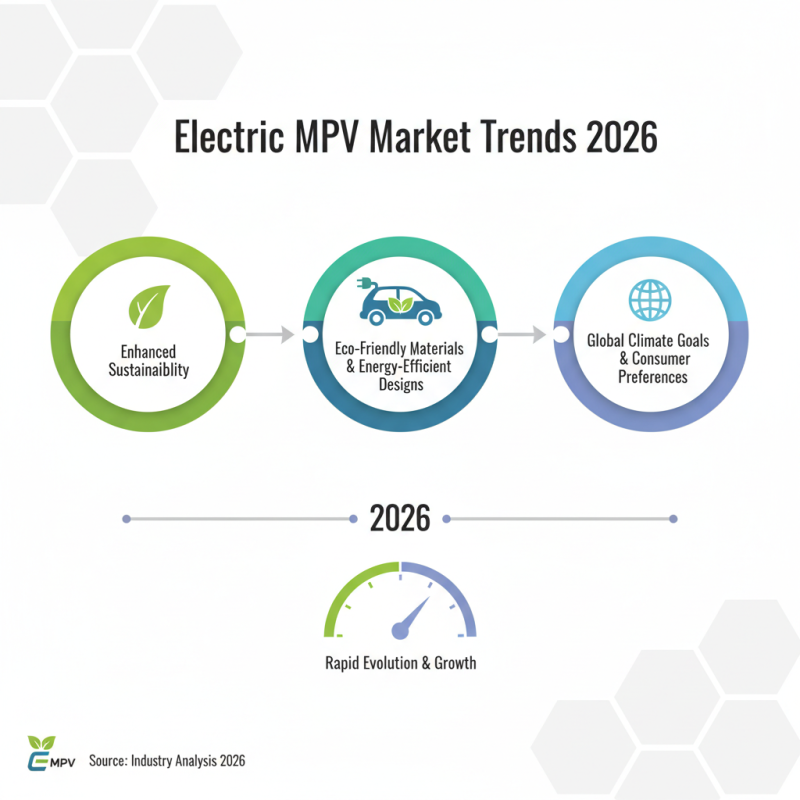
The electric MPV market is rapidly evolving. By 2026, trends indicate a strong shift towards enhanced sustainability. Manufacturers are prioritizing eco-friendly materials and energy-efficient designs. This focus aligns with global climate goals and consumer preferences.
There's an increasing demand for innovative features. Many potential buyers seek vehicles that offer advanced tech and space. Families value comfort and versatility, while urban dwellers prefer compact designs. However, not all models meet these expectations. Some struggle with battery life and charging infrastructure issues. This remains a critical area for improvement in upcoming releases.
Market analysts anticipate more competition ahead. New players are entering the electric MPV scene, eager to capture attention. This growth could lead to varied price points. Yet, maintaining quality alongside affordability is a challenge. Consumers should remain vigilant about the balance between cost and performance as options expand.
Key Specifications and Features of Leading Electric MPV Models
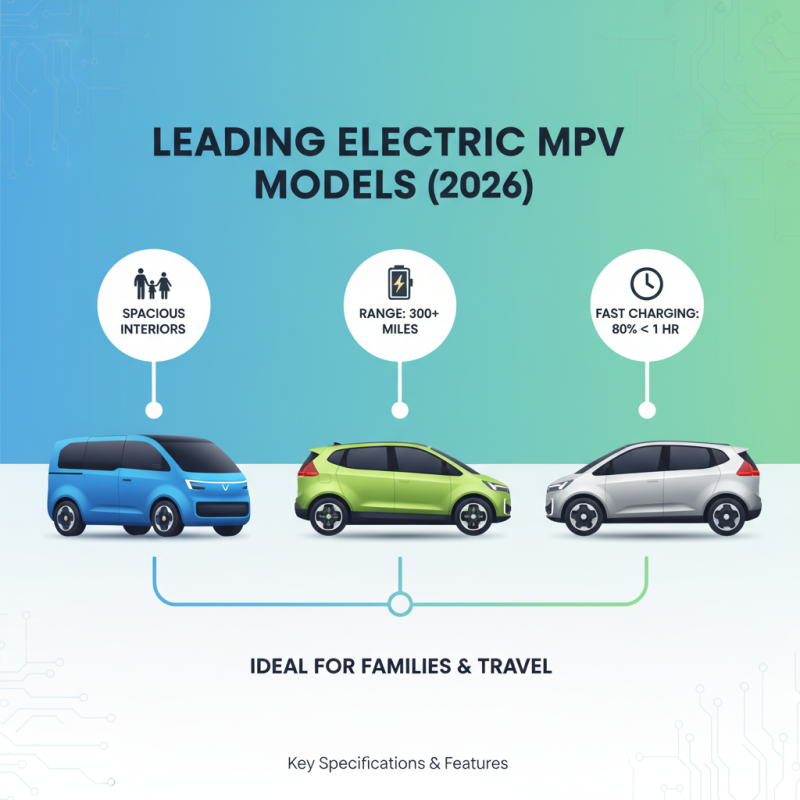
Electric MPVs are changing the way we travel. In 2026, several models will stand out with impressive specifications. These vehicles often feature spacious interiors, making them ideal for families. Most of them offer a range exceeding 300 miles on a single charge, which is quite convenient. The charging time is another crucial aspect. Some models can charge up to 80% in under an hour.
Tips: Look for models with fast charging capabilities. This can save you time during long trips. Pay attention to the range as well. A bit more distance can make a huge difference for daily use.
Safety features are also key in these electric MPVs. Many incorporate advanced driver-assistance systems, enhancing overall safety. While the designs are sleek, they sometimes compromise storage space. Ensure the layout suits your needs.
Tips: Try to test various configurations. You might find that certain models fit your requirements better. Don't overlook the underperformance of some features. It's essential to do a thorough evaluation before purchasing.
Comparison of Range and Battery Performance among Top Electric MPVs
As electric MPVs gain popularity, understanding their range and battery performance becomes crucial. Many models offer impressive distances on a single charge. Some range around 250 miles, while others push closer to 350 miles. This variance gives buyers options, but also raises questions about real-world usage. Can all these models deliver consistent performance under different driving conditions?
Battery performance is another key factor. Some MPVs feature fast charging capabilities. This allows drivers to recharge up to 80% in under an hour. However, real charging times can vary. Environmental factors and charging station quality play a role. In some areas, charging infrastructure is lacking. This can lead to frustration for potential users.
Beyond numbers, the overall driving experience must not be overlooked. Range anxiety remains a concern for many drivers. Although some models boast advanced technology, the practicality of daily use still needs examination. The balance between range and comfort is delicate and requires further reflection.
Safety Ratings and Technology Innovations in 2026 Electric MPVs
The electric MPV segment is rapidly evolving. In 2026, safety ratings are expected to surpass previous benchmarks. According to the Global Automotive Safety Index, many models will achieve 5-star ratings. This reflects advancements in crash test performance and child safety measures. Innovative design plays a key role. Enhanced crumple zones and advanced passenger retention systems are common.
Technology innovations are equally impressive. Many 2026 electric MPVs will feature adaptive cruise control, lane-keeping assist, and automatic emergency braking. A recent report from the International Automotive Technology Association highlights the integration of AI in driver assistance systems. This technology enhances responses during critical situations.
Moreover, some models will include vehicle-to-everything (V2X) communication. This allows cars to communicate with infrastructure and other vehicles. Drivers can receive real-time traffic information. However, these technologies are not without flaws. Some systems may require extensive calibration. Others could face challenges in varied driving conditions. This necessitates ongoing research and testing to ensure reliability.
2026 Top Electric MPV Models You Need to Know - Safety Ratings and Technology Innovations
| Model |
Safety Rating |
Battery Range (miles) |
Charging Time (0-80%) |
Key Technology Features |
| Model A |
5 Stars |
300 |
30 mins |
Autonomous Driving, Smart Infotainment |
| Model B |
4.5 Stars |
250 |
40 mins |
AI Navigation, Enhanced Safety Systems |
| Model C |
5 Stars |
320 |
25 mins |
Over-the-Air Updates, Digital Cockpit |
| Model D |
4 Stars |
280 |
35 mins |
Vehicle-to-Grid Technology, AI Assistant |
Market Influencers: Consumer Preferences and Environmental Regulations
In the evolving electric MPV market, consumer preferences and environmental regulations play crucial roles. People are becoming more eco-conscious. They seek vehicles that reduce their carbon footprints. The government is also tightening regulations on emissions. This creates a demand for zero-emission vehicles.
Many buyers prefer spacious interiors for family needs, yet desire eco-friendliness. This presents a challenge for manufacturers. They must balance comfort with sustainability. The competition is intense, and innovation is key. Designers explore new materials that are both lightweight and recyclable.
Tips: Consider charging infrastructure in your area. It can influence your decision. Also, assess your family's needs. Do you really need an MPV? It might be tempting, but fewer features can mean a lighter environmental load. Lastly, research the warranty and maintenance options carefully. This can save you money in the long run.
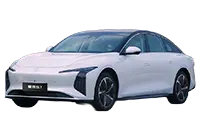
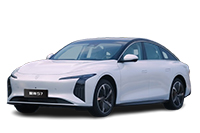
Top Electric MPV Models of 2026

 T5EVO
T5EVO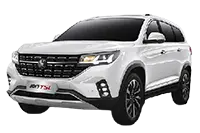 T5L
T5L T5
T5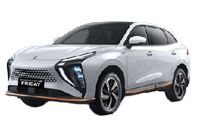 Friday
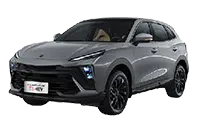 T5 HEV
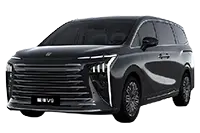 V9
V9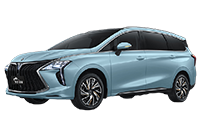 UTOUR (M4)
 M5 EV
M5 EV M5
M5 Lingzhi Plus
 S7
S7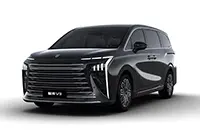 V9 HEV
 S7
S7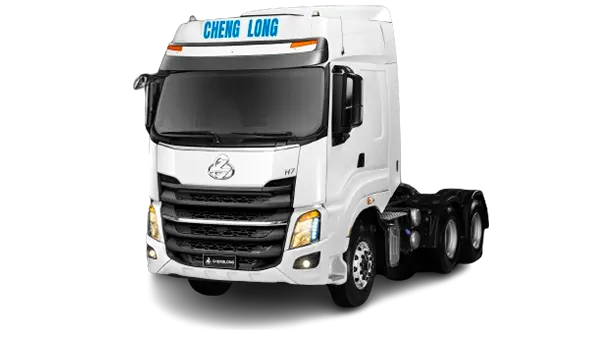 6X4 H7 Tractor
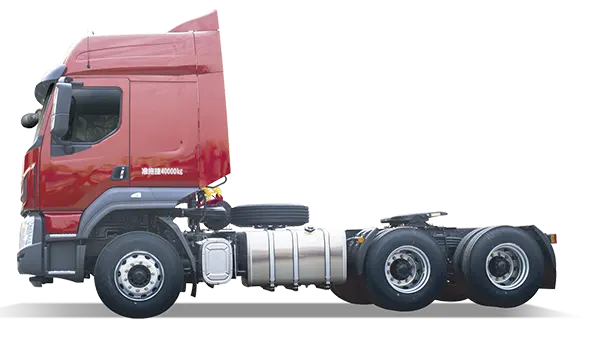 6X4 H5 Tractor
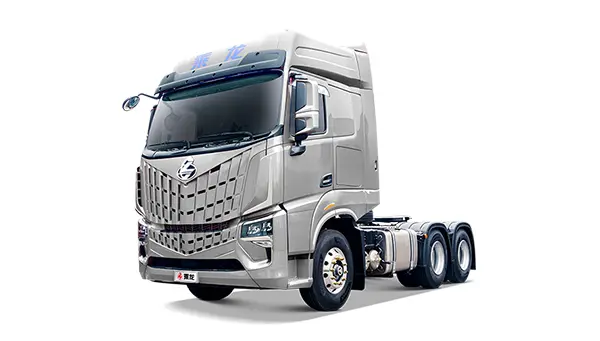 6X4 HK Tractor
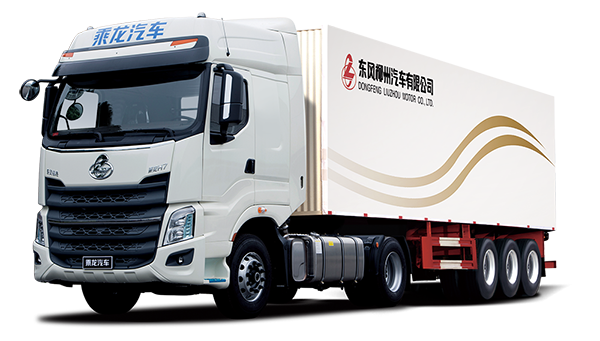 4X2 H7 Tractor
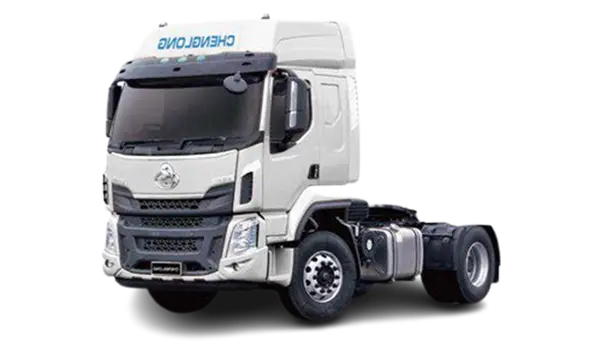 4X2 H5Tractor
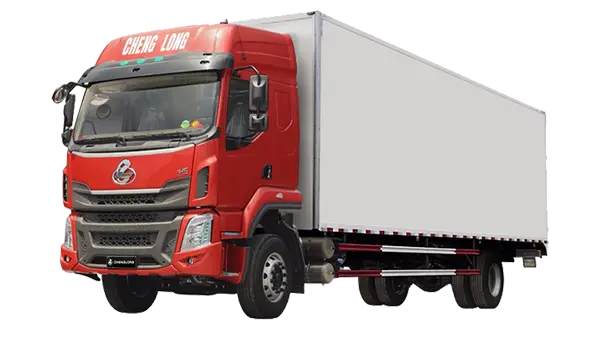 4X2 H5 Cargo Truck
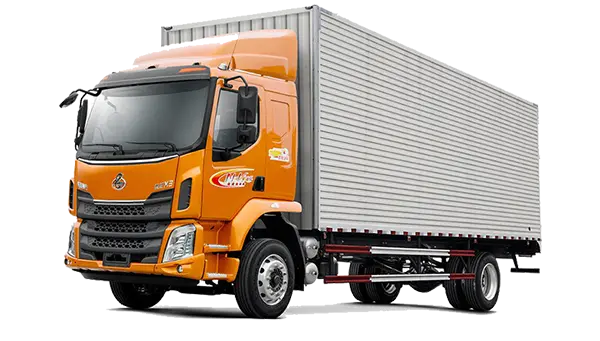 4X2 M3 Cargo Truck
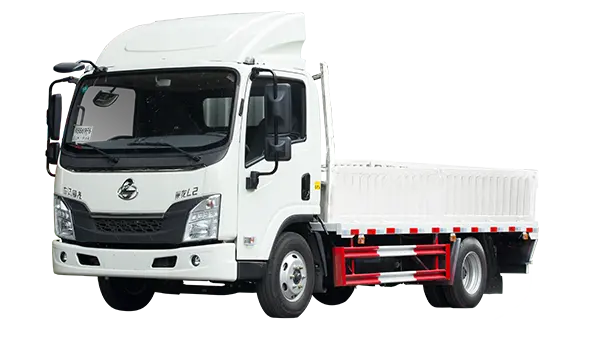 4X2 L2 Cargo Truck
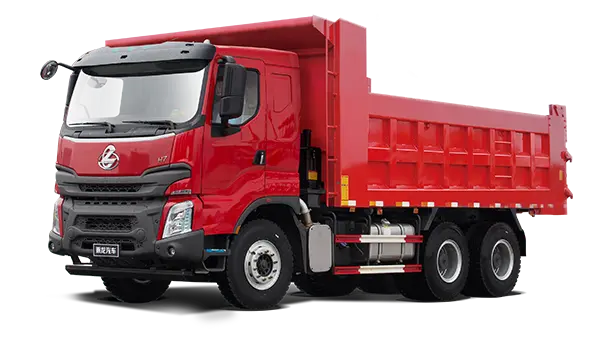 6X4 H7 Dump Truck
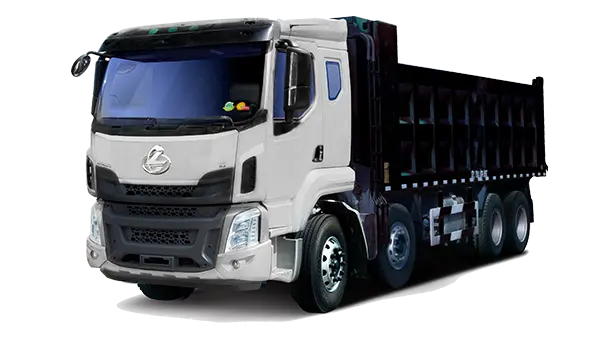 6X4 H5 Dump Truck
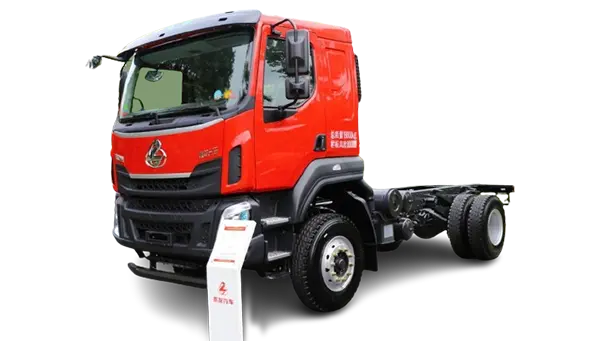 4X2 H5 Dump Truck
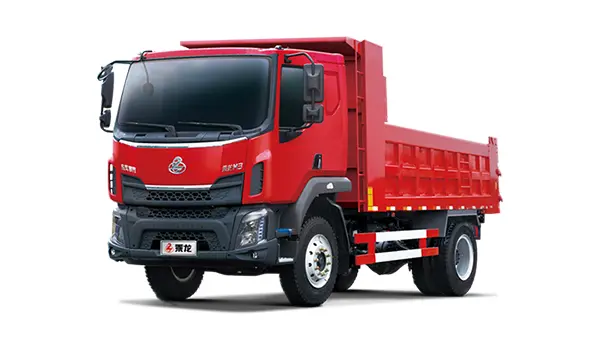 4X2 M3 Dump Truck
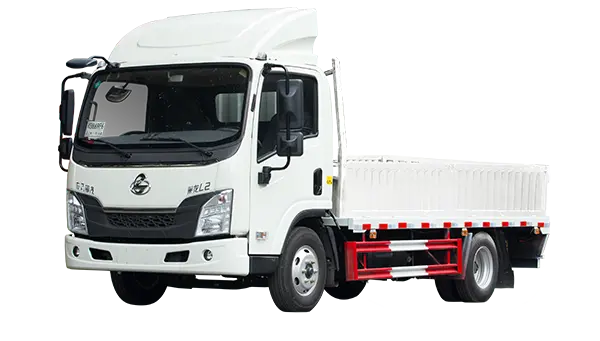 Light Truck L2
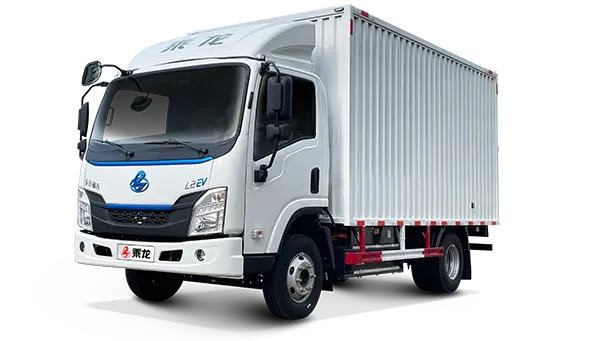 Light Truck L2 EV
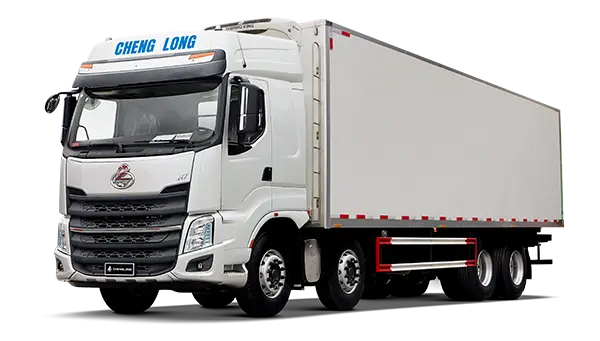 H7 Refrigeratior Truck
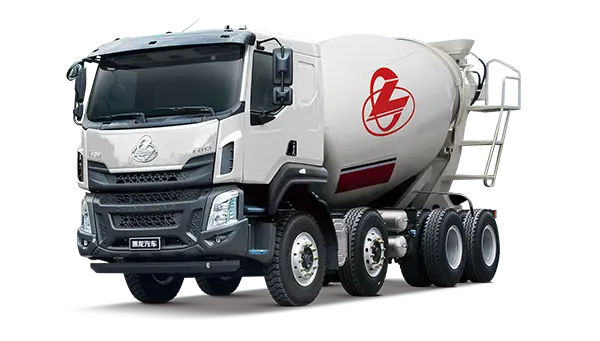 H5 Mixer Truck
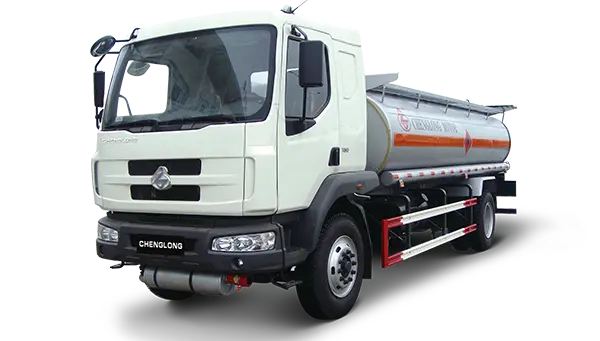 M3 Tank Truck
 M3 Sanitation Truck
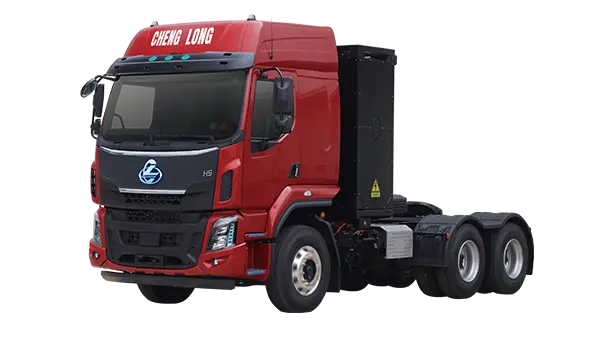 6X4 H7 Electric Truck
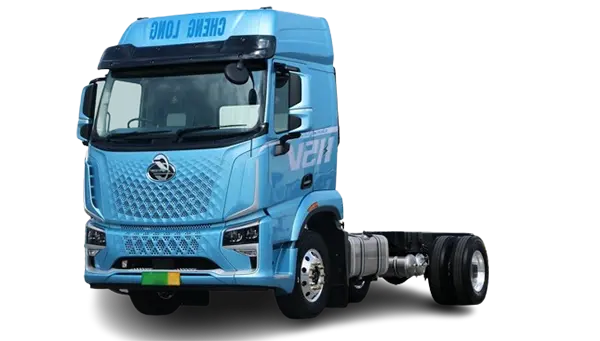 4X2 H5V Electric Truck
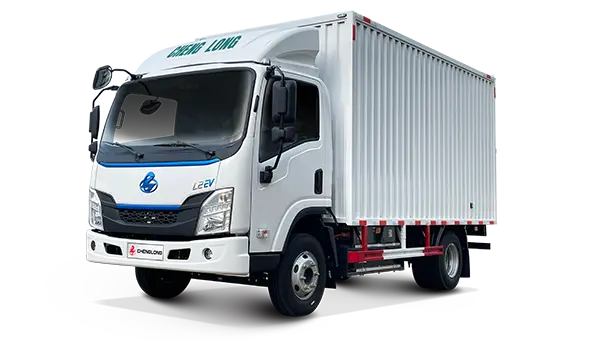 4X2 L2 Electric Truck