Top Hybrid Trucks to Watch Out for in 2026 Are They Worth It?
As the automotive industry moves toward sustainability, Hybrid Trucks are gaining significant traction. By 2026, these vehicles are anticipated to lead the market. According to a report from Automotive Trends, hybrid truck sales are projected to grow by 24% annually. Industry expert Dr. Anna Miller states, "Hybrid Trucks are not just a trend; they are the future of efficient hauling." This indicates a strong demand for innovations in this sector.
The growing focus on reducing emissions is driving interest in Hybrid Trucks. Fleet operators are looking to cut costs and lower their carbon footprints. However, potential buyers must weigh initial investments against long-term savings. Some early models have faced challenges, like battery life and maintenance issues. These factors can create skepticism in decision-making.
Yet, the environmental benefits are hard to ignore. Hybrid Trucks use less fuel and produce fewer emissions than traditional trucks. As new models hit the market, mixed opinions will surface. Updates and improvements will determine their future success. Balancing performance with eco-friendliness remains crucial.
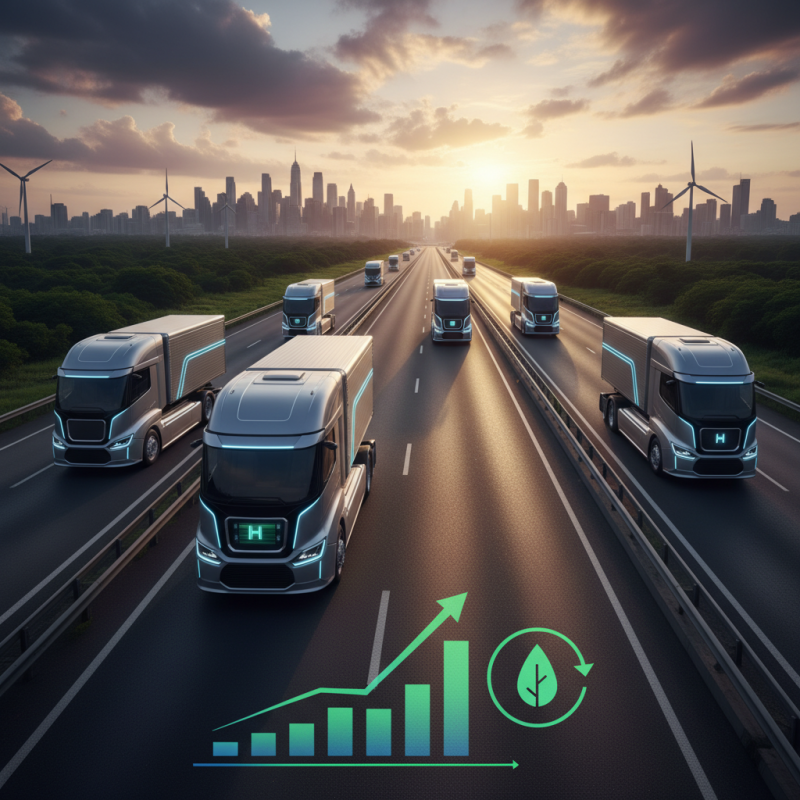
Top Hybrid Trucks to Anticipate in 2026
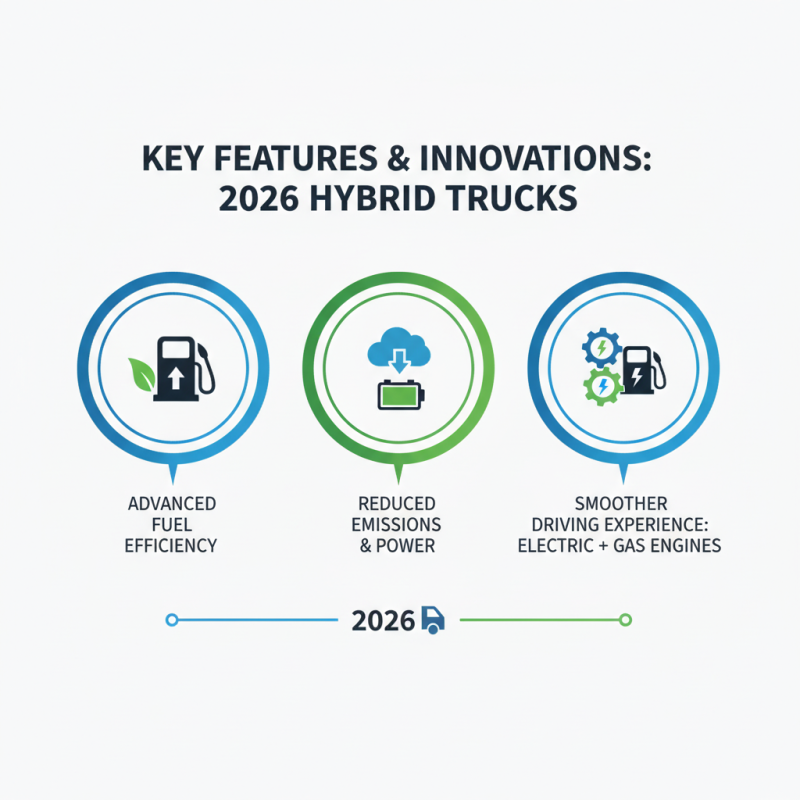
As we look ahead to 2026, the hybrid truck market is becoming increasingly intriguing. With advancements in technology and growing environmental concerns, many are eager to see what will emerge. Hybrid trucks promise efficiency without sacrificing power. They blend traditional internal combustion engines with electric systems. This combination can lead to reduced fuel consumption and lower emissions.
Many experts believe these vehicles will offer better capabilities for work and play. Increased torque and improved towing capacities are expected outcomes. However, questions remain about reliability and long-term performance. Real-world testing is essential to ensure that these innovations deliver on their promises. The infrastructure for charging stations must also expand. This is a crucial factor for hybrid truck owners.
The market's response will be telling. Will drivers embrace these changes? Expectations are high, but so are uncertainties. Pricing strategies will influence consumer choices significantly. As designs evolve, hybrid trucks need to appeal visually and functionally to a wide audience. How these vehicles balance function and aesthetic will be key. Exploring these aspects will reveal whether they truly meet the needs of today's drivers.
Top Hybrid Trucks to Watch Out for in 2026
This chart represents a comparison of key specifications for upcoming hybrid trucks in 2026. It highlights fuel efficiency, towing capacity, cargo space, and estimated price, providing an overview for potential buyers.
Performance Comparison: Hybrid Trucks vs. Traditional Models
Hybrid trucks are gaining popularity for their efficiency and reduced emissions. But how do they stack up against traditional models? Performance is often a key concern for truck buyers. Many expect hybrid trucks to deliver the same power and reliability as their gasoline counterparts.
When comparing acceleration and towing capacity, traditional trucks often excel. They provide immediate power and may be better suited for rigorous tasks. However, hybrid trucks are designed with innovation in mind. Their electric motors enable smooth, quiet operation, especially during city driving. This can be a game changer for everyday use.
Fuel efficiency is another significant factor. Hybrid trucks usually consume less fuel, leading to long-term savings. Yet, some argue that the higher initial cost can negate these benefits. Additionally, hybrid technology may still feel unfamiliar for some drivers. Buyers often wonder if they should take the leap into this newer technology. While hybrid trucks show promise, careful consideration is essential.
Cost-Benefit Analysis: Are Hybrid Trucks Worth the Investment?
Hybrid trucks are gaining attention as we look to 2026. They promise fuel efficiency and reduced emissions. However, the question remains: are they worth the investment?
When assessing hybrid trucks, consider their long-term costs. The initial price is often higher than traditional trucks. However, savings on fuel can offset these costs over time. Maintenance usually is less frequent, which adds to the financial benefits. Yet, not all drivers will find these savings substantial enough. The return really depends on usage patterns.
Tip: Calculate how often you drive and fuel prices. Factor in the benefits of tax credits for hybrid vehicles. The financial analysis may vary significantly across different regions.
In addition, reflect on your driving habits. If you primarily drive short distances, hybrid trucks can be a boon. Yet, those with long hauls might not see the benefits as clearly. Understanding your needs is crucial in making a wise investment decision.
Top Hybrid Trucks to Watch Out for in 2026 - Cost-Benefit Analysis: Are Hybrid Trucks Worth the Investment?
| Truck Model |
Estimated Cost ($) |
Fuel Efficiency (MPG) |
Towing Capacity (lbs) |
Maintenance Cost (Annual $) |
Potential Savings Over 5 Years ($) |
| Model A |
45,000 |
24 |
7,500 |
1,200 |
3,000 |
| Model B |
55,000 |
22 |
8,000 |
1,500 |
2,500 |
| Model C |
50,000 |
23 |
7,000 |
1,100 |
3,500 |
| Model D |
60,000 |
20 |
9,000 |
1,800 |
1,800 |
Environmental Impact of Hybrid Trucks in 2026 and Beyond
The environmental impact of hybrid trucks in 2026 is significant. As technology develops, these vehicles are expected to reduce emissions substantially. According to industry reports, hybrid trucks could lower greenhouse gas emissions by up to 30% compared to traditional diesel models. This is crucial in fighting climate change.
The fuel efficiency of hybrid trucks is a strong advantage. Recent studies show that hybrid models can achieve up to 25 miles per gallon. This efficiency lowers fuel costs and lessens dependence on fossil fuels. Additionally, hybrid trucks contribute to reduced noise pollution, creating better conditions for urban areas.
Tips: When considering a hybrid truck, assess your typical driving patterns. Frequent short trips benefit more from hybrid technology. Also, stay updated on government incentives; they can make hybrid options more affordable. Understanding the long-term savings is key. Embrace the future of transportation, but reflect on the infrastructure needed for support. Are charging stations accessible in your area?

 T5EVO
T5EVO T5L
T5L T5
T5 Friday
 T5 HEV
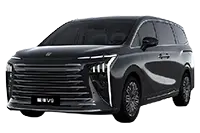 V9
V9 UTOUR (M4)
 M5 EV
M5 EV M5
M5 Lingzhi Plus
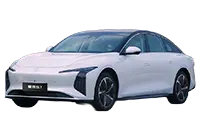 S7
S7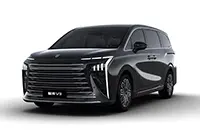 V9 HEV
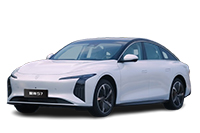 S7
S7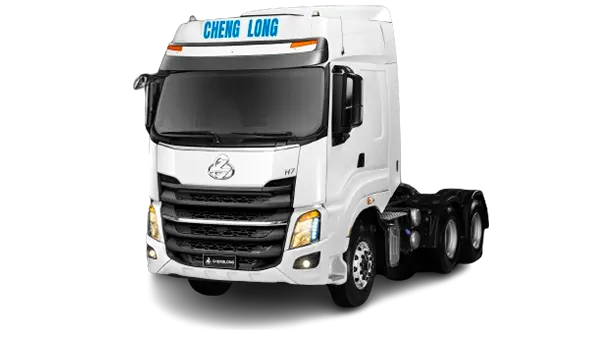 6X4 H7 Tractor
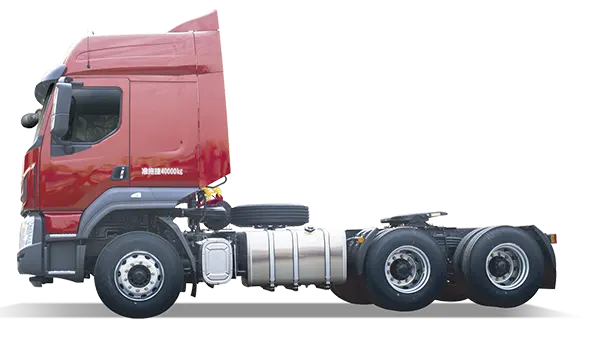 6X4 H5 Tractor
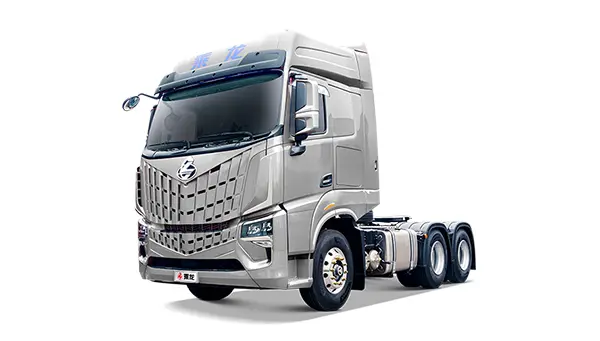 6X4 HK Tractor
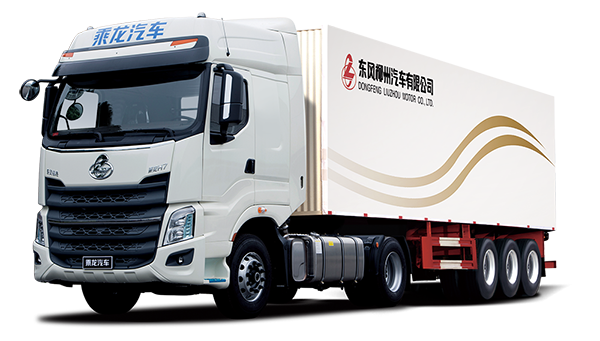 4X2 H7 Tractor
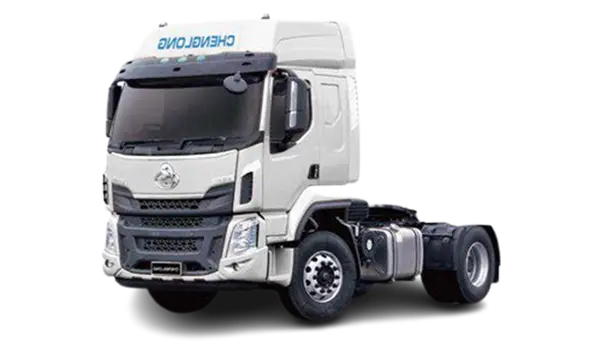 4X2 H5Tractor
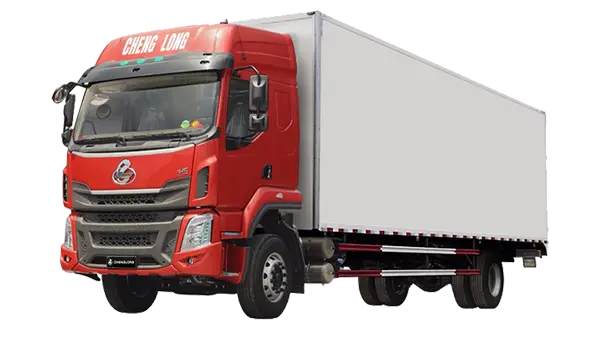 4X2 H5 Cargo Truck
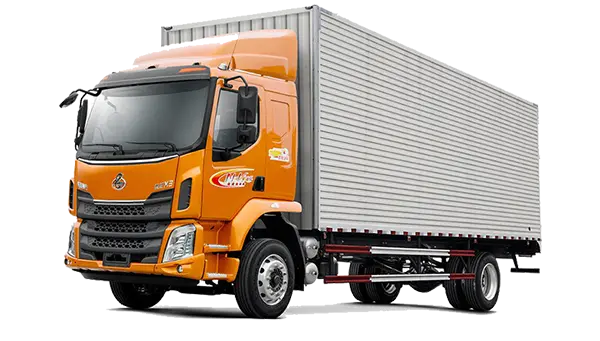 4X2 M3 Cargo Truck
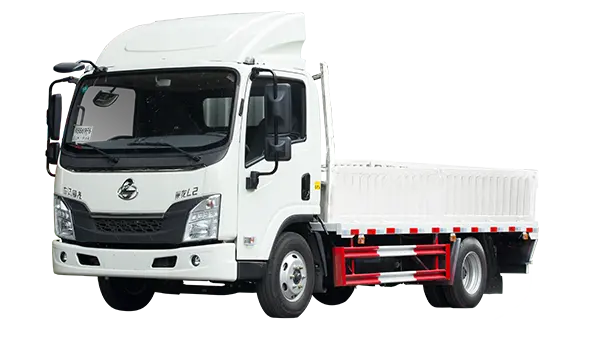 4X2 L2 Cargo Truck
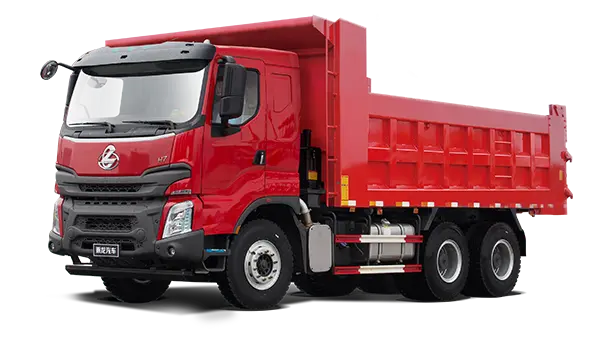 6X4 H7 Dump Truck
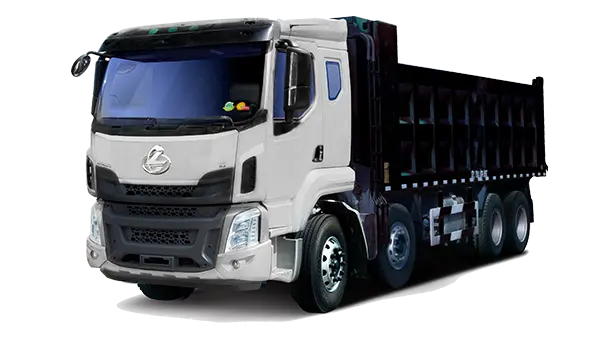 6X4 H5 Dump Truck
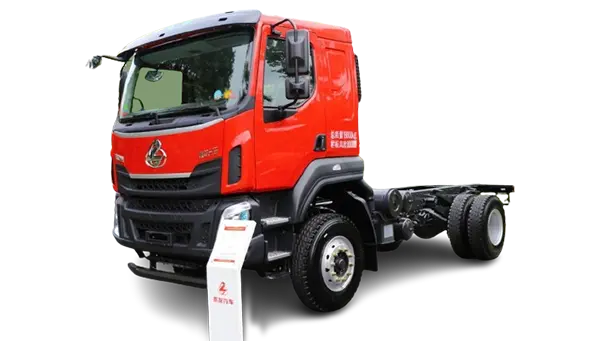 4X2 H5 Dump Truck
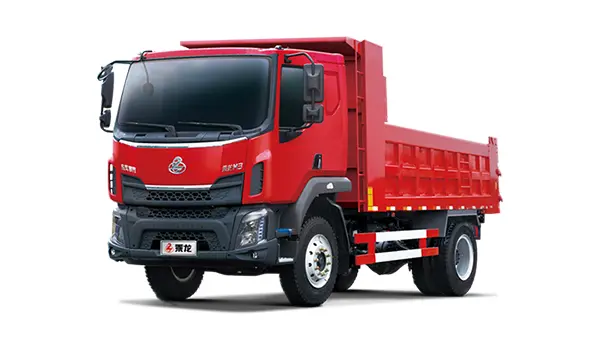 4X2 M3 Dump Truck
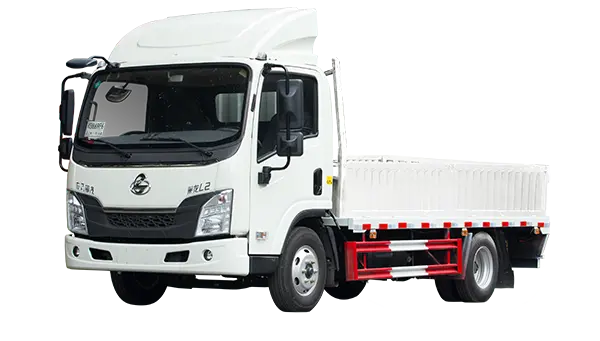 Light Truck L2
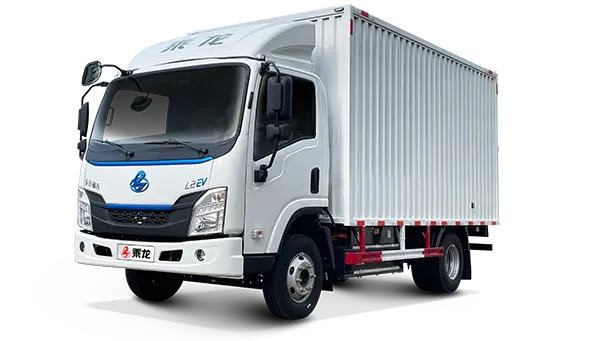 Light Truck L2 EV
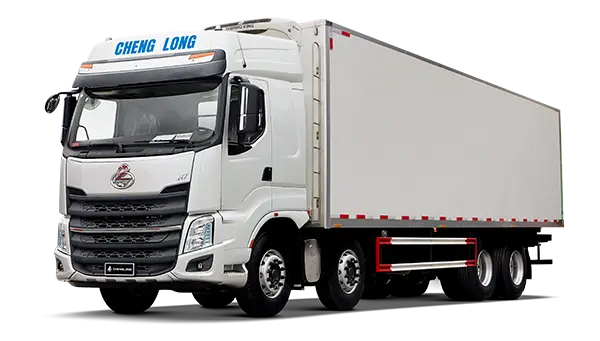 H7 Refrigeratior Truck
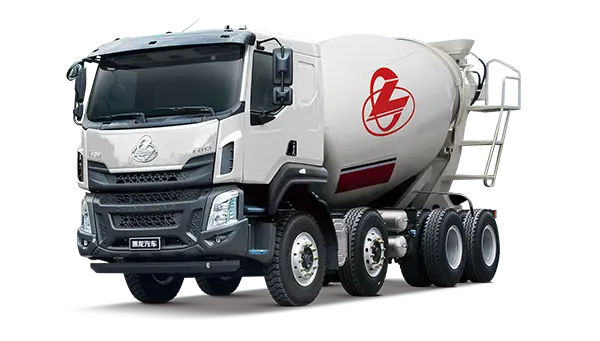 H5 Mixer Truck
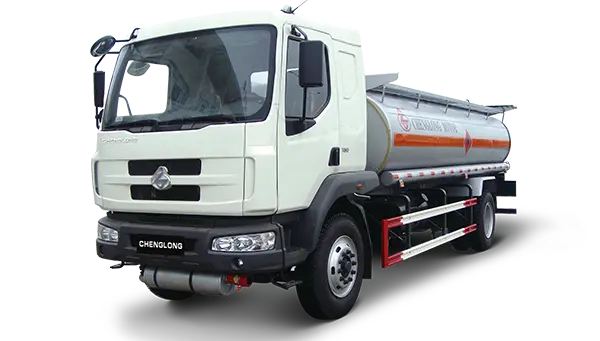 M3 Tank Truck
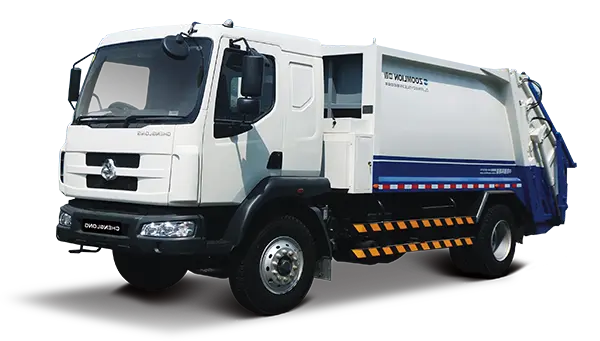 M3 Sanitation Truck
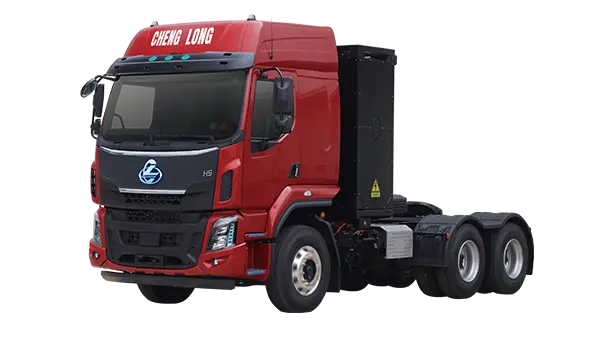 6X4 H7 Electric Truck
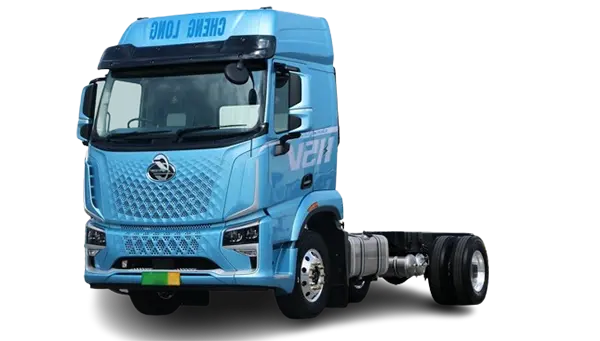 4X2 H5V Electric Truck
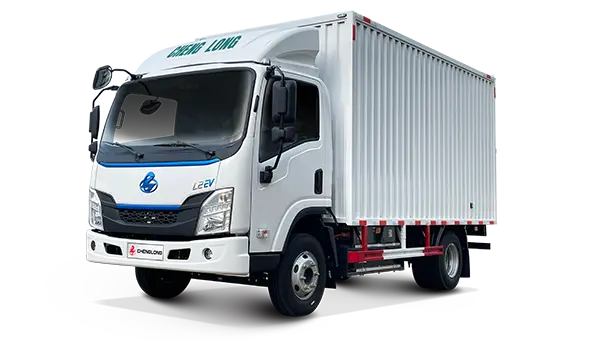 4X2 L2 Electric Truck