Understanding Less Than Truckload Shipping for Your Business Needs?
In today’s ever-evolving logistics landscape, understanding "Less Than Truckload" (LTL) shipping is crucial for businesses. LTL shipping allows multiple shippers to share truck space, optimizing costs and resources. According to recent industry reports, LTL shipments account for nearly 60% of freight tonnage in North America. This trend highlights the growing efficiency of LTL methods. Businesses can save up to 30% on freight costs, underscoring its importance.
The upcoming 2026 Canton Fair, featuring advanced manufacturing and electronic appliances, emphasizes the need for effective logistics solutions. With AI-integrated tools enhancing the sourcing process, companies must adapt to optimize their shipping strategies. Yet, many still struggle to navigate the complexities of LTL. Understanding regulations, managing delivery times, and ensuring package safety remain significant challenges.
Investing in LTL shipping can greatly enhance your operational efficiency. However, businesses must frequently reflect on their logistics strategies to avoid potential pitfalls. The integration of smarter shipping options is vital for future growth and cost-reduction. Keeping pace with advancements in shipping technology is non-negotiable in this competitive marketplace.

What is Less Than Truckload (LTL) Shipping?
Less Than Truckload (LTL) shipping is a logistics solution for businesses that require transportation for smaller freight. Typically, LTL shipping handles loads weighing between 150 and 15,000 pounds. This method offers a cost-effective way to ship without needing a full truck. According to the American Trucking Associations, LTL traffic holds around 10% of the freight sector in the U.S. This indicates its significance in the logistics landscape.
LTL shipping reduces costs as businesses only pay for the space they need. It consolidates shipments from various shippers, making it an efficient option. Many businesses overlook the importance of proper packaging. Inadequate packing can lead to damage, adding extra costs. Properly secured freight ensures safety and minimizes risks.
Tips: Always weigh your freight accurately. Miscalculations can lead to unexpected charges. Understanding your shipping requirements is crucial. For example, check if your goods require special handling. This can impact delivery speed and pricing. Using dependable carriers can reduce delays and damage risks.
Understanding Less Than Truckload (LTL) Shipping Cost Breakdown
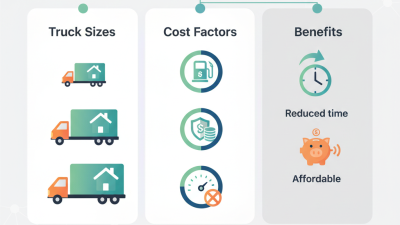
This chart illustrates the various cost factors involved in Less Than Truckload (LTL) shipping. The costs are affected by distance, weight, freight class, and fuel surcharge, which can vary significantly depending on the specific shipment details.
Key Benefits of LTL Shipping for Businesses
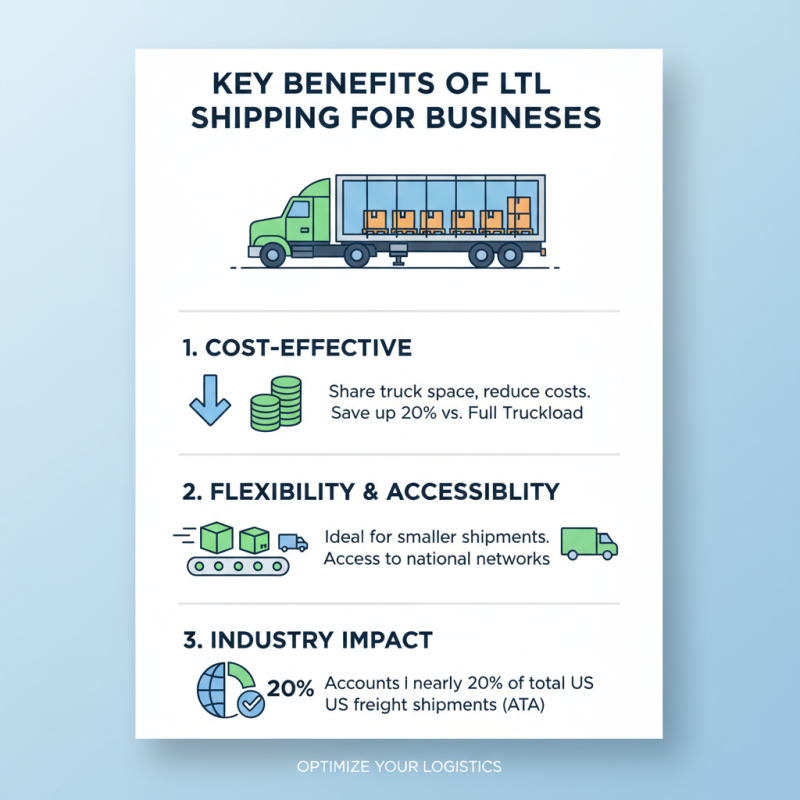
Less than Truckload (LTL) shipping offers significant advantages for businesses looking to optimize their logistics. It is a cost-effective solution for smaller shipments. According to the American Trucking Associations, LTL freight accounts for nearly 20% of total freight shipments in the U.S. This method allows businesses to share truck space, reducing costs. Smaller companies can benefit from lower shipping rates. In fact, LTL shipping can save companies up to 20% compared to full truckload options.
Flexibility is another key benefit of LTL shipping. Businesses can ship items at different weights and sizes without needing a full truck’s worth. Reports from the Freight Transportation Services Index indicate that LTL shipping has shown consistent growth, driven by increasing e-commerce demands. Timely delivery is vital. LTL solutions typically provide faster transit times than traditional shipping methods. However, mishaps can occur, like delayed pickups or deliveries.
Sustainability is increasingly crucial for modern businesses. LTL shipping can reduce carbon footprints by maximizing truck capacity. According to the Environmental Protection Agency, optimizing freight shipping can potentially reduce greenhouse gas emissions significantly. Companies must be cautious, though. Not all LTL providers offer the same service quality. Researching and choosing the right partner is essential for ensuring reliability. Adjusting to LTL shipping may present challenges but can yield high returns when executed effectively.
How to Choose the Right LTL Carrier for Your Needs
Choosing the right Less Than Truckload (LTL) carrier is crucial for your business's success. Start by assessing your shipping volume. If you frequently ship smaller loads, an LTL carrier may be a wise choice. These carriers can consolidate shipments, reducing costs. Think about your delivery locations. Some carriers excel in specific regions. Ensure their network aligns with your needs.
Look at the services offered. Do they provide tracking? Is there a variety of delivery options? A carrier with flexible solutions can adapt to your changing needs. Pricing is important, but don't overlook service quality. Cheaper options may lead to delayed deliveries or damaged goods. Reflect on your past experiences with carriers. Were they reliable? Did they communicate well?
Finally, consider their reputation. Research customer feedback. Engage with their support team to gauge responsiveness. Choosing an LTL carrier is not just about rates; it’s also about building a partnership. Your decision impacts your bottom line and customer satisfaction.
Understanding LTL Freight Rates and Pricing Structures
LTL (Less Than Truckload) shipping is crucial for many businesses. Understanding LTL freight rates is essential. These rates can vary widely based on several factors. Distance, weight, and dimensions are significant considerations. Freight class also plays a role and is determined by the item's characteristics, such as density and liability.
Businesses often overlook these details when estimating costs. This can lead to unexpected expenses. It’s essential to analyze what your shipment entails. Fine-tuning your logistics helps in budgeting accurately. Your pricing structure might not be ideal initially. There is always room for adjustment based on the frequency of shipments.
Be aware that discounts may apply for high-volume shippers. However, if you're not shipping often, costs can add up. Evaluating carriers’ pricing models is vital. Each has unique fees and surcharges. Understanding these nuances can save money and improve efficiency. Be proactive and reassess your shipping strategies to meet business needs effectively.
Best Practices for Preparing LTL Shipments for Transport
When preparing Less Than Truckload (LTL) shipments, attention to detail is crucial. First, pack the items securely. Use strong boxes that can withstand transit. Cushion fragile items with bubble wrap or foam. The stability of your cargo matters. If not packed well, items can shift. This may lead to damage or delays.
Label each shipment clearly. This is more than just good practice; it prevents confusion. Include an accurate weight and dimensions. This helps carriers optimize space. Remember, unnecessary back-and-forth creates issues. Packing mistakes can cost you time and money, so double-check everything.
Communicate with your LTL provider. Inadequate communication can cause misunderstandings. Ensure you inform them about special handling needs. Unpredictable issues can arise, so be ready. If you encounter problems, reflect on what could have been done differently. Learn from these experiences.
Understanding Less Than Truckload Shipping for Your Business Needs
| Dimension |
Description |
Best Practices |
| Weight |
The total weight of the shipment. |
Ensure accurate weight measurements to prevent excess charges. |
| Dimensions |
Length, width, and height of the package. |
Measure all packages accurately to avoid dimensional charges. |
| Freight Class |
Classification of the item based on weight, density, and value. |
Select the correct freight class to ensure proper pricing. |
| Packaging |
Type of packaging used for shipment. |
Use sturdy packaging to prevent damage during transit. |
| Labeling |
Proper labels indicating address and handling instructions. |
Ensure labels are visible and accurate to avoid misdelivery. |
| Schedule |
Timing of pickup and delivery arrangements. |
Plan shipments according to delivery timelines and peak times. |

 T5EVO
T5EVO T5L
T5L T5
T5 Friday
 T5 HEV
 V9
V9 UTOUR (M4)
 M5 EV
M5 EV M5
M5 Lingzhi Plus
 S7
S7 V9 HEV
 S7
S7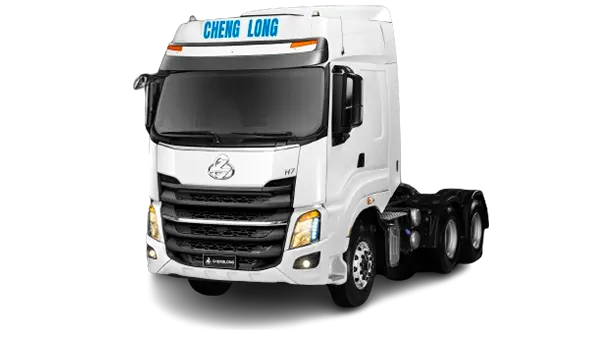 6X4 H7 Tractor
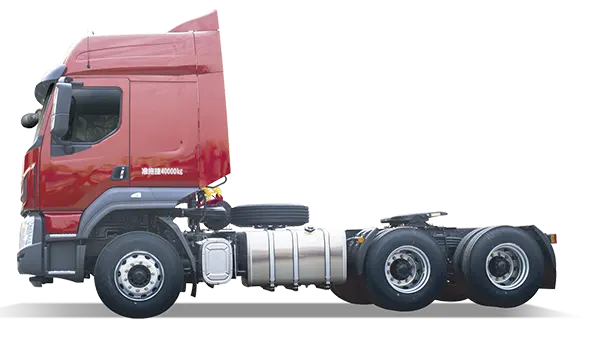 6X4 H5 Tractor
 6X4 HK Tractor
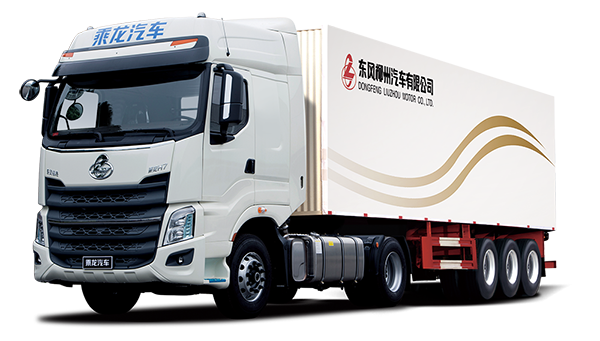 4X2 H7 Tractor
 4X2 H5Tractor
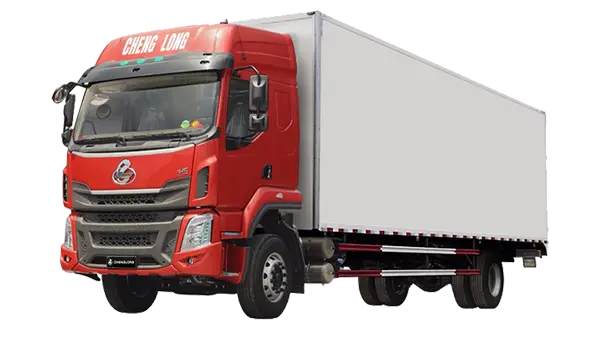 4X2 H5 Cargo Truck
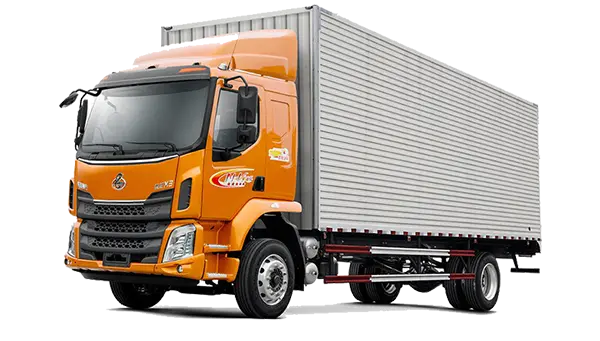 4X2 M3 Cargo Truck
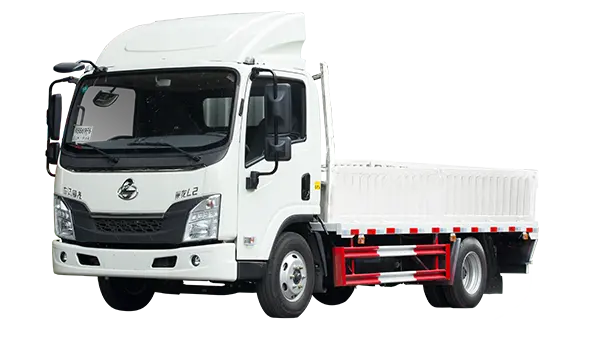 4X2 L2 Cargo Truck
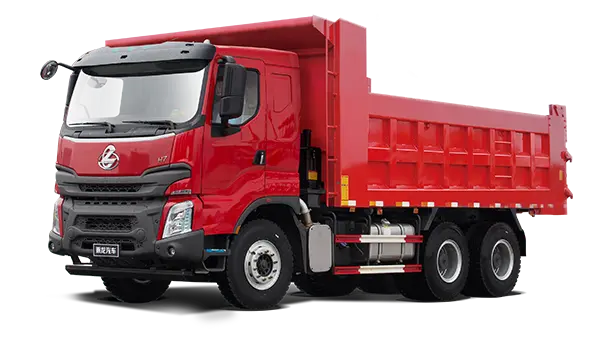 6X4 H7 Dump Truck
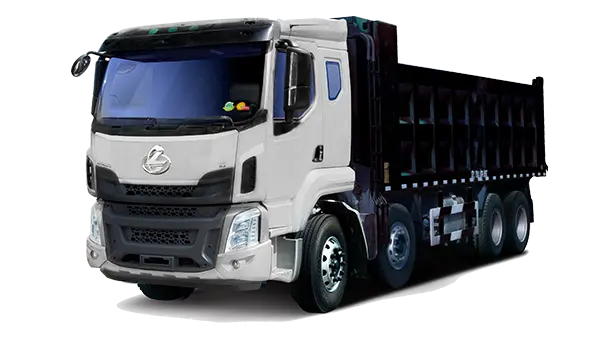 6X4 H5 Dump Truck
 4X2 H5 Dump Truck
 4X2 M3 Dump Truck
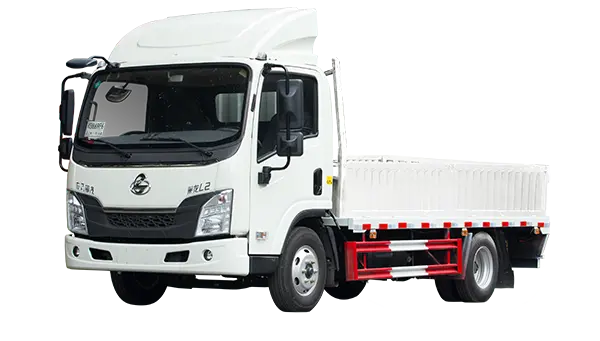 Light Truck L2
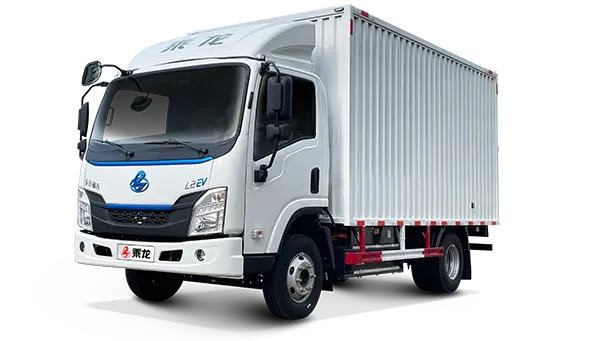 Light Truck L2 EV
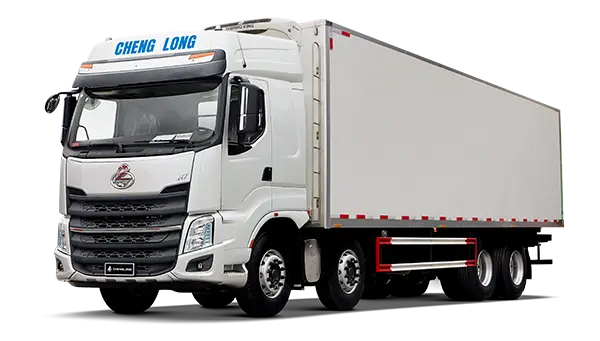 H7 Refrigeratior Truck
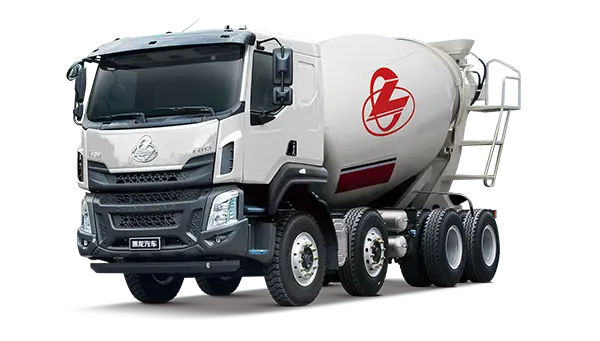 H5 Mixer Truck
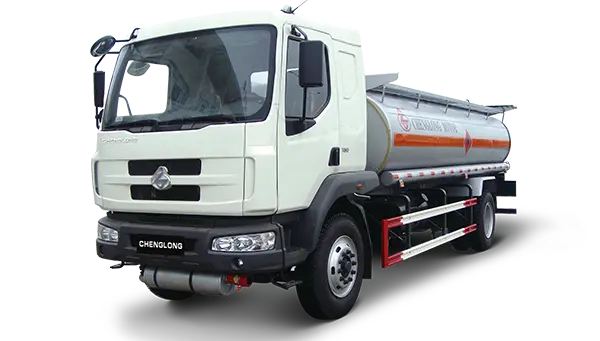 M3 Tank Truck
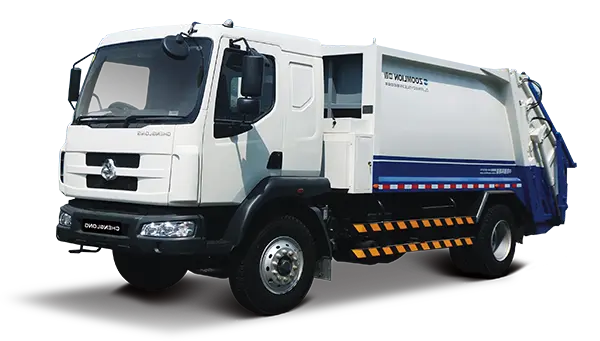 M3 Sanitation Truck
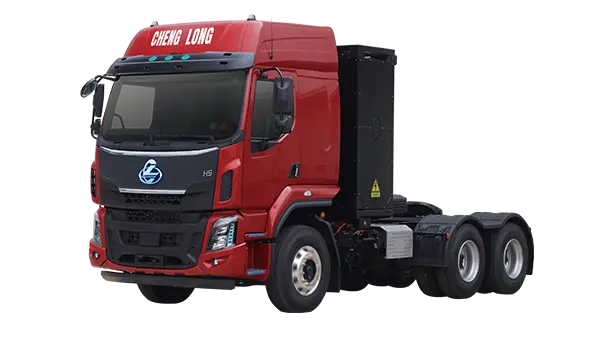 6X4 H7 Electric Truck
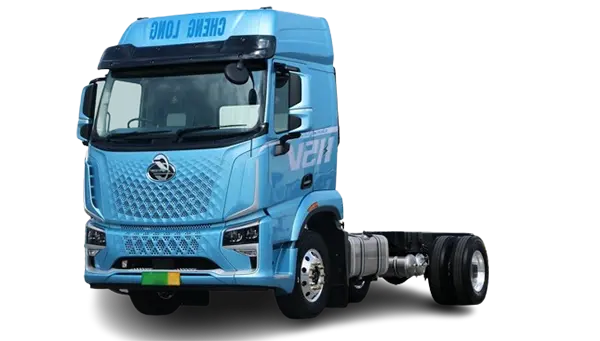 4X2 H5V Electric Truck
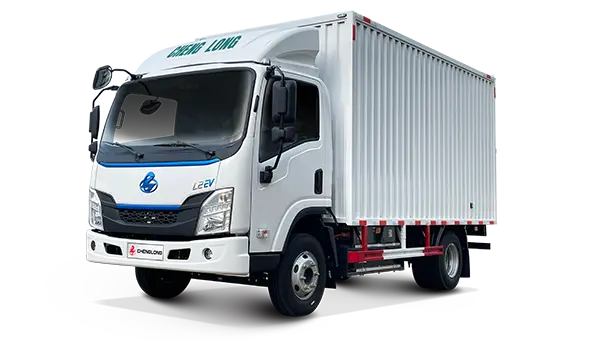 4X2 L2 Electric Truck