Why Choose an Electric Car for Your Next Vehicle?
Choosing an electric car as your next vehicle can be a transformative experience. According to industry expert Sara Thompson, “Electric cars are not just a trend; they represent the future of transportation.” This statement emphasizes the growing importance of electric vehicles (EVs) in today’s automotive landscape.
Electric cars offer significant benefits. They reduce greenhouse gas emissions and lower fuel costs. However, some still hesitate. Concerns about charging infrastructure and battery life linger. It’s essential to weigh these challenges against the advantages. Transitioning to an electric car may seem daunting, yet many find it rewarding.
As we explore this topic, consider your driving habits. Evaluate how an electric car fits into your lifestyle. The journey to making this choice involves exploration and adaptation. It’s vital to ask questions and seek information. The evolution of electric vehicles continues, bringing innovation and opportunity along with it.
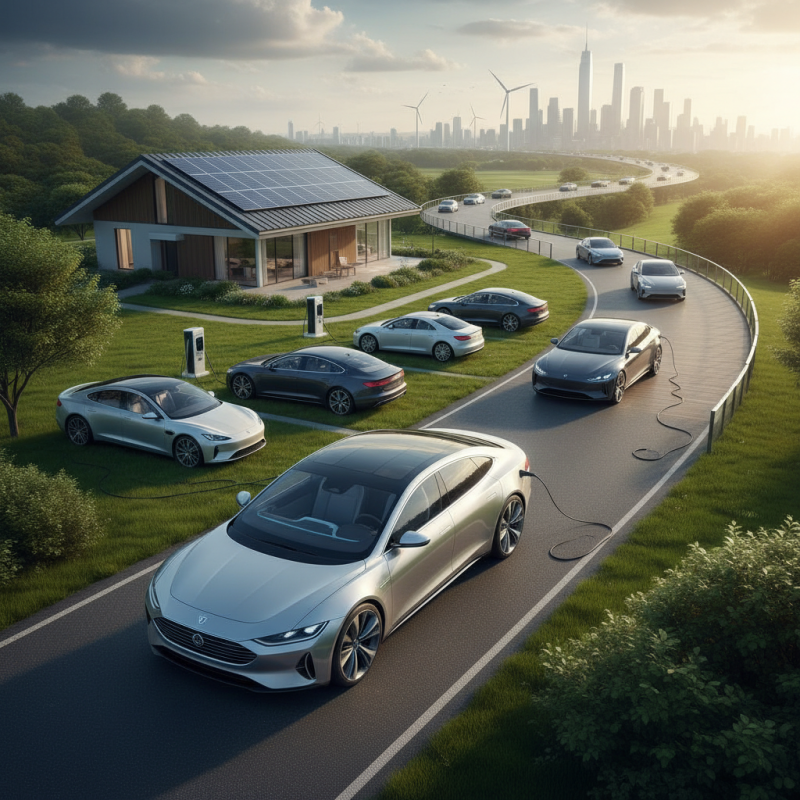
Benefits of Electric Cars Over Traditional Vehicles
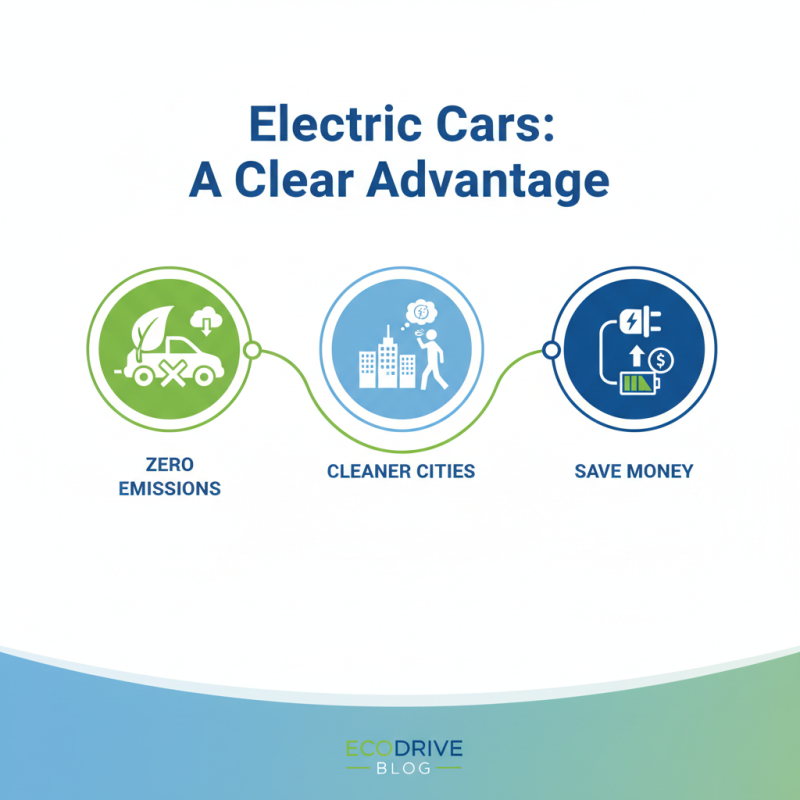
Electric cars offer numerous advantages compared to traditional vehicles. One major benefit is their environmental impact. They produce zero tailpipe emissions, helping to reduce air pollution. Cities with heavy traffic can feel the difference. Imagine breathing cleaner air while walking down the street.
Another significant advantage is fuel efficiency. Electric vehicles use energy more efficiently than gasoline cars. This can lead to lower operating costs over time. Charging at home can be as easy as plugging in your phone. However, it requires routine planning. Not every home has the perfect setup for charging.
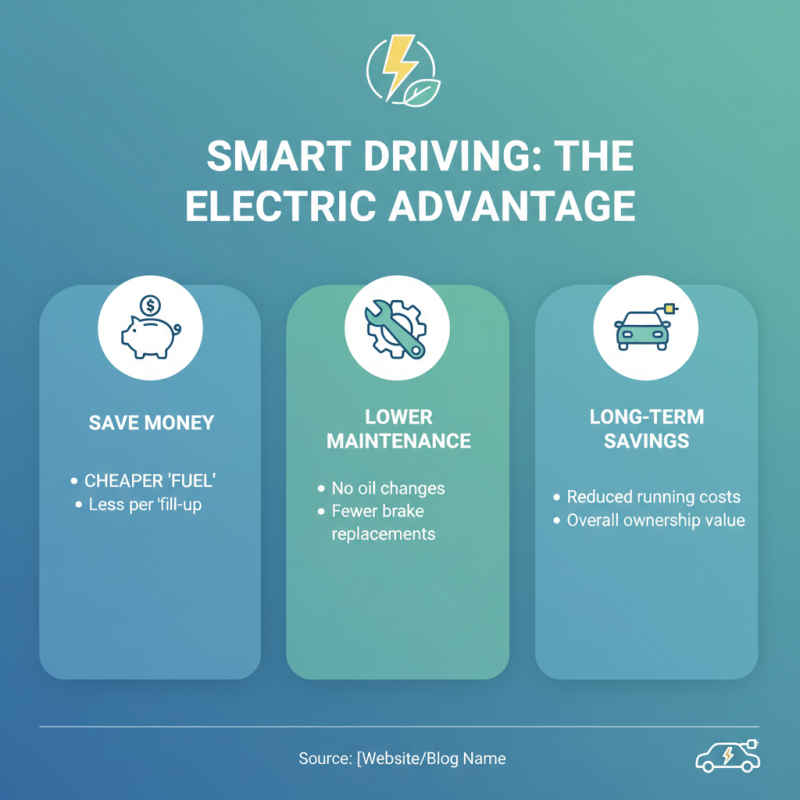
Maintenance costs are often lower too. Electric cars have fewer moving parts. They don't require oil changes or complex engine repairs. This can save money in the long run. Yet, battery replacement can be costly. It’s a detail many overlook. Choosing an electric car brings benefits but also considerations that need reflection.
Environmental Impact of Driving Electric Cars
The environmental impact of electric cars is often viewed as positive. They produce zero tailpipe emissions, reducing air pollution in cities. A study by the International Council on Clean Transportation notes that electric vehicles can cut greenhouse gas emissions by up to 60% compared to traditional gasoline cars. This is significant.
However, battery manufacturing remains a concern. The production of lithium-ion batteries can lead to soil and water pollution. Mining for lithium requires substantial resources, which may have detrimental effects on local ecosystems. According to the World Economic Forum, about 50% of global lithium supply comes from just a few mines.
Electric cars also require energy for charging. The source of this energy matters. In areas relying on fossil fuels, the environmental benefit shrinks. Transitioning to renewable energy sources for electricity can amplify the positives. Additionally, as technology improves, battery recycling methods could minimize waste. Balancing the benefits and challenges is crucial in the adoption of electric vehicles.
Cost Savings: Long-Term Financial Benefits of Electric Cars
Electric cars represent a practical choice for many drivers, especially when considering long-term savings. Over time, these vehicles tend to offer lower operational costs. For instance, charging an electric car is often cheaper than filling a gas tank. Additionally, the maintenance costs are generally lower. Without the need for oil changes, brake replacements happen less frequently too.
On average, an electric car can save you thousands over its lifetime. Depending on your driving habits, you might also benefit from various incentives. For example, tax credits can lower the initial purchase cost. There are also savings from driving in carpool lanes and reduced road taxes in some areas.
However, the initial price of some electric cars can be daunting. Many people hesitate due to higher upfront costs, which can lead to reluctance. It’s important to consider how these expenses balance out over time. Weighing immediate costs against potential savings requires careful thought. The overall financial benefits make electric vehicles an intriguing option, yet personal circumstances vary widely.
Charging Infrastructure: Accessibility and Convenience of Electric Vehicles
Electric vehicles (EVs) are gaining popularity, especially for their charging infrastructure. Accessibility is key to the success of EV adoption. Many charging stations are conveniently located in urban areas, shopping centers, and along highways. This makes it easier for drivers to find power when needed. However, there are still regions with limited availability. It's important to plan trips, considering where to charge along the way.
If you’re thinking about going electric, consider your routine. Do you drive long distances? If so, check the charging station maps. Not all areas have the same coverage. Aim to charge at home if possible; this provides peace of mind.
Tips: When planning a trip, locate charging stations on your route ahead of time. Apps can help with this. Another tip is to join local EV communities. They often share updates on new chargers, so you’ll stay informed. Also, don't forget to consider your charging speed needs. Fast chargers work great for quick stops, while slower home chargers are fine for overnight charging.
Why Choose an Electric Car for Your Next Vehicle? - Charging Infrastructure: Accessibility and Convenience of Electric Vehicles
| Charging Type |
Charging Speed (miles/hour) |
Estimated Cost per Charge ($) |
Availability (% of Locations) |
Typical Charging Duration |
| Level 1 (Home) |
4-5 miles |
$1.50 |
85% |
8-12 hours |
| Level 2 (Public) |
10-20 miles |
$2.00 |
75% |
2-4 hours |
| DC Fast Charging |
60-100 miles |
$5.00 |
60% |
30 minutes |
| Wireless Charging |
5-7 miles |
$3.00 |
50% |
4-6 hours |
Performance and Technology Advancements in Electric Cars
Electric cars are changing the way we think about performance. New advancements in battery technology have substantially improved range. Many electric vehicles can now travel over 300 miles on a single charge. This allows for longer trips without the constant worry of running out of power.
Acceleration is another impressive feature. Electric motors deliver instant torque, providing a thrilling driving experience. It's not uncommon for electric cars to go from zero to sixty in just a few seconds. This immediate power can be exhilarating, yet it also raises questions about safe driving habits.
On the technology front, features like regenerative braking enhance efficiency. This system recaptures energy when slowing down, extending the vehicle's range. However, some drivers may need time to adjust to this difference in feel. Today’s electric cars are equipped with advanced infotainment systems, adding to the overall driving experience. They integrate seamlessly with smartphones, making navigation easier. While they are not perfect, these innovations signal a significant leap in automotive technology, pushing boundaries and encouraging a shift in consumer mentality.
Performance and Technology Advancements in Electric Cars

 T5EVO
T5EVO T5L
T5L T5
T5 Friday
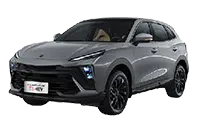 T5 HEV
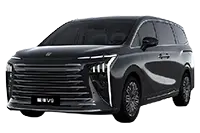 V9
V9 UTOUR (M4)
 M5 EV
M5 EV M5
M5 Lingzhi Plus
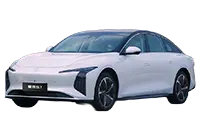 S7
S7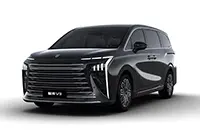 V9 HEV
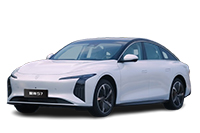 S7
S7 6X4 H7 Tractor
 6X4 H5 Tractor
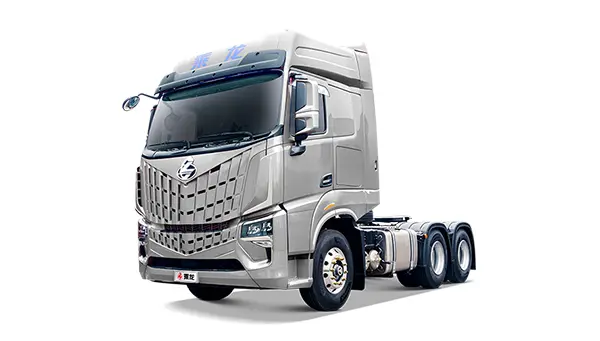 6X4 HK Tractor
 4X2 H7 Tractor
 4X2 H5Tractor
 4X2 H5 Cargo Truck
 4X2 M3 Cargo Truck
 4X2 L2 Cargo Truck
 6X4 H7 Dump Truck
 6X4 H5 Dump Truck
 4X2 H5 Dump Truck
 4X2 M3 Dump Truck
 Light Truck L2
 Light Truck L2 EV
 H7 Refrigeratior Truck
 H5 Mixer Truck
 M3 Tank Truck
 M3 Sanitation Truck
 6X4 H7 Electric Truck
 4X2 H5V Electric Truck
 4X2 L2 Electric Truck