How to Choose the Best Hybrid Trucks for Your Business Needs?
In the ever-evolving landscape of commercial transportation, hybrid trucks have gained significant traction. Industry expert John Smith, a renowned figure in automotive innovation, once stated, "Choosing the right hybrid truck can make or break your business." As businesses seek to balance efficiency and sustainability, understanding the nuances of hybrid trucks becomes paramount.
Hybrid trucks offer a blend of power and eco-friendliness, appealing to businesses aiming for lower emissions. However, not all hybrid trucks are created equal. Factors such as weight capacity, fuel efficiency, and maintenance costs often dictate which model best suits your needs. Many companies find themselves overwhelmed by options, leading to hasty decisions that may hinder operational efficiency.
When selecting the right hybrid truck, it's essential to assess specific business demands. Reflecting on real-world experiences can illuminate emerging trends and potential pitfalls. An informed choice can lead to long-term savings and a smaller carbon footprint. Thus, the journey to selecting the best hybrid truck requires thoughtful consideration and expert advice.

Understanding Hybrid Trucks and Their Benefits for Businesses
Hybrid trucks are gaining popularity among businesses due to their fuel efficiency and lower emissions. Understanding their benefits can help you make an informed choice. These trucks combine traditional engines with electric power, enhancing performance while reducing overall fuel costs. Their ability to operate in eco-friendly modes can improve your company's reputation.
When selecting a hybrid truck, consider your specific needs. Evaluate the payload capacity and towing capabilities essential for your operations. Analyze the range of hybrid trucks available. Some may excel in urban driving, while others are better suited for long-distance haulage.
**Tip:** Always test drive multiple models. This will give you a feel for their handling and performance.
Another aspect to consider is maintenance. Hybrid trucks may require different servicing compared to conventional ones. Understanding the maintenance schedule can save you time and money.
**Tip:** Consult with a fleet management expert. They can provide insights on potential issues and long-term costs.
In conclusion, choosing the best hybrid truck involves assessing your business needs and understanding the advantages these vehicles offer. Engaging with reliable industry professionals can further enhance your decision-making process.
How to Choose the Best Hybrid Trucks for Your Business Needs
| Truck Model |
Payload Capacity (lbs) |
Fuel Efficiency (MPG) |
Towing Capacity (lbs) |
Starting Price ($) |
Warranty (Years/Miles) |
| Model A |
1,500 |
25 |
5,000 |
38,000 |
5/60,000 |
| Model B |
1,800 |
24 |
6,500 |
42,000 |
5/70,000 |
| Model C |
2,000 |
22 |
8,000 |
45,000 |
6/75,000 |
| Model D |
1,600 |
26 |
7,000 |
40,000 |
5/65,000 |
Key Considerations When Selecting Hybrid Trucks for Your Fleet
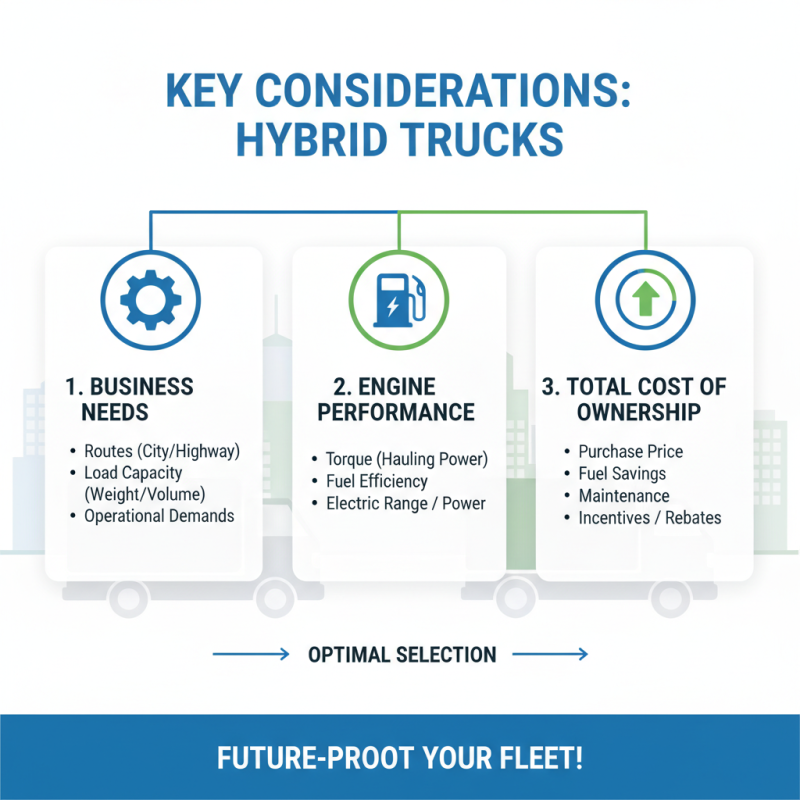
When selecting hybrid trucks for your fleet, several key considerations come into play. Assessing your business needs is crucial. Think about your typical routes and load capacities. Do you require more torque for heavier hauling? Understanding the engine performance is essential for efficiency. A hybrid truck may excel in fuel savings but must suit your operational demands.
Cost is another vital factor. While hybrid trucks often have higher initial costs, their long-term savings on fuel can offset this. Look into maintenance expenses and potential downtime, as these can impact your bottom line. Research reliability ratings and customer reviews. This will provide insight into the vehicle's performance over time.
Lastly, assess the available technology in the truck. Many hybrids offer advanced features to enhance safety and connectivity. Evaluate how these technologies integrate with your current fleet management systems. Test drive options are invaluable. Feeling the handling can clarify if a truck meets your standards. With careful thought and planning, you can choose a hybrid truck that aligns well with your business goals.
Comparing Hybrid Trucks: Features, Performance, and Costs
Choosing a hybrid truck involves looking closely at features, performance, and costs. These factors weigh heavily on your decision-making process. For instance, hybrid trucks often promise better fuel efficiency. However, this can vary greatly depending on the model and driving conditions. Researching different engine specifications and battery types can help clarify your options. A robust understanding of your needs is essential.
When comparing performance, consider payload capacity and towing ability. Hybrid trucks may not always match traditional trucks in power. Ensure the truck can handle your business demands without compromising on efficiency. Some models include advanced tech features like regenerative braking. This can enhance energy efficiency but might require a learning curve.
Tip: Evaluate total cost of ownership, not just the purchase price. This includes maintenance, insurance, and fuel savings.
Some hybrid trucks may have limited cargo space due to battery placement. Reflect on how this fits your operational needs. Each business is unique, and one size rarely fits all.
Tip: Test drive multiple models to get a feel for handling and comfort. This experience will help you assess if a truck meets your expectations. Always compare specifications diligently to avoid overlooking potential issues.
Evaluating Environmental Impact and Fuel Efficiency of Hybrid Trucks
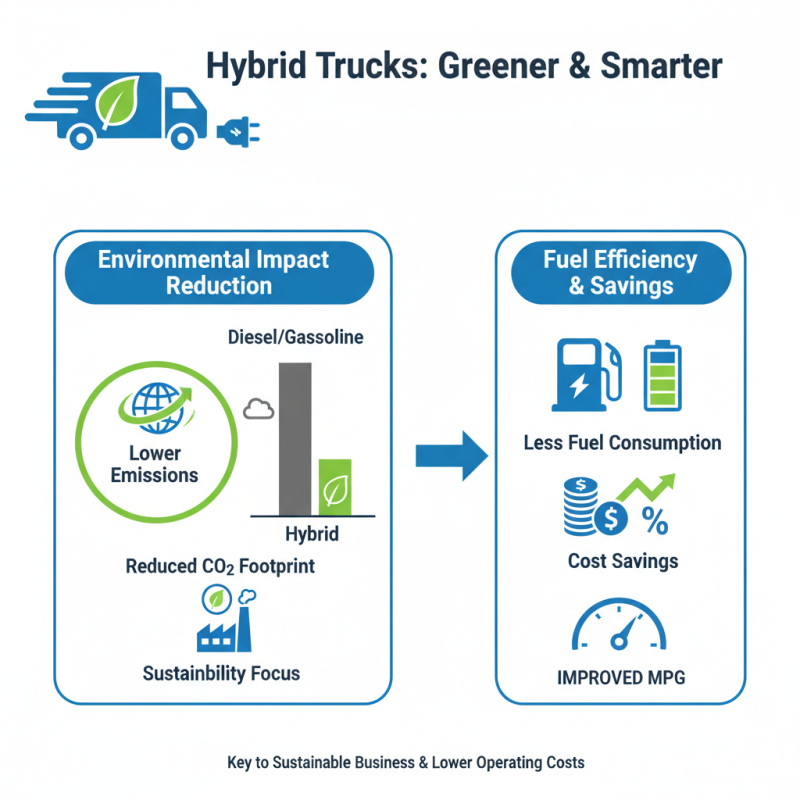
The environmental impact of hybrid trucks is a crucial factor for businesses. These vehicles combine traditional gasoline engines with electric propulsion, reducing overall emissions. As businesses focus on sustainability, evaluating CO2 emissions becomes essential. Hybrid trucks can contribute to lowering a fleet's carbon footprint significantly.
When it comes to fuel efficiency, hybrid trucks often outperform their conventional counterparts. They use less fuel, leading to lower operating costs. However, the initial investment might be higher. Businesses must weigh the long-term savings against upfront costs. Additionally, charging infrastructure can be a limiting factor in some areas.
Choosing the right hybrid truck is not a simple task. A thorough analysis of operational needs is vital. Sometimes, the specified hybrid trucks may not align perfectly with specific requirements. It's crucial to consider factors such as maintenance costs and vehicle range. Engaging with professionals who can provide insights on these hybrid models can aid in making informed decisions. Every business's needs are unique, requiring careful consideration and flexibility in choices.
Financing Options and Incentives for Purchasing Hybrid Trucks
When considering hybrid trucks for your business, financing options are crucial. Businesses often hesitate due to upfront costs. However, various incentives can significantly reduce financial burdens. The U.S. federal tax credit for hybrid vehicles can go up to $7,500. This is a notable advantage for businesses aiming to invest in sustainable technology. According to a 2023 report by the Electric Vehicle Association, companies that leverage these incentives can recover up to 30% of their investment within the first year.
Many states also offer additional incentives. For instance, specific rebates tailor-made for hybrid truck purchases can enhance your savings. A study by the Clean Vehicle Program indicates that businesses utilizing these incentives save an average of $4,000 on their hybrid truck purchases. However, it's essential to assess your local regulations. Not all incentives are uniformly available, and some may have specific requirements. Confusion in understanding these options can lead to missed opportunities, making thorough research critical.
Funding solutions extend beyond incentives. Many financial institutions offer attractive financing plans for hybrid vehicles. Competitive interest rates and flexible payment terms are often available. However, it is vital to read the fine print. Many plans come with hidden fees or penalties. Understanding the total cost of ownership is crucial for a wise decision. Businesses should consult financial experts to navigate complex funding avenues effectively.
Fuel Efficiency of Hybrid Trucks by Payload Capacity

 T5EVO
T5EVO T5L
T5L T5
T5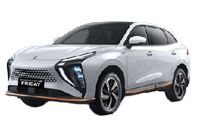 Friday
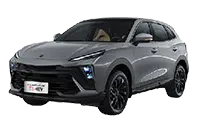 T5 HEV
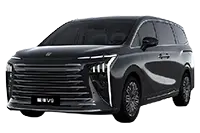 V9
V9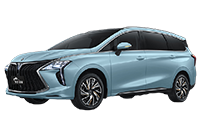 UTOUR (M4)
 M5 EV
M5 EV M5
M5 Lingzhi Plus
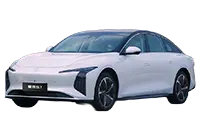 S7
S7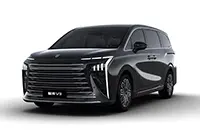 V9 HEV
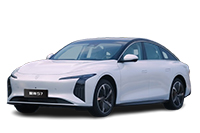 S7
S7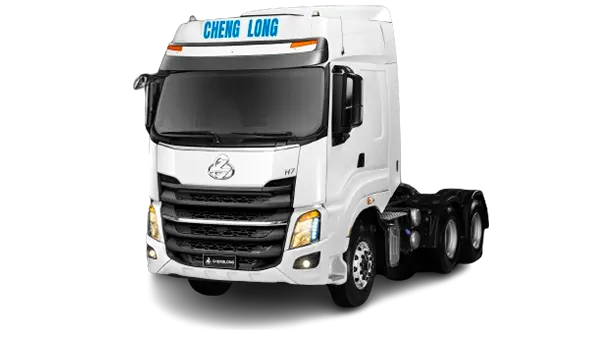 6X4 H7 Tractor
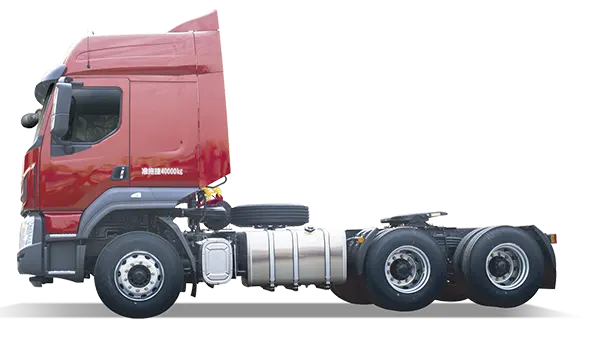 6X4 H5 Tractor
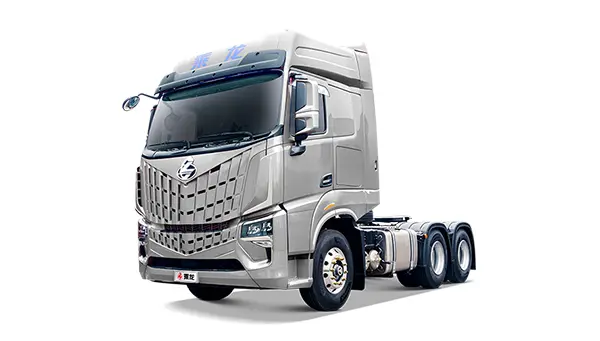 6X4 HK Tractor
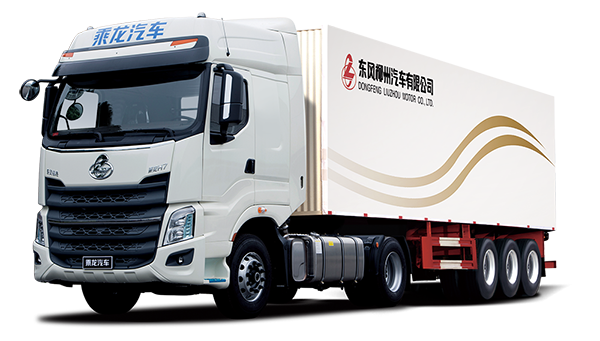 4X2 H7 Tractor
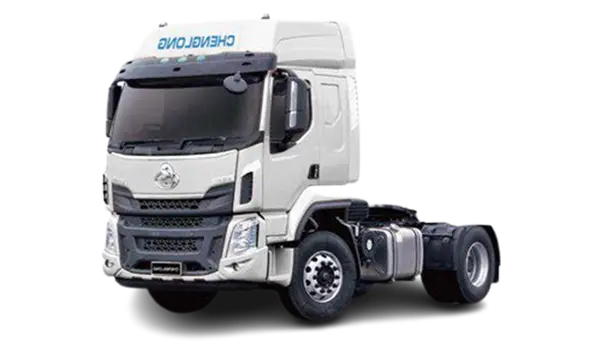 4X2 H5Tractor
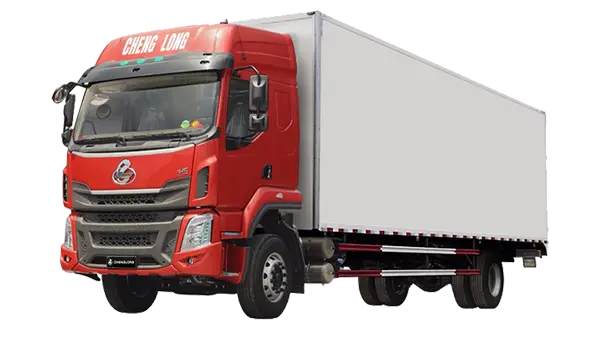 4X2 H5 Cargo Truck
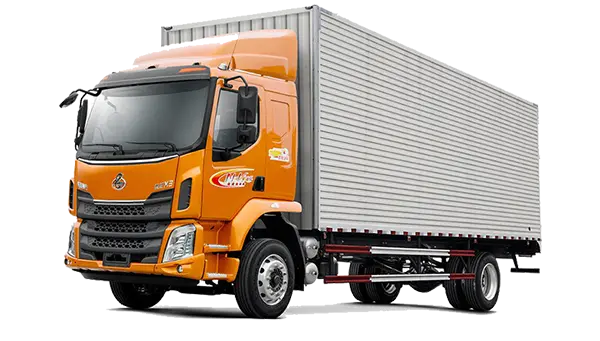 4X2 M3 Cargo Truck
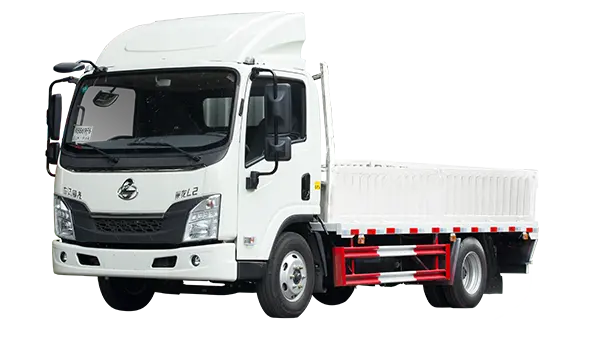 4X2 L2 Cargo Truck
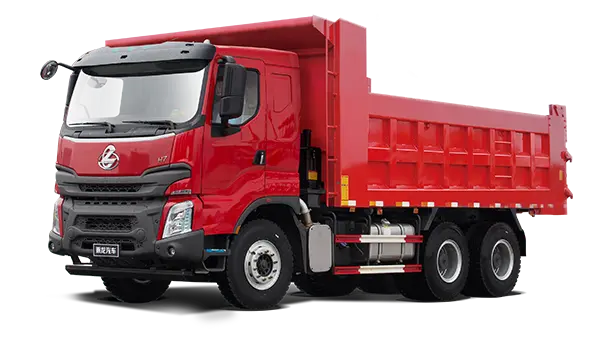 6X4 H7 Dump Truck
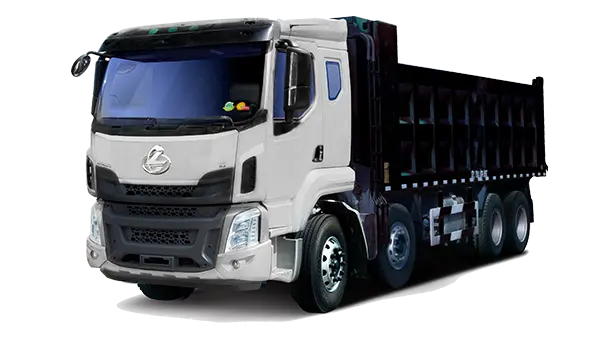 6X4 H5 Dump Truck
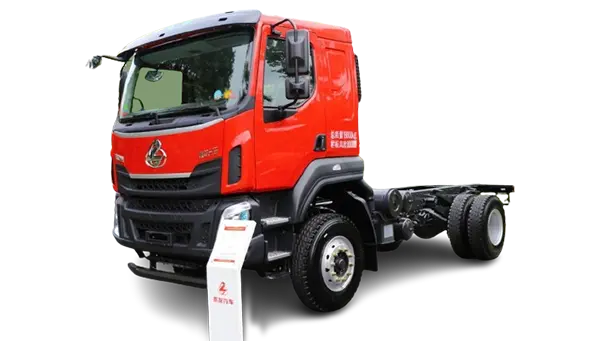 4X2 H5 Dump Truck
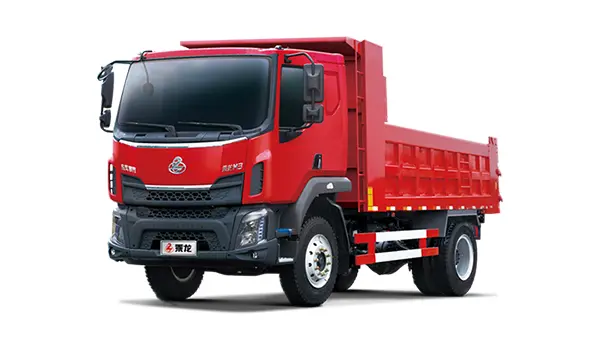 4X2 M3 Dump Truck
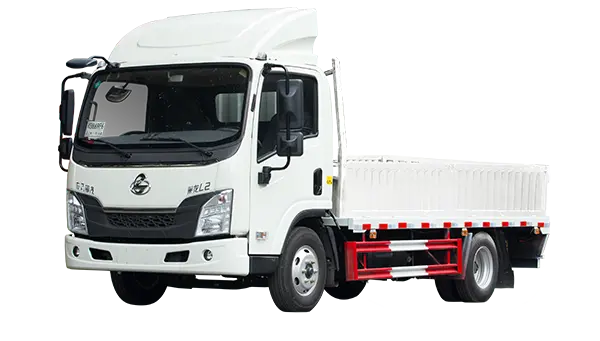 Light Truck L2
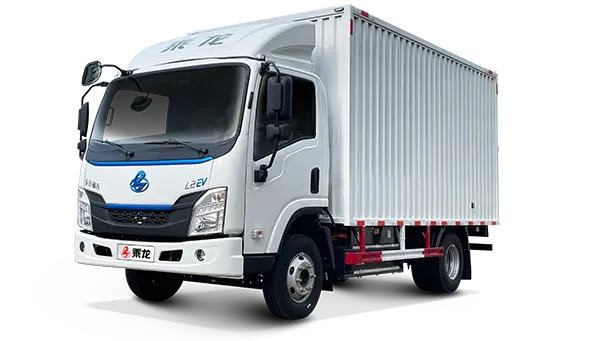 Light Truck L2 EV
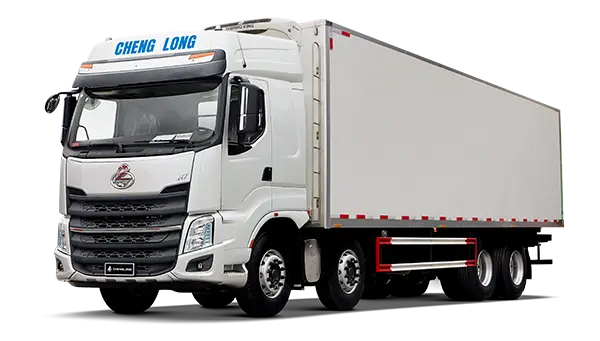 H7 Refrigeratior Truck
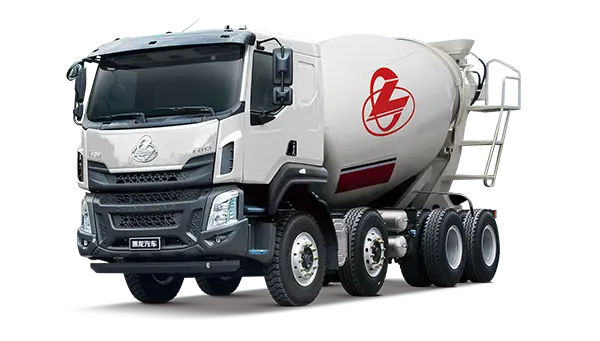 H5 Mixer Truck
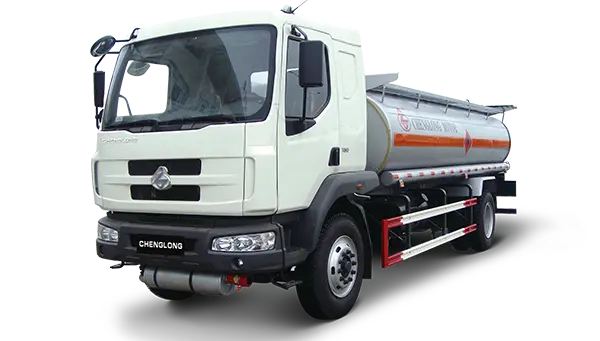 M3 Tank Truck
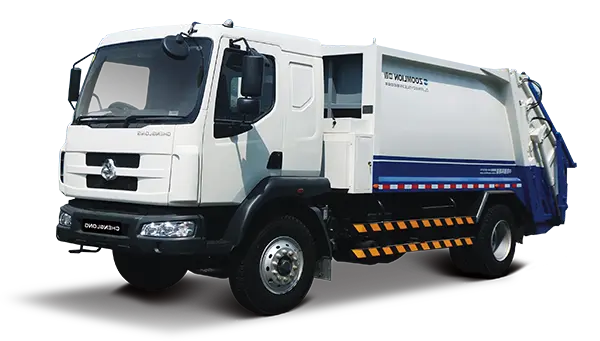 M3 Sanitation Truck
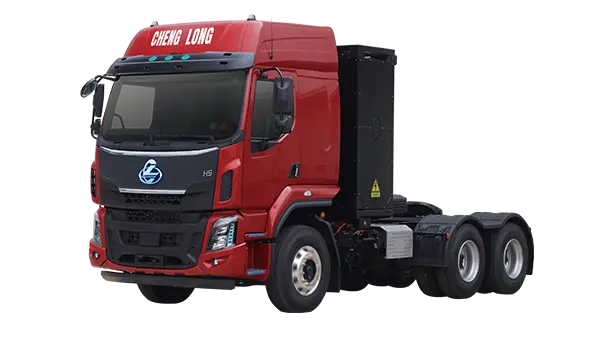 6X4 H7 Electric Truck
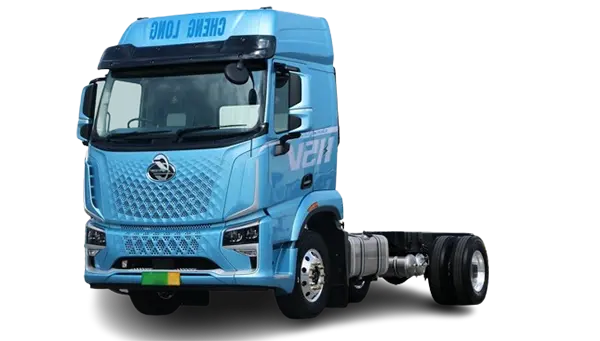 4X2 H5V Electric Truck
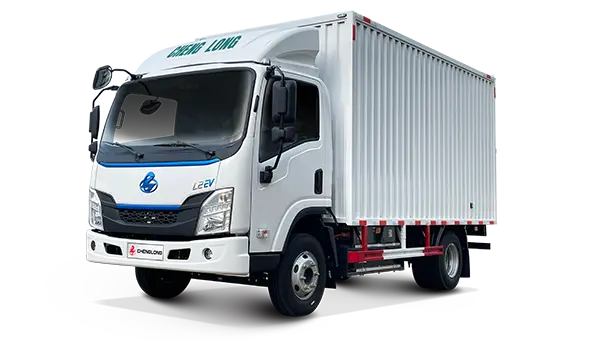 4X2 L2 Electric Truck