2026 How to Choose the Best Electric Truck for Your Business?
Electric trucks are rapidly transforming the transportation landscape for businesses. As more companies seek sustainable solutions, understanding how to select the right electric truck is crucial. With advancements in technology, the market now offers various models tailored for different needs. Each electric truck presents unique benefits and challenges that must be carefully assessed.
Choosing the best electric truck involves evaluating factors like range, payload capacity, and charging infrastructure. Many businesses overlook the importance of these elements. Budget constraints are another key aspect to consider. Investing in an electric truck is a significant decision that requires weighing initial costs against long-term savings. Reliability in performance also plays a vital role in ensuring daily operations run smoothly.
It's essential for business owners to stay informed about the latest trends and innovations in the electric truck sector. Continuous learning is needed to adapt to changes in available options. Engaging with experts and existing users can provide invaluable insights. Knowing where to start, however, can be overwhelming. This journey demands a thorough analysis and careful reflection on what best fits your business needs.
Understanding the Different Types of Electric Trucks Available
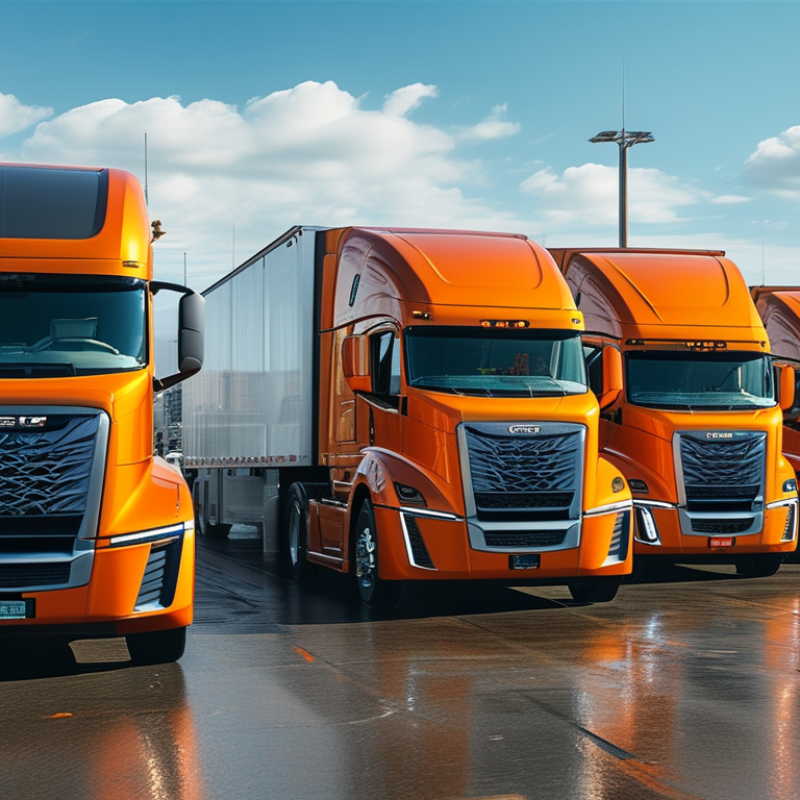
When choosing an electric truck for your business, it's crucial to understand the different types available. Electric trucks vary in size, range, and specifications. You might consider light-duty, medium-duty, or heavy-duty models based on your needs. Light-duty trucks are typically used for urban deliveries and short hauls. These vehicles often have a range suitable for daily tasks but may struggle with longer routes.
Medium-duty trucks fill the gap for businesses requiring more power and capacity. They are designed to handle larger loads over moderate distances. Heavy-duty trucks, on the other hand, are essential for those needing maximum payload capabilities. Choosing the right type is a balancing act between capacity, range, and cost.
Tips: Assess the typical routes and loads your business handles. Consider how climate impacts battery life and range. Take note of maintenance costs and available charging infrastructure in your area. Each truck type offers unique benefits and limitations; knowing them helps you make informed decisions. Electric truck technology is ever-evolving, so staying updated is vital. Your choice should reflect both current needs and future planning.
Electric Truck Types and Their Weight Capacities
Evaluating Your Business Needs and Operational Requirements
When evaluating your business needs, start by assessing your current logistics. Consider your daily routes and delivery volumes. This information helps identify the right electric truck specifications. Trucks vary in battery capacity, range, and payload. Matching these to your operations is crucial.
Next, think about charging infrastructure. Do you have access to charging stations? Will you need to install new ones? The practicality of charging solutions greatly impacts your operations. Additionally, consider your team’s adaptability. Are your drivers prepared for the transition to electric? Training might be necessary.
Finally, reflect on your long-term goals. Do you plan to expand? If so, ensure that the electric truck you choose can grow with your business. Be open to adjusting your fleet as your needs evolve. Flexibility now can save time and resources later.
Analyzing Range, Payload Capacity, and Performance Metrics
When choosing the best electric truck for your business, analyzing metrics like range, payload capacity, and performance is crucial. According to recent industry reports, the average electric truck can achieve a range of 200 to 300 miles on a single charge. However, this can vary based on usage and load. In urban settings, shorter trips may allow for more efficient battery usage, while long-haul applications will require a focus on higher range capabilities.
Payload capacity is another essential factor. Many electric trucks can handle between 1,500 to 6,000 pounds, depending on their design. Businesses need to consider their average load requirements carefully. If your typical cargo exceeds these limits, you might face performance issues. A report from the Electric Vehicle Association highlighted that 42% of potential buyers are concerned about insufficient payload capacity. It’s vital to align these specs with your operational needs.
Performance metrics also play a significant role. Acceleration, brake responsiveness, and handling can vary widely among models. High-performance electric trucks can go from 0 to 60 mph in under 6 seconds. However, these impressive figures may come with trade-offs in range or payload. Each business will need to weigh these elements based on their priorities. Some companies might prioritize speed, while others value lower operational costs. The right choice depends on careful analysis of these performance metrics.
Considering Total Cost of Ownership and Maintenance Factors
When selecting an electric truck, total cost of ownership is crucial. This includes purchase price, insurance, and financing. Fuel savings can be significant, but consider the electricity costs in your area. Maintenance is another critical factor. Electric trucks typically require less maintenance than traditional trucks. However, specialized repairs can be expensive if your mechanic lacks expertise.
Examine potential downtime. Electric trucks depend on charging infrastructure. If your routes don’t align with available charging stations, efficiency suffers. Analyze these elements carefully to understand the real costs. Training your team might also be essential, as operating electric vehicles requires different skills.
Some businesses might hesitate due to initial costs. The return on investment can vary based on usage and local incentives. Weigh these factors comprehensively. Over time, the operational savings can outweigh the upfront costs, especially with proper planning. Balancing investment and sustainability is a challenging but necessary task for future-focused companies.
Researching Incentives and Regulations for Electric Trucks in 2026
In 2026, companies must be aware of the evolving landscape surrounding electric trucks. Regulations will likely vary significantly based on regions. Understanding local rules is crucial for compliance. Some municipalities may offer incentives for electric vehicle adoption, making research essential. These incentives can reduce upfront costs, helping businesses make informed decisions.
Charging infrastructure remains a concern. Not all areas have sufficient facilities for electric trucks. Businesses should analyze accessible charging stations in their operations zones. This factor can influence your electric truck choice. Always consider the operational range of these vehicles. If the range is inadequate, it may lead to delays and increased operational costs.
Preparing for potential pitfalls is also critical. Not all electric truck models are created equal. Some may underperform in demanding conditions. Companies need to evaluate real-world performance, not just manufacturer claims. Take time to seek out reviews and user experiences. This approach will ensure you make a reliable choice for your business needs.
2026 How to Choose the Best Electric Truck for Your Business?
| Category |
Incentive Type |
Potential Savings |
Regulatory Requirements |
Charging Infrastructure Needs |
| Light-Duty Trucks |
Federal Tax Credit |
Up to $7,500 |
Emission Standards Compliance |
Minimal - Standard Home Charger |
| Medium-Duty Trucks |
State Rebates |
Varies by State ($5,000 - $15,000) |
Weight Limit Regulations |
Dedicated Charging Stations Required |
| Heavy-Duty Trucks |
Grant Programs |
Up to $40,000 |
Advanced Emission Controls |
High Capacity Charging Facilities Needed |
| Urban Delivery Trucks |
Local Incentives |
Up to $10,000 |
Zoning Regulations for Charging |
On-street Charging Options Available |

 T5EVO
T5EVO T5L
T5L T5
T5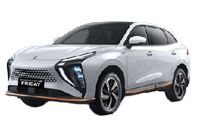 Friday
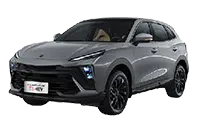 T5 HEV
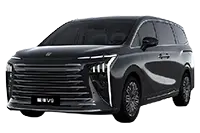 V9
V9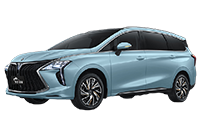 UTOUR (M4)
 M5 EV
M5 EV M5
M5 Lingzhi Plus
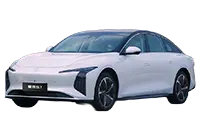 S7
S7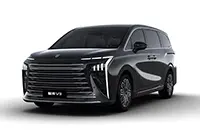 V9 HEV
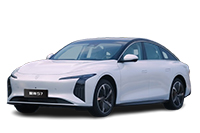 S7
S7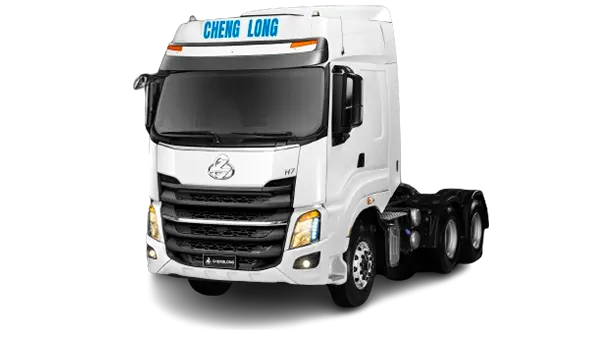 6X4 H7 Tractor
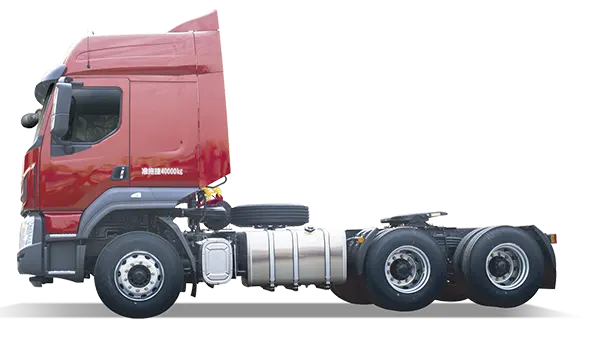 6X4 H5 Tractor
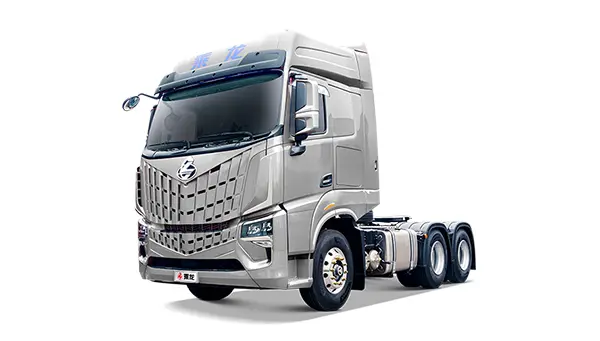 6X4 HK Tractor
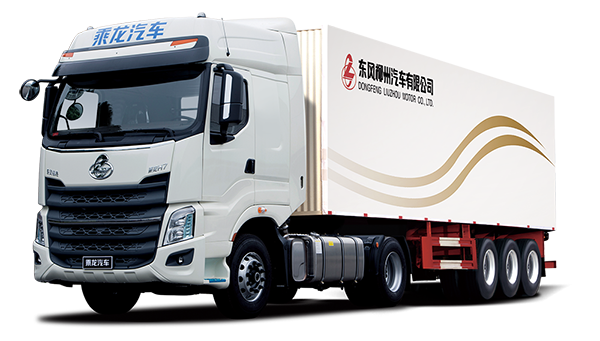 4X2 H7 Tractor
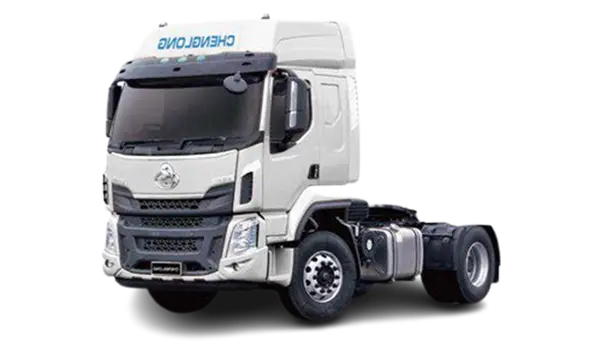 4X2 H5Tractor
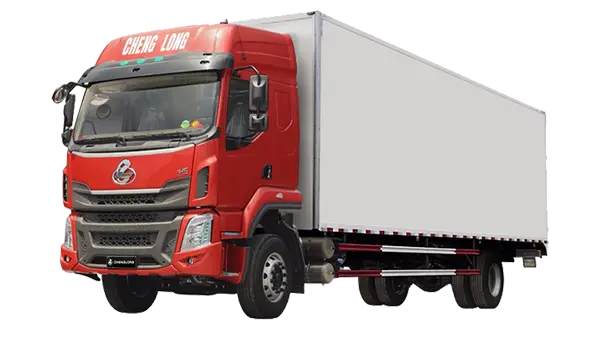 4X2 H5 Cargo Truck
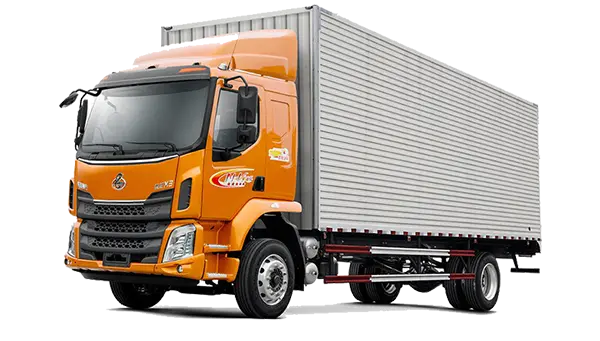 4X2 M3 Cargo Truck
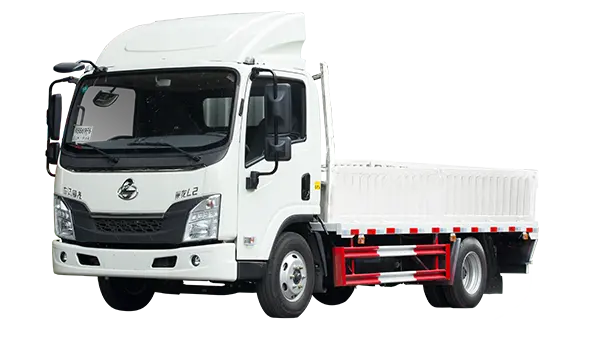 4X2 L2 Cargo Truck
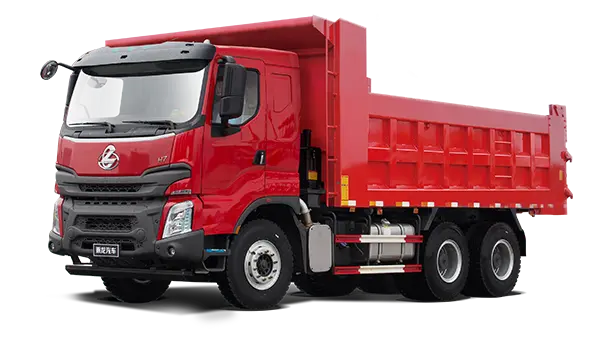 6X4 H7 Dump Truck
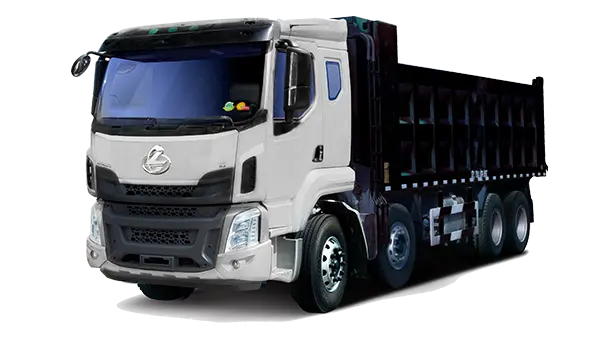 6X4 H5 Dump Truck
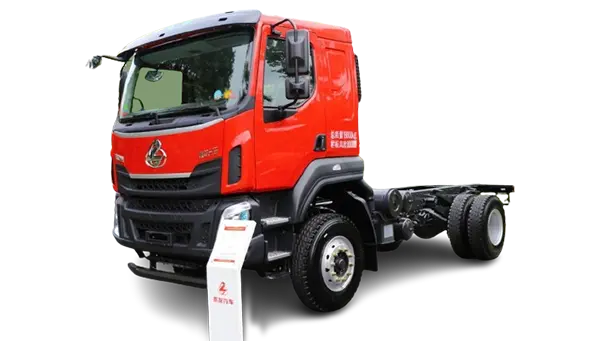 4X2 H5 Dump Truck
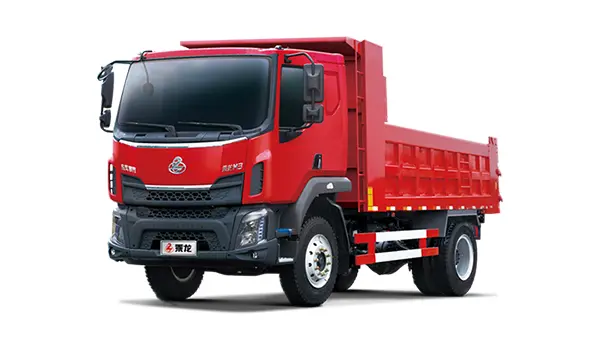 4X2 M3 Dump Truck
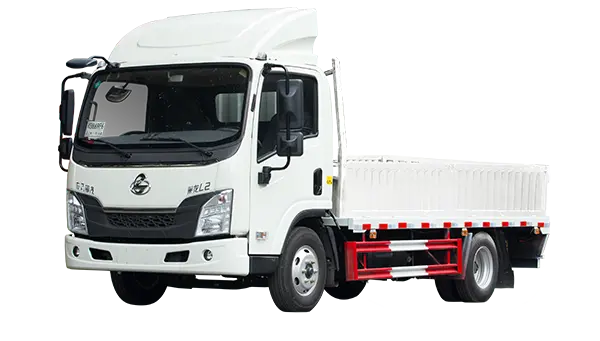 Light Truck L2
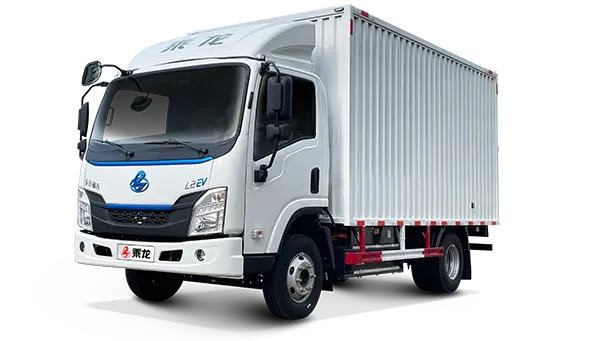 Light Truck L2 EV
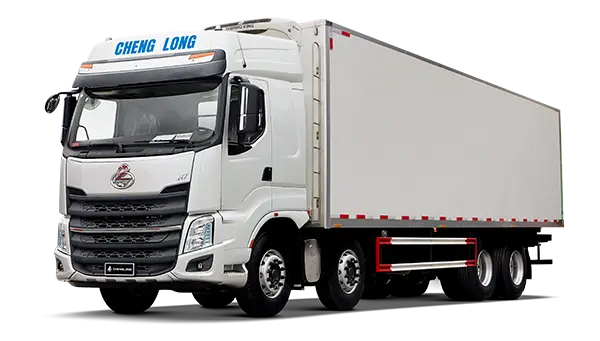 H7 Refrigeratior Truck
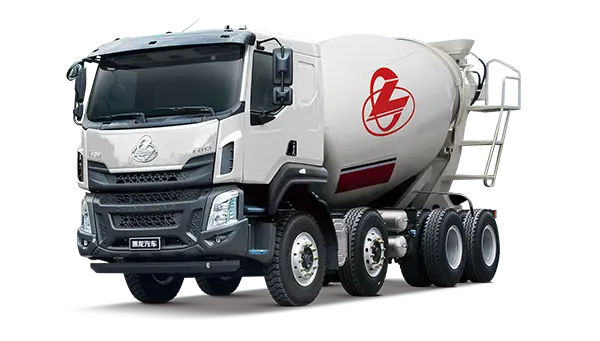 H5 Mixer Truck
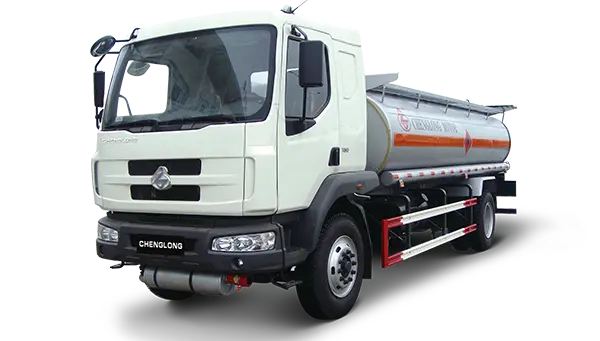 M3 Tank Truck
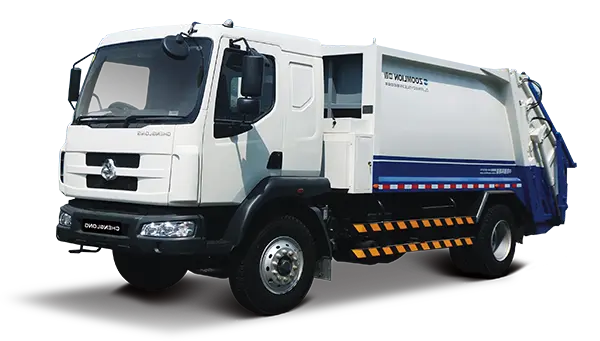 M3 Sanitation Truck
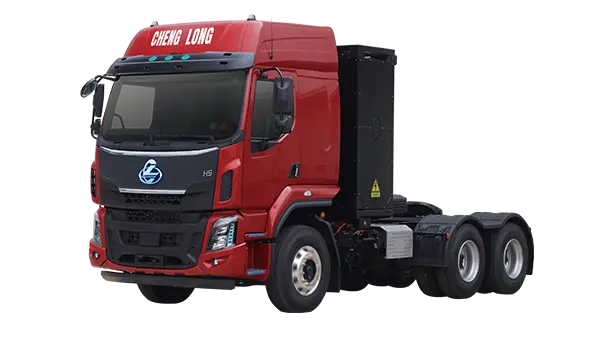 6X4 H7 Electric Truck
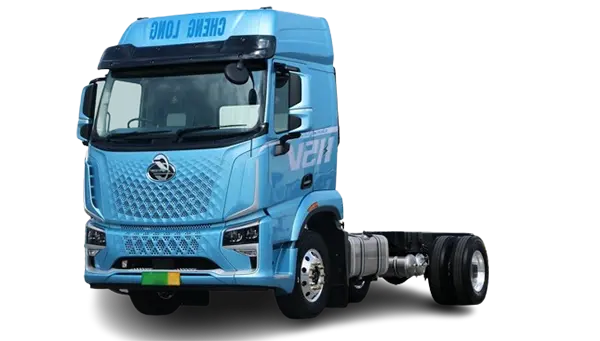 4X2 H5V Electric Truck
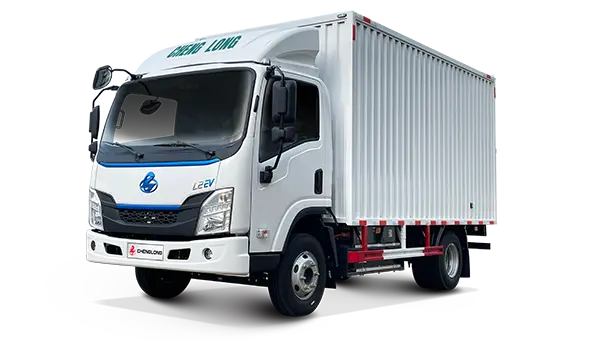 4X2 L2 Electric Truck