Why Choose Hybrid Automatic Cars for Your Fleet?
Hybrid Automatic Cars can make fleet operations smoother without demanding a complete shift to charging infrastructure. Their electric motors assist the engine during acceleration, while regenerative braking recovers energy in stop-and-go traffic. Drivers still refuel as usual. That simplicity matters when vehicles cover several routes, carry different loads, and return to busy depots each evening.
The U.S. Department of Energy’s Alternative Fuels Data Center reports that hybrids typically achieve 20% to 35% better fuel economy than comparable conventional vehicles. The U.S. Environmental Protection Agency’s 2024 Automotive Trends Report estimated average fuel economy for new 2023-model-year vehicles at 27.1 miles per gallon. These figures offer useful context, not a guaranteed fleet saving. Route length, vehicle size, weather, and driving style can change the result. A delivery van idling at the curb is not the same as a sedan cruising across town.
Toyota chairman Akio Toyoda, a prominent advocate of hybrid powertrains, said in 2022, “The enemy is carbon, not internal combustion engines.” His comment captures why hybrids remain part of many manufacturers’ transition strategies. For fleet managers, the practical question is more specific: will lower fuel use offset purchase price, maintenance, and replacement costs? Run a pilot. Track fuel receipts, downtime, and driver feedback across comparable routes. Then compare real operating data, not just brochure figures. Some results may disappoint. That is worth knowing before the whole fleet changes.
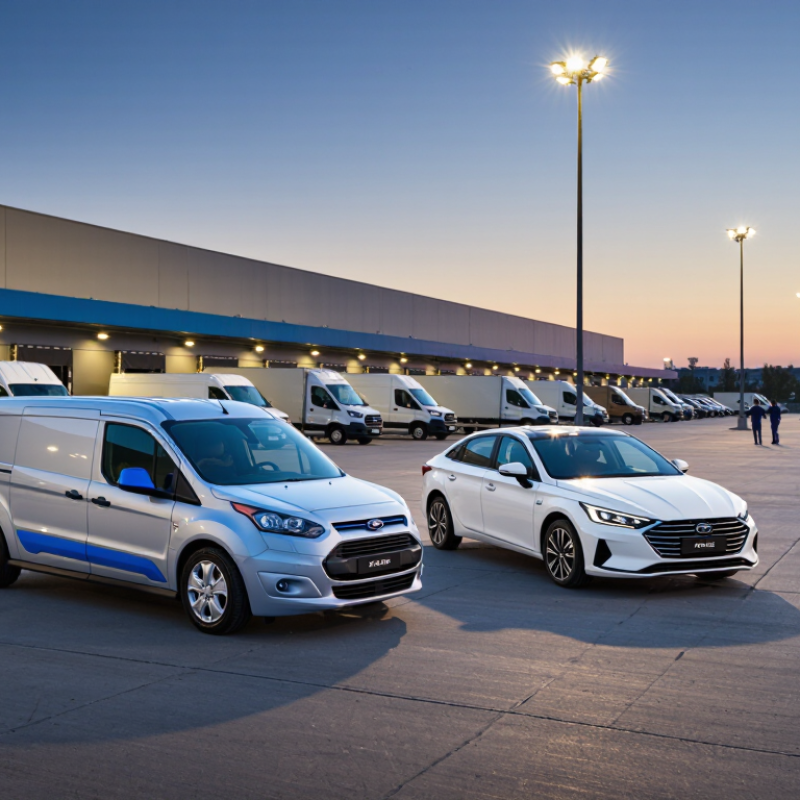
How Hybrid Automatic Cars Work in Fleet Operations
How Hybrid Automatic Cars Work in Fleet Operations
Hybrid automatic cars combine a combustion engine, an electric motor, a battery, and an automatic transmission. The vehicle’s control system selects how these parts share the work. Drivers do not need to change gears manually.
At low speeds, the electric motor may move the car using stored battery power. During acceleration, the motor and engine can work together. When the driver slows down, regenerative braking recovers some energy and stores it in the battery. The engine may also recharge the battery when needed. The exact pattern depends on speed, temperature, battery charge, and vehicle load. That sounds neat, but it is not magic. A full load, cold starts, or long highway runs can change fuel use, so fleet results vary.
Tips: Match vehicles to actual routes, not assumptions. Stop-and-go urban work may make better use of regenerative braking than steady high-speed travel. Track fuel use, mileage, and idle time across several weeks. Check tire pressure and schedule routine maintenance. A dashboard estimate is useful, but it is not the whole story. Teams should compare real operating records before changing fleet plans.
Why Choose Hybrid Automatic Cars for Your Fleet?
EPA fuel-economy ratings for one 2024 hybrid passenger car, with the model name omitted. Actual fleet fuel economy varies with vehicle, route, load, weather, and driving style.
Hybrid automatics combine an engine and an electric motor. The motor can assist during acceleration, while regenerative braking recovers some energy as the vehicle slows. This can be especially useful on routes with frequent stops, though these ratings are not a fleet-wide guarantee.
Source: U.S. EPA, FuelEconomy.gov. Ratings shown are for one 2024 hybrid passenger car; model omitted.
Key Fleet Needs Addressed by Hybrid Automatic Cars
Fleet managers need predictable running costs, dependable availability, and vehicles suited to changing routes. Hybrid automatic cars pair an electric motor with a petrol engine and automatic transmission. In stop-start city traffic, regenerative braking can recover some energy during deceleration. The automatic gearbox also removes frequent clutch work, which may ease fatigue on delivery rounds and service visits. Small gains matter.
The right fit depends on the duty cycle, not just published fuel figures. A car used for short urban trips may benefit more than one covering steady motorway miles. Fuel use can still rise with heavy loads, cold starts, fast driving, or poor maintenance. Hybrid systems also add components, so compare service schedules, warranty terms, payload, and replacement plans before ordering. There is no universal winner. A small pilot can reveal whether real-world running costs match expectations.
Tips: Match vehicle size to daily cargo, and map typical routes before selection. Ask drivers to record fuel use, idle time, and route conditions for several weeks. Pilot first.
Fuel Use and Operating Costs Across a Fleet
Fuel use is often the clearest place to compare hybrid automatic cars across a fleet. In stop-and-go traffic, the electric motor can support the petrol engine during repeated starts and low-speed driving. That may reduce fuel use, but results depend on route length, traffic, weather, and vehicle load. Routes matter. A van carrying tools all day will not behave like a lightly loaded pool car.
Operating costs include more than fuel. A hybrid may have a higher purchase price, so compare that difference with realistic fuel savings over the vehicle’s expected service life. Include routine servicing, tyres, downtime, and the cost of keeping a replacement vehicle available. Do not assume every maintenance expense will fall. Small details count. Cold mornings, long motorway trips, and poor driving habits can all change the numbers.
Track fuel purchases and mileage for several months, then compare vehicles doing similar work. That makes the estimate more useful than relying on a single test figure. Our first forecast may still be wrong; fleet routines change, and annual mileage can shift. Not every week. Review the figures regularly, and include both busy periods and quieter months before adjusting purchasing plans.
Environmental and Driver Benefits
Hybrid automatic cars can reduce fuel use on routes filled with traffic lights, loading bays, and slow queues. Regenerative braking captures some energy as the vehicle slows, while the engine may switch off when stopped. Less idling. Fewer fuel stops. The U.S. EPA’s 2024 Automotive Trends Report puts average new-vehicle fuel economy at 27.1 miles per gallon for model year 2023. That is a market-wide figure, not a hybrid-specific result, so it is useful context—not a fleet savings guarantee.
For drivers, automatic operation can make stop-and-go shifts less demanding, and quieter low-speed running may make busy shifts feel calmer. The benefit is practical, not magical. The U.S. Department of Energy and EPA’s FuelEconomy.gov listings allow fleet managers to compare vehicle-specific estimates before choosing a model. Compare vehicles on the same routes, with similar loads, and record actual fuel use; cold weather, short trips, and heavy cargo can change results. A hybrid may also cost more upfront, and some drivers need time to adjust to its braking feel. That deserves attention. A short route trial can reveal issues a specification sheet misses.
Why Choose Hybrid Automatic Cars for Your Fleet? — Environmental and Driver Benefits
| Dimension |
Hybrid automatic |
Potential fleet benefit |
Important context |
| Fuel consumption example |
Illustrative: 5.0 L/100 km |
Against an illustrative conventional-car baseline of 7.0 L/100 km, this is about 28.6% less fuel per kilometre. |
Example only, not a vehicle test result. Actual consumption depends on vehicle, route, load, weather and driving style. |
| Illustrative tailpipe CO₂ |
About 11.6 kg CO₂ per 100 km at 5.0 L/100 km |
About 4.6 kg less per 100 km than the 7.0 L/100 km example; at 20,000 km/year, that is approximately 0.92 tonnes less CO₂ per vehicle. |
Calculated using approximately 2.31 kg CO₂ per litre of petrol. This covers fuel-combustion tailpipe CO₂ only, not lifecycle emissions. |
| Stop-and-go operation |
Can recover some energy during deceleration and may switch off the engine when conditions allow. |
May reduce fuel use during urban routes with frequent slowing and stopping. |
Benefits vary by hybrid system, traffic, temperature and battery state; the engine may still run when needed. |
| Gear changing |
Automatic operation; the driver does not operate a clutch pedal or manually select gears. |
Can make frequent starts, stops and low-speed manoeuvres less demanding for drivers. |
Controls and transmission behaviour differ between vehicle designs. |
| Low-speed driving |
Some hybrids can move using electric power alone in certain conditions. |
Can provide quiet, smooth movement in some low-speed situations. |
Electric-only operation is limited and is not guaranteed at every speed or battery charge level. |
| Fleet suitability |
Best assessed against the fleet’s actual routes, annual distance and payload. |
Route-level fuel records can help identify where a hybrid may deliver meaningful savings. |
Compare like-for-like vehicles and include purchase price, fuel, maintenance and operating requirements. |
Note: Fuel and emissions figures above are transparent illustrative calculations, not universal performance claims. Confirm expected results using the specific vehicle’s official fuel-consumption data and your fleet’s operating conditions.
Factors for Selecting and Managing Hybrid Fleet Vehicles
Choosing hybrid automatic cars starts with the work they actually do. Map a typical week, including distance, traffic, hills, and time spent idling. Frequent stop-and-go routes can make regenerative braking useful, while long, steady highway trips may offer less benefit. Compare fuel use against purchase price, expected mileage, and planned years in service. Check cargo capacity, rear-seat access, and turning space before assigning vehicles. Small details matter. A car that cannot carry a crew’s tools may create extra trips and erase some savings. Our first estimate may be wrong; seasonal routes and changing workloads can shift the numbers.
Once vehicles join the fleet, track fuel use and maintenance by vehicle, not just across the group. Compare similar routes and seasons for a fairer picture. Telematics can help identify excessive idling or uneven usage, but explain what is recorded and why. Drivers also need clear guidance on smooth acceleration, braking, and reporting warning lights. Keep tire pressures and service intervals consistent with the vehicle handbook. Hybrid systems differ, so maintenance tasks should follow each vehicle’s specifications. The transition may feel awkward at first. A driver accustomed to a conventional automatic may need time to trust quieter starts and regenerative braking. Regular feedback can reveal habits or problems that a dashboard number misses.

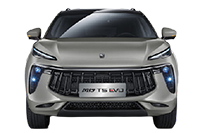 T5EVO
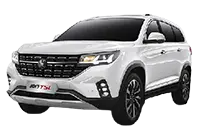 T5L
 T5
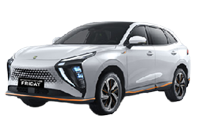 Friday
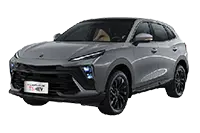 T5 HEV
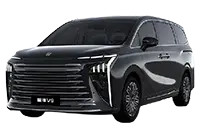 V9
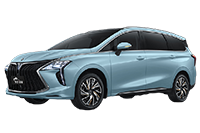 UTOUR (M4)
 M5 EV
 M5
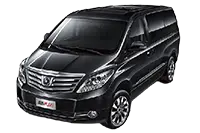 Lingzhi Plus
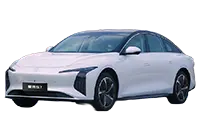 S7
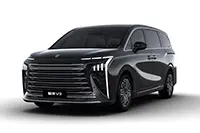 V9 HEV
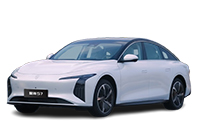 S7
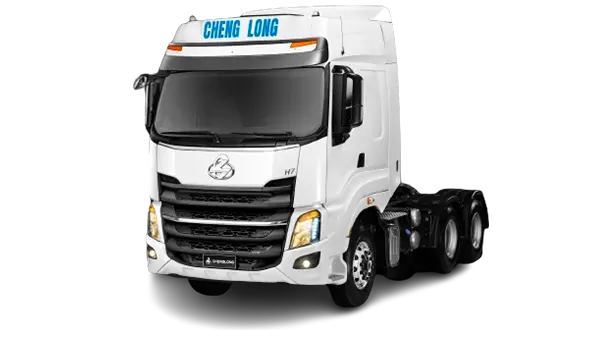 6X4 H7 Tractor
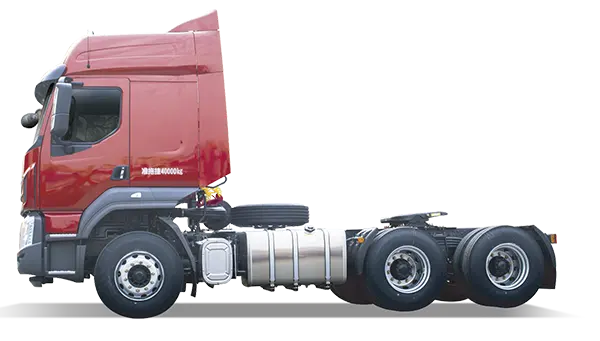 6X4 H5 Tractor
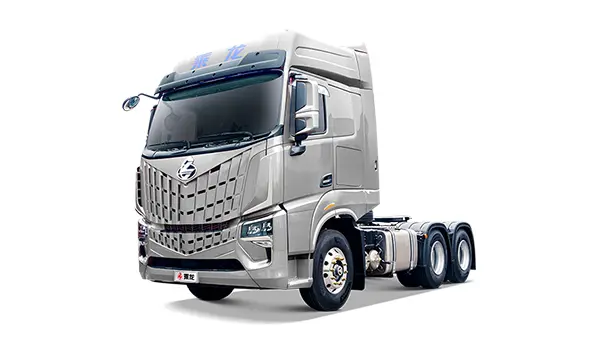 6X4 HK Tractor
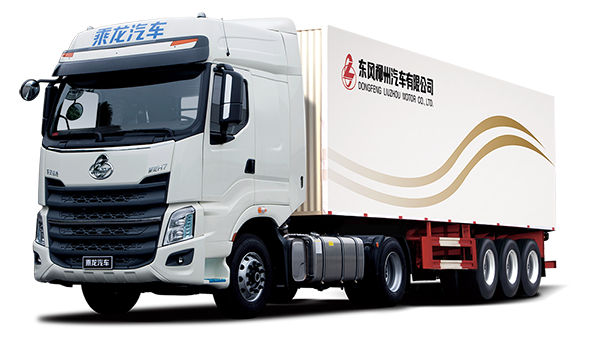 4X2 H7 Tractor
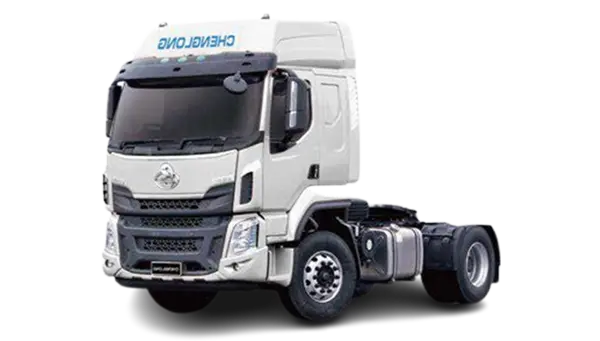 4X2 H5Tractor
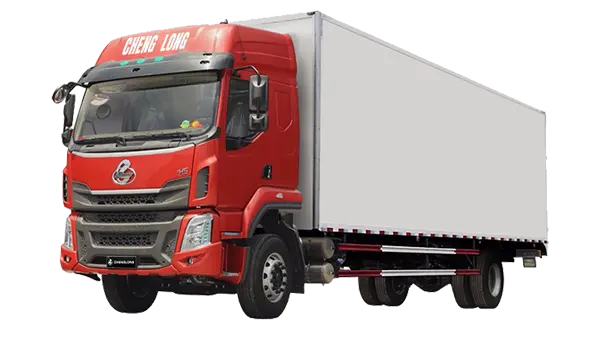 4X2 H5 Cargo Truck
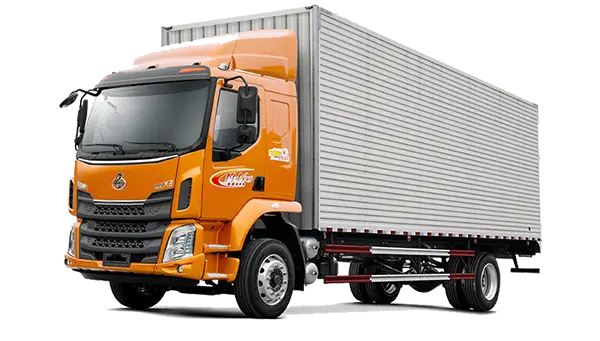 4X2 M3 Cargo Truck
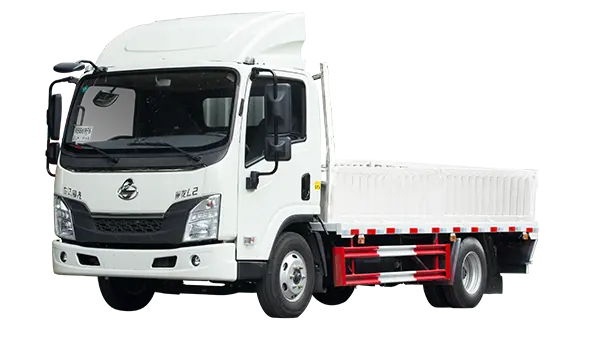 4X2 L2 Cargo Truck
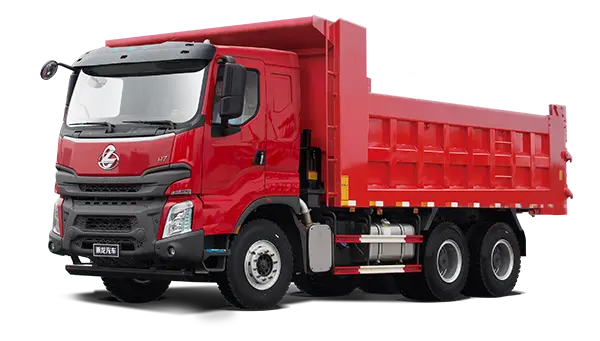 6X4 H7 Dump Truck
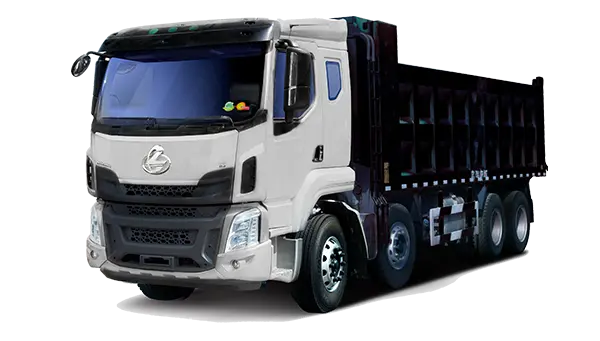 6X4 H5 Dump Truck
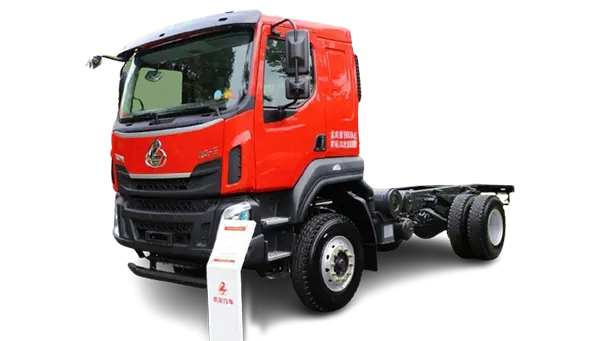 4X2 H5 Dump Truck
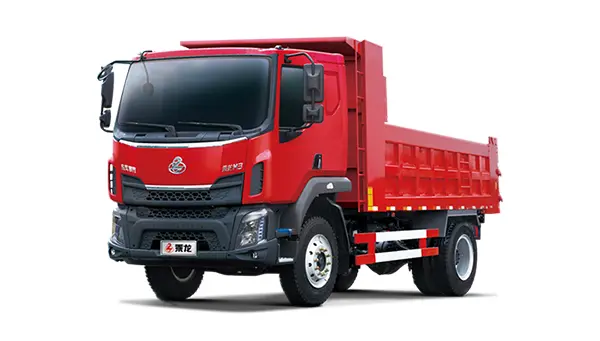 4X2 M3 Dump Truck
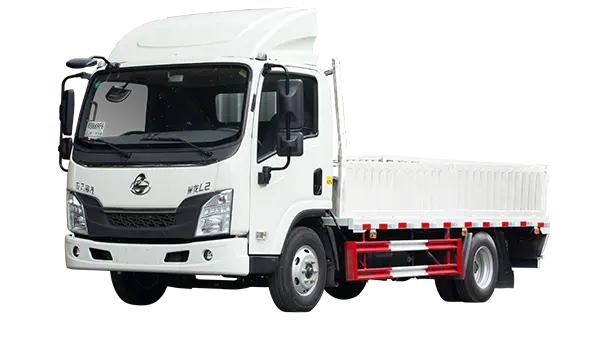 Light Truck L2
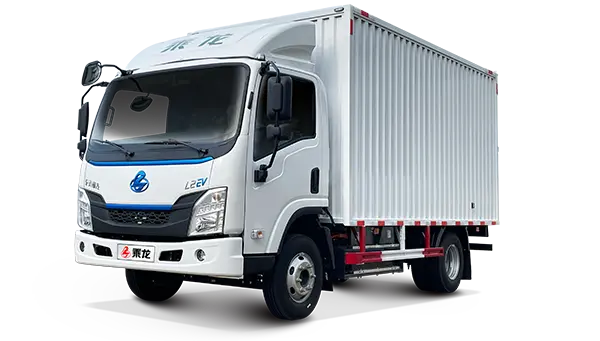 Light Truck L2 EV
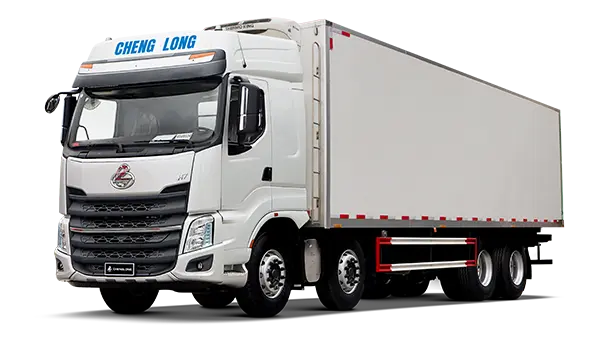 H7 Refrigeratior Truck
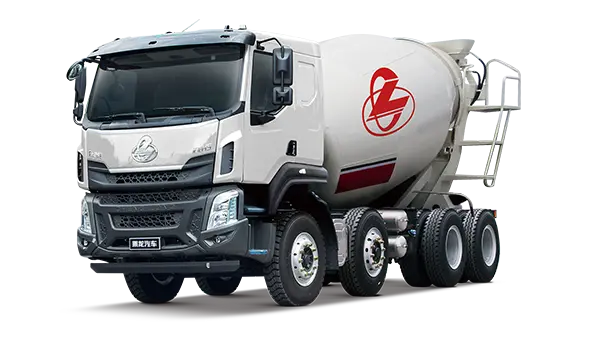 H5 Mixer Truck
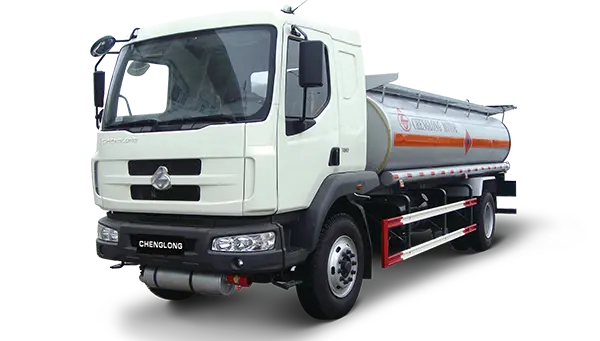 M3 Tank Truck
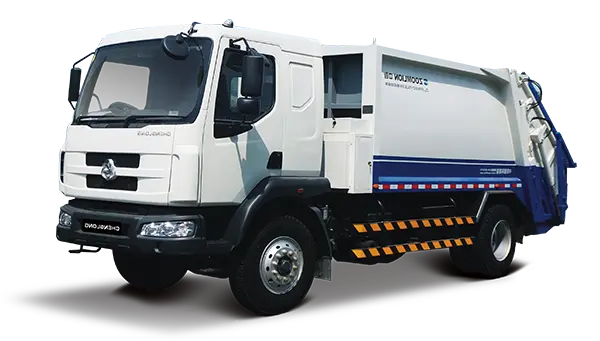 M3 Sanitation Truck
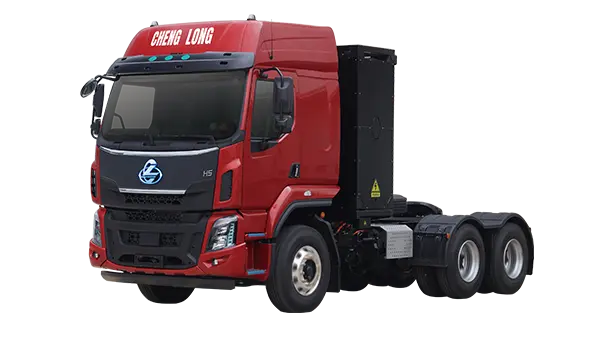 6X4 H7 Electric Truck
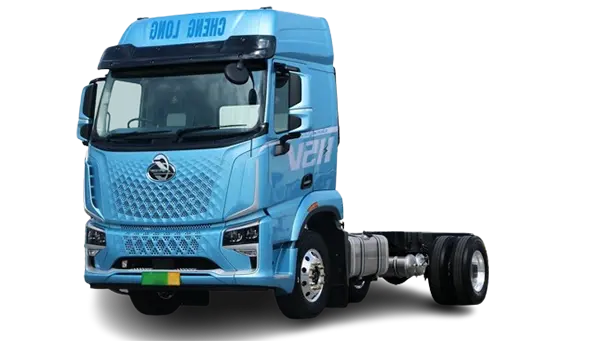 4X2 H5V Electric Truck
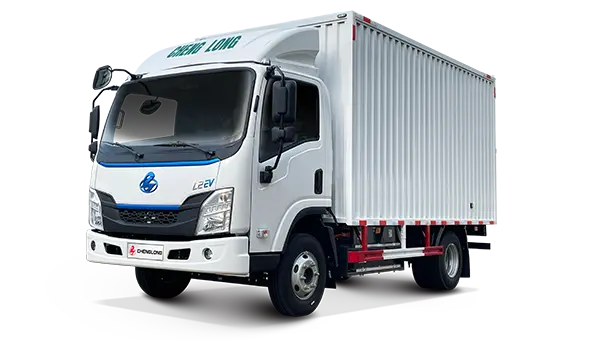 4X2 L2 Electric Truck