China Top 10 Forthing Electric Cars You Should Know About?
The rapid evolution of the electric vehicle market in China has caught global attention. Among the noteworthy players is Forthing Electric Cars, known for its innovative designs and technology. Industry expert, Dr. Li Ming, stated, “Forthing Electric Cars represent the future of sustainable transportation.” His insight reflects the growing importance of eco-friendly vehicles in urban settings.
China's commitment to electric mobility is reshaping transportation. Forthing Electric Cars are at the forefront, combining efficiency with style. Each model showcases impressive range and advanced features, appealing to diverse consumers. The need for sustainable solutions is pressing. Forthing Electric Cars play a crucial role in addressing this issue.
However, challenges remain. The increasing competition in the electric vehicle sector forces Forthing to continuously innovate. Balancing affordability while maintaining quality is a delicate act. As Forthing Electric Cars push boundaries, they also invite scrutiny and reflection on their environmental impact and manufacturing practices. The journey is not without its obstacles, but the vision remains clear: a greener future for all.
Overview of the Electric Vehicle Market in China
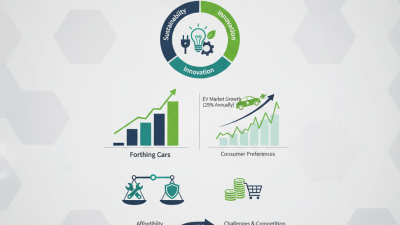
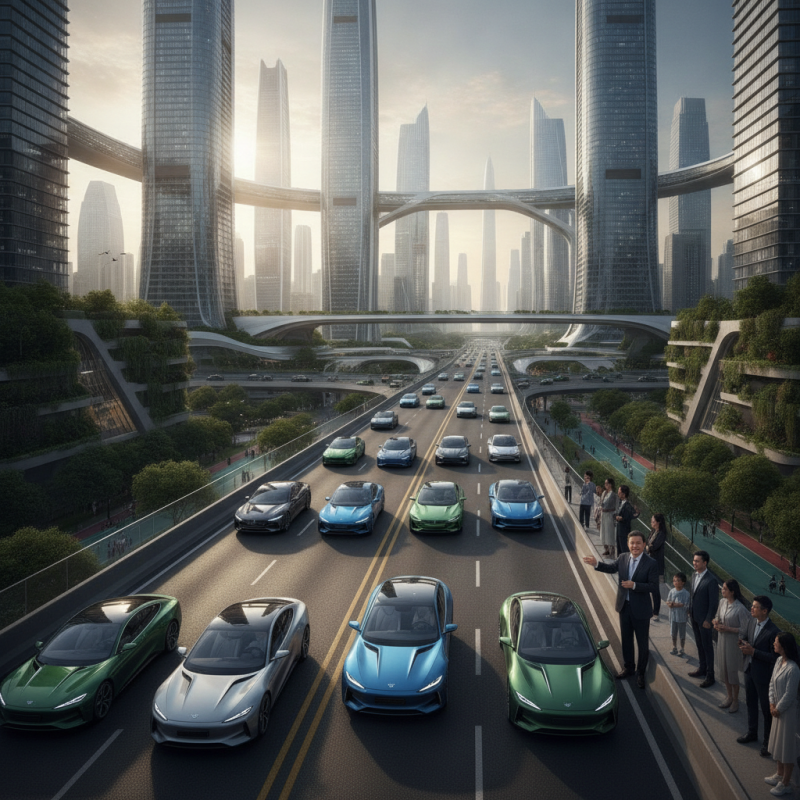
The electric vehicle (EV) market in China is booming. It is a hub for innovation and investment. China has the largest EV market worldwide, with sales growing rapidly each year. Many consumers are now considering EVs as credible alternatives to traditional vehicles. This shift is driven by environmental concerns and government policies promoting green technology.
As the market expands, various challenges arise. Charging infrastructure needs to meet rising demand. Some regions still lack adequate facilities to support EV users. It's crucial for consumers to research their local charging options before making a purchase.
Tip: Always check the availability of charging stations in your area. A well-supported infrastructure can significantly enhance your EV experience.
Moreover, potential buyers should consider range anxiety. Recent studies suggest that many buyers worry about how far they can travel on a single charge. It is important to choose models with sufficient range for your daily needs.
Tip: Test drive different models to understand their range and performance. Personal experiences often reveal critical insights that specifications alone cannot provide.
Key Features of the Top 10 Upcoming Electric Cars
The electric vehicle (EV) market in China is rapidly evolving. Key characteristics of the top upcoming electric cars capture significant attention. Advanced battery technology is one prominent feature. Upcoming models are expected to leverage solid-state batteries, offering higher energy density and faster charging times. According to a report by BloombergNEF, solid-state batteries could increase energy density by 50% compared to current lithium-ion variants.
In addition to battery advancements, range and performance stand out. Many new models aim for over 500 kilometers of range, addressing consumer range anxiety. Features like integrated AI for real-time monitoring and predictive maintenance are becoming common. This aligns with data from the International Energy Agency, which notes a growing demand for smart vehicle functionalities among EV buyers.
Design is also evolving. Upcoming cars will feature sleek silhouettes and improved aerodynamics. These aspects boost efficiency, contributing to an overall better driving experience. However, challenges remain, including infrastructure readiness. Many regions lack adequate charging stations to support a sudden surge in EV adoption. As the market shifts, ensuring sufficient charging access will be crucial for consumer confidence and adoption rates. The industry's trajectory shows promise, though there is work to be done.
Detailed Specifications of Each Featured Electric Car
China's electric vehicle market is booming. In 2023, over
6 million electric cars were sold in the country. This surge in sales showcases the rapid advancements in technology and consumer interest in environmentally friendly vehicles.
Specifications vary widely among the top contenders. Battery range, charging speed, and performance are crucial factors.
For instance, many leading models offer impressive ranges of over
400 kilometers per charge. Fast-charging capabilities are becoming standard, with some vehicles capable of reaching
80% battery in under 30 minutes. The vehicles frequently feature advanced driver-assistance systems, enhancing safety and driving experience.
However, challenges remain. The supply chain issues continue to disrupt production. Additionally, there’s the question of battery longevity and sustainability. Recycling processes for used batteries need improvement.
Understanding these specifications is vital for consumers. It informs smarter purchasing decisions in a rapidly evolving market.
Innovative Technologies Driving China's Electric Car Development
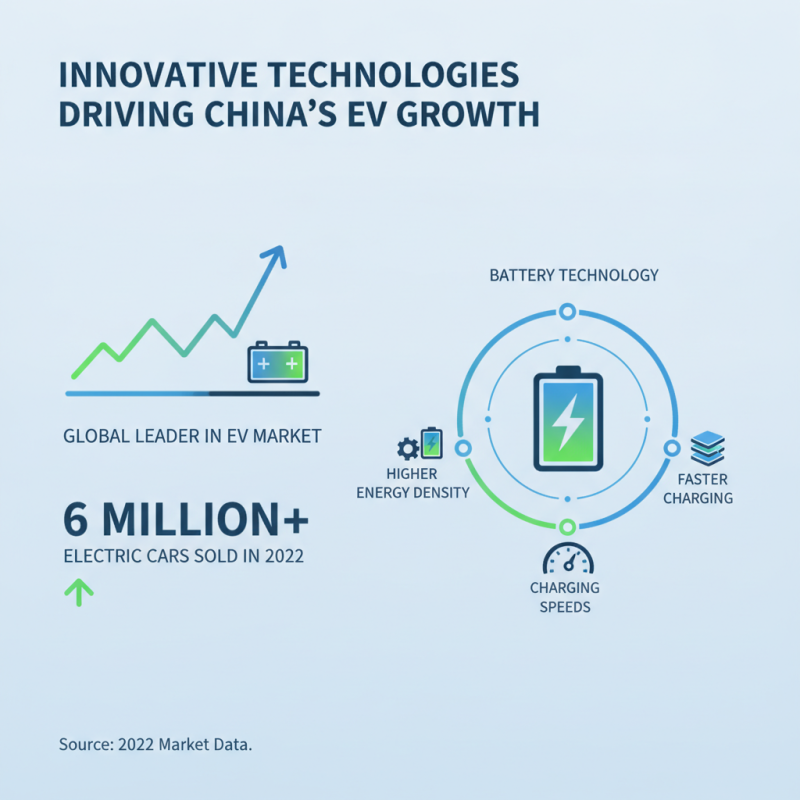
China's electric vehicle (EV) market ranks first globally, propelled by innovative technologies. In 2022, over 6 million electric cars were sold, a significant rise from previous years. Battery technology is a primary driver of this growth. Lithium-ion batteries dominate the market, showcasing advancements in energy density and charging speed. This progress makes EVs more appealing to consumers.
Manufacturers are also exploring solid-state batteries, which promise higher stability and efficiency. According to recent industry reports, these batteries could increase vehicle ranges up to 600 kilometers on a single charge. Without a doubt, this innovation could solve range anxiety for many drivers. With investments in charging infrastructure, convenience for consumers will continue to improve.
Tip: Always consider the environmental impact of battery production. While technology advances, the sustainability of raw materials is a concern that needs addressing.
Additionally, vehicle-to-everything (V2X) technology enhances connectivity. This allows cars to communicate with infrastructure and other vehicles. Such innovations pave the way for safer, smarter transportation systems. However, data privacy remains a critical issue. Addressing these concerns will be essential for long-term success in the EV sector.
Tip: Keep an eye on regulatory trends affecting these technologies. Knowing the rules can guide better investment decisions.
Future Trends and Predictions for Electric Cars in China
China is witnessing a remarkable shift toward electric vehicles (EVs). The government supports this transition with policies aimed at boosting EV adoption. The demand for electric cars is expected to further rise due to environmental concerns and advancements in technology. Many new innovations are on the horizon.
Battery technology plays a crucial role in shaping the future of electric cars. Improved battery life and faster charging times are essential for attracting consumers. However, challenges remain, such as recycling and sourcing materials. Sustainability must be a key focus for manufacturers as they evolve.
Moreover, the infrastructure for charging stations is expanding rapidly. Urban areas are likely to see a dense network of charging points in the coming years. Yet, rural regions may still face limitations. As we look ahead, collaboration between various stakeholders will be necessary. This collective effort can drive the industry toward a more sustainable future.
China's Electric Car Growth Predicted for 2023
This chart represents the growth of electric car sales in China from 2020 to 2024. The data illustrates substantial growth, with projections indicating a significant increase in adoption by 2024.

 T5EVO
T5EVO T5L
T5L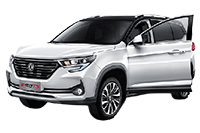 T5
T5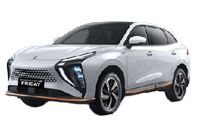 Friday
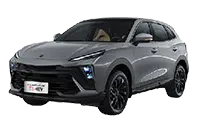 T5 HEV
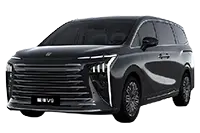 V9
V9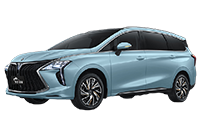 UTOUR (M4)
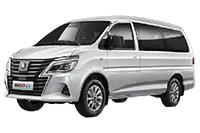 M5 EV
M5 EV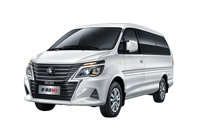 M5
M5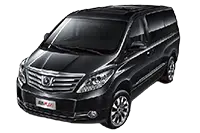 Lingzhi Plus
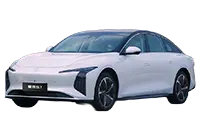 S7
S7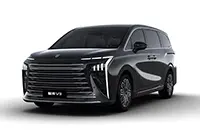 V9 HEV
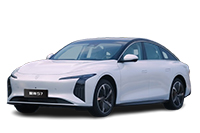 S7
S7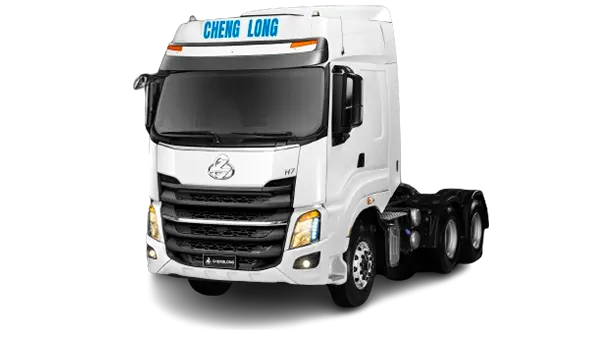 6X4 H7 Tractor
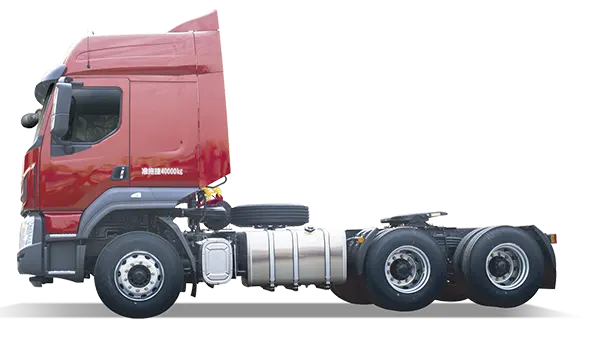 6X4 H5 Tractor
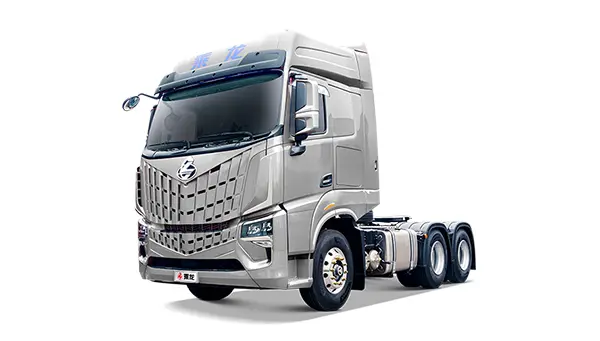 6X4 HK Tractor
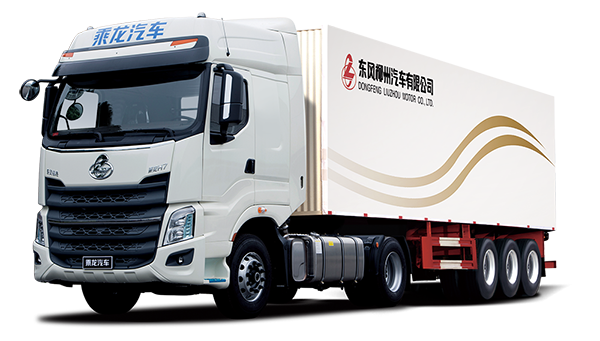 4X2 H7 Tractor
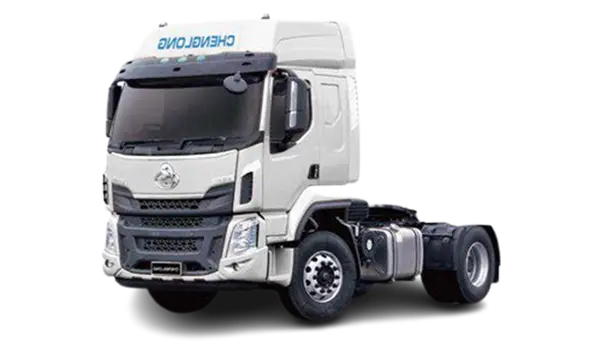 4X2 H5Tractor
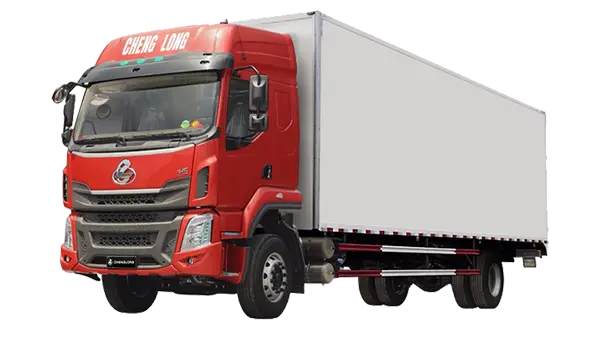 4X2 H5 Cargo Truck
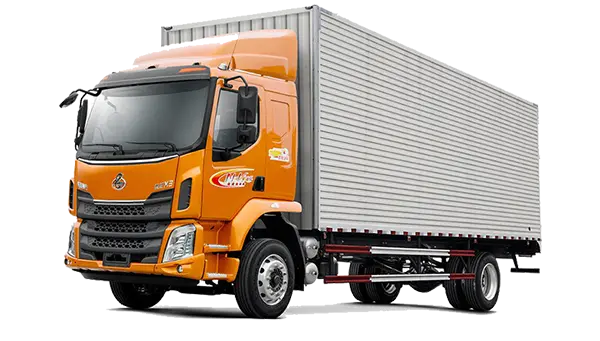 4X2 M3 Cargo Truck
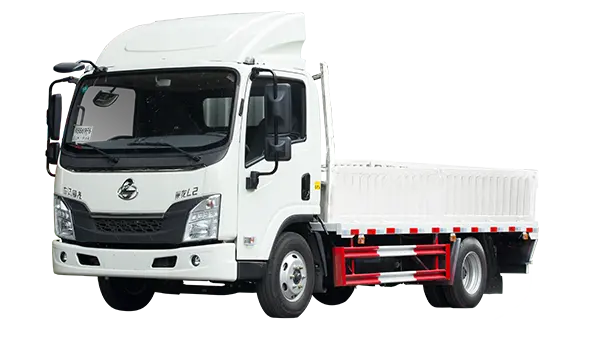 4X2 L2 Cargo Truck
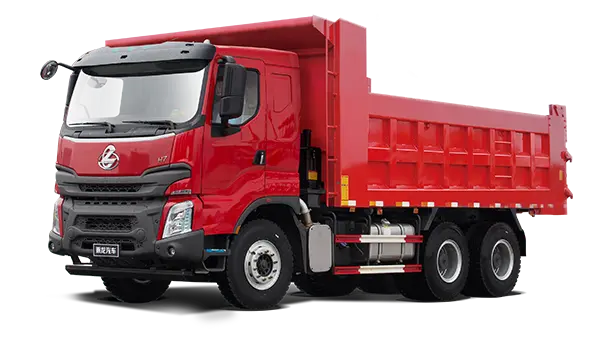 6X4 H7 Dump Truck
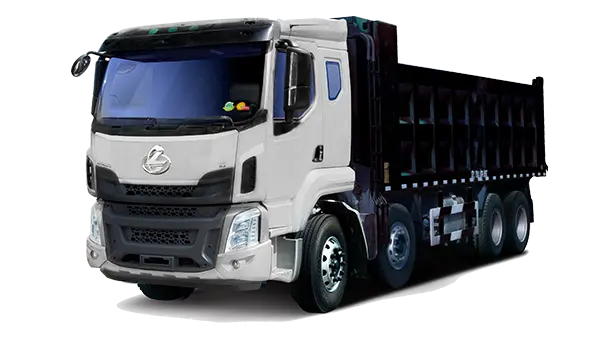 6X4 H5 Dump Truck
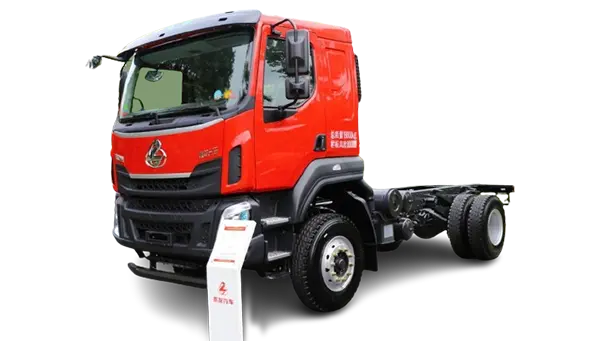 4X2 H5 Dump Truck
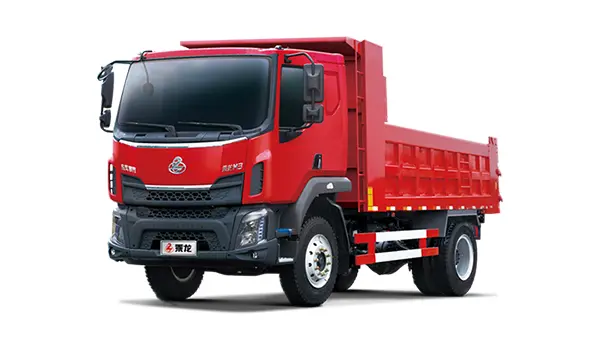 4X2 M3 Dump Truck
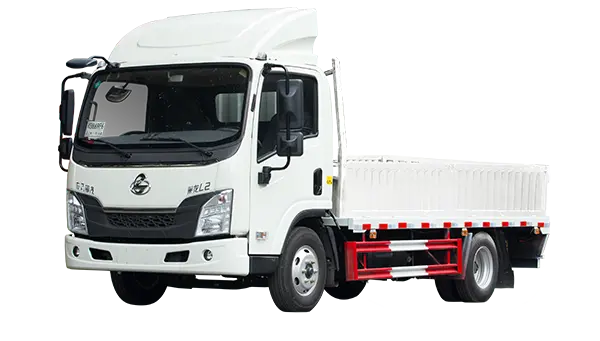 Light Truck L2
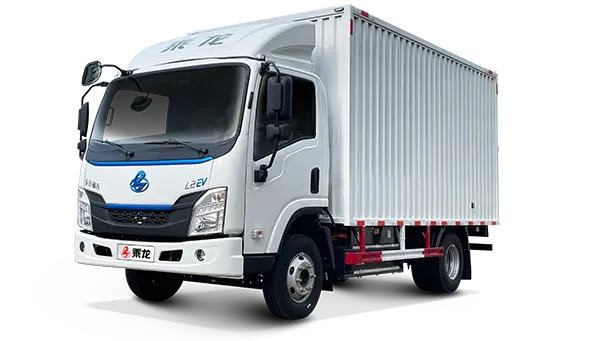 Light Truck L2 EV
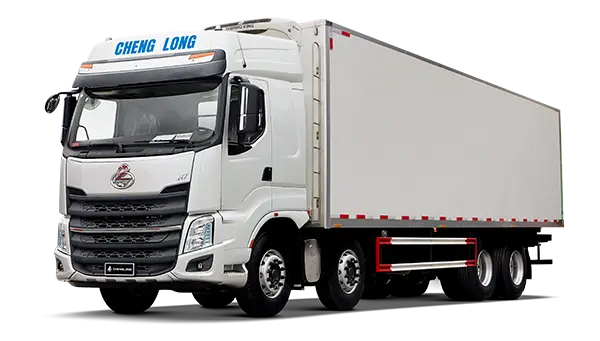 H7 Refrigeratior Truck
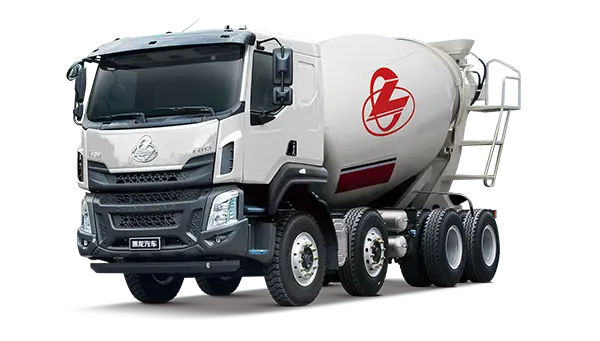 H5 Mixer Truck
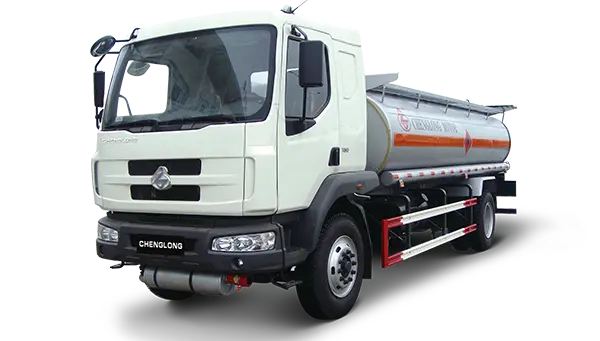 M3 Tank Truck
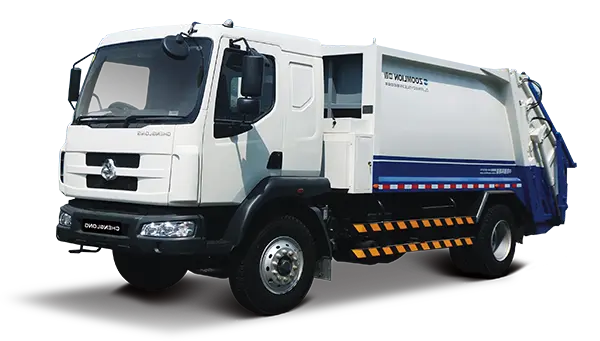 M3 Sanitation Truck
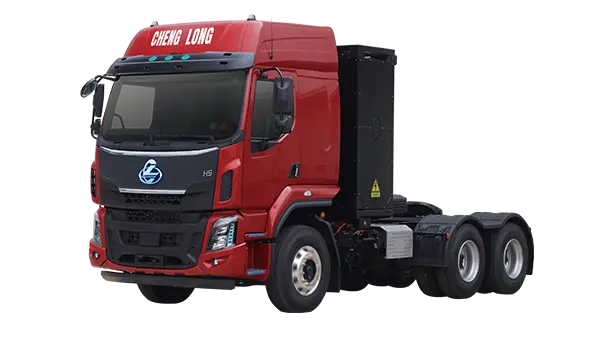 6X4 H7 Electric Truck
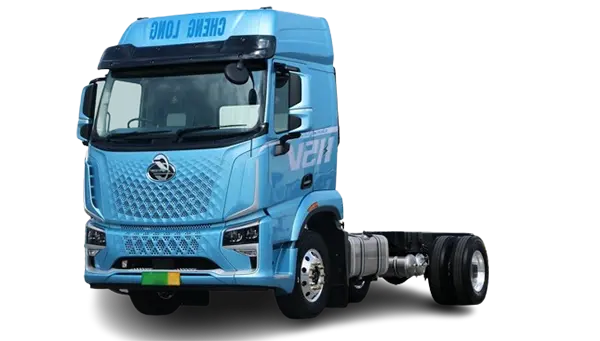 4X2 H5V Electric Truck
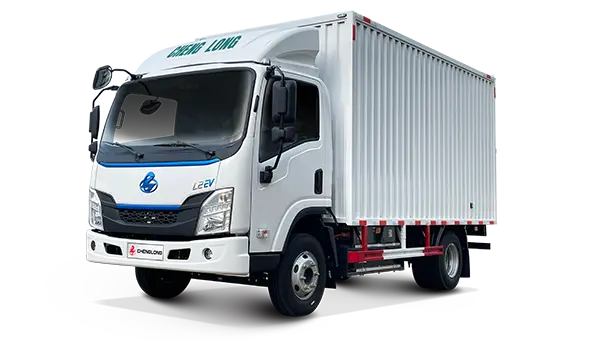 4X2 L2 Electric Truck