Top Electric Truck Benefits for Global Buyers to Consider?
In today's evolving transportation landscape, electric trucks stand out as a transformative option for global buyers. According to a report by the International Energy Agency, electric trucks could help reduce CO2 emissions from freight transport by up to 60% by 2030. As industries face increasing pressure to adopt greener technologies, electric trucks offer a compelling solution for sustainable operations.
The benefits of electric trucks are not limited to environmental impact. They also promise significant cost savings over time. A study from McKinsey highlights that operating electric trucks can save fleets approximately 30% in fuel costs. Additionally, with advancements in battery technology, the range of electric trucks continues to improve, making them a viable choice for many logistics operations. Nonetheless, buyers should consider the initial investment and charging infrastructure challenges.
While the long-term advantages are clear, hesitation remains for some businesses. Transitioning fleets requires upfront commitment and strategic planning. Understanding total cost of ownership and operational shifts is crucial for successful implementation. Therefore, as electric trucks reshape the future of logistics, a thorough evaluation of their benefits and challenges is essential for market participants.
Key Environmental Advantages of Electric Trucks for Global Buyers
Electric trucks offer significant environmental advantages for buyers around the globe. One major benefit is reduced greenhouse gas emissions. Compared to diesel trucks, electric options produce zero tailpipe emissions. This can drastically improve air quality, especially in urban areas. Electric trucks also contribute to noise reduction, creating quieter streets ideal for communities and wildlife.
The use of electric trucks supports renewable energy goals. Charging them with solar or wind energy further decreases reliance on fossil fuels. In addition, their energy efficiency is noteworthy. Electric trucks convert over 60% of electrical energy from the grid to power at the wheels. In contrast, traditional internal combustion engines convert only about 20% of the energy stored in gasoline.
However, challenges exist. The availability of charging infrastructure can impact long-haul routes. Buyers must also consider battery lifecycle and recycling issues. Electric trucks may initially have higher upfront costs, which can deter some buyers. Despite these concerns, the long-term savings on fuel and maintenance can make them a wise investment. Transitioning to electric trucks aligns with a growing commitment to sustainability and cleaner transportation.
Top Electric Truck Benefits for Global Buyers
This chart highlights key environmental advantages of electric trucks compared to traditional diesel trucks, focusing on emissions reduction, energy efficiency, and noise pollution reduction.
Cost Savings Potential: Understanding Economic Benefits of Electric Trucks
Electric trucks are gaining attention for their cost-saving potential. Businesses considering these vehicles should evaluate their economic benefits carefully. Maintenance and fuel costs play crucial roles in this assessment. Electric trucks typically require less maintenance than traditional diesel trucks. Fewer moving parts lead to reduced wear and tear, which means lower repair costs over time.
Fuel savings are significant with electric trucks. Electric power tends to be cheaper than diesel fuel. Moreover, the growing availability of charging stations promises convenience for truck operators. However, initial investment costs can be a barrier. Understanding the long-term savings is essential. Buyers often overlook the potential return on investment that electric trucks can offer.
Another factor to consider is government incentives for electric vehicle purchases. Many regions provide rebates or tax credits for acquiring electric trucks. These financial programs can offset initial costs, making the transition more appealing. The market for electric trucks is still evolving. Buyers should stay informed about changing regulations and advancements in technology. This awareness can help them make better purchasing decisions and maximize savings.
Performance and Efficiency: How Electric Trucks Compare to Traditional Models
Electric trucks are transforming the logistics and transport industry, offering numerous advantages over traditional diesel models. A significant point of comparison is performance. Electric trucks boast instant torque, allowing for smoother acceleration. According to the American Association of State Highway and Transportation Officials, electric trucks can achieve performance metrics that often surpass their diesel counterparts. They offer lower operational costs, primarily through reduced maintenance needs, as electric drivetrains have fewer moving parts than internal combustion engines.
When it comes to efficiency, electric trucks lead the charge. The U.S. Department of Energy reports that electric vehicles convert over 70% of electrical energy from the grid to power at the wheels, while conventional gasoline vehicles only convert about 12% to 30%. This efficiency translates into a notable decrease in fuel costs. However, some challenges persist. Recharge times can be longer than fueling up a diesel truck, leading to potential downtime.
Despite these drawbacks, the environmental benefits are compelling. Electric trucks produce zero tailpipe emissions, a critical factor as regulations tighten worldwide. Studies indicate that the shift to electric can significantly reduce greenhouse gas emissions. Even with the hurdles, the benefits of electric trucks position them as a strong contender in the transportation sector's future.
Charging Infrastructure Development: Essential for Electric Truck Adoption
As electric trucks gain traction in the transportation industry, charging infrastructure becomes crucial. A recent report from the International Energy Agency (IEA) highlights that global electric truck sales surged by 50% in 2022. However, widespread adoption hinges on charging stations proliferating. Currently, there is a significant disparity in charging availability, especially in rural areas. Many regions lack sufficient fast-charging stations, complicating logistics planning for fleet operators.
An analysis conducted by the U.S. Department of Energy indicates that building one public charging station can cost upwards of $100,000. This expense may deter investment in charging networks. Nevertheless, governments and private sectors are beginning to recognize the importance of building this infrastructure. The Infrastructure Investment and Jobs Act in the U.S. earmarks billions for charging networks. Yet, these efforts may not keep pace with electric truck sales growth unless stakeholders prioritize infrastructure development.
For fleet operators, planning routes around charging availability is essential. Reports suggest that 70% of logistics managers worry about the lack of charging stations during planning. While electric trucks offer lower operational costs and reduced emissions, without a reliable charging network, their full potential cannot be realized. The industry's future depends on addressing these infrastructure gaps, ensuring that electric trucks can operate efficiently and sustainably.
Government Incentives and Policies Supporting Electric Truck Purchases
Government incentives play a crucial role in promoting electric truck adoption globally. Many countries have established financial grants and tax rebates to encourage businesses to switch from traditional combustion engines to electric vehicles. For instance, data from the International Council on Clean Transportation shows that the total cost of ownership for electric trucks can be up to 30% lower than diesel alternatives, especially when factoring in these incentives.
Policies supporting electric vehicle growth also manifest through stricter emissions regulations. Cities around the world are beginning to implement low-emission zones. Reports indicate that such measures may lead to substantial fines for diesel trucks. As a result, companies are increasingly considering electric options to avoid penalties. The shift in consumer preference and legislative pressure is tangible, though there still remains a significant knowledge gap among potential buyers regarding electric trucks' long-term benefits.
While the transition is pivotal, challenges persist. Infrastructure for charging and maintenance can be lacking in certain regions. Some businesses worry about the reliability of electric trucks due to limited range. As the industry evolves, so too will the policies and frameworks that support this transition. Continuous adaptation and improvement are essential for maximizing the positive impact of these incentives.
Top Electric Truck Benefits for Global Buyers to Consider
| Benefit |
Description |
Government Incentives |
Environmental Impact |
| Lower Operating Costs |
Electric trucks generally have lower energy costs compared to diesel trucks. |
Tax credits and rebates for electric vehicle purchases. |
Significantly reduced greenhouse gas emissions. |
| Government Rebates |
Many countries offer rebates to encourage electric vehicle purchases. |
State-specific incentives for electric truck adoption. |
Helps transition to a less polluted environment. |
| Maintenance Savings |
Electric trucks have fewer moving parts, leading to lower maintenance costs. |
Grants for infrastructure development and support. |
Encourages cleaner air quality in urban areas. |
| Regulatory Compliance |
Electric trucks often meet stricter emissions regulations more easily. |
Incentives for adhering to environmental standards. |
Reduction in noise pollution. |
| Enhanced Brand Image |
Companies using electric trucks can promote their commitment to sustainability. |
Marketing benefits from being eco-friendly. |
Aiding global efforts to combat climate change. |

 T5EVO
T5EVO T5L
T5L T5
T5 Friday
 T5 HEV
 V9
V9 UTOUR (M4)
 M5 EV
M5 EV M5
M5 Lingzhi Plus
 S7
S7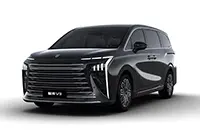 V9 HEV
 S7
S7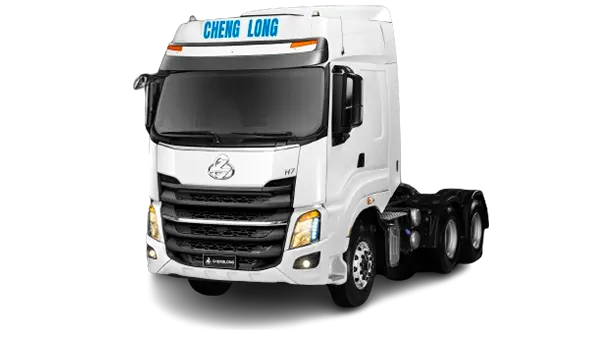 6X4 H7 Tractor
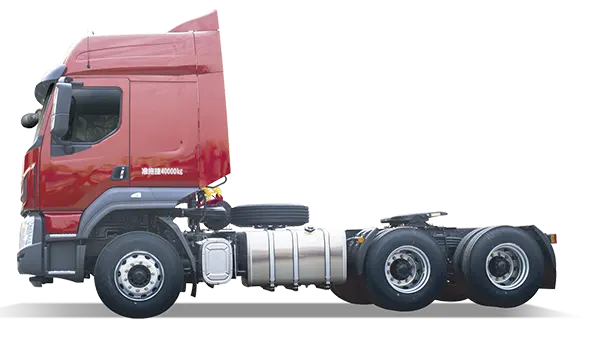 6X4 H5 Tractor
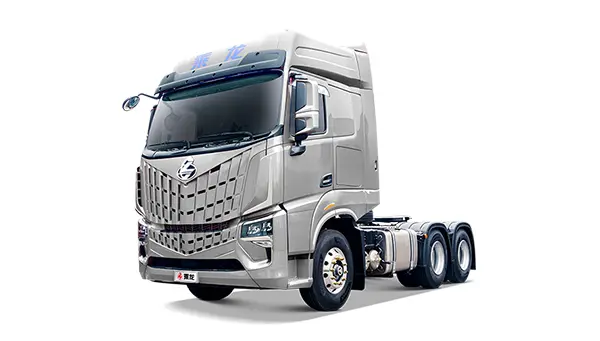 6X4 HK Tractor
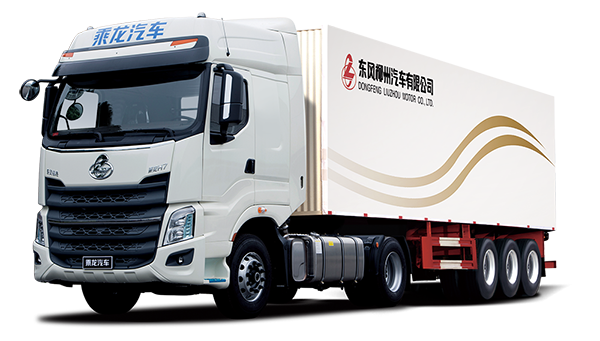 4X2 H7 Tractor
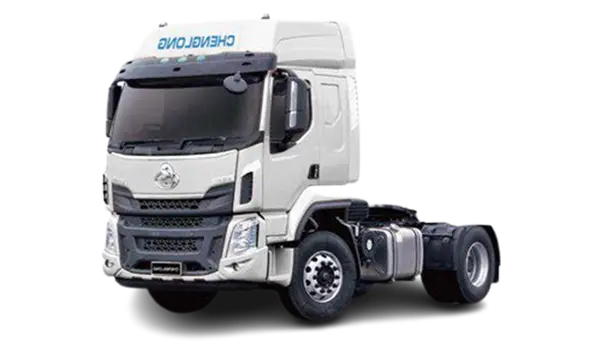 4X2 H5Tractor
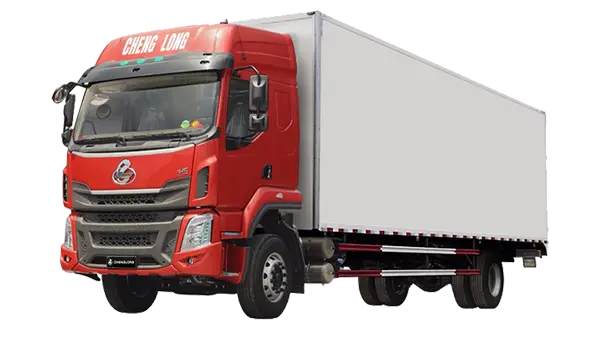 4X2 H5 Cargo Truck
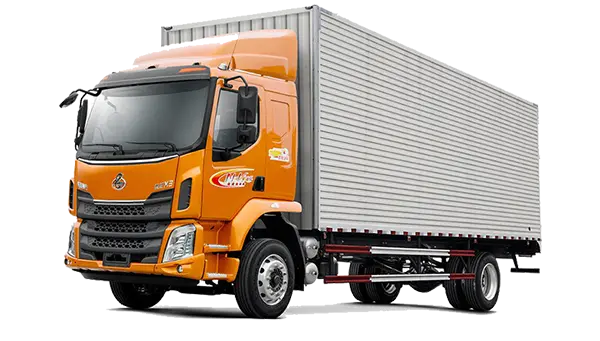 4X2 M3 Cargo Truck
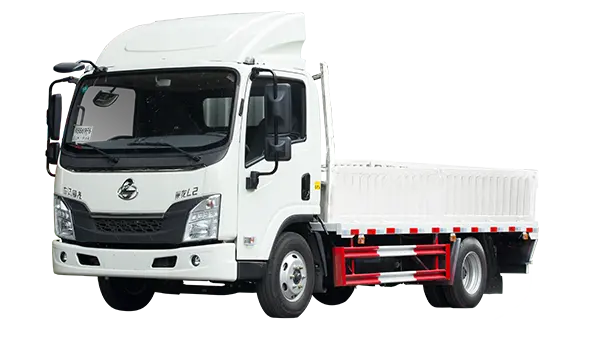 4X2 L2 Cargo Truck
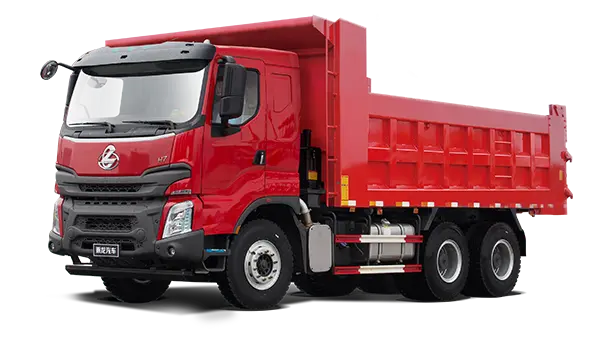 6X4 H7 Dump Truck
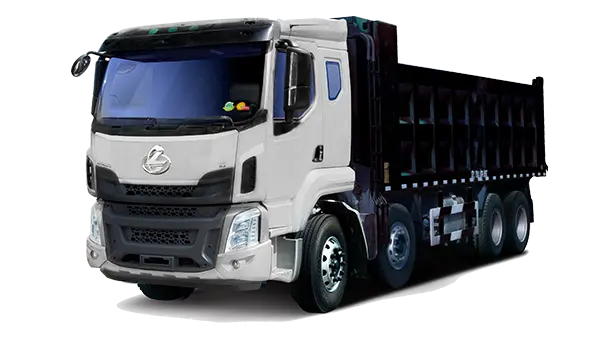 6X4 H5 Dump Truck
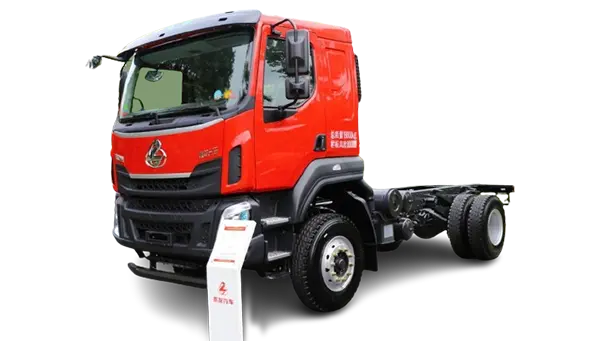 4X2 H5 Dump Truck
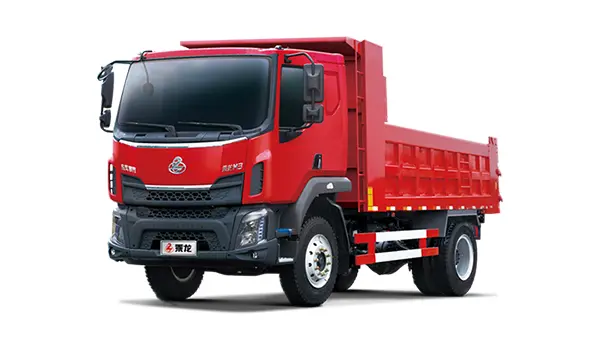 4X2 M3 Dump Truck
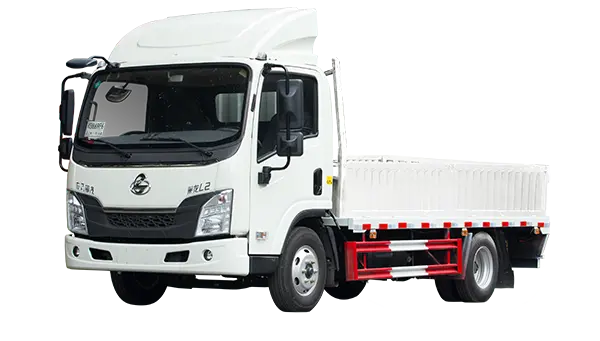 Light Truck L2
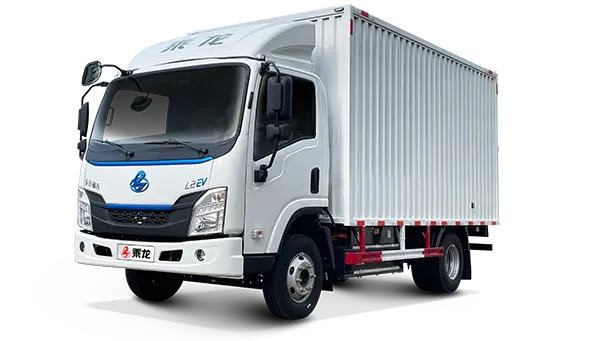 Light Truck L2 EV
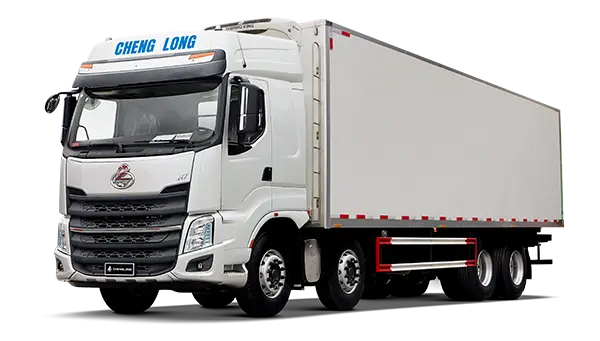 H7 Refrigeratior Truck
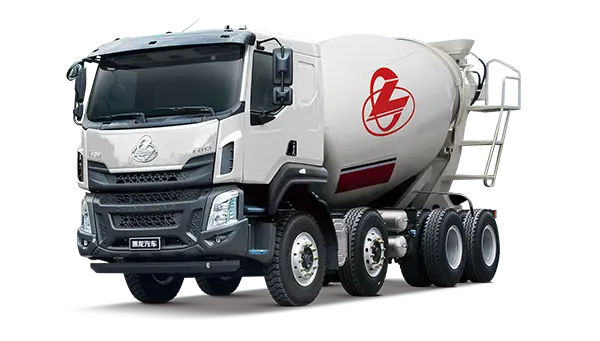 H5 Mixer Truck
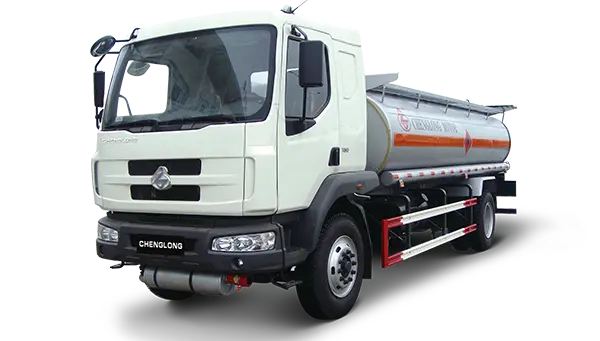 M3 Tank Truck
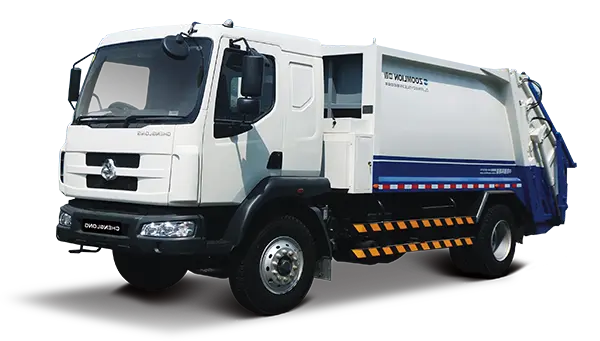 M3 Sanitation Truck
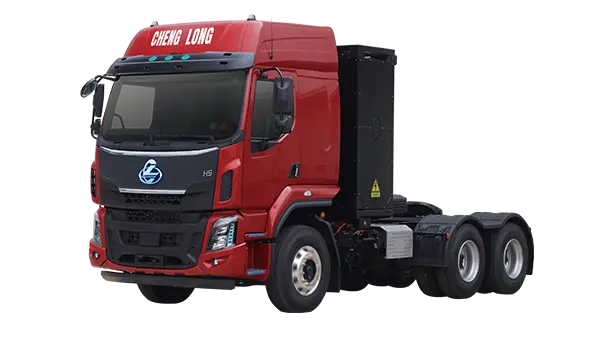 6X4 H7 Electric Truck
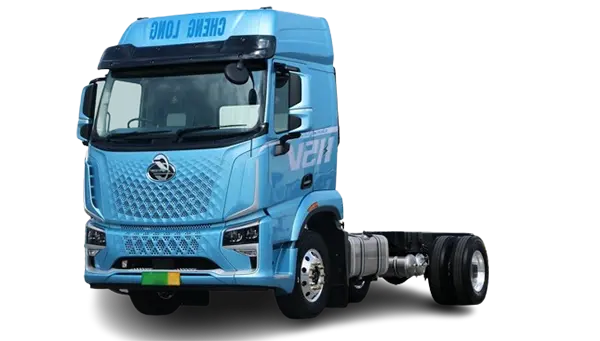 4X2 H5V Electric Truck
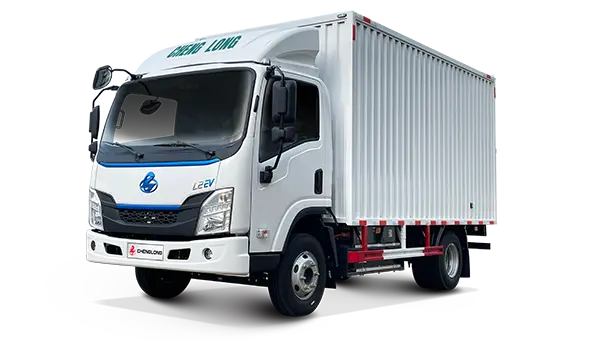 4X2 L2 Electric Truck