Top Forthing Cars to Consider in 2026 for Global Buyers?
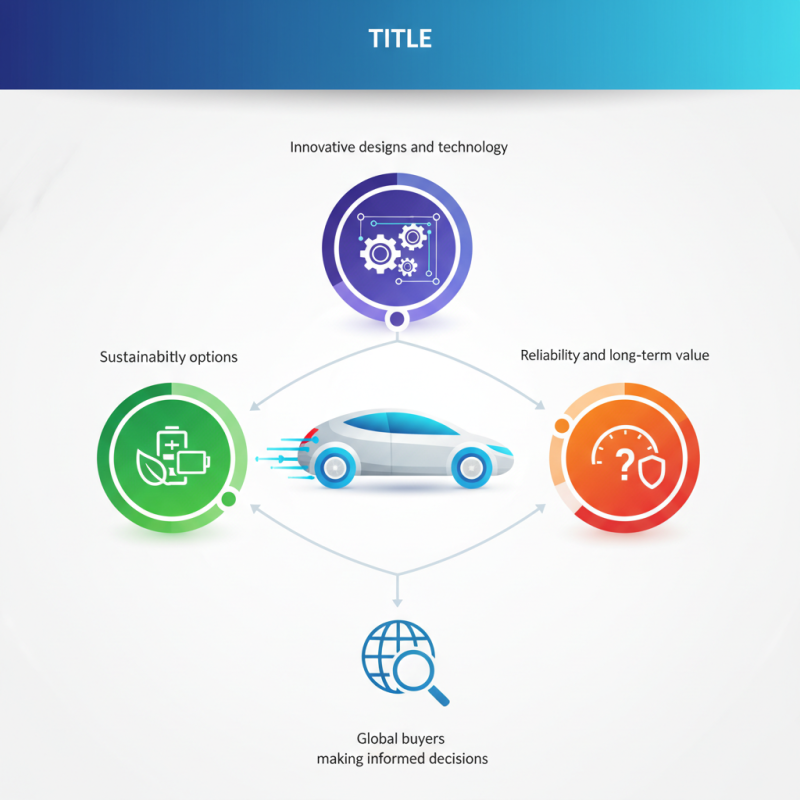
As the automotive industry evolves, "Forthing Cars" stands out as a notable player. Industry expert John Mitchell, a seasoned analyst at AutoTrend, stated, “Forthing Cars are reshaping the market with innovative designs and technology.” This insight emphasizes their growing influence among global buyers.
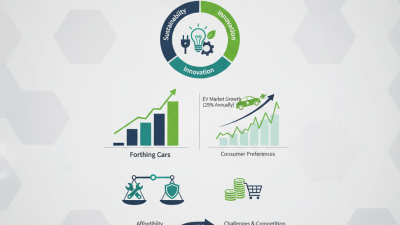
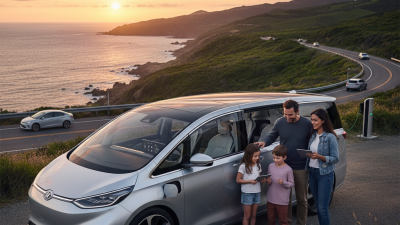
The landscape of car buying is changing. In 2026, consumers will seek vehicles that not only offer performance but also sustainability. Forthing Cars are increasingly recognized for their eco-friendly options and advanced features. Buyers are becoming more discerning, making it crucial for manufacturers to adapt.
Forthing Cars promise exciting opportunities. However, potential challenges remain. Some consumers question their reliability compared to established brands. It’s essential to reflect on how these cars will perform over time and their long-term value in an evolving market. Understanding these dynamics will help buyers make informed decisions.
Emerging Trends in the Automotive Industry for 2026
The automotive industry is on the brink of transformation in 2026. Connectivity will take center stage. Cars will feature advanced AI systems for personalized experiences. Expect high-quality infotainment options that enhance passenger enjoyment. Safety technologies are also evolving. Advanced driver-assistance systems will become the norm, not the exception. However, skepticism surrounds their reliability and effectiveness.
Sustainability is another critical trend. Eco-friendly materials are gaining traction in car interiors. Manufacturers will embrace electric powertrains for better fuel efficiency. Yet, the adoption of this technology may create concerns regarding resource scarcity and charging infrastructure adequacy. Additionally, consumers may find the transition from combustion engines to electric systems daunting.
Autonomous driving is a buzzword. While it promises convenience, public trust remains a hurdle. Testing and regulatory frameworks need to improve. Manufacturers face pressure to address safety risks thoroughly. The road to fully autonomous vehicles is rife with uncertainty and ethical considerations. Firms must balance innovation with responsibility. 2026 will undoubtedly be a pivotal year for car purchases. Exciting times lie ahead, but challenges must be addressed.
Key Factors Influencing Global Car Buyers in 2026
As we approach 2026, several key factors will define the preferences of global car buyers. Environmental concerns are at the forefront. Buyers increasingly prioritize sustainability. The demand for electric vehicles continues to rise. Innovations in battery technology will play a crucial role. Longer ranges and quicker charging times can make electric cars more appealing.
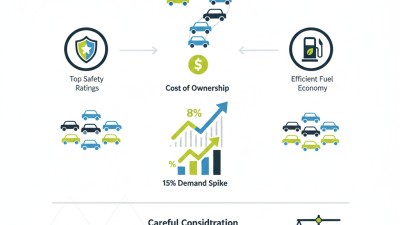
Price sensitivity is another critical aspect. Many buyers seek affordability without sacrificing quality. Economic conditions will heavily influence purchasing decisions. Buyers want value for their money. If a vehicle is too costly, buyers might hesitate. This creates a delicate balance between luxury features and cost-effectiveness.
Technological advancements are also shaping buyer choices. Cars equipped with the latest safety features are gaining traction. Consumers desire connectivity and smart systems. However, reliability remains a concern. Some buyers may question whether new technologies have been adequately tested. This hesitation could impact overall sales.
Top Electric Cars Expected to Dominate the Market in 2026
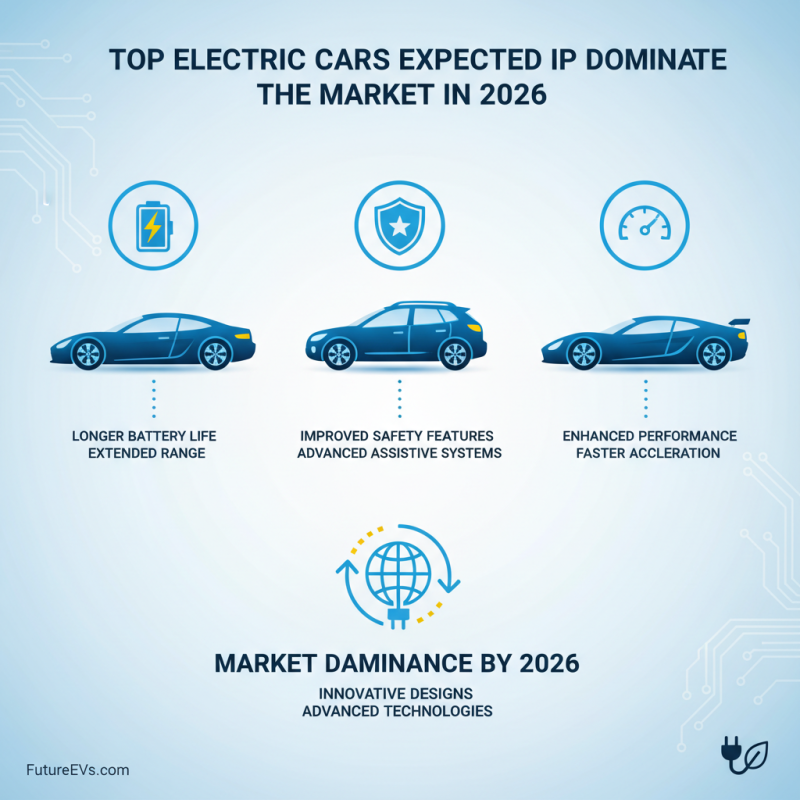
The electric vehicle (EV) market is evolving rapidly. By 2026, several electric cars are expected to dominate the market. These vehicles will showcase innovative designs and advanced technologies. They promise enhanced performance, longer battery life, and improved safety features.
When considering an electric car, it's essential to evaluate your driving habits. For instance, assess your daily commuting distance. If you travel longer distances, opt for models with high-range capabilities. Ensure charging infrastructure is available in your area. A reliable charging network can enhance your driving experience significantly.
Tip: Always stay informed about upcoming models. Attend local auto shows or check reliable automotive news sources. This helps you understand the latest features and options available. Additionally, consider the resale value of electric cars. Some models retain their value better than others.
As you navigate your choices, be mindful of varying customer reviews. No car is perfect. Some may experience software glitches, while others might fall short in customer service. It’s crucial to weigh both expert opinions and user experiences in your decision-making process.
Innovative Features and Technologies to Look for in 2026 Models
As we look ahead to 2026, the automotive industry promises groundbreaking innovations. According to a recent report by the International Automotive Engineering Association, nearly 70% of new vehicles will feature advanced driver-assistance systems. These systems are set to reduce accidents significantly. Features like adaptive cruise control and automated parking are expected to become standard rather than optional. This shift raises questions about driver dependency on technology.
Moreover, connectivity will enhance the driving experience in the upcoming models. About 84% of consumers expressed interest in vehicles with integrated smart home systems, as per a survey by AutoTech Insights. Imagine controlling your home’s lights or thermostat from your car's interface. However, this heavy reliance on technology may also create challenges. Data privacy and cybersecurity are pressing concerns that manufacturers must navigate.
Sustainability will remain a key focus, with reports indicating that the electric vehicle market could grow by 25% in just three years. Many manufacturers are investing in battery technologies and renewable materials. Yet, this shift poses risks of resource scarcity and environmental impact. As innovation evolves rapidly, the balance between technology benefits and potential drawbacks will be a crucial aspect for buyers to consider in 2026.
Top Forthing Cars to Consider in 2026 for Global Buyers
| Model |
Type |
Innovative Features |
Expected Price (USD) |
Release Date |
| Electric Sedan A |
Sedan |
Autonomous Driving, Solar Roof |
$45,000 |
Q2 2026 |
| Hybrid SUV B |
SUV |
Smart Parking, AI-Powered Navigation |
$50,000 |
Q3 2026 |
| Compact EV C |
Compact Car |
Vehicle-to-Grid Technology, Over-the-Air Updates |
$30,000 |
Q1 2026 |
| Luxury Coupe D |
Coupe |
Adaptive Cruise Control, Head-Up Display |
$75,000 |
Q4 2026 |
| Pickup Truck E |
Pickup |
Enhanced Towing Capacity, Advanced Off-Road Features |
$55,000 |
Q2 2026 |
Comparative Analysis of Popular Brands and Their 2026 Offerings
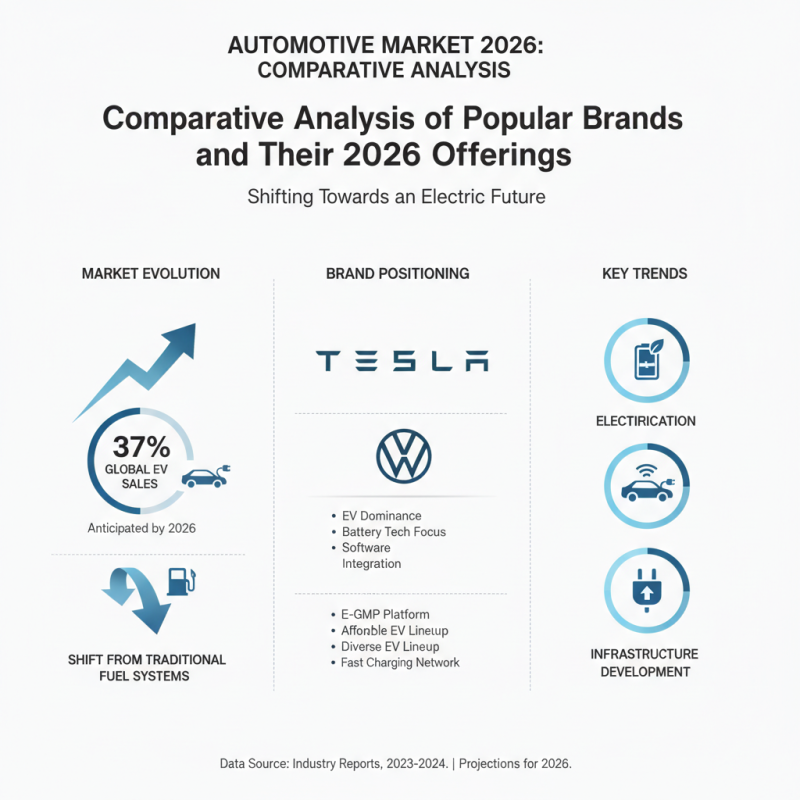
As we approach 2026, the automotive landscape is evolving rapidly. Buyers are keen on understanding competitive dynamics among brands. Recent data indicates that electric vehicles (EVs) are anticipated to comprise 37% of global sales by 2026. This marks a significant shift from traditional fuel systems. A comparative analysis reveals how brands are positioning themselves within this changing market.
Some brands are ramping up their EV offerings, investing heavily in advanced technologies. A market report highlights that the average range of EVs is now exceeding 300 miles. This figure is critical as range anxiety often deters buyers. However, several brands are still struggling with charging infrastructure. This gap presents opportunities for thoughtful buyers. There are potential concerns regarding battery longevity and recycling processes.
Moreover, the integration of smart technologies is becoming imperative. Features such as autonomous driving and advanced safety systems are deciding factors for buyers. However, the reliability of these technologies varies among manufacturers. A survey noted that 30% of consumers remain skeptical about the effectiveness of autonomous features. This skepticism can impact purchasing decisions, highlighting the need for continued innovation and transparent communication.

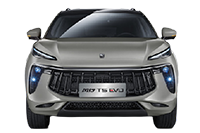 T5EVO
T5EVO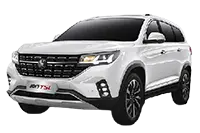 T5L
T5L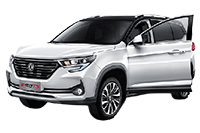 T5
T5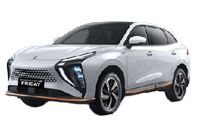 Friday
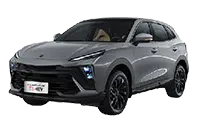 T5 HEV
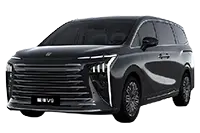 V9
V9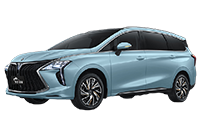 UTOUR (M4)
 M5 EV
M5 EV M5
M5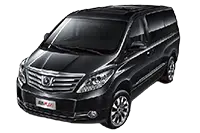 Lingzhi Plus
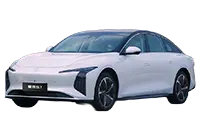 S7
S7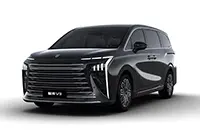 V9 HEV
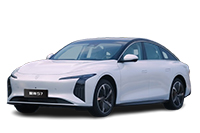 S7
S7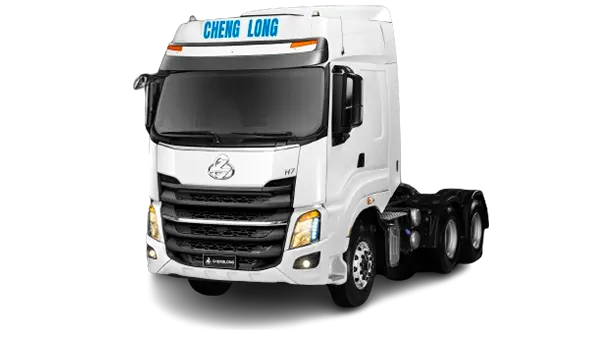 6X4 H7 Tractor
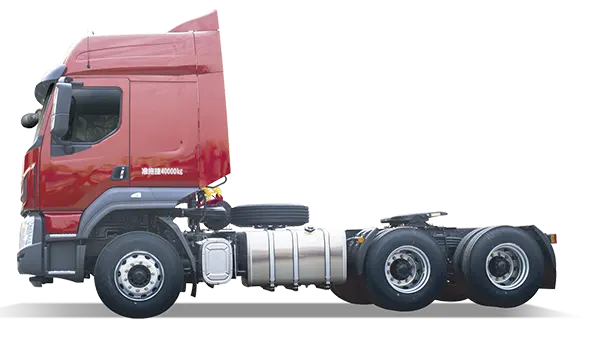 6X4 H5 Tractor
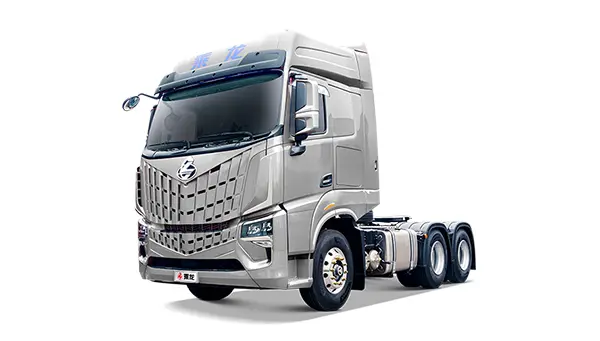 6X4 HK Tractor
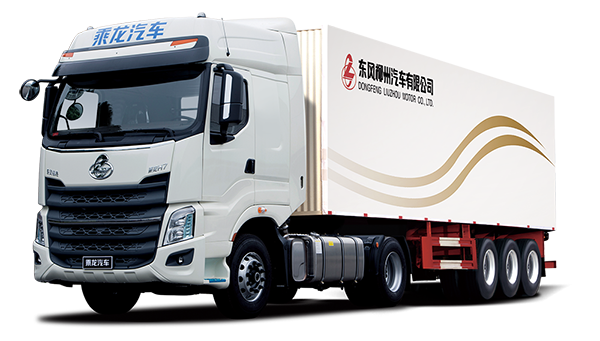 4X2 H7 Tractor
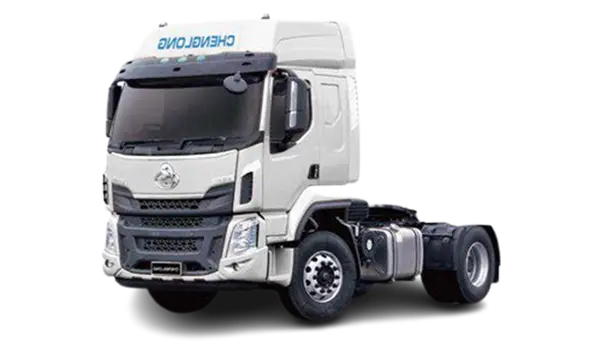 4X2 H5Tractor
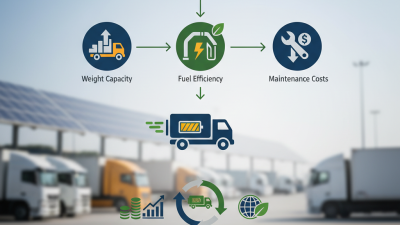
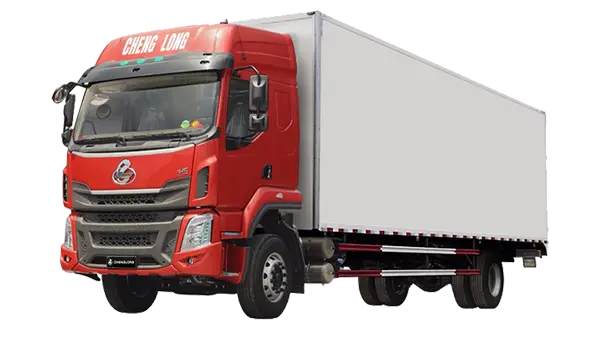 4X2 H5 Cargo Truck
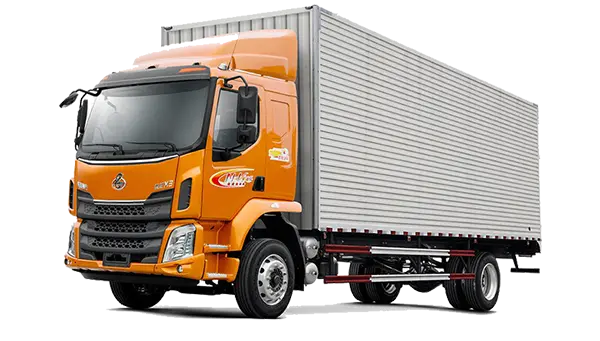 4X2 M3 Cargo Truck
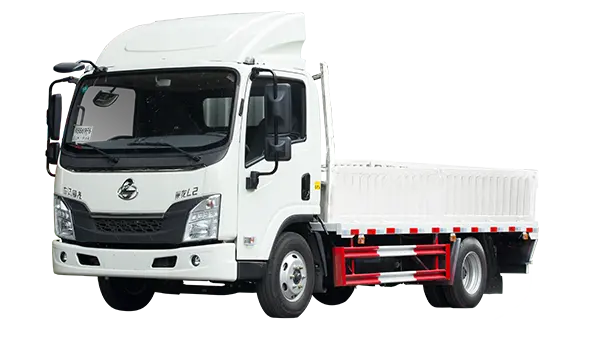 4X2 L2 Cargo Truck
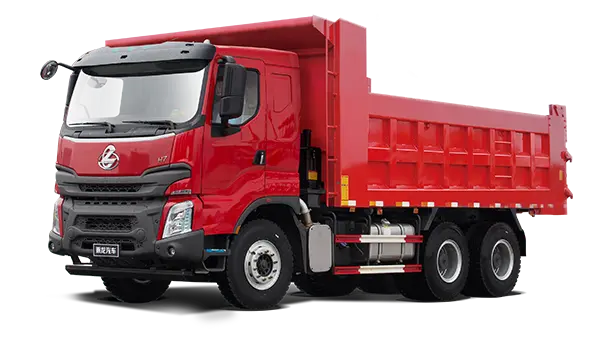 6X4 H7 Dump Truck
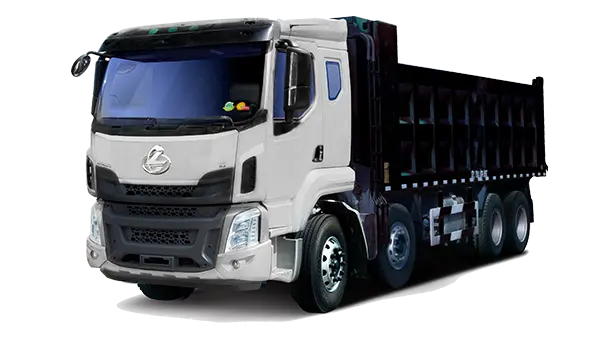 6X4 H5 Dump Truck
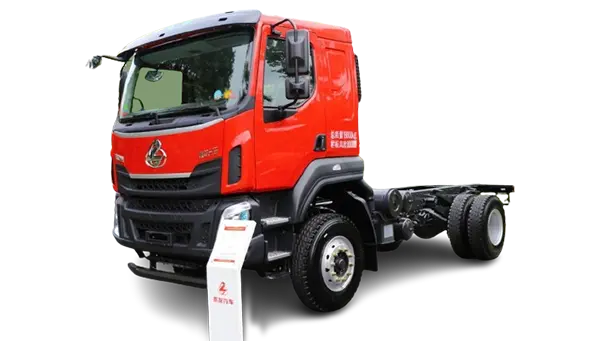 4X2 H5 Dump Truck
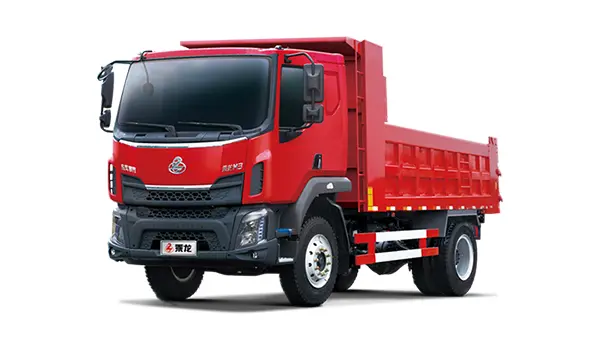 4X2 M3 Dump Truck
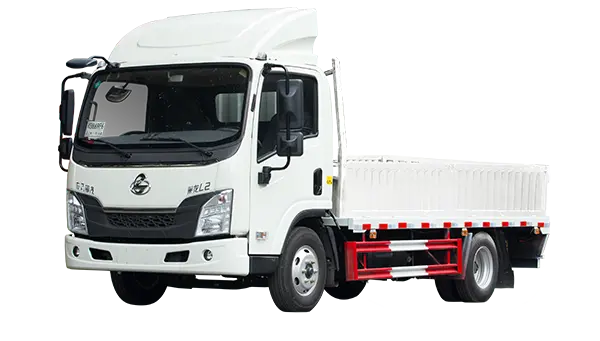 Light Truck L2
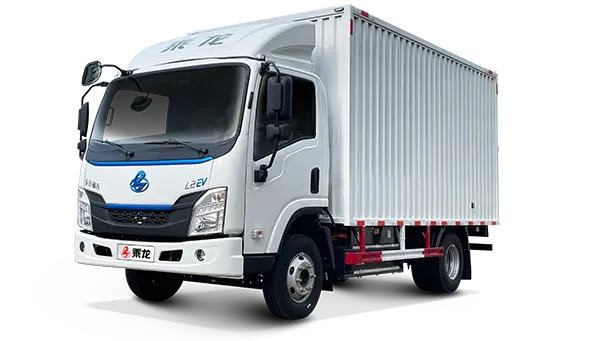 Light Truck L2 EV
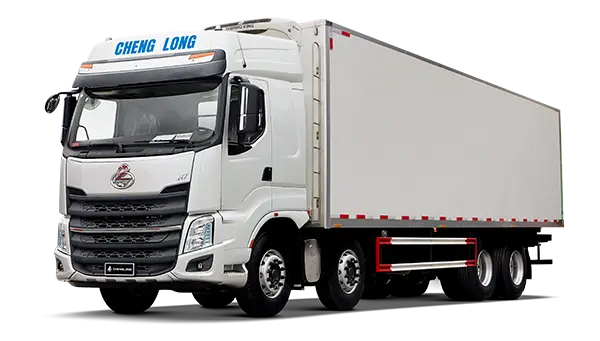 H7 Refrigeratior Truck
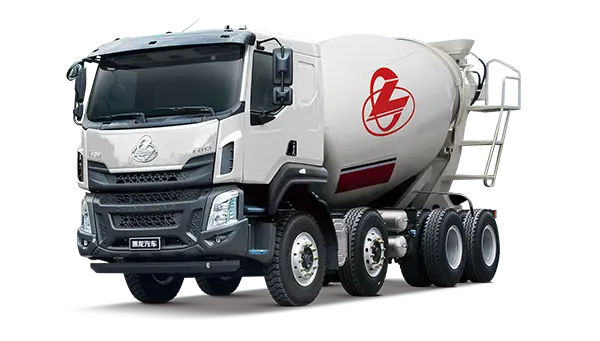 H5 Mixer Truck
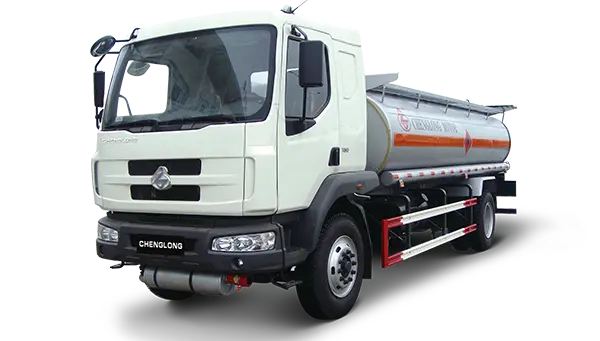 M3 Tank Truck
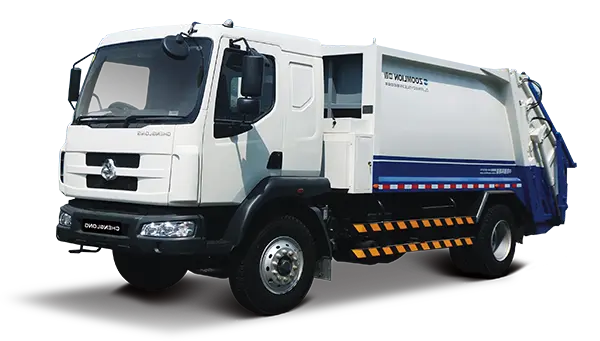 M3 Sanitation Truck
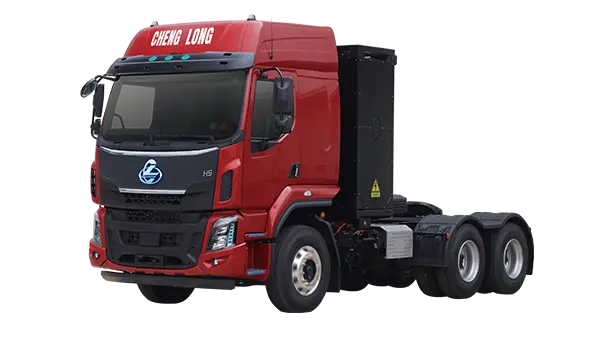 6X4 H7 Electric Truck
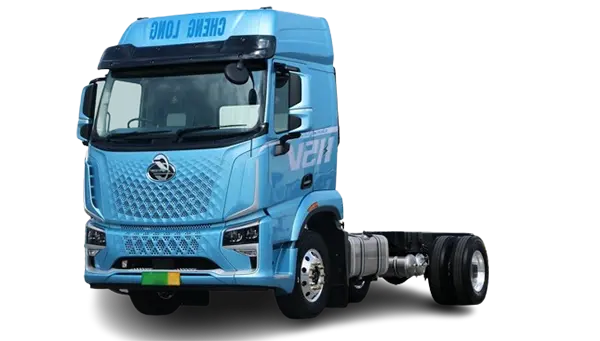 4X2 H5V Electric Truck
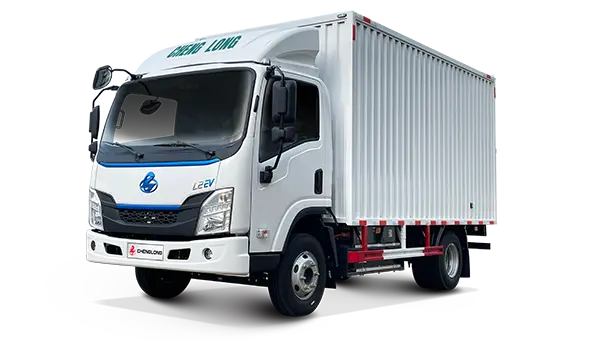 4X2 L2 Electric Truck