Top 5 Chinese Hybrid Cars You Should Consider for Export?
As global demand for eco-friendly vehicles rises, Chinese hybrid cars have gained significant attention. According to a report by the International Energy Agency, hybrid vehicle sales increased by 20% in 2022, with China leading the charge. These vehicles offer a practical solution for reducing emissions while still providing the performance consumers expect.
The growing competition in the hybrid market highlights the innovation of Chinese manufacturers. Companies like BYD and Geely provide advanced technology and impressive efficiency. The China Association of Automobile Manufacturers noted that hybrids accounted for over 30% of total vehicle sales in 2023. This trend underscores the reliability and appeal of Chinese hybrid cars for export markets.
However, potential buyers should remain cautious. Quality control and after-sales service can vary widely among manufacturers. Research is essential when selecting a hybrid model. Despite concerns, the continued growth of Chinese hybrid cars indicates a robust market presence that is hard to ignore.
Overview of the Chinese Hybrid Car Market
The Chinese hybrid car market has seen rapid growth over the past few years. With increasing concerns about environmental sustainability, many manufacturers have turned their focus to hybrid technology. These vehicles blend traditional fuel engines with electric power, offering improved fuel efficiency and reduced emissions.
China's hybrid car segment is diverse, attracting a wide range of buyers. Consumers often seek solutions that balance performance with environmental consciousness. However, buyers should note that quality can vary significantly among different models. Some cars may struggle with battery life or overall reliability. It's crucial to do thorough research before making a choice.
In addition, the availability of charging infrastructure can be a challenge in certain areas. While major cities have made strides, rural regions may lack sufficient support. This can impact the practical use of hybrids. Therefore, potential customers should assess local conditions. The market is evolving, and staying informed is key to making a wise investment.
Top 5 Chinese Hybrid Cars You Should Consider for Export
| Model |
Engine Type |
Fuel Efficiency (mpg) |
Battery Capacity (kWh) |
Max Range (miles) |
Price (USD) |
| Model A |
Hybrid Gas/Electric |
50 |
15 |
600 |
25,000 |
| Model B |
Mild Hybrid |
45 |
10 |
550 |
22,000 |
| Model C |
Plug-in Hybrid |
60 |
20 |
700 |
30,000 |
| Model D |
Hybrid Gas/Electric |
55 |
18 |
650 |
28,000 |
| Model E |
Mild Hybrid |
40 |
12 |
520 |
20,000 |
Criteria for Selecting Hybrid Cars for Export
When selecting hybrid cars for export, several criteria come into play. Fuel efficiency is paramount. According to the International Energy Agency, hybrid vehicles typically reduce fuel consumption by 30-50%. This saving appeals to eco-conscious consumers around the globe. The technology used in hybrid systems also matters. Reliable batteries and efficient electric motors enhance vehicle performance and longevity.
Safety ratings are another critical consideration. Vehicles that earn high scores from trusted organizations like Euro NCAP are more likely to succeed in foreign markets. Research shows that safety influences purchasing decisions significantly. Additionally, market demand varies from country to country. Analyzing local trends can guide exporters in choosing models that resonate with potential buyers.
Another factor is cost-effectiveness. Competitive pricing attracts attention in crowded markets. Yet, exporters should also weigh the total cost of ownership. Some hybrid models have higher maintenance costs. A balance must be struck between upfront price and long-term expenses. This nuanced understanding is vital for making informed decisions in a complex industry.
Top 5 Chinese Hybrid Cars: Features and Specifications
China's hybrid car market is rapidly evolving. Consumers seek efficiency as fuel prices rise. Hybrid vehicles deliver excellent fuel economy, combining electric and gasoline power. This technology reduces emissions significantly. Some reports show that hybrids can achieve up to 70 miles per gallon in ideal conditions.
The features of Chinese hybrids are becoming more sophisticated. Many models include advanced driver-assistance systems. They often have customizable driving modes for different terrains. Battery technology is improving, providing longer ranges. Some hybrids now offer up to 600 kilometers on electric power alone, addressing range anxiety.
While Chinese hybrids excel in design and technology, challenges remain. Some models still lack brand recognition outside China. Resale values might not hold compared to well-known brands. Industry experts suggest that reliability and performance must be highlighted to gain consumer trust. Continuous innovation in features can help bridge this gap. As the market matures, high-quality options will become clearer for export.
Comparison of Pricing and Value in Chinese Hybrid Models
The Chinese hybrid car market is rapidly evolving. With numerous options available, choosing the right model requires careful consideration of pricing and overall value. Most Chinese hybrid cars are priced competitively. They typically range from mid-level to premium pricing, making them accessible to various buyers.
Notably, some models offer impressive fuel efficiency. This can greatly reduce long-term ownership costs. However, buyers must evaluate reliability alongside these potential savings. Some models may have inconsistent performance reports. Others might not hold their value as well over time, leading to potential losses during resale.
It's essential to research warranty options. Many brands offer comprehensive coverage, which can be a significant factor in cost-effectiveness. Understanding local regulations on imports and taxes can also impact your final decision. Hybrid technology is advancing, but not every model meets the latest standards. Collecting reviews and expert insights can help you make an informed choice.
Future Trends in Chinese Hybrid Cars for Global Markets
The future of Chinese hybrid cars is evolving rapidly. Environmental concerns drive innovation in this sector. Many manufacturers are investing heavily in hybrid technologies. This focus aims to enhance fuel efficiency and reduce emissions. As governments worldwide push for greener alternatives, the role of hybrid vehicles becomes critical.
One emerging trend is the increased integration of smart technology. Such advancements can lead to improved user experience and safer driving. Features like predictive maintenance and real-time traffic updates are becoming standard. However, addressing the balance between technology and affordability remains a challenge. Some consumers may find advanced functionalities intimidating or unnecessary.
Another area of interest is battery technology. The efficiency and lifespan of hybrid batteries are crucial for overall vehicle performance. Ongoing research is focused on improving these aspects. Yet, widespread adoption is hindered by issues like recycling and sustainability. How to mitigate these concerns will shape future offerings. Such dilemmas present an opportunity for deeper discussions within the industry.

 T5EVO
T5EVO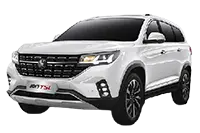 T5L
T5L T5
T5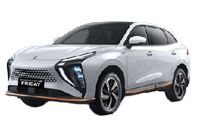 Friday
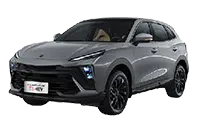 T5 HEV
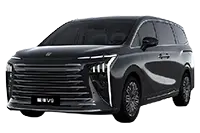 V9
V9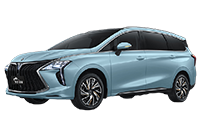 UTOUR (M4)
 M5 EV
M5 EV M5
M5 Lingzhi Plus
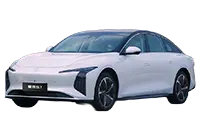 S7
S7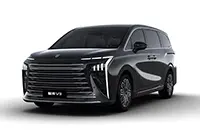 V9 HEV
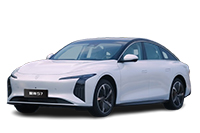 S7
S7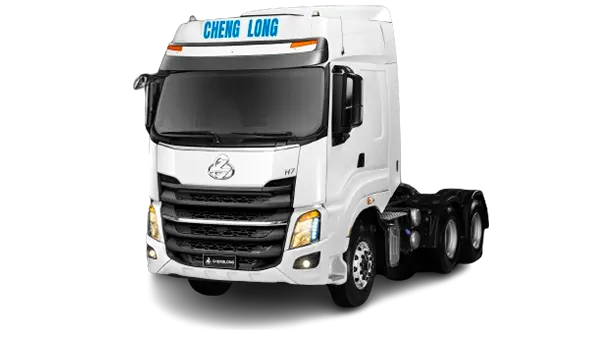 6X4 H7 Tractor
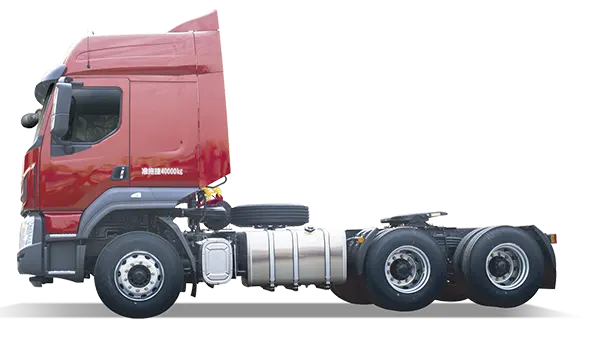 6X4 H5 Tractor
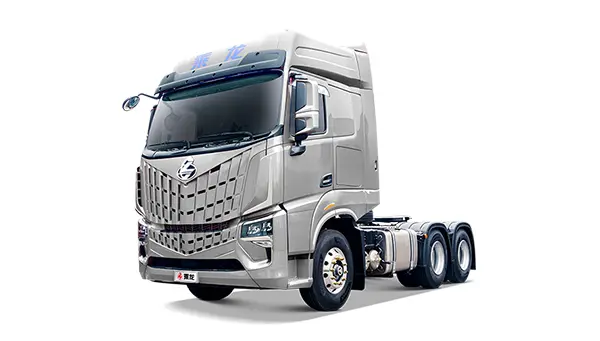 6X4 HK Tractor
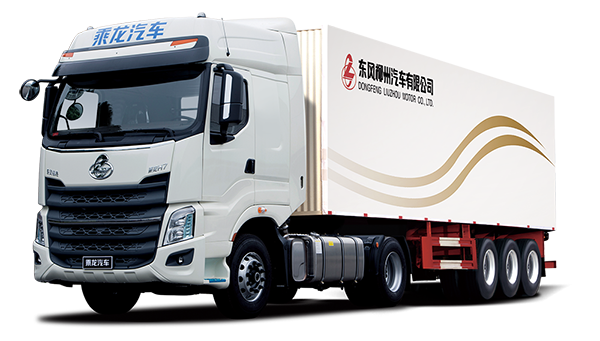 4X2 H7 Tractor
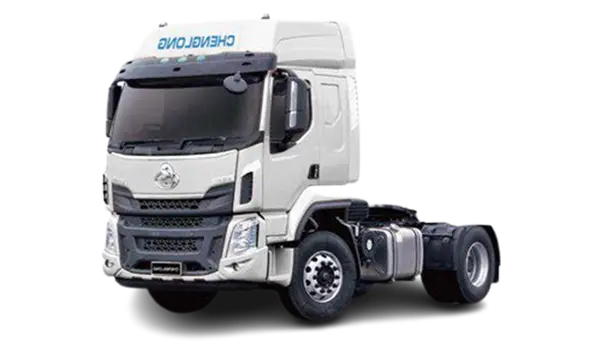 4X2 H5Tractor
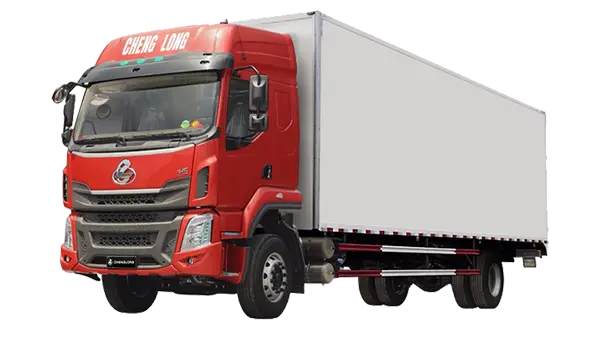 4X2 H5 Cargo Truck
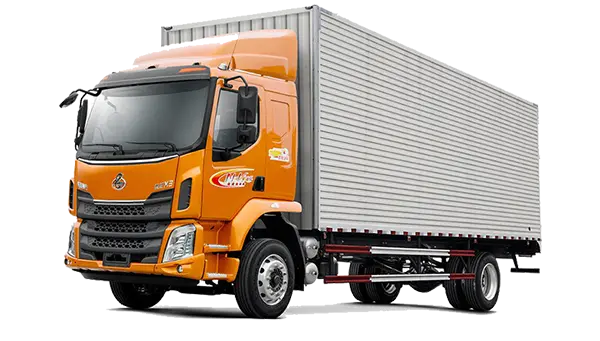 4X2 M3 Cargo Truck
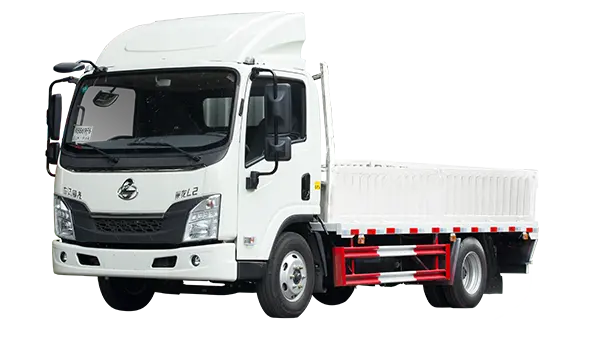 4X2 L2 Cargo Truck
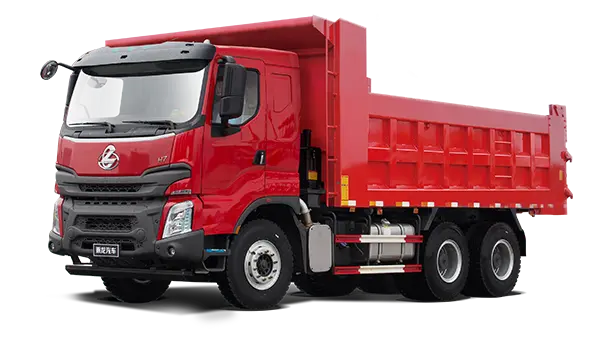 6X4 H7 Dump Truck
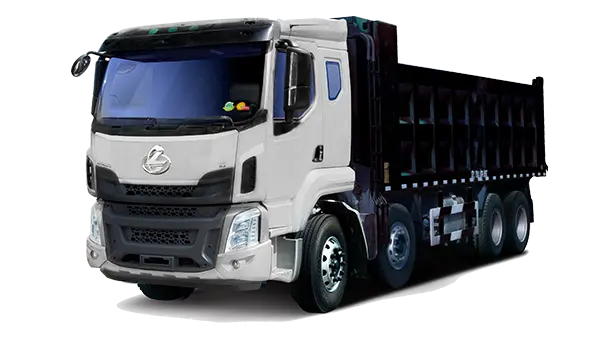 6X4 H5 Dump Truck
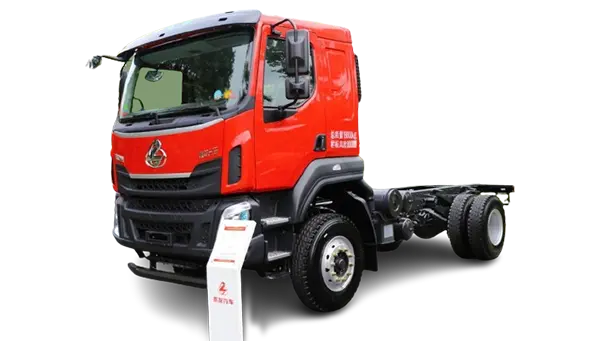 4X2 H5 Dump Truck
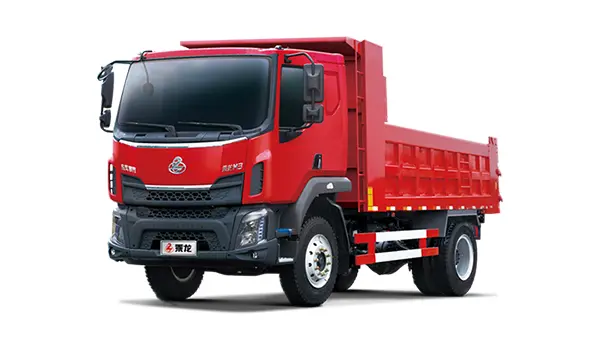 4X2 M3 Dump Truck
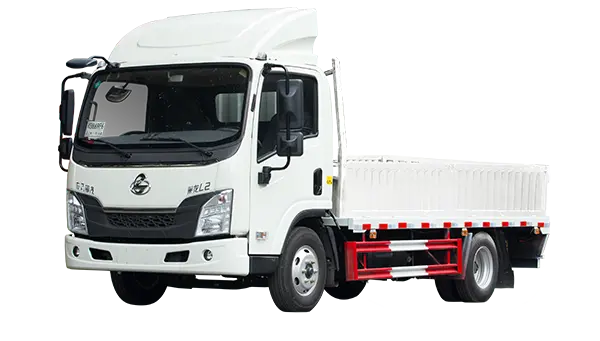 Light Truck L2
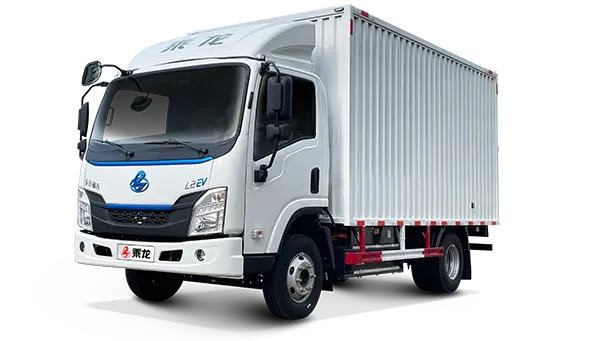 Light Truck L2 EV
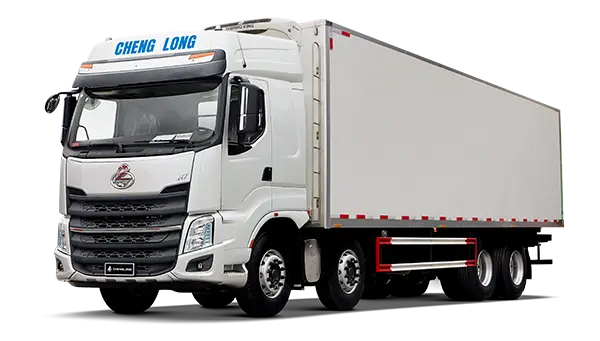 H7 Refrigeratior Truck
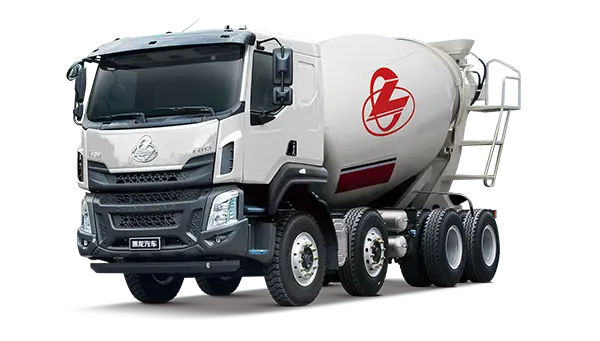 H5 Mixer Truck
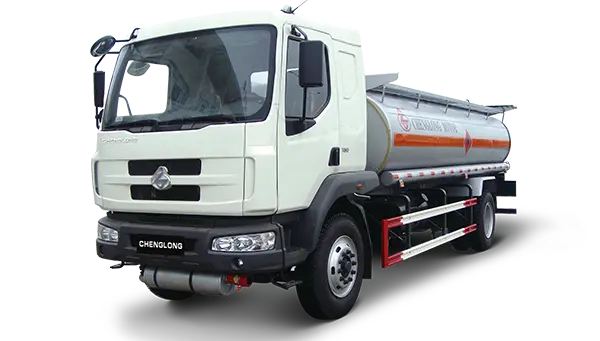 M3 Tank Truck
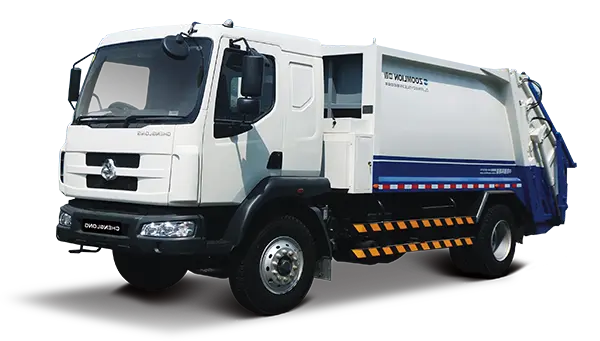 M3 Sanitation Truck
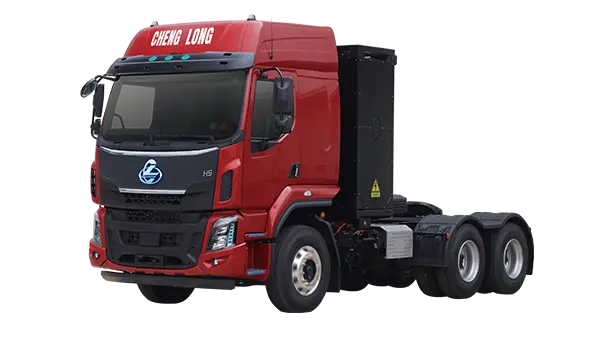 6X4 H7 Electric Truck
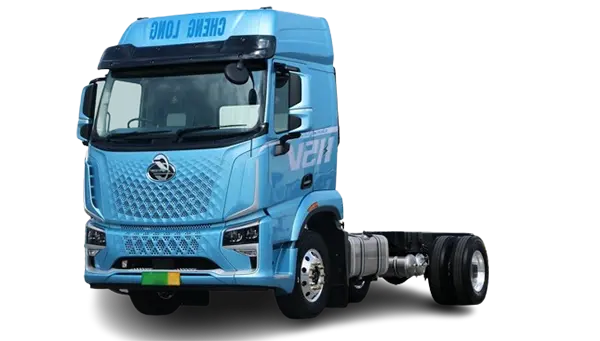 4X2 H5V Electric Truck
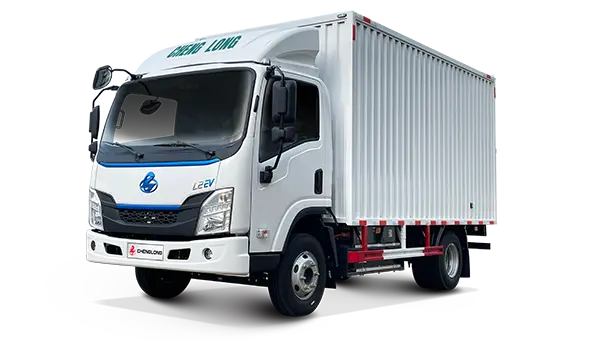 4X2 L2 Electric Truck