2026 Best Box Truck For Rent Options for Your Business Needs?
Finding the right transportation solution is vital for any business. A reliable box truck for rent can make all the difference. These vehicles are designed to handle various logistics challenges, from moving furniture to transporting goods. With the rise of e-commerce, the demand for efficient delivery options has increased.
Many companies face the dilemma of choosing the right box truck for their needs. Not all rental options are created equal. Factors such as size, load capacity, and fuel efficiency matter. Some businesses may find that a smaller truck suits their needs better. Others may require larger vehicles with more storage space. Each choice impacts costs and efficiency.
Choosing the best box truck for rent requires careful consideration. It’s essential to assess your unique needs, budget, and rental policies. Some options may lack transparency in their pricing or have hidden fees. A thorough review of customer experiences can provide insight. This journey may not be straightforward, but with the right information, you can find a rental that aligns with your business's needs.
Top Box Truck Rental Companies for 2026 Business Needs
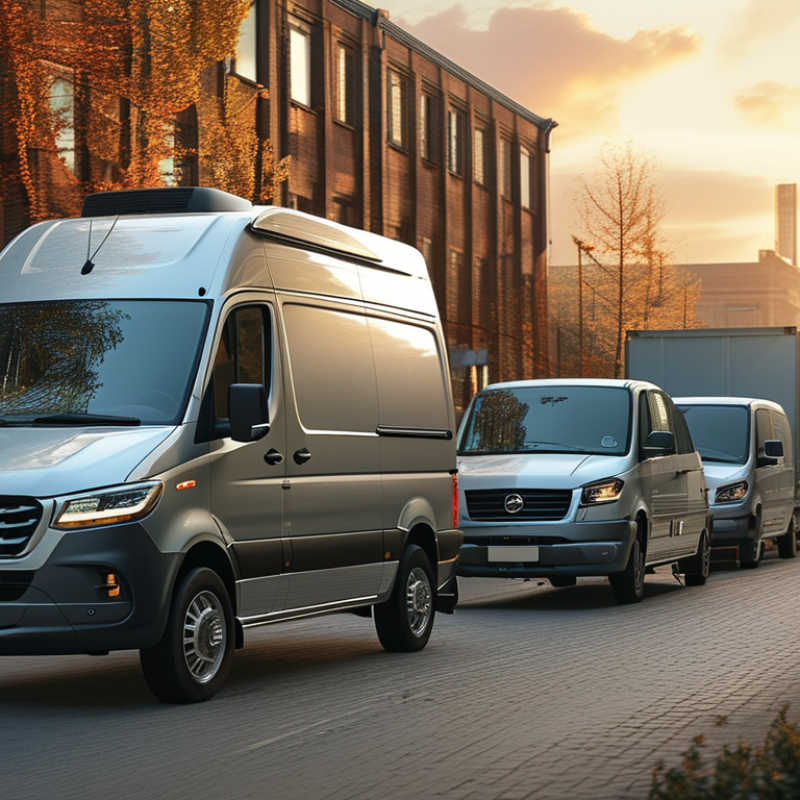
When considering box truck rentals for your business in 2026, it's critical to evaluate your options carefully. A recent industry report indicates that the box truck rental market is expected to grow by 4.5% annually through 2026. This growth underscores the increasing demand for flexible transportation solutions among businesses of all sizes.
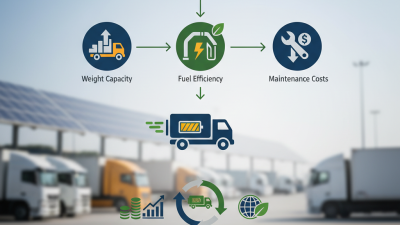
Several box truck rental companies stand out in terms of reliability and customer service. Key factors to consider include rental rates, vehicle availability, and the geographical reach of the service. For example, companies offering a diverse fleet can cater to specific needs. Businesses requiring heavy freight transportation need trucks with higher payload capacities. Data reveals that trucks with a gross vehicle weight rating (GVWR) of 10,000 to 26,000 pounds are popular among commercial users.
Furthermore, assessing additional services like roadside assistance and mileage options is vital. The complexity of rental agreements can sometimes lead to hidden costs, which many customers overlook. These factors can significantly impact your bottom line. As observed, a survey showed that 30% of businesses felt misled by hidden fees in rental contracts. Always read the fine print before committing to a rental agreement.
2026 Box Truck Rental Options Overview
This chart illustrates the average monthly rental costs for different sizes of box trucks in 2026. The data showcases the growing demand for various truck sizes to meet diverse business needs.
Factors to Consider When Selecting a Box Truck Rental
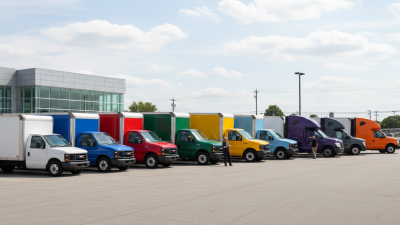
When selecting a box truck rental, the size is crucial. Understand your cargo needs. Assess the dimensions of what you’ll transport. A truck too small may lead to multiple trips, wasting time and fuel. Conversely, a large truck can be harder to maneuver in tight spaces. Consider your regular routes. Will you navigate city streets or highways? It’s vital to match truck size to your operational realities.
Next, focus on the truck's condition. Older trucks may have hidden issues. Always inspect before renting. Look for signs of wear or damage. Check the tires, brakes, and engine. A reliable truck reduces the risk of breakdowns during your rental period. Remember, a dependable vehicle is essential for maintaining your customer satisfaction.
Lastly, evaluate rental terms and costs. Hidden fees can inflate your expenses. Read the contract carefully, especially regarding mileage limits and fuel policies. Transparency is key. Ensure you understand the insurance options available. This can protect your business from unexpected liabilities. Deciding on the right box truck rental isn’t simple. Take your time to research and consider your unique business needs.
Comparing Different Box Truck Sizes and Their Usages
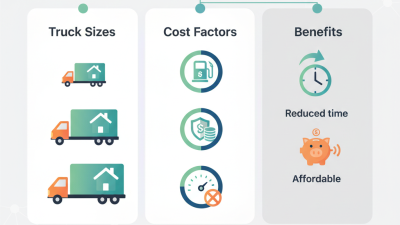
When selecting a box truck for rental, understanding the different sizes is crucial. Smaller trucks, often 10 to 12 feet, are ideal for local moves. They can easily navigate tight city streets.
These trucks are great for transporting furniture or appliances. However, their limited capacity may not suit larger loads.
On the other hand, medium-sized trucks, around 14 to 16 feet, offer more versatility. They work well for small businesses that need to deliver goods frequently.
These trucks can handle a moderate amount of cargo. Yet, they may still require multiple trips for larger inventories. It's important to evaluate your specific requirements before choosing.
Large box trucks, typically 20 to 26 feet, cater to bigger transport needs. They are perfect for relocating businesses or moving large items. Their spacious interiors help accommodate a substantial load.
But, they can be unwieldy in urban areas. Maneuvering these trucks requires experience. Business owners should weigh both size and operational challenges before making a choice.
Understanding Rental Costs and Budgeting for Box Trucks
When considering renting a box truck, understanding rental costs is crucial. A recent industry report indicates that rental prices range between $50 to $150 per day, depending on size and location. Smaller trucks tend to be less expensive, while larger models often incur higher fees. Additionally, mileage charges can add to the overall cost, averaging around $0.10 to $0.30 per mile after a certain limit.
Budgeting effectively is essential for businesses. Apart from daily rates, consider insurance and potential damage fees. Some reports suggest that up to 15% of rental costs can come from unexpected fees. It's wise to read the rental agreement closely. Hidden costs can lead to inflated budgets, creating tension when financial plans are mismanaged.
Evaluating total expenses can be tricky. Many customers overlook fuel efficiency when selecting a box truck. Trucks vary widely in fuel consumption, with some models averaging 10-15 miles per gallon. This can significantly influence overall operational costs. Taking time to analyze all these factors allows business owners to make informed decisions. It’s a thoughtful approach to avoid overspending and ensure the best fit for business needs.
Additional Services and Insurance Options for Box Truck Rentals
When considering box truck rentals, understanding additional services and insurance options is essential. Many businesses underestimate the need for comprehensive insurance. According to industry reports, about 30% of small businesses experience unexpected transportation issues. Without the right coverage, these challenges can lead to significant financial loss.
Different rental companies offer various insurance packages. Liability insurance is crucial, especially for first-time renters. This protection ensures liability coverage during accidents. Some companies may provide coverage against cargo damage as well. However, renters should be aware that these options might increase overall costs by up to 25%.
It's also important to evaluate additional services. Some firms offer GPS tracking and roadside assistance. This added support can minimize disruptions significantly. Despite these advantages, not every rental includes such services, which can lead to confusion during critical moments. Carefully review the contract and clarify what is included. Failure to do so can affect the efficiency of your operations and impact customer satisfaction, highlighting the need for thorough preparation.
2026 Best Box Truck For Rent Options for Your Business Needs
| Truck Size |
Max Payload |
Rental Price (per day) |
Insurance Options |
Additional Services |
| 16 ft |
3,000 lbs |
$85 |
Basic Liability, Full Coverage |
GPS, Moving Supplies |
| 20 ft |
4,500 lbs |
$120 |
Basic Liability, Full Coverage, Cargo Insurance |
Loading Assistance, Packing Services |
| 22 ft |
6,000 lbs |
$140 |
Basic Liability, Full Coverage |
24/7 Roadside Assistance, Box Delivery |
| 26 ft |
10,000 lbs |
$180 |
Full Coverage, Cargo Insurance |
Optional Driver, Forklift Service |

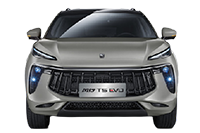 T5EVO
T5EVO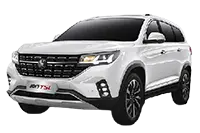 T5L
T5L T5
T5 Friday
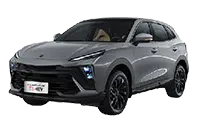 T5 HEV
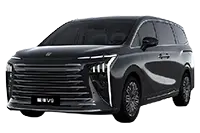 V9
V9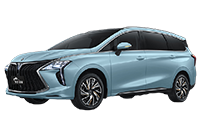 UTOUR (M4)
 M5 EV
M5 EV M5
M5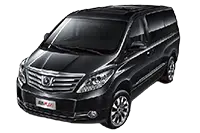 Lingzhi Plus
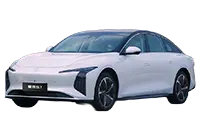 S7
S7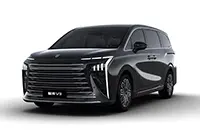 V9 HEV
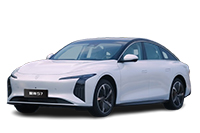 S7
S7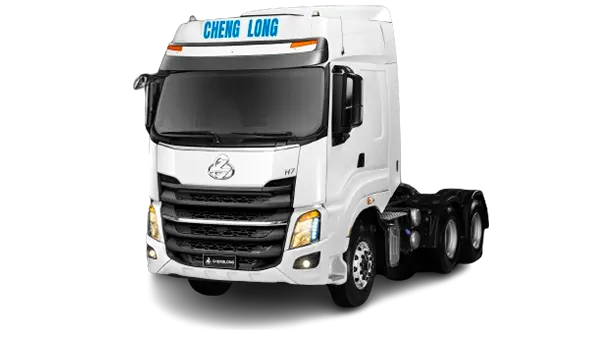 6X4 H7 Tractor
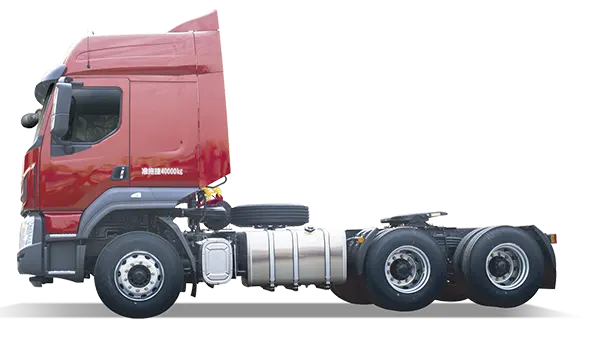 6X4 H5 Tractor
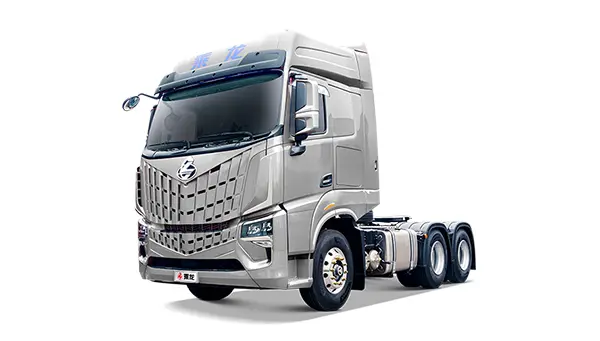 6X4 HK Tractor
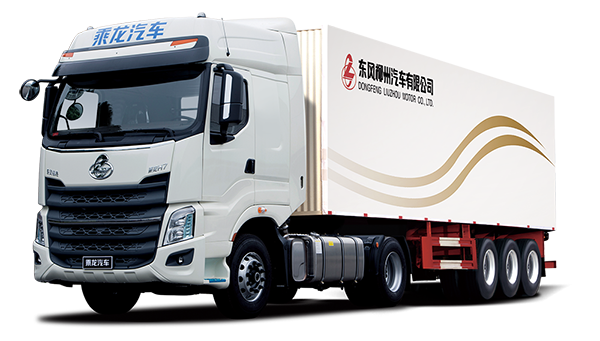 4X2 H7 Tractor
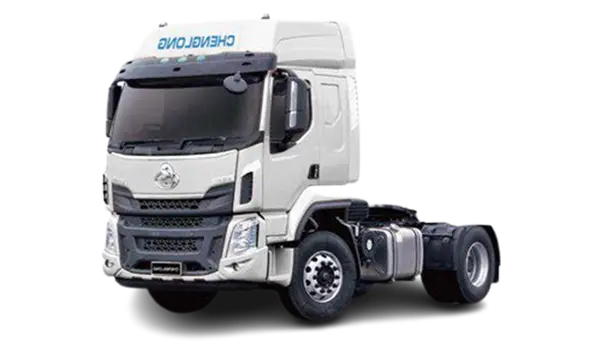 4X2 H5Tractor
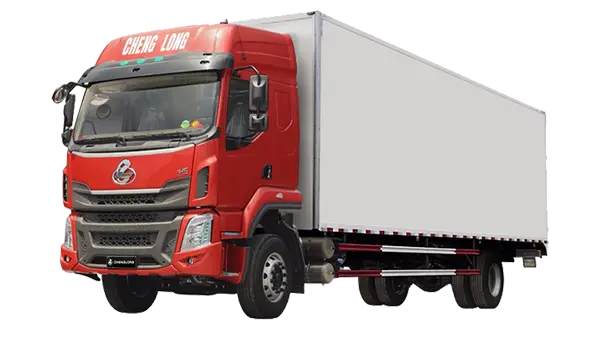 4X2 H5 Cargo Truck
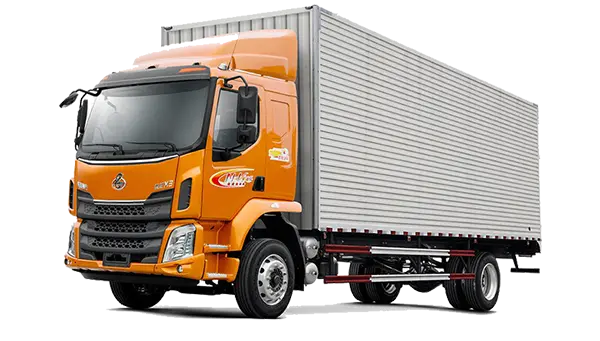 4X2 M3 Cargo Truck
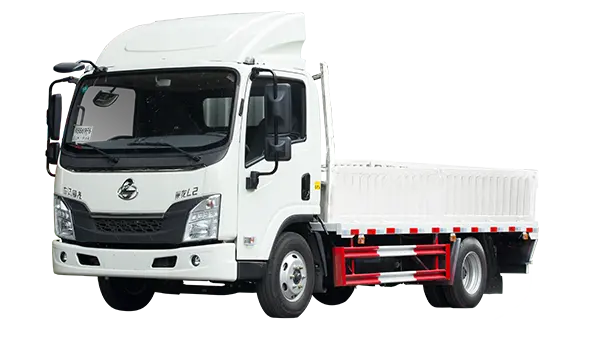 4X2 L2 Cargo Truck
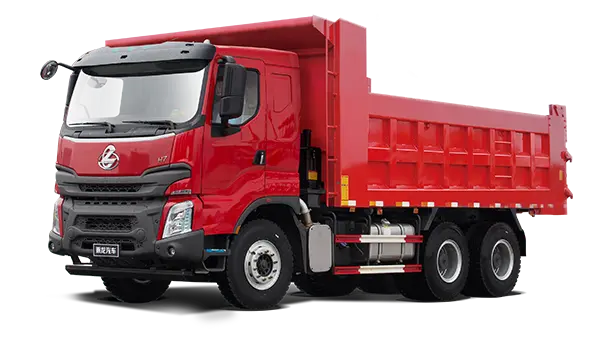 6X4 H7 Dump Truck
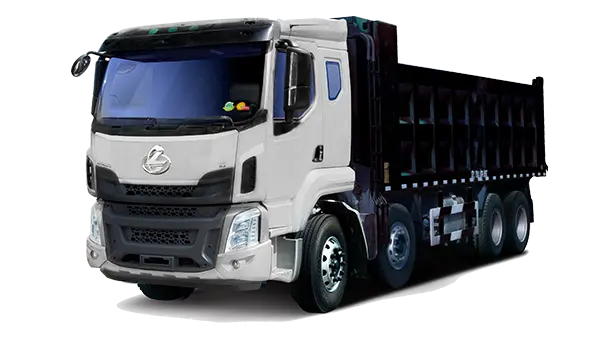 6X4 H5 Dump Truck
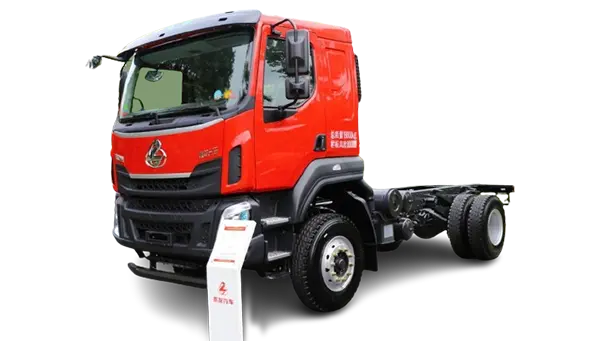 4X2 H5 Dump Truck
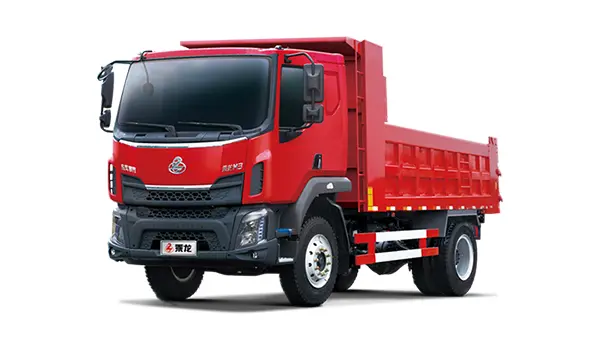 4X2 M3 Dump Truck
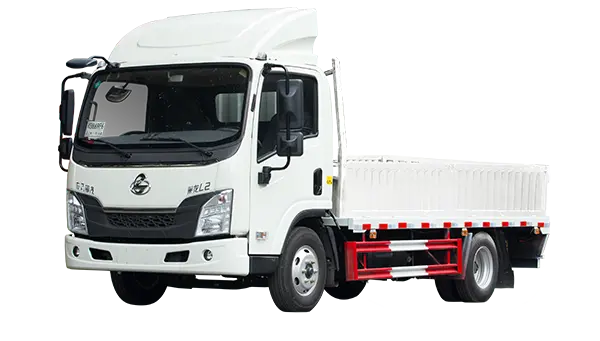 Light Truck L2
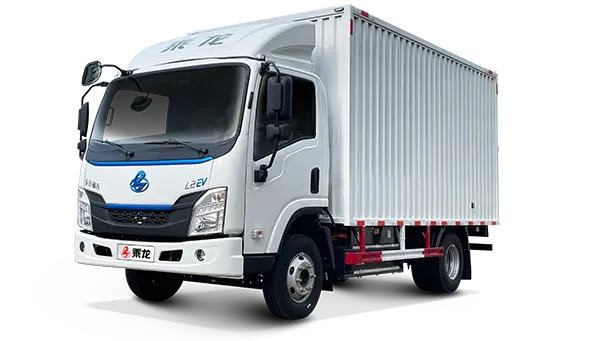 Light Truck L2 EV
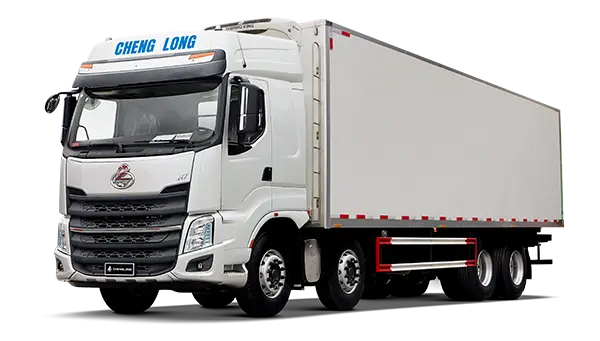 H7 Refrigeratior Truck
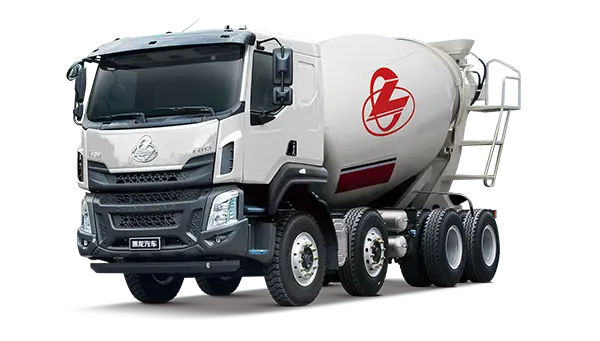 H5 Mixer Truck
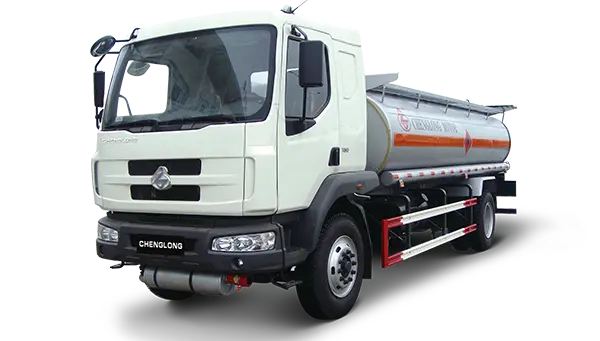 M3 Tank Truck
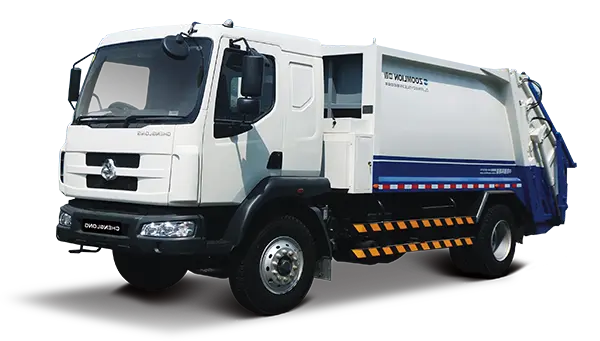 M3 Sanitation Truck
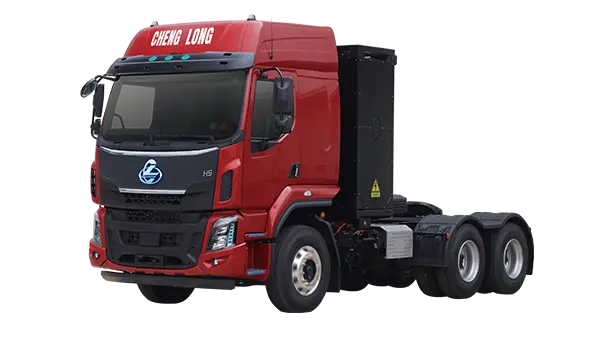 6X4 H7 Electric Truck
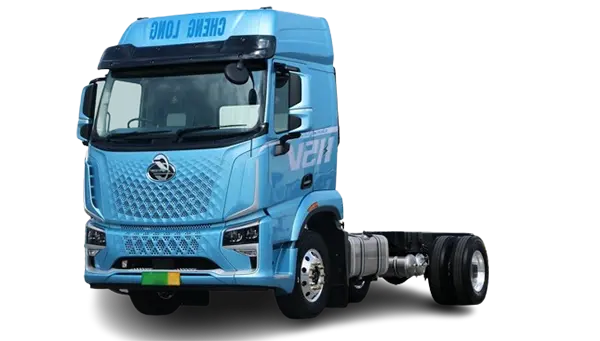 4X2 H5V Electric Truck
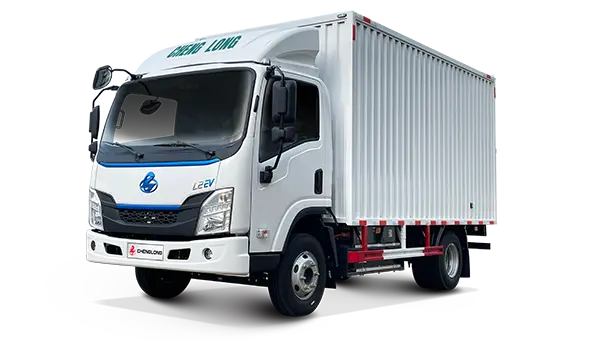 4X2 L2 Electric Truck