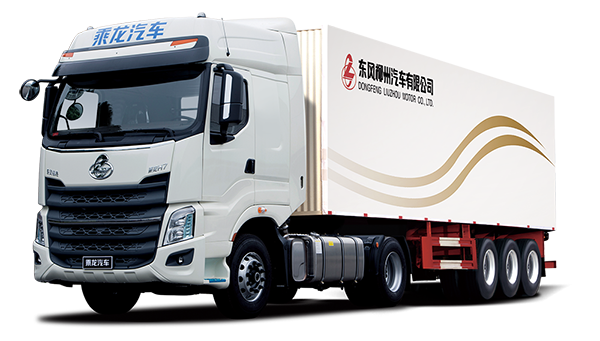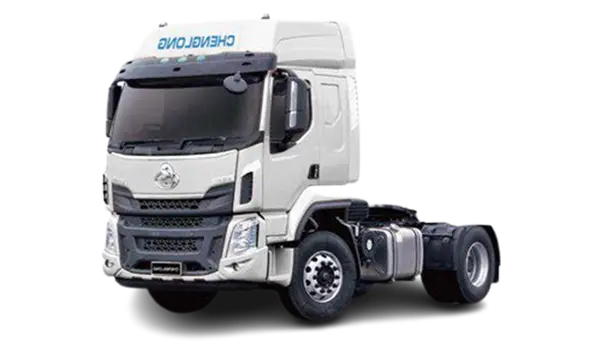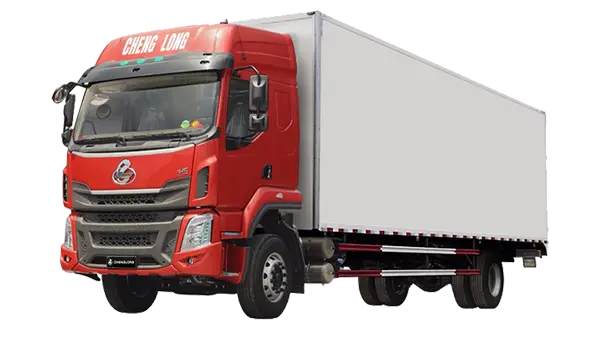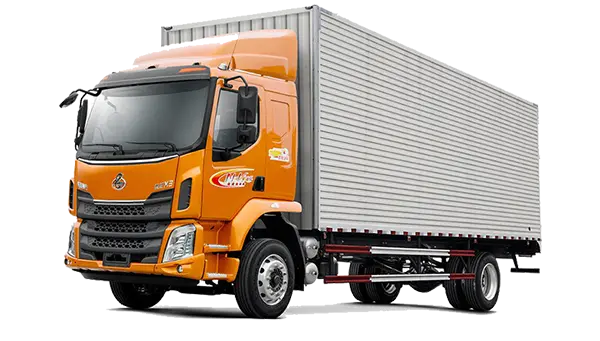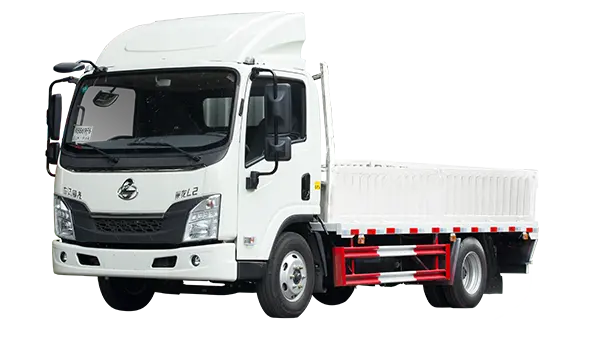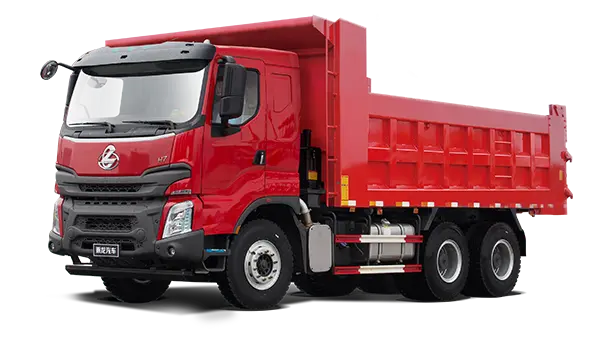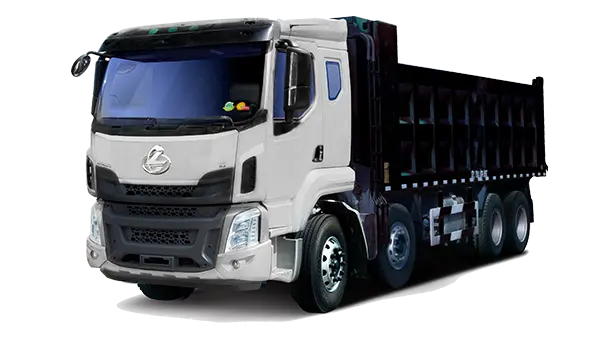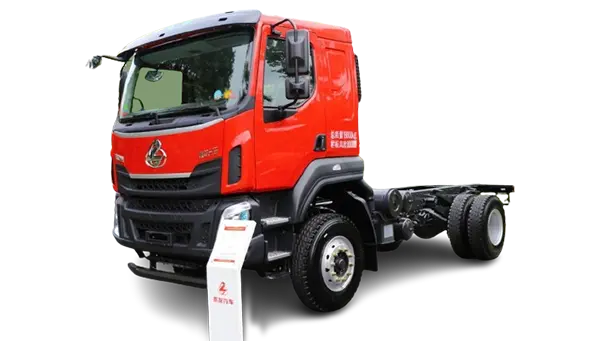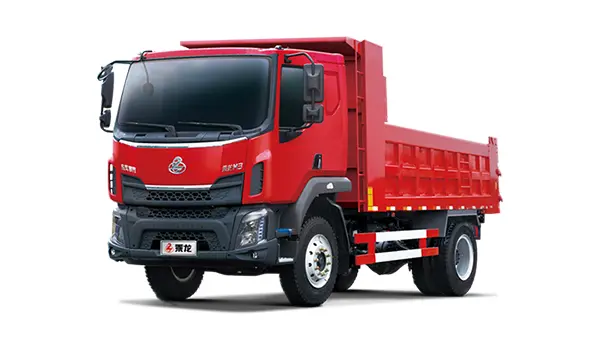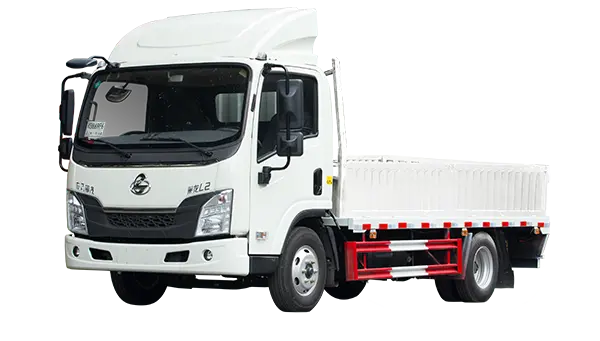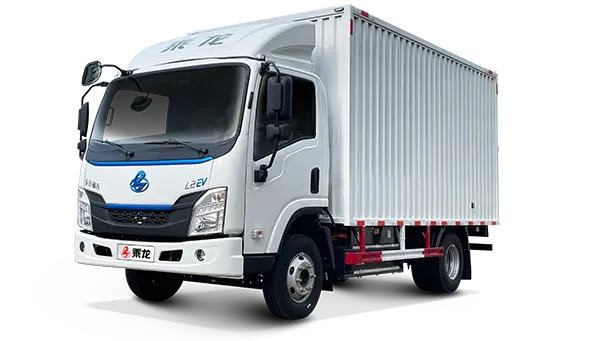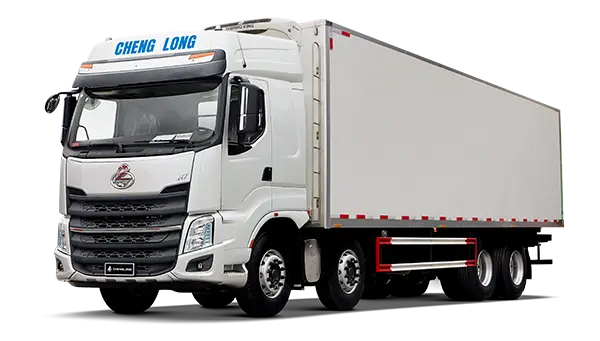
Finding a dependable Box Truck For Rent in 2026 requires more than comparing daily prices. Vehicle size, cargo protection, mileage limits, and roadside support can change the real cost. A 12-foot truck may suit apartment furniture, while a 26-foot model could handle a small commercial relocation. Measure your largest items carefully. Guessing can become expensive.
This guide examines leading rental options across North America, Europe, Asia-Pacific, and other major markets. It considers fleet condition, booking flexibility, insurance choices, loading equipment, fuel policies, and customer reviews. Local providers may offer better rates, while international brands often provide broader support networks. Availability differs by city and season. Always confirm details directly with the rental company.
Real-world experience matters here. Drivers often notice hidden problems during pickup, such as worn lift gates, unclear damage records, or restricted mileage. Take photographs before departure. Check tire condition, mirrors, lights, locks, and loading ramps. Small details protect your schedule. Still, no ranking can fit every renter perfectly. A company praised in one region may perform poorly elsewhere. That limitation deserves attention.
The best choice depends on cargo weight, route length, driving comfort, and delivery timing. Businesses should also review vehicle dimensions and permitted operating requirements with local authorities. Personal renters need clear contracts and transparent deposits. This 2026 overview aims to make those decisions easier, not pretend that one truck serves everyone. Expect practical comparisons, realistic cautions, and useful questions to ask before signing.
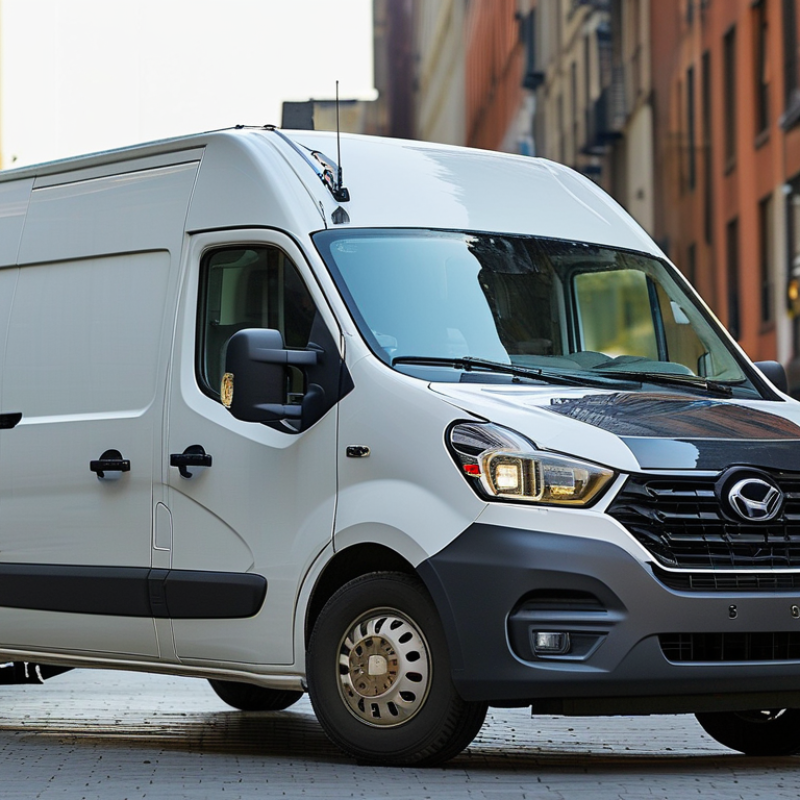
2026 Top Box Truck For Rent Options Worldwide?
Box trucks between 10,001 and 26,000 pounds GVWR serve moving, delivery, and equipment transport needs. Under FMCSA rules, a vehicle above 10,000 pounds used in interstate commerce can face federal safety requirements. These may include driver qualification records, vehicle inspections, cargo securement, and hours-of-service limits. A CDL is generally required at 26,001 pounds or more, not at 26,000 pounds. Always verify the exact plate rating.
For city deliveries, a 12,000–16,000-pound truck offers easier parking and lower fuel use. A 16,001–22,000-pound model provides more payload without feeling oversized on narrow streets. Heavy furniture, appliances, or construction materials may justify a 22,001–26,000-pound option. Choose a liftgate when loading pallets from ground level. Check the box length, interior height, ramp condition, tire wear, and tie-down points before accepting the vehicle. Small details matter.
Global rentals require extra caution. FMCSA rules apply to qualifying U.S. operations, while other countries use different weight limits and licensing systems. Ask for the truck’s GVWR, curb weight, payload rating, insurance terms, and roadside support in writing. A rental clerk may quote cargo space but overlook axle limits. That mistake can affect safety and cost. I would also photograph existing damage, test the brakes gently, and confirm whether the vehicle is restricted to local travel. Bigger is not always better.
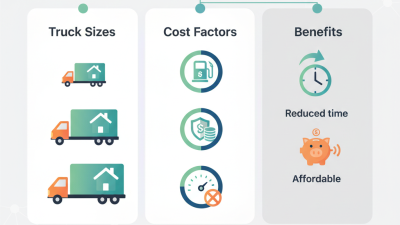
In 2026, box truck rental choices typically range from 10 to 26 feet. Their practical cargo volume spans roughly 300 to 1,800 cubic feet. A 10-foot body may hold small furniture, cartons, or retail fixtures. A 26-foot body can handle several rooms of household goods or palletized freight. Interior height and wheel-well placement change the usable space.
The American Trucking Associations’ 2024 Freight Transportation Forecast reports that trucks moved about 72.6% of domestic freight tonnage in the United States. That scale explains the demand for flexible rental capacity, but volume alone can mislead. A vehicle rated at 1,800 cubic feet may lose space around wheel arches, doors, and load restraints. Payload matters too. The U.S. Department of Energy’s Transportation Energy Data Book shows how vehicle weight affects fuel use, so an oversized truck can increase operating cost without improving delivery efficiency. I would measure the actual cargo, not trust a rounded listing.
2026 box truck rental prices vary sharply by region, vehicle size, and included equipment. In the United States and Canada, a standard 16–26-foot truck often costs $110–$190 daily. Weekly rates usually range from $600–$1,050. Mileage charges commonly add $0.35–$0.75 per mile. Liftgates, extra insurance, and urban depots can raise the final invoice.
Western European rentals typically start near €120 daily and reach €220 for larger vehicles. Weekly pricing ranges from €700–€1,300, while mileage fees often fall between €0.30 and €0.65 per kilometer. Australia and New Zealand frequently show A$160–A$280 daily rates. Weekly rentals may cost A$950–A$1,650, with mileage near A$0.45–A$0.90.
Asia-Pacific markets can offer lower base rates, often around $90–$180 daily. Weekly pricing may reach $520–$1,000, with mileage charges near $0.25–$0.60. These figures are planning benchmarks, not fixed quotations. Taxes, deposits, fuel policies, and seasonal demand create noticeable differences. I would compare the full contract, not only the advertised daily rate. A low rate can become expensive after mileage and insurance. These estimates remain imperfect, especially across smaller cities and island markets. Day-by-day booking data would improve the comparison.
Box truck rental fleets differ sharply by region. In the United States, common options include 12- to 26-foot bodies, liftgates, and diesel or electric powertrains. The U.S. Bureau of Transportation Statistics identifies trucking as the dominant mode for domestic freight movement. That supports broad rental availability near urban warehouses and retail corridors. Still, rural inventory can be surprisingly thin.
Canada offers similar vehicle layouts, but winter tires, engine heaters, and corrosion protection matter more. Statistics Canada’s Canadian Freight Analysis Framework shows strong freight activity around major population and industrial corridors.
Europe generally favors shorter wheelbases, tighter turning circles, and lower-emission urban vehicles. Eurostat’s road freight statistics show extensive cross-border movement, yet rental rules and vehicle classifications vary between countries. A 3.5-tonne limit may fit one market, but not another.
Australia often requires longer-range planning, especially outside capital cities. BITRE transport statistics highlight the country’s heavy dependence on road freight across long distances.
In Asia-Pacific, fleets range from compact urban trucks to medium-duty vehicles serving ports and regional distributors. The International Road Transport Union’s 2024 driver shortage report indicates continuing pressure on commercial transport capacity worldwide. That pressure can affect rental availability, even when trucks appear listed online. Check payload, internal height, loading access, insurance terms, and local driving requirements before booking. Online availability is not always real availability. That part is easy to underestimate.
Compliance and safety should guide every box truck rental decision. Licensing rules vary by vehicle weight, destination, and local authority. A standard car license may not cover a heavier truck. Confirm the required class before signing any agreement. Ask for the truck’s gross vehicle weight rating, registration details, and inspection record. Requirements can differ between neighboring countries.
Insurance needs equal attention. Check whether the rental includes liability, collision, cargo, and roadside protection. Read exclusions carefully, especially for loading damage and cross-border travel. Never assume full coverage. Payload limits protect brakes, tires, suspension, and steering. Weigh the cargo, then distribute it low and evenly. Keep heavy items near the front axle, without exceeding axle limits. Small errors matter. A rushed loading plan can create serious handling problems.
Tips: Photograph the truck before departure. Record existing dents, tire condition, warning lights, and fuel level. Verify the emergency equipment and secure every load with suitable restraints. For diesel or alternative-fuel vehicles, request current EPA or equivalent emissions compliance information. Environmental standards differ worldwide, and older vehicles may face access restrictions. A final route check can reveal height limits, clean-air zones, and seasonal rules. I would not rely only on online listings; official transport guidance is more dependable, though sometimes confusing.