What are the Benefits of Hybrid Electric Vehicles for Businesses?
In the modern business landscape, adopting sustainable practices is essential. Hybrid Electric Vehicles (HEVs) are at the forefront of this shift. According to industry expert Dr. Emily Carter, a leading voice in automotive sustainability, “The integration of HEVs can significantly reduce operational costs for businesses while lowering their carbon footprint.”
HEVs combine traditional gasoline engines with electric propulsion. This unique design leads to better fuel efficiency. Businesses can benefit from lower fuel expenses and decreased maintenance costs. Additionally, the environmental advantages are evident. Companies using HEVs demonstrate responsibility and commitment to sustainability. Adopting such vehicles can enhance brand reputation.
However, transitioning to HEVs is not without challenges. Initial costs may deter some businesses. There is also the need for adequate charging infrastructure. Organizations must weigh these considerations carefully. Ultimately, the benefits often outweigh the drawbacks, making HEVs an attractive option for modern enterprises looking to innovate and lead in their industries.
Benefits of Reduced Fuel Costs in Hybrid Electric Vehicles for Businesses
Hybrid electric vehicles (HEVs) offer numerous advantages for businesses, particularly in reducing fuel costs. HEVs typically consume less fuel compared to conventional vehicles. This means businesses can significantly lower their monthly fuel expenses. For example, a delivery service that adopts HEVs might see a 30% reduction in fuel costs. This can translate to substantial savings over time.
Furthermore, HEVs benefit from regenerative braking technology. This feature allows the vehicle to recover energy during braking, enhancing overall efficiency. Businesses operating in urban environments can particularly take advantage of this, where frequent stopping and starting occur. The fuel savings can be reinvested into other areas of the business. However, the initial investment in HEVs can be a hurdle for some companies.
Moreover, maintenance costs for HEVs tend to be lower since they have fewer moving parts than traditional engines. This can lead to fewer breakdowns and repairs. Yet, not all businesses may experience these benefits immediately. Factors like driving patterns and vehicle utilization can affect fuel savings. Each business must carefully evaluate its specific circumstances. Being mindful of these aspects provides a clearer picture of the potential advantages of adopting hybrid technology.
Benefits of Hybrid Electric Vehicles for Businesses
Enhanced Operational Efficiency through Hybrid Electric Vehicles
Hybrid electric vehicles (HEVs) can significantly enhance the operational efficiency of businesses. These vehicles combine a traditional internal combustion engine with an electric motor. This combination allows for improved fuel efficiency and reduced emissions. For businesses focused on sustainability, adopting HEVs can send a positive message to customers and stakeholders.
Operational costs can decrease with HEVs. They typically require less maintenance than conventional vehicles. Regenerative braking systems help recharge the battery during driving. This feature can lead to fewer mechanical issues and lower repair expenses over time.
However, companies should consider the initial investment in HEVs. These vehicles can be more expensive upfront. The technology is also constantly evolving, which may lead to concerns about obsolescence. Businesses might need to rethink their fleet upgrade strategies more frequently. Overall, while HEVs offer many benefits, careful planning and consideration are essential for maximizing their value in a business context.
Environmental Advantages of Hybrid Electric Vehicles for Corporate Fleets
Hybrid electric vehicles (HEVs) offer several environmental advantages, particularly for corporate fleets. According to a report from the International Council on Clean Transportation, HEVs can reduce greenhouse gas emissions by up to 25% compared to conventional vehicles. This reduction is crucial for businesses looking to enhance their sustainability efforts. Companies that embrace HEVs can notably improve their overall carbon footprint.
An additional benefit is in fuel efficiency. HEVs typically achieve 20-40% better mileage than traditional gasoline vehicles. This efficiency leads to lower fuel costs and can help businesses save significantly over time. Furthermore, adopting hybrid technology can strengthen a company's reputation. A poll by Deloitte showed that 68% of consumers prefer to engage with environmentally friendly brands. This preference can translate into increased sales and customer loyalty.
Tip: Evaluate the specific needs of your fleet before making the transition. Consider range, maintenance costs, and the potential impact on your operations. A thorough analysis can guide you to the best choices.
While there are clear advantages, there are also challenges. The initial investment in HEVs may be higher than traditional vehicles. Businesses must weigh the long-term savings against upfront costs. Additionally, the availability of charging infrastructure can be a concern in some regions. Understanding the landscape of EV resources is crucial. This knowledge will allow for smarter, more informed decisions.
Tax Incentives and Financial Benefits for Businesses Using Hybrid Electric Vehicles
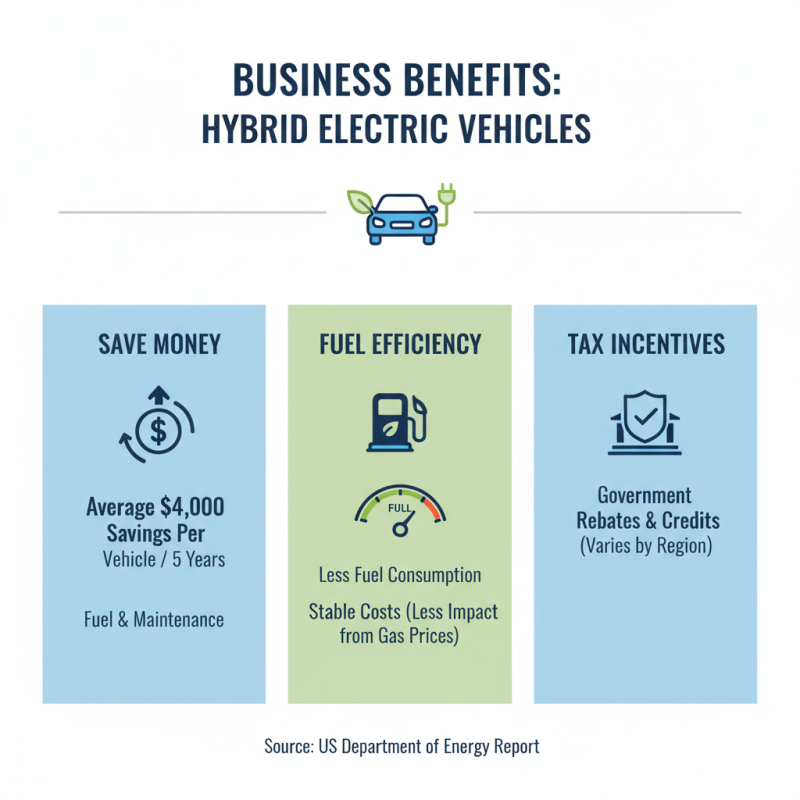
Hybrid electric vehicles (HEVs) are gaining traction among businesses due to their financial advantages. According to a report from the U.S. Department of Energy, companies can save an average of $4,000 per vehicle over five years. This figure includes savings on fuel and maintenance. HEVs consume less fuel, making them cost-effective, particularly as gas prices fluctuate.
Tax incentives can significantly enhance these savings. Many local governments offer tax credits for businesses that invest in HEVs. For instance, businesses may receive a federal tax credit of up to $7,500 per vehicle. This helps to offset initial purchase costs. Additionally, businesses may benefit from lower registration fees and reduced insurance rates.
While the financial benefits are clear, businesses must acknowledge the upfront investment in HEVs can be substantial. The transition may also require staff training to optimize fleet use. It’s essential for businesses to weigh these initial challenges against long-term savings and environmental impact. Ultimately, the benefits can lead to a more sustainable business model.
Improved Corporate Image and Sustainability through Hybrid Electric Vehicle Adoption
Hybrid electric vehicles (HEVs) are revolutionizing business transportation. They offer a unique opportunity for companies to improve their corporate image. By adopting HEVs, businesses showcase their commitment to sustainability. This aligns with the growing consumer demand for eco-friendly practices. An improved image can attract environmentally conscious customers and enhance brand loyalty.
Many businesses overlook the operational benefits of HEVs. They typically feature lower fuel costs and reduced emissions. These factors contribute to cost savings over time. Adopting HEVs can also meet regulatory requirements and avoid penalties. However, it’s important to recognize the initial investment may be higher than traditional vehicles.
Tips: Assess your current fleet and identify vehicles that can be replaced with HEVs. Conduct market research to understand your customer base's environmental preferences. Regularly evaluate expenses and behavioral shifts in your staff with this change. Transitioning to HEVs can be challenging, but the long-term benefits are significant. Balancing environmental goals with operational needs is crucial for successful implementation.
Benefits of Hybrid Electric Vehicles for Businesses
| Benefit |
Description |
Quantitative Impact |
| Improved Corporate Image |
Adopting hybrid electric vehicles showcases a company's commitment to sustainability and environmental responsibility. |
70% of consumers prefer brands that are environmentally friendly. |
| Cost Savings |
Hybrid vehicles typically offer lower fuel costs and maintenance expenses. |
Estimated savings of 30% on fuel costs annually. |
| Tax Incentives |
Businesses can benefit from tax deductions and credits associated with electric vehicle purchases. |
Potential tax credits up to $7,500 per vehicle. |
| Increased Employee Satisfaction |
Offering eco-friendly vehicles can attract eco-conscious talent and improve morale. |
Reduce turnover by 15% in environmentally focused companies. |
| Regulatory Compliance |
Hybrid vehicles help meet local and national emissions regulations more easily. |
Avoidance of fines that can exceed $10,000 per violation. |

 T5EVO
T5EVO T5L
T5L T5
T5 Friday
 T5 HEV
 V9
V9 UTOUR (M4)
 M5 EV
M5 EV M5
M5 Lingzhi Plus
 S7
S7 V9 HEV
 S7
S7 6X4 H7 Tractor
 6X4 H5 Tractor
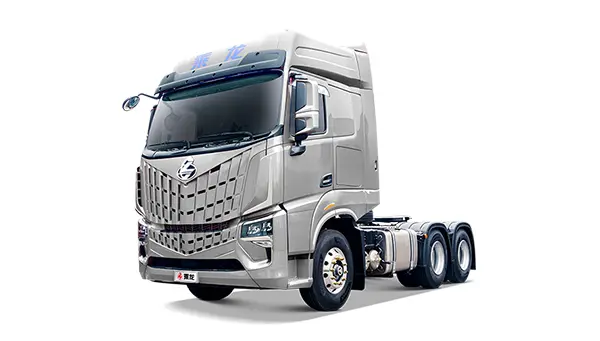 6X4 HK Tractor
 4X2 H7 Tractor
 4X2 H5Tractor
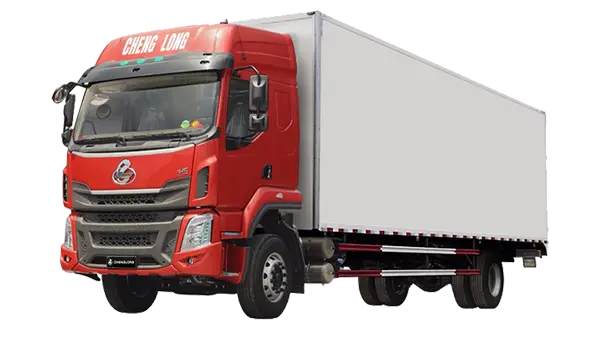 4X2 H5 Cargo Truck
 4X2 M3 Cargo Truck
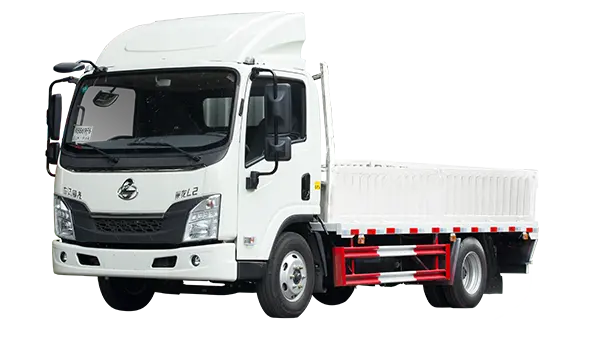 4X2 L2 Cargo Truck
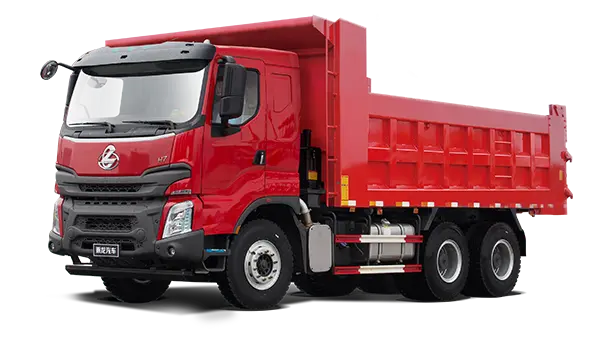 6X4 H7 Dump Truck
 6X4 H5 Dump Truck
 4X2 H5 Dump Truck
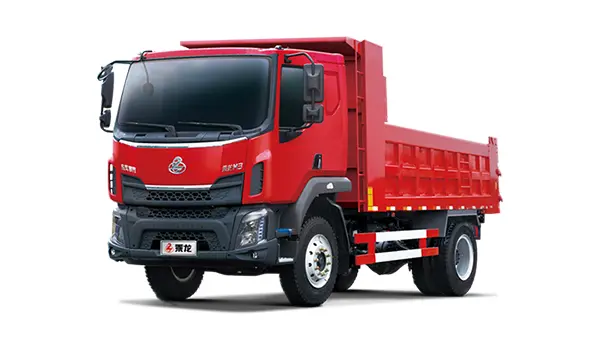 4X2 M3 Dump Truck
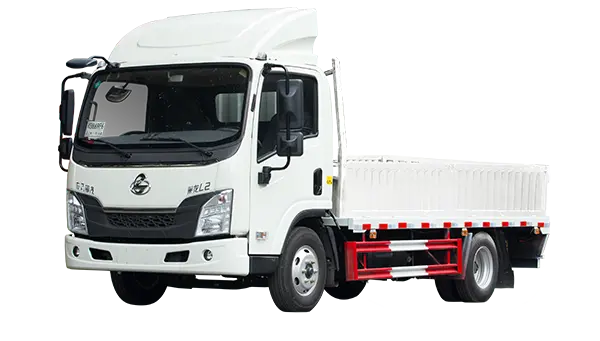 Light Truck L2
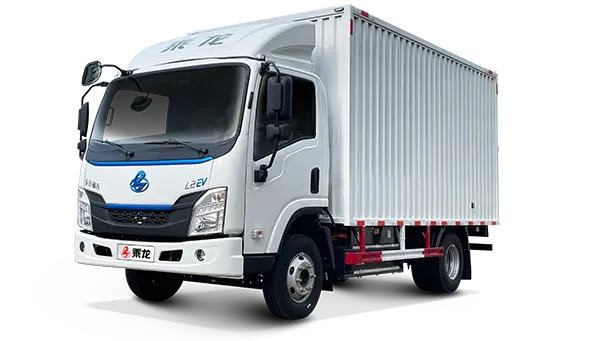 Light Truck L2 EV
 H7 Refrigeratior Truck
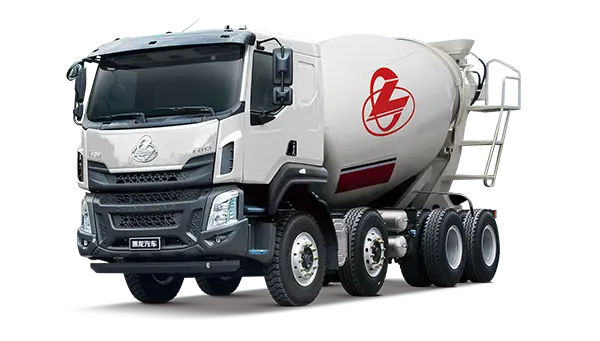 H5 Mixer Truck
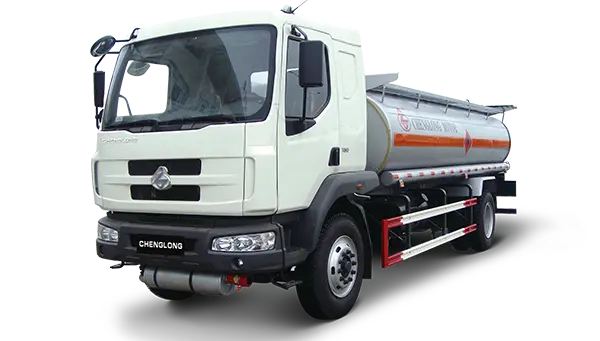 M3 Tank Truck
 M3 Sanitation Truck
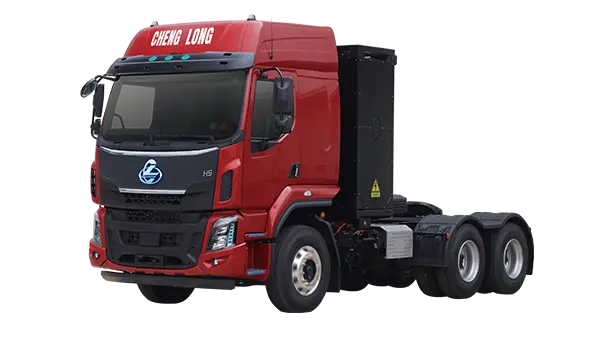 6X4 H7 Electric Truck
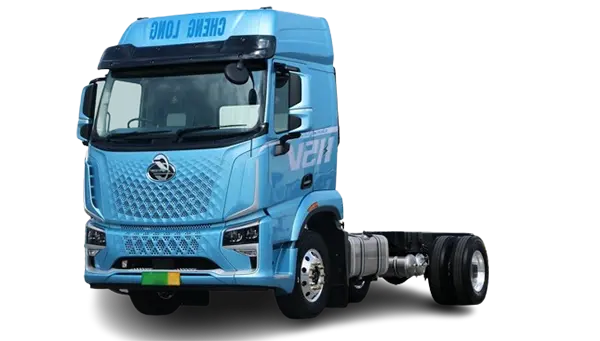 4X2 H5V Electric Truck
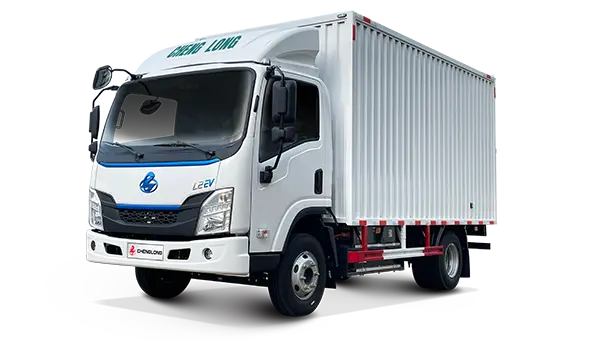 4X2 L2 Electric Truck