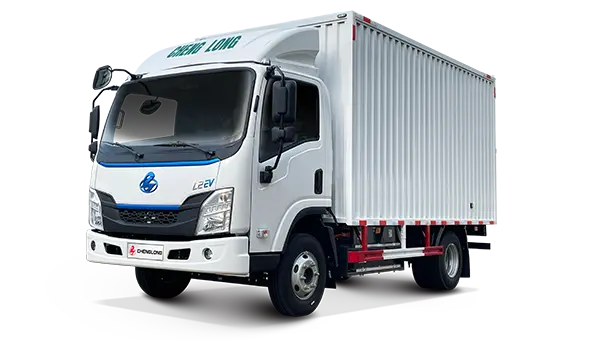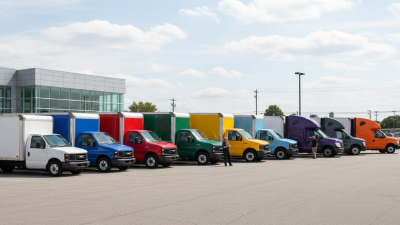
Choosing the best box truck for rent in 2026 is less about finding the biggest vehicle and more about matching the truck to the job. A studio move may need a compact 12-foot truck, while bulky furniture or a small business delivery could call for more cargo space. Check the listed payload, interior dimensions, loading-ramp availability, and rental terms before booking. A truck that looks roomy can still be a poor fit if the load exceeds its rated capacity.
For this introduction, fictional rental-planning expert Jordan Lee offers an illustrative rule: “Choose the smallest truck that safely fits your load, route, and schedule.” This is an original example, not a quotation from a verified industry source. The guide compares common truck sizes and practical features, including cab comfort, fuel expectations, mileage limits, and pickup availability. Details vary by provider and location, so confirm them directly before reserving.
Small details matter. Measure the tallest item, not just the sofa’s width. Check whether the loading area has low branches, tight turns, or limited parking. A liftgate may help with heavy equipment, but it may not be included. The right Box Truck For Rent should suit the cargo and the people driving it. There is no perfect choice. Even careful planning can miss something; a written inventory and a quick call to the rental desk can catch avoidable surprises.

Defining your rental needs starts with the load, not the truck’s advertised size. List the largest items, their approximate weight, and the space needed to secure them. A sofa may fit inside, yet leave no clear path for a hand truck. Measure doorways, loading docks, and parking spaces at both ends. Then compare the usable cargo dimensions and payload rating, not just exterior length. Keep some room for padding and awkward shapes. It is easy to underestimate those.
Mileage and timing matter too. The American Transportation Research Institute reported an average marginal operating cost of $2.260 per mile for trucking in 2023. That figure is not a rental quote, but it shows why distance belongs in your budget. The U.S. Energy Information Administration’s weekly diesel price data also highlights that fuel costs can shift over time and by region. Ask whether fuel, mileage, insurance, and late-return charges are included. Check the liftgate, ramp, and tie-downs before booking; one missing ramp can slow a loading day. I would still allow more time than the estimate suggests. People often plan the drive carefully and rush the loading itself.
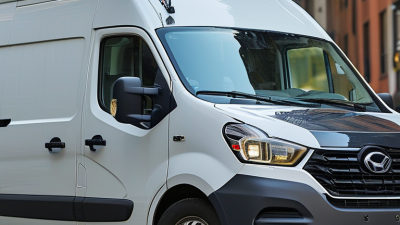
Choosing a box truck starts with the load, not the largest available size. A 10–12-foot truck can suit a studio move, appliance delivery, or a few bulky items. A 16–18-foot truck offers more room for a small home, while a 20–26-foot model can handle multiple rooms or larger commercial loads. Interior height, door opening, and payload capacity matter as much as floor length.
The American Trucking Associations’ 2024 American Trucking Trends report says trucks moved 72.7% of U.S. domestic freight by tonnage in 2022. That broad role covers very different jobs, so one size rarely fits all. For tight urban streets, a shorter truck may be easier to park and maneuver. For furniture, check whether tall pieces can stand upright. For dense materials, confirm the payload limit; an apparently roomy truck can still be overloaded. A common planning mistake is estimating by number of boxes alone.
Tips: Measure your largest item and compare it with the cargo bay’s interior dimensions. Check the ramp or liftgate, too. Measure twice. Leave space for secure loading, and don’t assume advertised capacity equals usable space. If your estimate feels close, choosing a slightly larger truck may help—but it can also make parking harder.
Cargo volumes are typical estimates and vary by truck model and interior configuration. A 10-foot truck can suit a small apartment move or local delivery; 16-foot and 20-foot trucks fit larger household moves or business loads; a 26-foot truck is often chosen for large moves and bulky freight. Check the rental vehicle’s payload limit and interior dimensions before booking.
Choosing a rental box truck starts with the load, not the advertised capacity. Estimate the weight of your furniture, boxes, and equipment, then compare it with the truck’s payload limit. A truck may have enough floor space but still be too heavy once loaded. Measure tall items, too; interior height can vary between vehicles in the same size category. A few inches matter.
Compare features that affect the actual drive. Check the loading ramp, step height, tie-down rails, mirrors, and cab seating. If your route includes low garages, record the truck’s total height before leaving. Ask whether the rental includes a mileage allowance, roadside support, and suitable coverage. Fees can change the final price, so request an itemized estimate rather than relying on the daily rate alone.
The provider matters as much as the vehicle. Confirm pickup hours, return instructions, fuel expectations, and what happens if your reserved truck is unavailable. Read the condition report carefully, then photograph existing dents and the odometer before departure. Small details. It is easy to focus on a low quote and overlook a difficult pickup location or limited support. I would compare two or three written offers, though estimates still may not reveal every inconvenience.
A low daily rate can look attractive until mileage, insurance, and equipment fees appear. Ask for the full estimate in writing, including taxes, a deposit, and charges for extra miles. Check whether the quoted price covers a liftgate, moving blankets, or a hand truck. Small add-ons can change the total.
Read the rental terms before choosing a truck. Confirm pickup and return times, late fees, fuel expectations, and what happens if the vehicle breaks down. Some rentals include limited mileage; others charge for every extra mile. I’ve found that estimating the route twice is wiser than guessing, though traffic can still spoil the math. It happens.
Check the requirements, too. Rental providers may ask for a valid driver’s license, a payment card, proof of insurance, or a minimum age. Rules differ by provider and vehicle, so confirm them directly before booking. Ask what insurance options cover, and what remains your responsibility. At pickup, photograph existing dents, the fuel gauge, and the odometer. Keep the inspection notes. A quick walk-around feels fussy, but it can prevent a frustrating dispute later.
Choosing the right box truck starts with the load, not the advertised capacity.
Measure your largest item, then allow room for padding and safe stacking. A 16-foot truck may suit a small apartment, while furniture from a larger home can need more space. Check the interior height and door opening, too; a tall cabinet can fit inside but fail at the entrance.
Measure twice.
Payload matters as much as cargo volume.
Heavy appliances, books, and tools can reach the weight limit before the truck looks full. Ask for the vehicle’s payload rating and estimate your load honestly.
Match the truck to your route and your comfort behind the wheel.
For narrow streets, tight parking, or a first-time driver, a shorter truck may be easier to handle. If the trip includes hills, compare engine power and braking features, and check whether the vehicle has a rear camera.
That matters.
Inspect the tires, lights, mirrors, and cargo area before leaving, and photograph any existing damage. Confirm what the rental includes, such as mileage, roadside support, and loading equipment.
One imperfect estimate can mean an extra trip, so leave a little space rather than choosing the smallest option.
Still, an oversized truck can be harder to park and may use more fuel.