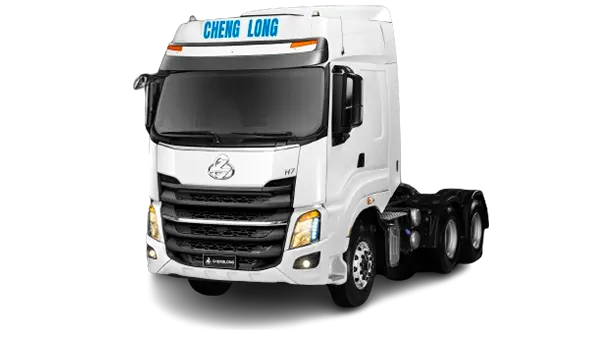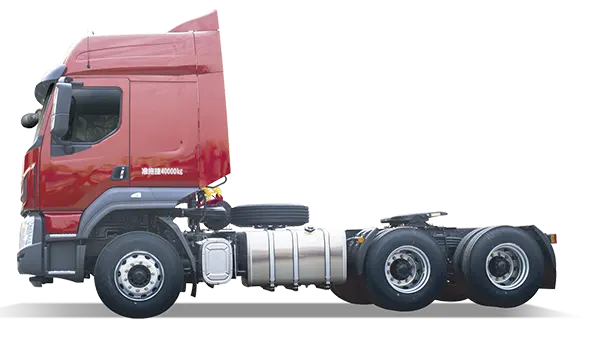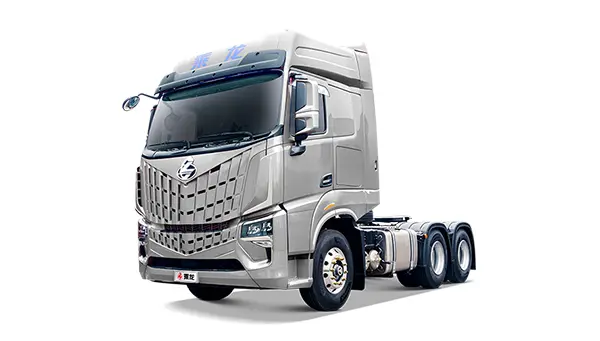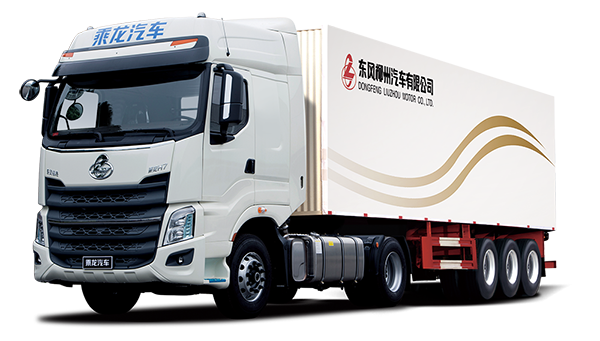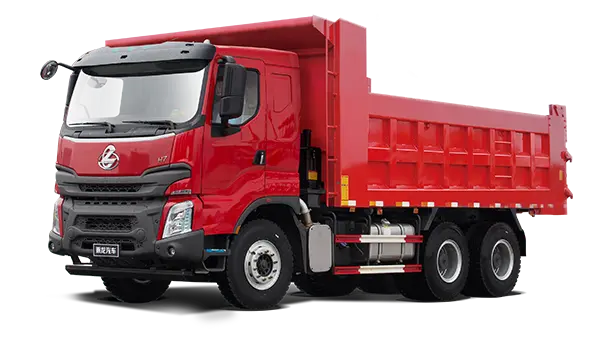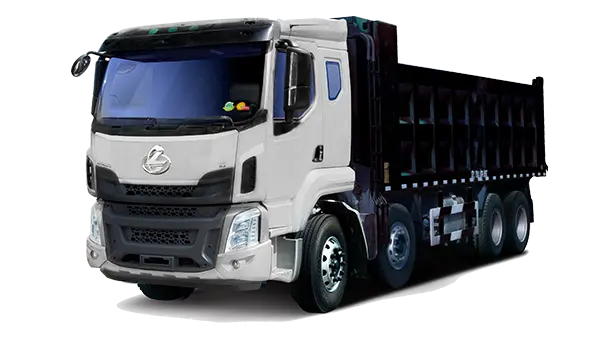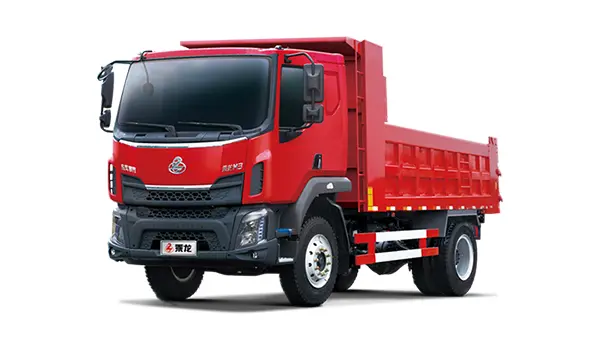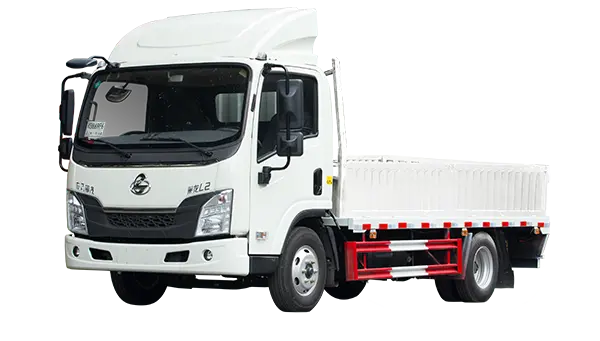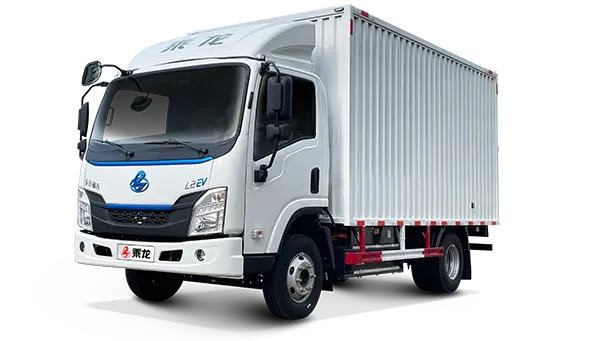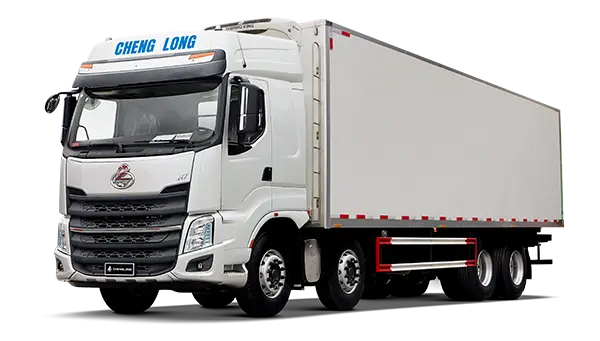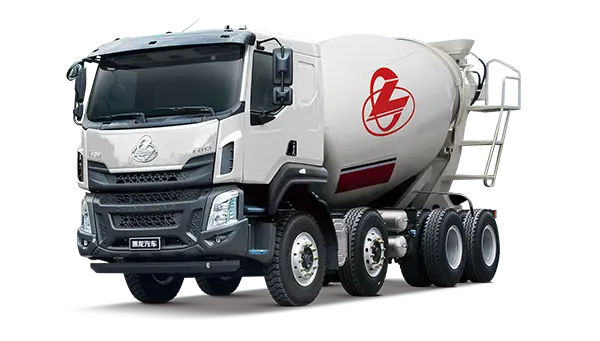
A Dumpster Truck is built to move large waste containers efficiently. It serves construction sites, renovation projects, commercial cleanouts, and community cleanup operations. Instead of collecting small household bins, it lifts, places, or transports heavy dumpsters filled with concrete, timber, soil, packaging, or general debris.
David Biderman, former chief executive of the Solid Waste Association of North America, has described solid waste management as “an essential public service.” That idea explains the truck’s practical value. A Dumpster Truck keeps waste contained at the job site. It then carries the container to an approved transfer station, recycling facility, or disposal site. The process reduces loose debris, unnecessary handling, and repeated trips by smaller vehicles.
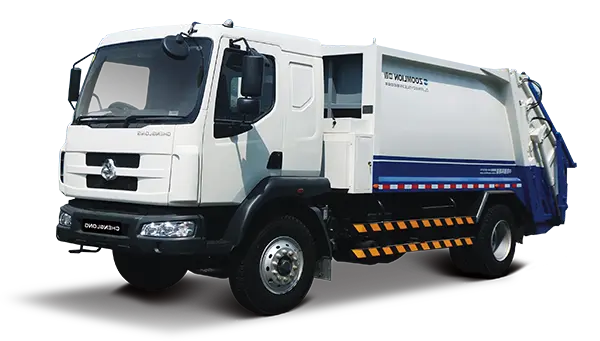
The equipment varies. Roll-off trucks use rails, cables, or hydraulic systems to load open-top containers. Front-load trucks lift commercial dumpsters with mounted forks. Rear-load models often compact collected waste inside the body. Each design fits a different volume and work environment.
The distinction is easy to blur. A Dumpster Truck does not automatically recycle everything it carries. Proper sorting still matters. Wet waste, broken drywall, metal scraps, and clean wood may require different handling. A poorly matched container can create delays, added costs, or unsafe loading conditions.
The simple version is this: the truck moves the container, not just the waste. Its real job is controlled, scheduled material transport. That sounds ordinary. It is not always simple. Good planning, trained operators, visible loading limits, and accurate waste descriptions make the system work better.
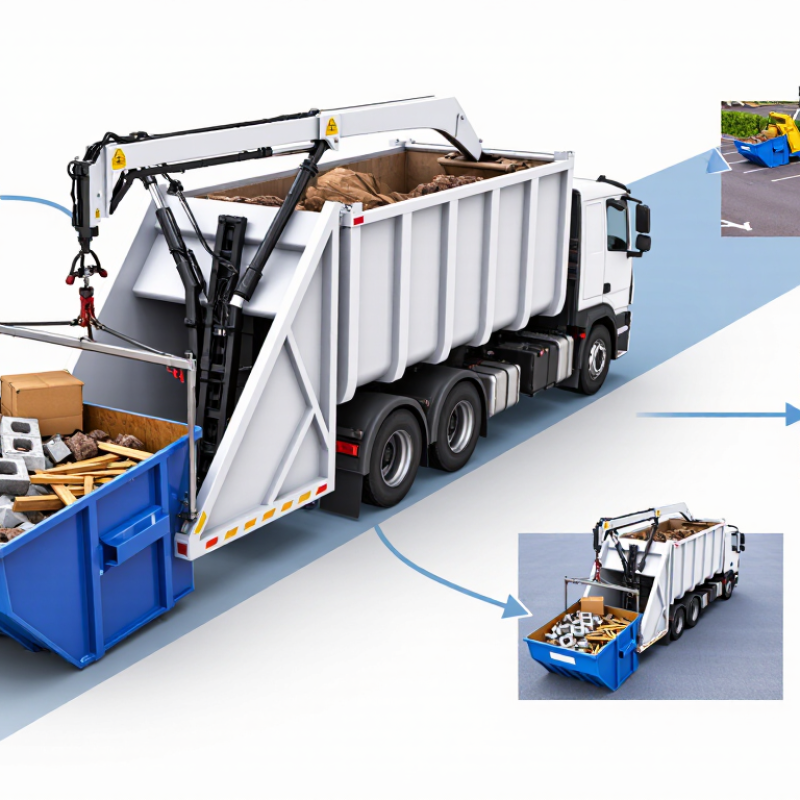
A dumpster truck is a vehicle designed to deliver, lift, transport, or empty large waste containers. Its main purpose is to move bulky materials efficiently between a work site and an approved disposal or recycling facility. Unlike a regular pickup truck, it can handle heavy loads such as broken concrete, timber, soil, packaging, and renovation debris.
On a construction site, the truck places a dumpster close to the active work area. Workers can then load waste without making repeated trips across the site. In my experience, this saves time and keeps walkways clearer.
A truck may later lift the container onto its frame, secure it, and carry it away. Some models also empty containers into larger collection systems.
The truck is useful for home renovations, commercial cleanouts, landscaping projects, and scheduled municipal collection. Operators must consider container size, road access, overhead cables, ground stability, and total load weight. A narrow driveway can turn a simple delivery into a difficult task. Estimating waste volume is also imperfect; people often choose a container that is too small. Careful planning helps prevent overfilling and unsafe transport. Waste should be separated when required, and disposal must follow local environmental and handling requirements.

A dumpster truck moves loaded containers between homes, construction sites, businesses, and approved disposal facilities. Its main value is handling large amounts of loose material efficiently. Workers can fill a container with broken concrete, bricks, timber, drywall, or roofing debris. A hydraulic lifting system then raises and places the container onto the truck.
Different projects require different containers. Clean soil, gravel, sand, and asphalt are common materials for landscaping and roadwork. Their weight matters, so operators must avoid overloading the container. Concrete can quickly become too heavy, even when the container looks only half full. Yard waste, including branches, leaves, and roots, usually needs separate handling from construction debris. Mixed household contents may also be transported when local disposal rules allow it.
Sorting improves safety and reduces disposal problems. Recyclable metal, untreated wood, cardboard, and certain plastics can often be separated before pickup. Materials containing liquids, chemicals, batteries, or other restricted substances require specialized services, not a standard dumpster load. In practice, sorting is rarely perfect. A small piece of plaster may hide under timber, or wet soil may add unexpected weight. Experienced operators inspect the load, check the container’s condition, and confirm the receiving facility’s requirements before transport. Mistakes still happen, so clear labeling and honest communication remain important.
A dumpster truck is built to load, move, and unload large waste containers efficiently. In field operations, a roll-off truck uses hydraulic arms, cables, or hooks to pull a container onto its chassis. The driver positions the truck squarely, lowers the lifting equipment, and checks that the container’s rails align correctly. Small alignment errors can damage equipment or create unstable loads.
The truck then secures the container before traveling to a transfer station, recycling facility, or landfill. The U.S. Environmental Protection Agency reported 292.4 million tons of municipal solid waste generated in 2018, equal to about 4.9 pounds per person daily. That volume explains why reliable container movement matters. Operators inspect doors, tarps, tires, and hydraulic lines before departure. They also watch the load height. Overfilled containers can spill during braking or turns.
At the disposal site, the truck releases the container through controlled hydraulic movement. The rear wheels stay stable while the body tilts or slides the container from the frame. Workers may inspect the empty box before its next assignment. The World Bank’s What a Waste 2.0 report projects global waste could reach 3.40 billion tonnes annually by 2050. That forecast makes efficient hauling more important, though real conditions vary by city, material, and weather. Mechanical systems help, but careful judgment remains essential.
What Is a Dumpster Truck Used For?
A dumpster truck moves loose material in a strong, open container. Construction crews use it for soil, broken concrete, timber, drywall, and roofing waste. The U.S. Environmental Protection Agency reported about 600 million tons of construction and demolition debris in 2018. That volume explains the truck’s daily importance on busy building sites. Operators load the container, secure the area, and transport waste to an approved facility. A poor loading plan can waste valuable space.
Demolition work creates heavier and sharper loads. Dumpsters carry bricks, masonry, pipes, and damaged structural materials. Municipal services use similar vehicles for street sweeping, storm cleanup, bulky household waste, and seasonal collection. The EPA estimated 292.4 million tons of municipal solid waste in the United States in 2018. Local agencies must separate recyclable materials when required. They also need careful routing, because narrow streets and overhead lines create real hazards.
Tips: Check the container’s rated capacity before loading. Keep heavy debris evenly distributed. Do not mix materials without confirming facility rules. The Occupational Safety and Health Administration advises securing loads and controlling struck-by risks around moving vehicles. In practice, site conditions change quickly. A container that worked yesterday may be unsuitable today. Measure access width, overhead clearance, ground strength, and turning space before delivery. This step feels slow, but it prevents costly repositioning and damaged surfaces. EPA waste figures come from its National Overview: Facts and Figures Report, while debris estimates come from its Construction and Demolition Debris Management report.
| Application | Typical Materials Handled | Common Truck Type | Typical Payload Range | Typical Body Capacity | Primary Benefits | Operating Considerations |
|---|---|---|---|---|---|---|
| New Building Construction | Soil, gravel, sand, crushed stone, concrete, and packaging waste | Standard rear-dump truck or articulated dump truck | 10–25 short tons | 10–20 cubic yards | Moves bulk materials efficiently between excavation, supply, and placement areas | Payload must remain within the vehicle’s rated capacity and local road limits |
| Road and Highway Work | Asphalt, aggregate base, road salt, sand, and excavated material | Rear-dump truck or end-dump truck | 10–25 short tons | 10–18 cubic yards | Supports paving, grading, drainage, shoulder construction, and winter maintenance | Insulated or covered bodies may be used for hot asphalt or dust control |
| Excavation and Site Preparation | Topsoil, clay, sand, rock, demolition fill, and unsuitable soil | Articulated dump truck or off-road dump truck | 20–45 short tons | 15–35 cubic yards | Handles heavy loads across uneven, muddy, or undeveloped terrain | Off-road models are generally not intended for extended public-road travel |
| Building Demolition | Concrete rubble, brick, masonry, timber, metal, and mixed debris | Heavy-duty rear-dump truck or roll-off container truck | 10–25 short tons | 20–40 cubic yards | Removes large volumes of debris and supports recycling or disposal operations | Loads may require segregation, dust suppression, and secure covering during transport |
| Concrete and Asphalt Removal | Broken concrete, asphalt millings, reinforced concrete, and aggregate | Rear-dump truck or end-dump truck | 10–25 short tons | 10–20 cubic yards | Transfers dense materials to recycling facilities, stockpiles, or disposal sites | Dense materials can reach the legal payload limit before the body is full |
| Mining and Quarrying | Overburden, ore, stone, aggregate, and waste rock | Large off-highway haul truck | 40–400 short tons | 25–220 cubic yards | Moves high-volume loads over dedicated haul roads and quarry routes | Vehicle size, route design, braking, and loading procedures require specialized site controls |
| Municipal Leaf and Yard-Waste Collection | Leaves, branches, grass clippings, brush, and organic yard waste | Dump body truck or specialized collection truck | 3–15 short tons | 10–30 cubic yards | Collects and unloads seasonal organic waste at composting or processing sites | Volume is often reached before payload because yard waste has relatively low density |
| Municipal Solid-Waste Transfer | Bagged household waste, commercial refuse, and non-hazardous solid waste | Dump body truck, transfer vehicle, or roll-off truck | 8–25 short tons | 20–40 cubic yards | Transfers collected waste from local routes to larger processing or disposal facilities | Hazardous, medical, liquid, and regulated materials require separate handling procedures |
| Snow and Ice Operations | Road salt, sand, salt-sand mixtures, and treated abrasives | Dump truck equipped with a spreader | 5–20 short tons | 8–20 cubic yards | Distributes traction and de-icing materials while also hauling snow when configured for dumping | Corrosion control, calibrated spreading, and proper storage of salt are important |
| Flood, Storm, and Disaster Cleanup | Storm debris, fallen trees, damaged building materials, mud, and sediment | Heavy-duty dump truck or roll-off container truck | 10–25 short tons | 15–40 cubic yards | Provides rapid debris removal and supports emergency access and site restoration | Debris may require inspection for hazardous substances, utilities, sharp objects, or unstable loads |
| Landscaping and Site Grading | Topsoil, mulch, compost, decorative stone, sand, and fill material | Small dump truck or standard rear-dump truck | 2–15 short tons | 5–15 cubic yards | Delivers and places bulk landscape materials at residential, commercial, and public sites | Smaller vehicles improve access where roads, gates, or work areas are restricted |
| Waste Transfer and Recycling | Construction waste, recyclable aggregates, scrap materials, and sorted debris | Roll-off truck or hook-lift truck | 8–20 short tons | 10–40 cubic yards | Swaps removable containers and reduces loading and unloading time at busy sites | Containers should be selected according to material density, volume, and permitted weight |
A dumpster truck transports, lifts, and empties large waste containers at construction sites, homes, and commercial facilities. Its work looks simple, but small mistakes can cause serious injuries. Operators should inspect hydraulic lines, brakes, tires, and container locks before moving. The ground must be firm and level. Soft soil can shift under heavy weight. Overhead wires also require careful clearance. A trained spotter helps when visibility is limited. Keep people outside the loading zone.
Capacity involves more than the container’s volume. A dumpster may hold several cubic yards, but its legal payload depends on material density and axle limits. Concrete becomes dangerously heavy long before the container looks full. Loose packaging takes up space but adds less weight. Distribute material evenly, avoid sharp objects near the sides, and never allow debris to rise above the rim. Covers or secured tarps reduce falling waste during travel. This is where rushed loading often creates preventable problems.
Environmental care begins before collection. Separate clean wood, metal, soil, and recyclable materials when local facilities permit it. Keep paint, fuel, batteries, and liquids out of ordinary waste containers. Leaks can stain pavement and contaminate stormwater. A sealed container helps, but it is not a complete solution. Route planning can reduce fuel use, while avoiding unnecessary idling lowers emissions. In practice, crews sometimes estimate loads by sight and get it wrong. Weighing dense materials is slower, yet usually safer and more reliable.