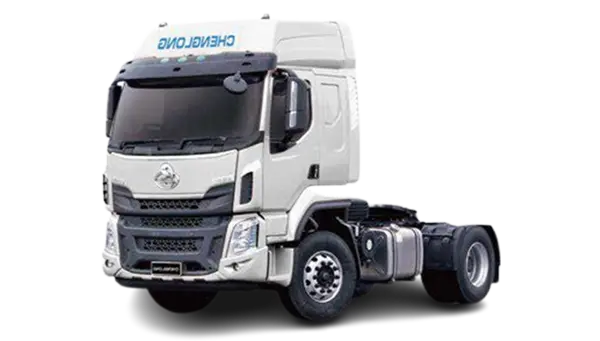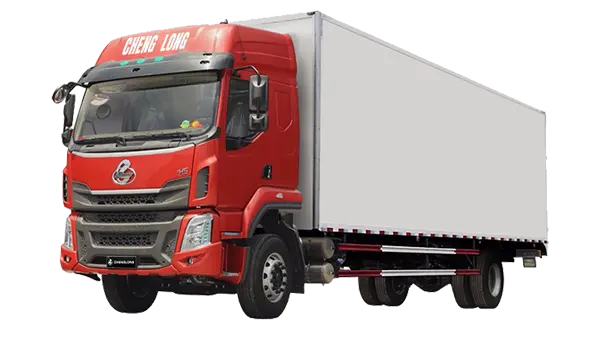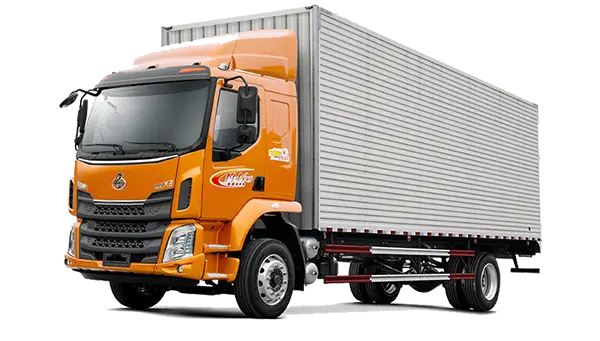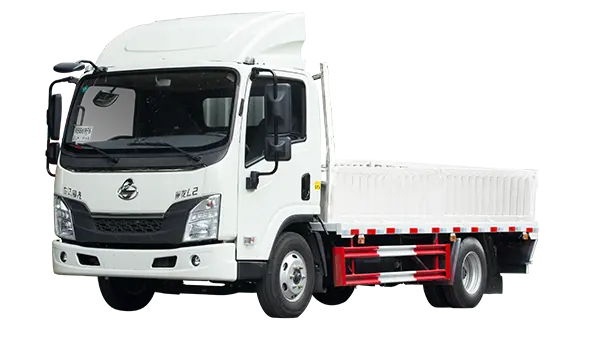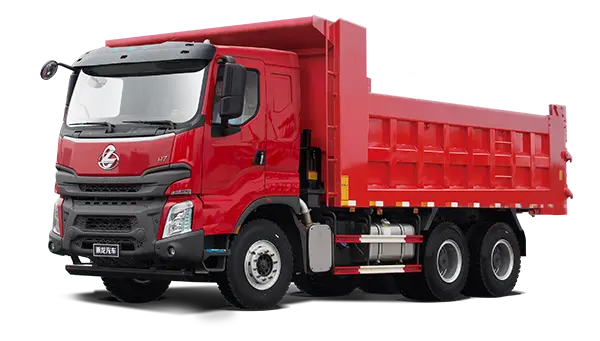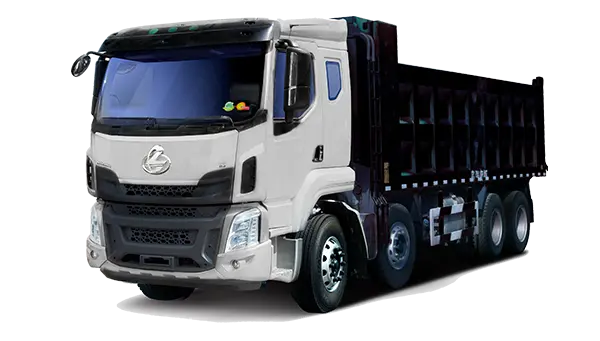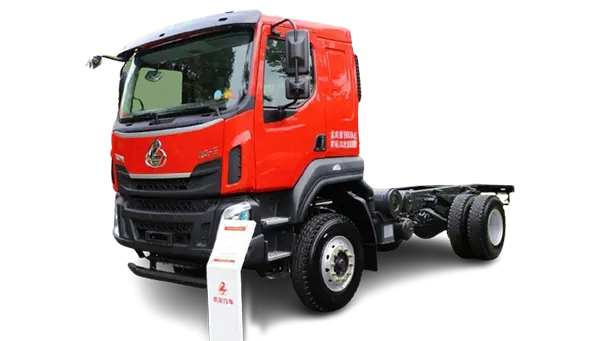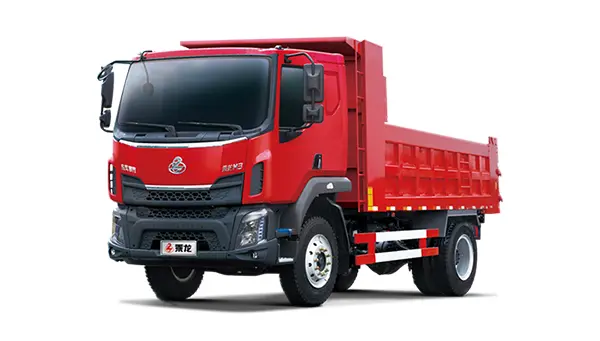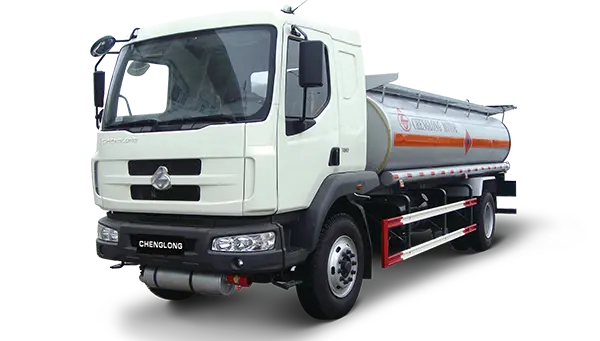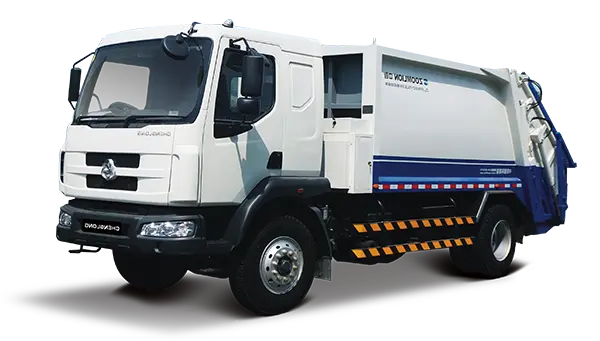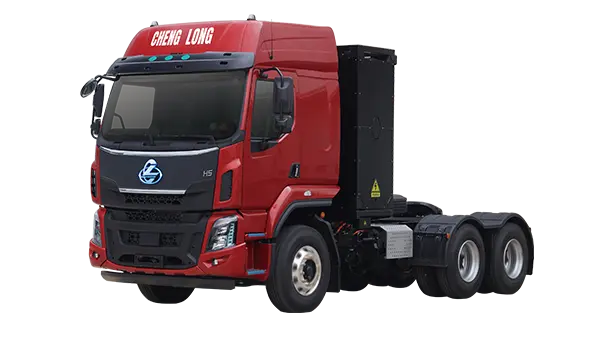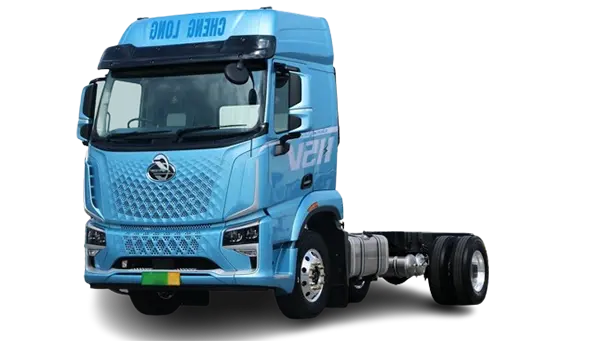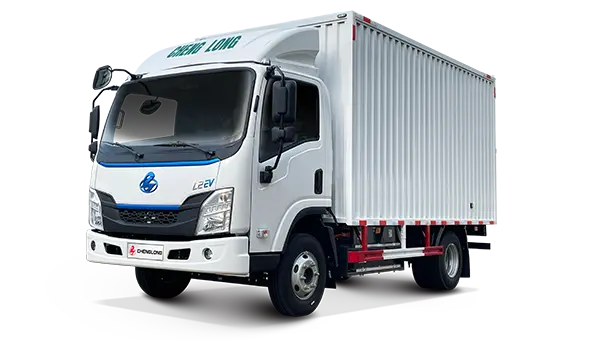
Sourcing Hybrid Trucks globally in 2026 requires more than comparing purchase prices. Buyers must match each vehicle with real operating conditions. A refrigerated truck in Rotterdam faces different demands from a tipper working near Nairobi. Route length, payload, gradients, idle time, and climate can change the business case quickly.
The International Energy Agency’s Global EV Outlook 2024 reported almost 90,000 electric truck sales worldwide in 2023. China represented more than 80% of that market. This figure does not measure Hybrid Trucks directly, but it shows where battery supply chains, chassis technology, and commercial electrification are developing fastest. The report also highlights an important sourcing issue: regional availability remains uneven. The best vehicle on paper may not have dependable parts support in your market.
Regulatory checks matter. UNECE vehicle standards, national type approval rules, emissions requirements, and local import procedures can affect delivery schedules. Buyers should request verified fuel-consumption data, battery warranty terms, regenerative-braking performance, and service-training records. A supplier’s factory audit should inspect battery traceability, welding quality, software updates, and spare-parts storage. Ask for references from fleets using similar routes.
The details decide everything.
Industry forecasts can guide decisions, but they cannot replace route-level testing. The ICCT and IEA both show that commercial vehicle markets are moving toward lower-emission technologies, yet infrastructure and total-cost results differ widely. Hybrid systems also vary considerably between mild hybrid, full hybrid, and plug-in designs. That terminology can mislead. This guide examines supplier qualification, regional sourcing risks, technical verification, and practical purchasing methods for 2026. Some assumptions may fail in fast-changing markets, so responsible buyers should keep testing, comparing, and revising their procurement plans.

How to Source Hybrid Trucks Globally in 2026?
Hybrid truck sourcing begins with a clear powertrain definition. Mild hybrids support the engine during acceleration. Parallel hybrids combine engine and electric motor power. Series hybrids use the engine mainly as a generator. Plug-in hybrids add external charging and larger batteries. These systems serve different routes, payloads, and climates.
The IEA Global EV Outlook 2024 reports that trucks create about one-quarter of road transport emissions. It also recorded more than 50,000 electric truck sales globally in 2023. This signals growing demand for lower-emission drivetrains, but hybrid data remains less consistent. Buyers should request verified fuel-use results from comparable duty cycles. A published figure can mislead. Check gross vehicle weight, payload, battery capacity, motor output, engine displacement, regenerative braking, and expected electric range. Include PTO compatibility, charging voltage, thermal management, and battery warranty terms. A truck for dense urban delivery needs different specifications from one serving long-distance freight.
Tips: Build a sourcing sheet with measurable fields. Ask for test data at full payload, cold-start conditions, steep grades, and stop-and-go traffic. Confirm right-hand or left-hand drive requirements before requesting quotations. Review local homologation, service coverage, spare-part availability, and battery recycling obligations. I would also request a three-year total-cost model, including fuel, electricity, tires, maintenance, downtime, and technician training. The weak point is often after-sales support, not the advertised powertrain.

How to Source Hybrid Trucks Globally in 2026?
Global availability depends on duty cycle, not brochure claims. The IEA’s Global EV Outlook 2024 recorded approximately 35% growth in electric truck sales during 2023. Hybrid demand remains less transparent, because countries classify mild, plug-in, and range-extender systems differently. China offers broader commercial electrification and component access. Europe provides strong engineering capacity, but regional certification can slow delivery. North America has growing interest in hybrid drivelines for long-haul routes and cold-weather operations. Japan and South Korea remain important sources for compact powertrain systems and battery controls.
Supplier checks should cover more than vehicle assembly. Request battery degradation data, e-axle warranty terms, thermal-management test results, and software update procedures. A 180-kilometre urban route with frequent stops may reward regenerative braking. A 900-kilometre route may require larger fuel reserves and stronger service coverage. ACEA’s Vehicles on European Roads 2024 shows that Europe’s truck fleet remains relatively old, creating replacement demand. Yet, regional service capacity can be uneven. This is where sourcing plans often fail.
Tips: Compare total cost per kilometre, not purchase price. Ask for field data from similar payloads and climates. Check parts availability within 72 hours. Confirm local technician training before signing. I would also pilot a small batch first; laboratory figures rarely capture steep roads, overloaded schedules, or winter charging delays. That hesitation is practical, not pessimistic.
Sourcing hybrid trucks globally in 2026 starts with proving who built them. Ask for registration certificates, factory addresses, production records, and audited quality procedures. Do not rely on polished brochures. A video call should show the assembly floor, testing equipment, and vehicle identification plates. Request references from recent commercial buyers, not only selected testimonials. Check whether the manufacturer has supported similar trucks in your target climate and duty cycle. A truck working in a cold port faces different risks from one hauling materials inland. Credentials must be current. Confirm ownership, export authority, technical staff, and after-sales capacity through independent documents and direct interviews.
Vehicle quality requires evidence beyond a short road demonstration. Review battery test reports, hybrid-system diagnostics, braking performance, payload limits, and maintenance intervals. Inspect welds, cable protection, cooling lines, connectors, and underbody clearance. Ask for a sample vehicle inspection by a qualified engineer before payment. Record cold starts, hill climbs, loaded braking, and cabin noise. Small defects become expensive when parts cross borders. A clean report can still miss daily abuse. That is where my process needs discipline. Use an independent laboratory when documents conflict or measurements look unusually perfect. Require serial-number matching across the chassis, battery, certificates, and shipping records.
Compliance must cover both the vehicle and its destination. Verify emissions rules, road dimensions, lighting, charging interfaces, battery transport requirements, and cybersecurity obligations. Requirements can change. Obtain written confirmation from local authorities or accredited conformity professionals. Keep translated manuals, recall procedures, warranty terms, and spare-parts commitments in the contract. Do not accept vague promises about future certification. A reliable supplier explains limitations clearly. That honesty is more valuable than a low initial quote when downtime affects drivers, cargo, and public roads.
In 2026, sourcing hybrid trucks globally requires more than comparing invoice prices. Total cost includes import duty, value-added tax, port fees, inland transport, insurance, financing, and local certification. A practical sourcing review should model three scenarios: normal delivery, currency movement, and customs delay. Small fees accumulate quickly.
Use a landed-cost worksheet for every destination. Record the truck price, battery specifications, warranty coverage, maintenance intervals, and expected fuel savings. Check whether local technicians can service the hybrid system. They may need specialized training and diagnostic equipment. Do not treat projected fuel savings as guaranteed. Traffic, terrain, payload, and driver habits can change the result.
Trade regulations need early verification. Confirm tariff classification, rules of origin, emissions standards, safety testing, and required battery documents. A compliant shipment can still wait if paperwork is incomplete. Ask customs brokers to review documents before production begins. Delivery choices also affect cost and risk. RoRo shipping may suit finished vehicles, while container shipping can offer better protection for smaller volumes. Rail and road transport may reduce inland delays in some regions. Port congestion remains difficult to predict. Some estimates will be wrong. A realistic plan keeps contingency funds and allows several delivery routes.
Sourcing hybrid trucks globally in 2026 requires more than comparing online prices. In my procurement experience, unclear contracts caused more delays than vehicle shortages. A reliable contract should define model year, mileage, battery condition, warranty coverage, spare parts, and delivery terms. It should also identify responsibility for inspections, inland transport, customs duties, and storage. Keep dispute procedures practical. A beautiful clause is useless if nobody can enforce it.
Before payment, appoint independent inspectors with commercial vehicle experience. They should record cold-start behavior, regenerative braking, engine faults, battery health, frame damage, tire wear, and charging equipment. Request timestamped photos and diagnostic reports. Test drives matter. A truck may look clean but lose power under load. I once trusted a seller’s battery estimate. That assumption was too generous. Set acceptance thresholds and a remedy period in writing. Inspection methods still vary by country.
Shipping plans must match vehicle dimensions, battery classification, port rules, and destination documents. Confirm export records, insurance, bills of lading, and delivery milestones before loading. Inspect each truck again after arrival. Transit damage happens. After-sales support needs named technicians, response times, remote diagnostics, training, and stocked wear parts. Ask how cross-border warranty claims are documented. This detail is often overlooked. A low purchase price can hide expensive downtime, delayed parts, or software faults. Keep a realistic contingency budget.
| Management Area | Data Dimension | Recommended 2026 Planning Standard | Buyer Action | Control Status |
|---|---|---|---|---|
| Vehicle Scope | Powertrain definition | Specify whether the vehicle is a parallel hybrid, series hybrid, or plug-in hybrid, and state the required engine, electric motor, battery, transmission, and regenerative-braking configuration. | Attach a signed technical specification to the request for quotation and prohibit undocumented substitutions. | Required |
| Vehicle Scope | Payload and operating profile | Define gross vehicle weight, legal payload, average daily mileage, maximum gradient, ambient-temperature range, duty cycle, and expected annual operating hours. | Use route and load data from the intended operating region rather than relying only on a laboratory fuel-consumption figure. | Required |
| Commercial Contract | Contract structure | Use a master supply agreement plus vehicle-specific purchase orders, with separate schedules for technical specifications, delivery, inspection, warranty, spare parts, and service levels. | Make the technical specification and approved inspection report contractually controlling documents. | Recommended |
| Commercial Contract | Payment protection | Use milestone payments linked to approved drawings, production completion, pre-shipment inspection, shipping documents, and final acceptance. Retain a final balance until acceptance. | Do not release the final payment solely against photographs or a packing list. | Control Point |
| Commercial Contract | Delivery term | State the applicable Incoterms® 2020 rule, named place, transfer point, insurance responsibility, export clearance responsibility, and import-clearance responsibility. | Compare total landed cost under FCA, FOB, CIF, or DAP only after assigning every freight, duty, tax, handling, and inland-transport cost. | Required |
| Lead Time | Production and export planning range | Allow approximately 8–20 weeks from approved specification to production completion for standard configurations; allow additional time for customization, homologation, and battery documentation. | Obtain a dated production schedule with approval gates, not only a single promised delivery date. | Planning Range |
| Inspection | Pre-shipment inspection coverage | Inspect identification numbers, dimensions, mass, payload equipment, bodywork, tyres, lights, braking, steering, suspension, safety equipment, charging system, battery condition, diagnostic codes, and supplied documents. | Use a unit-by-unit checklist with photographs, test results, serial numbers, and non-conformity records. | Required |
| Inspection | Battery and high-voltage checks | Verify battery serial number, state of charge, visible damage, insulation or isolation status, diagnostic fault history, charging performance, cooling-system condition, and applicable transport test documentation. | Require qualified personnel and documented lockout/tagout procedures for high-voltage work. | Required |
| Shipping | Battery transport documentation | For vehicles containing lithium batteries, confirm the applicable dangerous-goods classification, UN 38.3 test-summary availability, packing or vehicle-handling instructions, emergency contacts, and carrier acceptance requirements. | Confirm requirements with the ocean, road, rail, or air carrier before booking space; rules vary by mode and battery condition. | Required |
| Shipping | Transit and port-risk planning | Use a route-specific schedule that includes factory release, inland haulage, export clearance, port receiving, ocean or land transit, destination clearance, and final delivery. | Build contingency for port congestion, customs inspection, weather disruption, and documentation correction. | Control Point |
| Import Compliance | Destination-market approval | Confirm vehicle type approval, emissions compliance, safety requirements, roadworthiness rules, charging standards, cybersecurity or software requirements where applicable, and local registration documents. | Assign responsibility for homologation and registration in the contract before production starts. | Required |
| Total Cost | Landed-cost model | Include vehicle price, optional equipment, inland freight, export fees, ocean or land freight, insurance, port charges, customs duty, value-added or sales tax, inspection, homologation, registration, commissioning, and training. | Compare suppliers using the same duty basis, delivery term, currency, tax treatment, and exchange-rate assumption. | Recommended |
| Acceptance | Acceptance criteria | Define measurable limits for payload, range or fuel consumption, charging time, gradeability, noise, braking, warning lights, software functions, delivered accessories, and document completeness. | Separate provisional acceptance from final acceptance and record all open defects with corrective-action deadlines. | Required |
| Warranty | Coverage structure | Specify separate coverage for the complete vehicle, powertrain, high-voltage battery, battery thermal-management system, auxiliary battery, charger, body, and corrosion protection. Coverage periods and distance limits must be stated explicitly. | Require the warranty to begin at final customer acceptance or registration, rather than automatically at factory dispatch, where commercially achievable. | Recommended |
| After-Sales | Service response target | Set a remote-response target of 1 business day, initial diagnosis within 2 business days, and a documented repair plan for immobilizing defects. Define escalation for safety-related failures. | Include service contacts, working hours, escalation levels, required diagnostic data, and communication language in the service agreement. | Control Point |
| After-Sales | Spare-parts readiness | Agree on a recommended start-up parts package, critical-component list, minimum stock levels, price validity, order confirmation time, dispatch time, and obsolete-part support. | Prioritize filters, belts, brake components, sensors, charging components, cooling parts, fuses, connectors, and high-voltage safety items according to the vehicle design. | Recommended |
| After-Sales | Technical training | Provide operator, maintenance, diagnostic, and high-voltage safety training before fleet deployment. Training should include emergency isolation and towing or recovery procedures. | Require training records, competency confirmation, service manuals, wiring diagrams, fault-code references, and software-update procedures. | Required |
| Performance Review | Fleet KPIs | Track availability, kilometres per litre or energy use, electric operating share, regenerative-braking performance, charging success rate, unscheduled downtime, warranty claims, mean time to repair, and parts fill rate. | Review performance monthly for the first six months and quarterly thereafter, using consistent operating conditions. | Recommended |
| Risk Management | Contract remedies | Define remedies for late delivery, specification deviation, failed inspection, missing compliance documents, repeated warranty defects, unavailable parts, and failure to meet service-level commitments. | Use cure periods, replacement or repair obligations, liquidated damages where legally enforceable, and termination rights for material breach. | Control Point |
Planning note: Lead times, warranty periods, freight schedules, customs treatment, and battery transport requirements vary by vehicle configuration, country, transport mode, and destination authority.
Compliance note: Confirm the latest requirements with the destination homologation authority, customs broker, dangerous-goods specialist, carrier, insurer, and qualified high-voltage service personnel before shipment.