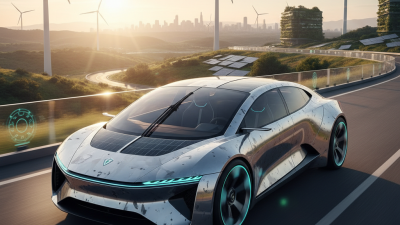
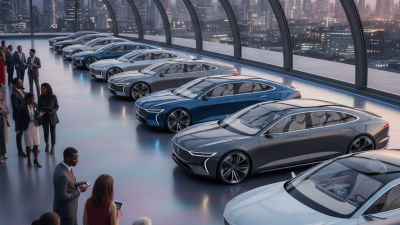
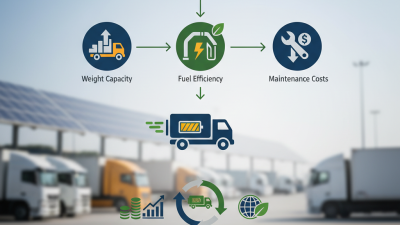
Why Are Hydrogen Power Cars Important for a Sustainable Future?
The transition to a sustainable future hinges on exploring innovative transportation solutions. Hydrogen Power Cars represent a potential breakthrough. These vehicles produce zero emissions, making them environmentally friendly. Their operational efficiency is undeniably impressive, especially when compared to traditional gasoline engines.
Hydrogen Power Cars rely on hydrogen fuel cells. This technology harnesses renewable energy sources. However, the infrastructure for hydrogen production and distribution is still developing. Public awareness and investment in hydrogen technology pose challenges. The path toward a cleaner planet requires significant collaboration and strategic planning.
The benefits of Hydrogen Power Cars are clear, but obstacles remain. While they can drastically reduce pollution, their adoption is slow. Society must address these gaps to fully embrace this revolutionary technology. Overcoming these issues will pave the way for a more sustainable future, ensuring cleaner air and a healthier planet for generations to come.

Role of Hydrogen Power in Reducing Carbon Emissions
Hydrogen power cars play a crucial role in reducing carbon emissions. These vehicles emit only water vapor, making them a cleaner alternative to traditional fossil fuel-powered cars. The shift to hydrogen technology can greatly decrease the levels of greenhouse gases in the atmosphere. Such a transition is critical in combating climate change.
Transitioning to hydrogen energy is not without challenges. Infrastructure for refueling is limited in many areas. Additionally, the production of hydrogen often relies on fossil fuels, which may offset some benefits. However, advancements in renewable energy sources are paving the way for greener hydrogen production. Electrolysis, for example, is becoming a viable method, using renewable energy to separate hydrogen from water.
Investing in hydrogen power technology could lead to a significant decrease in harmful emissions. The importance of this energy source cannot be overstated as we strive for sustainability. As society navigates this shift, continuous improvements and innovations are essential. We must also consider the reliability of hydrogen supply chains as a critical factor in its widespread adoption.
Advantages of Hydrogen Fuel Cells Over Traditional Fuels
Hydrogen fuel cells offer compelling advantages over traditional fossil fuels. One significant benefit is their environmental impact. Hydrogen produces only water vapor when used in fuel cells. This starkly contrasts with gasoline or diesel, which release harmful emissions. Cleaner air and lower greenhouse gas emissions are crucial for our planet's health.
Another advantage is efficiency. Hydrogen fuel cells convert chemical energy directly into electricity, achieving much higher efficiency levels than internal combustion engines. Some studies suggest that fuel cells can be over twice as efficient. This means more energy is used for driving and less is wasted. Moreover, hydrogen can be produced from various renewable sources, such as wind or solar, making it sustainable.
These benefits come with challenges. The production and storage of hydrogen still need improvement. Infrastructure for hydrogen fueling stations is limited compared to gasoline. Creating a reliable system for distribution is essential. These obstacles highlight the need for ongoing research and investment in hydrogen technology. Balancing these factors is vital to ensure a smoother transition toward a sustainable future.
Challenges in the Adoption of Hydrogen-Powered Vehicles
The rise of hydrogen-powered vehicles faces significant challenges that hinder widespread adoption. One critical issue is the current lack of infrastructure for hydrogen refueling stations. According to the Hydrogen Fuel Cell Partnership, as of 2023, there are only about 100 hydrogen stations in the U.S., compared to over 160,000 gas stations. This disparity makes it difficult for consumers to find convenient refueling options.
Another challenge is the perception of safety regarding hydrogen fuel. While hydrogen is generally safe, misconceptions about its flammability persist. The National Renewable Energy Laboratory found that 85% of the public remains uncertain about hydrogen fuel's safety. This public hesitation can deter potential buyers, impacting the market's growth.
Cost remains a significant barrier as well. Hydrogen production varies in price, with green hydrogen being the most expensive option to produce, often surpassing $5 per kilogram. According to industry reports, reducing this cost is crucial to making hydrogen vehicles more accessible. The transition to hydrogen energy needs not only technological advancement but also public education and substantial investment in infrastructure.
Infrastructure Development for Hydrogen Fueling Stations
Hydrogen fueling stations are essential for the adoption of hydrogen-powered cars. Currently, the infrastructure for hydrogen refueling is limited. This scarcity makes it challenging for consumers to switch from traditional vehicles. Cities need to invest in this infrastructure to promote a sustainable future.
Developing hydrogen fueling stations involves significant technical and financial challenges. These stations must be strategically placed to ensure accessibility for drivers. Each station requires advanced safety measures for handling hydrogen, which can be explosive under certain conditions. The technology is evolving, but there is still much to learn.
Public awareness is also crucial. Many people do not understand hydrogen fuel's advantages or potential. Educational programs can bridge this gap. Collaboration between governments, industries, and communities is vital. Only through collective effort can we build a robust hydrogen infrastructure and support the transition towards cleaner transportation.
Future Innovations in Hydrogen Technology for Sustainable Transport
Hydrogen technology is at the forefront of sustainable transport innovation. It has the potential to reshape how we view energy sources. Vehicles powered by hydrogen emit only water vapor. This is a significant contrast to fossil fuels, which emit harmful pollutants. Unfortunately, hydrogen production still relies heavily on non-renewable energy sources. This creates a dilemma in achieving true sustainability.
Future innovations in hydrogen technology can change this landscape. New methods of producing hydrogen, such as electrolysis, can harness renewable energy. This could make hydrogen a cleaner option. Researchers are also exploring compact fuel cells that can reduce the size and weight of hydrogen vehicles. These advancements could lead to more efficient and affordable vehicles. However, storage and distribution remain challenges. Without a reliable infrastructure, widespread adoption may be slow.
The transition to hydrogen-powered transport is not without hurdles. Public perception and skepticism about safety and efficiency exist. Awareness and education will be crucial for wider acceptance. The journey towards a sustainable future through hydrogen is ongoing. Innovations must continue to address the gaps and concerns in current technology. Balancing potential and practicality will determine its success.

 T5EVO
T5EVO T5L
T5L T5
T5 Friday
 T5 HEV
 V9
V9 UTOUR (M4)
 M5 EV
M5 EV M5
M5 Lingzhi Plus
 S7
S7 V9 HEV
 S7
S7 6X4 H7 Tractor
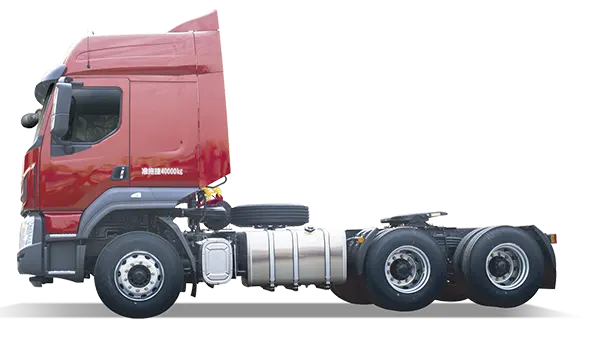 6X4 H5 Tractor
 6X4 HK Tractor
 4X2 H7 Tractor
 4X2 H5Tractor
 4X2 H5 Cargo Truck
 4X2 M3 Cargo Truck
 4X2 L2 Cargo Truck
 6X4 H7 Dump Truck
 6X4 H5 Dump Truck
 4X2 H5 Dump Truck
 4X2 M3 Dump Truck
 Light Truck L2
 Light Truck L2 EV
 H7 Refrigeratior Truck
 H5 Mixer Truck
 M3 Tank Truck
 M3 Sanitation Truck
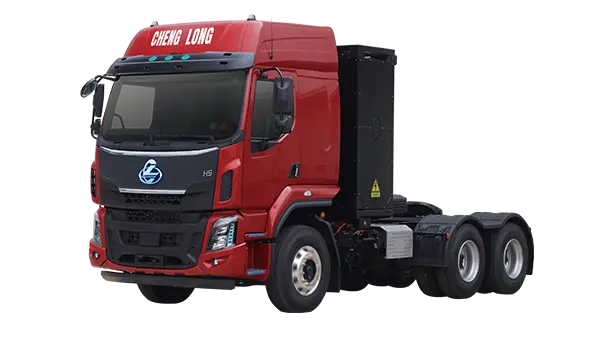 6X4 H7 Electric Truck
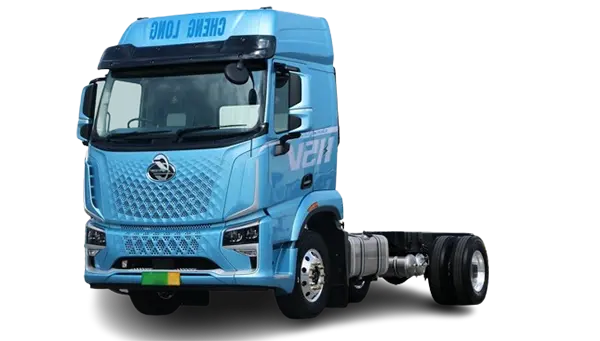 4X2 H5V Electric Truck
 4X2 L2 Electric Truck